Chapter 1 // Introduction
Relevance of the Research
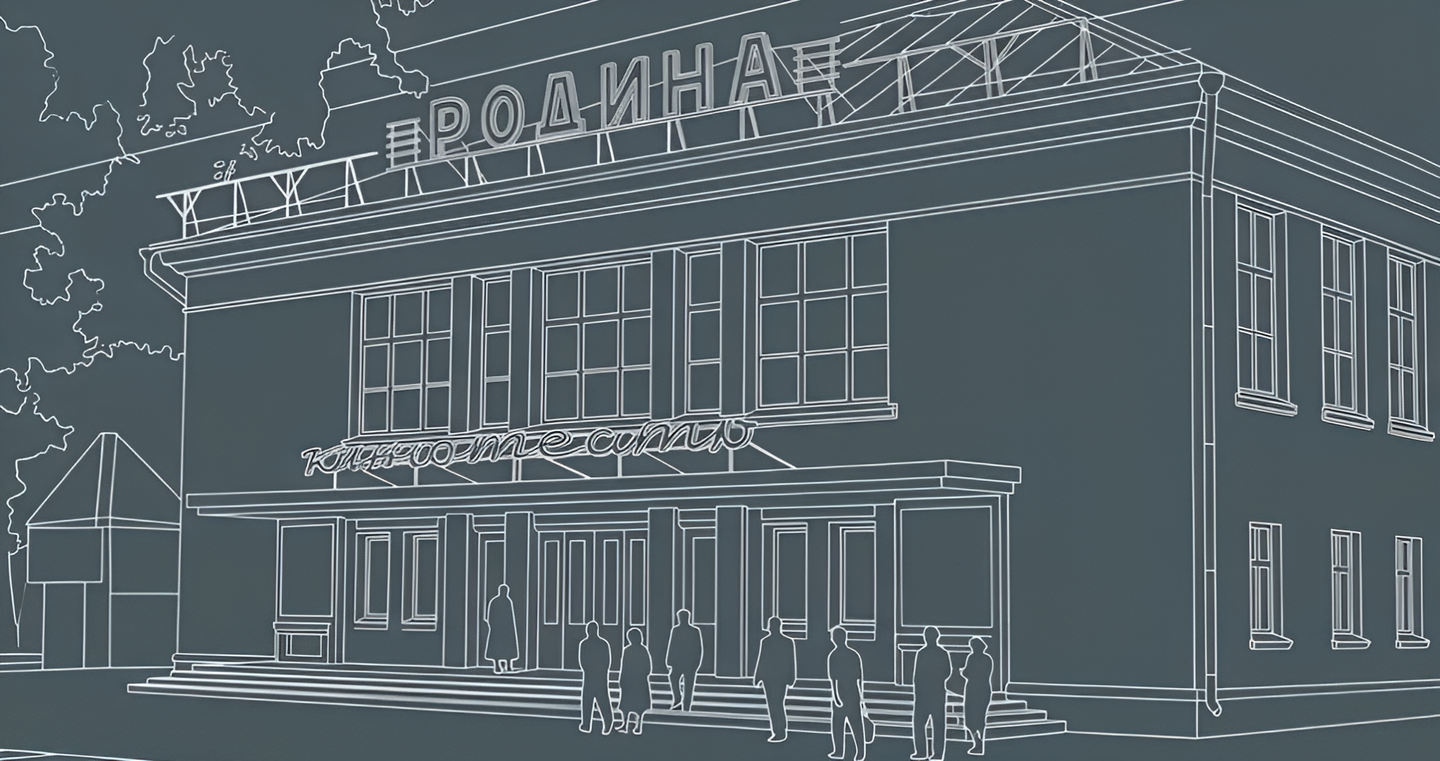
Research Subject: The building of the former «Rodina» cinema in the city of Yaroslavl. Brief Project Concept: The renovation of the building in Yaroslavl, located at 7A Republicanskaya St. The former «Rodina» cinema. In 2020, the cinema was closed by the owners' decision, and in its place, «Magnit,» «Magnit Cosmetique,» and «Rostic’s» opened. Project Idea — to change the building’s existing function and create a youth and tourism center.
The relevance of this topic is driven by the need to solve the problem of inefficient use of urban heritage through the creation of spaces appropriate for the city and its residents. Transforming a building that is unprofitable for city dwellers and visitors into a youth and tourism space allows for the simultaneous solution of three challenges: — Preserving the architectural identity of the area — Satisfying the deficit of high-quality public spaces for young people — Creating a new type of tourist product focused on experience and engagement
Amid the rise of domestic tourism and the shifting needs of the younger generation, such hybrid spaces are becoming catalysts for urban district development. The themes of film and art are also highly relevant to both residents and visitors of the city. Yaroslavl doesn’t just need a new movie theater or youth space; the city needs a vibrant place where people can meet with themselves and with others. Furthermore, analyzing the target audience and potential youth recreation in Yaroslavl suggests that such a space would appeal to a large number of people.
Goals and Objectives
Goals
Objectives The main goal is to competently create a functional space where the features of a cinema, café, local art venue, bookstore, and tourist spot can comfortably merge. Another objective is to landscape the park in front of the building and conceptually integrate it with the youth center.
Chapter 2 // The Spirit of Place
Location
The building of the former «Rodina» Cinema is located in the city of Yaroslavl, at 7A Republicanskaya Street, in the central part of the city, near Oktyabrskaya Square.
The building has a good location; it is situated quite centrally, near the Zavolzhsky Bridge, which is convenient for city residents. Furthermore, the area offers excellent transportation access. The building is located close to the historical center and the river station, which may be relevant for city tourists.
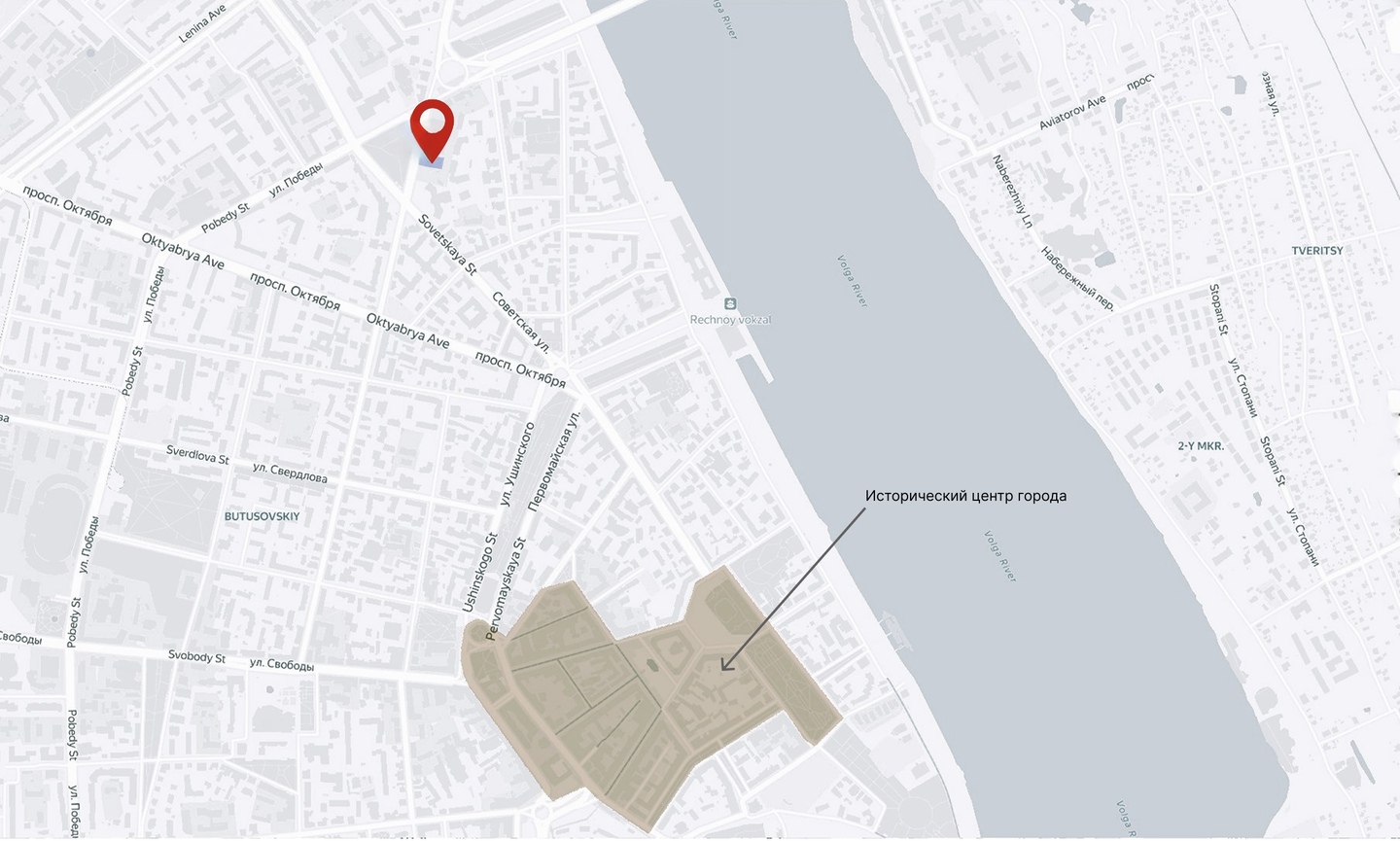
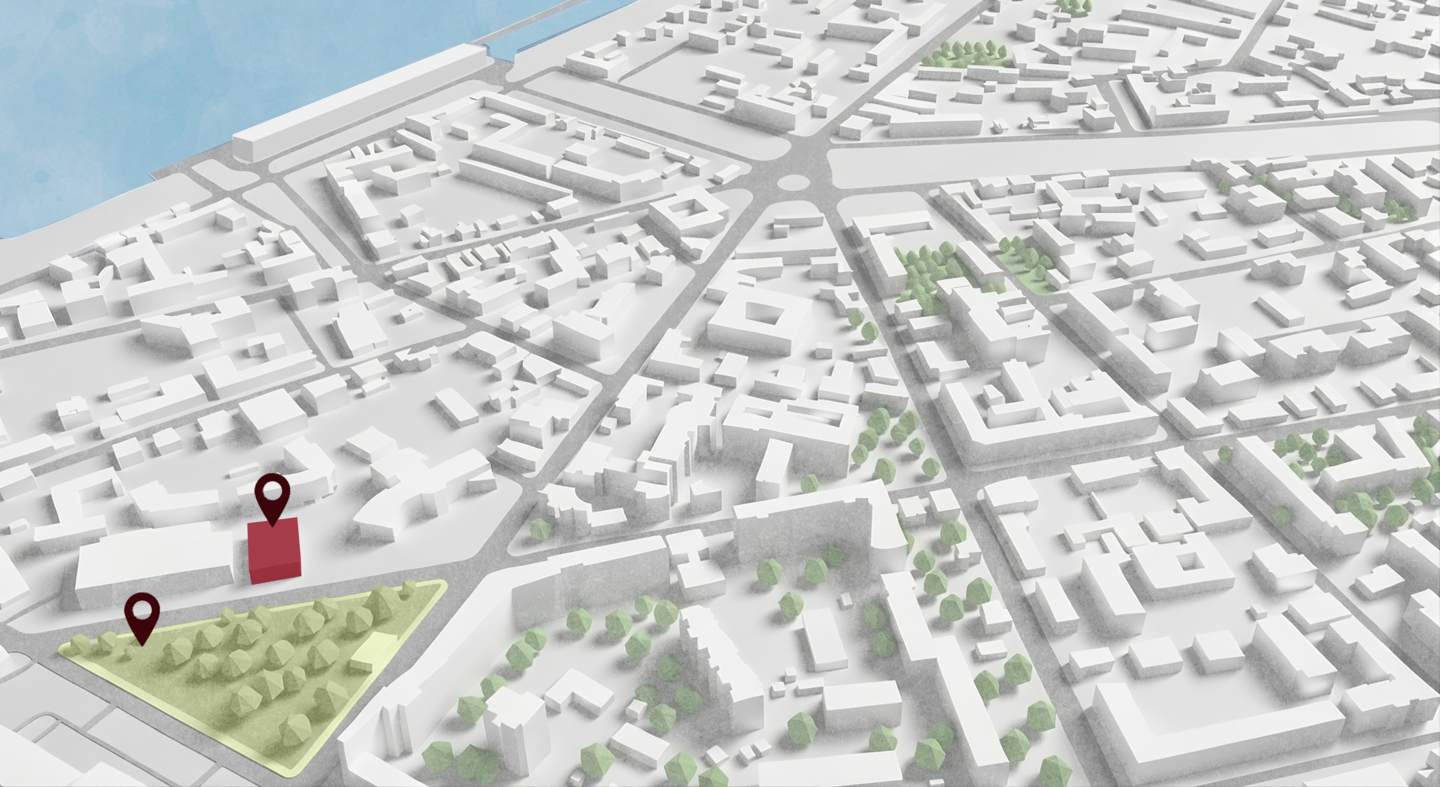
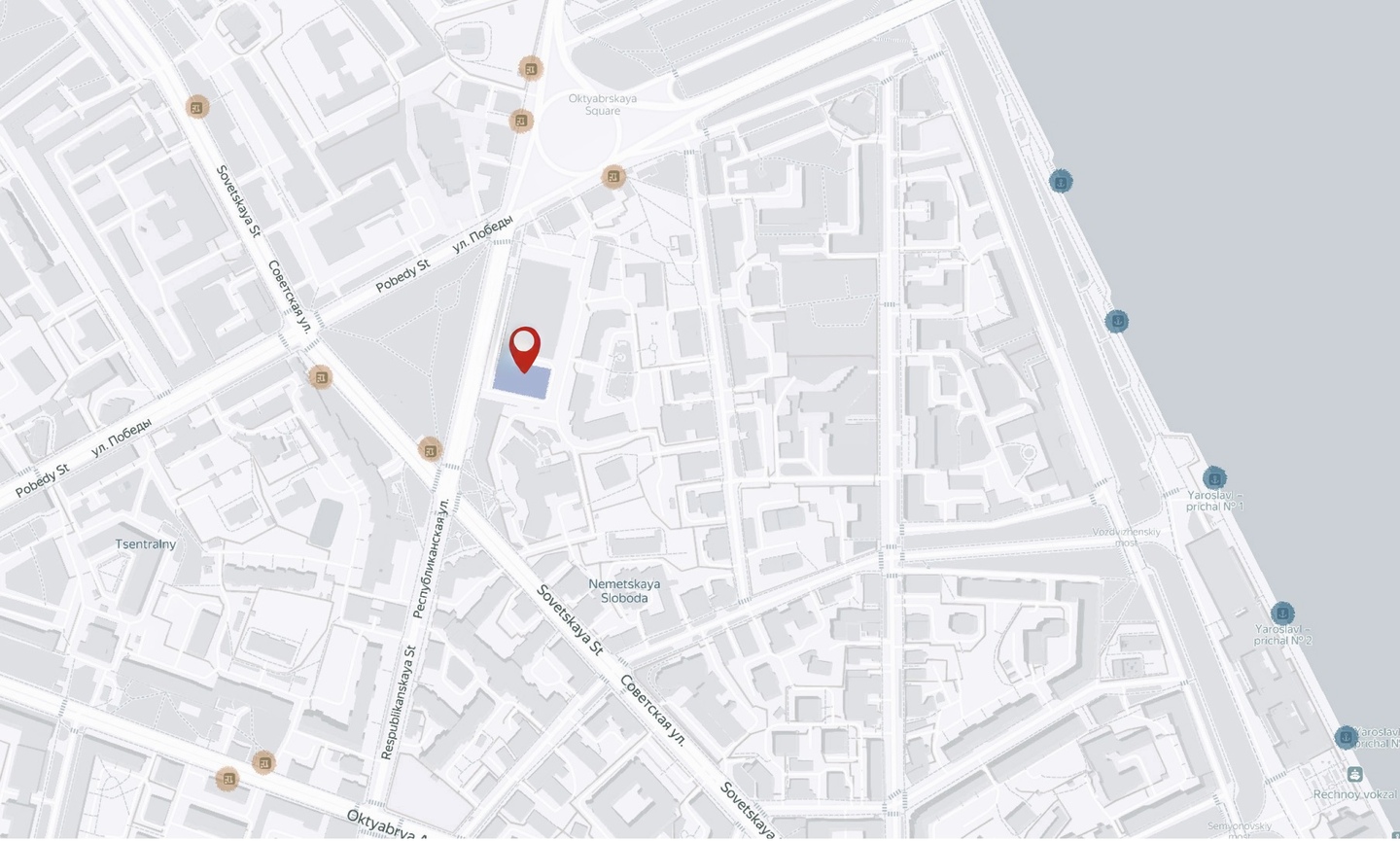
Photo Documentation
Historical Overview
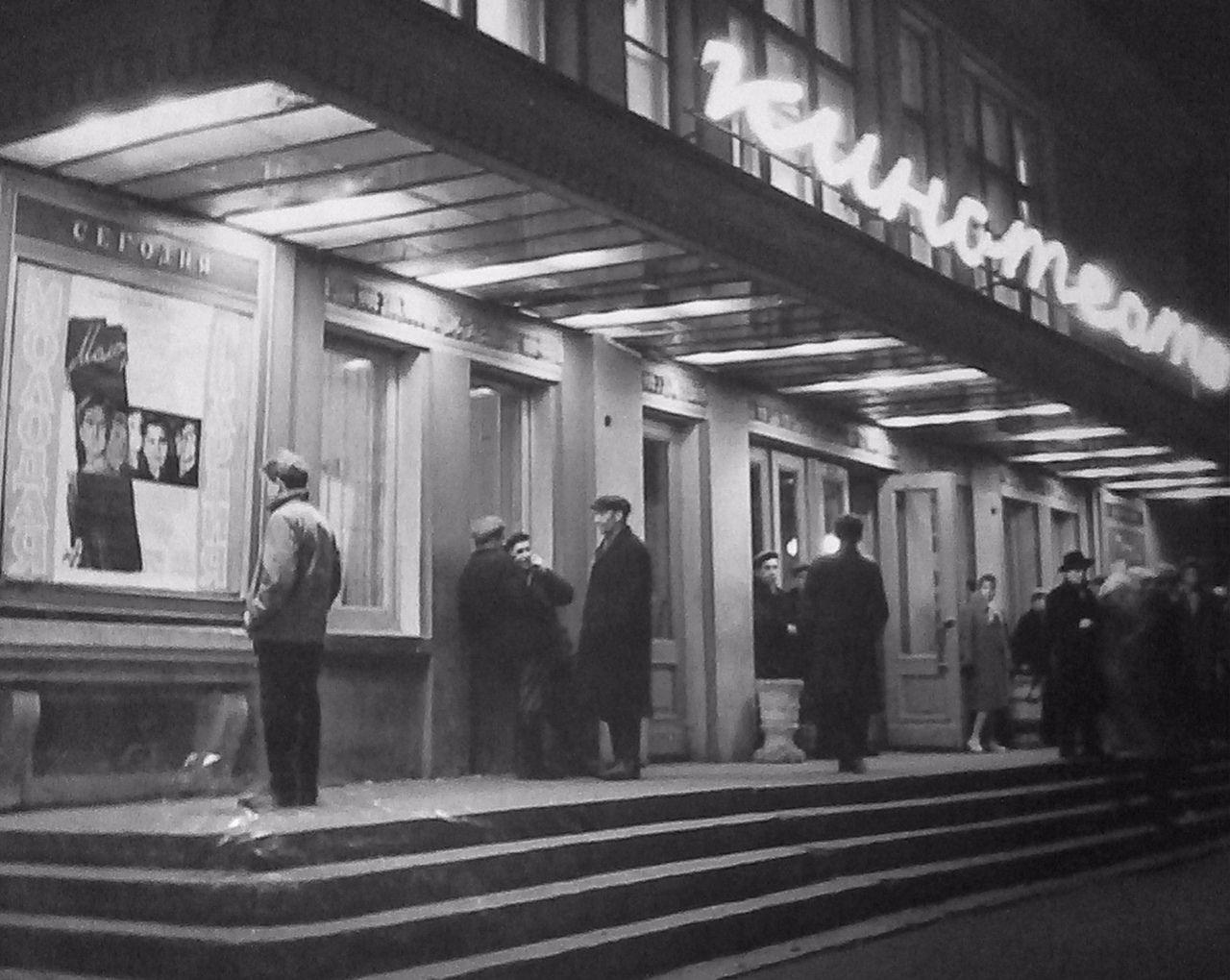
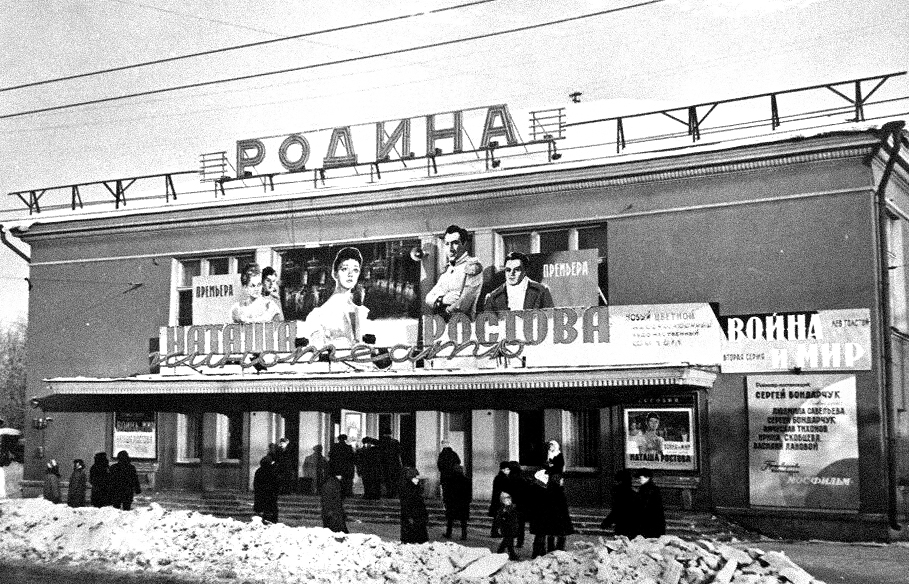
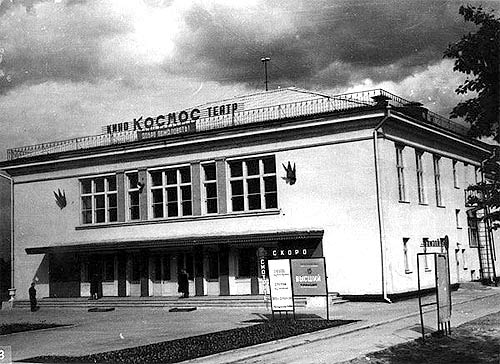
The cinema construction began in the 1950s under the «Yaroslavl Project.» The standard design is 2-06-24 (a two-screen cinema for 800 people). The building was constructed in the Rationalist style. The grand opening took place in November 1959. The cinema featured two halls: the «Green» (wide-screen) and the «Blue.» It also included a spacious foyer, a buffet, and a book kiosk. «Rodina» quickly became a focal point for Yaroslavl residents—a place for gatherings, leisure, and relaxation. The cinema closed in the 1990s. In 2003, «Rodina» underwent a reconstruction and reopened its doors to audiences. In the following years, the cinema screened not only new releases but also retro films, limited-run features, and hosted film festivals.
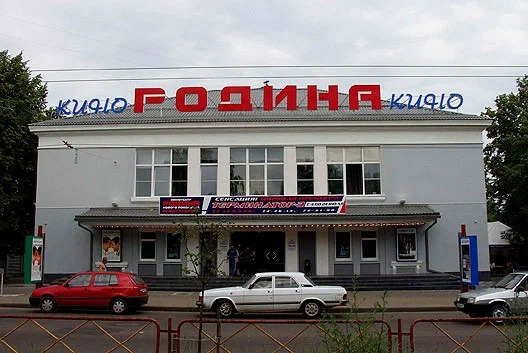
Standard Theater Design Project 2-06-24
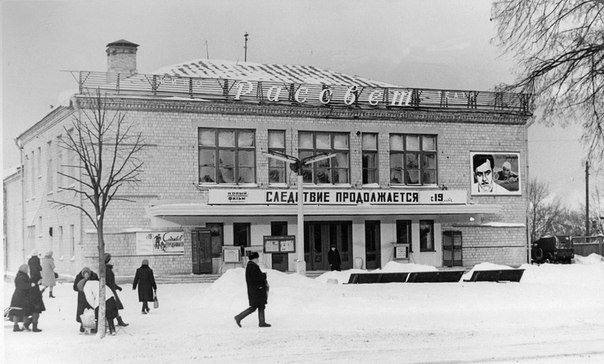
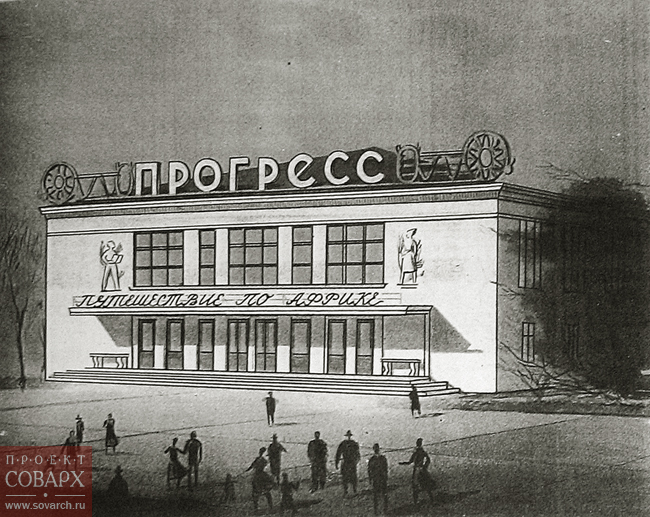
The «Rodina» Cinema in the city of Yaroslavl was built according to a standard plan. This is a standard design for a two-hall cinema with a capacity of 800 seats, developed in the late 1950s — early 1960s by architect I.P. Zotova.
The buildings for this project were constructed in the style of Soviet Neoclassicism; typically, they were two-story structures. The primary design considered capacity for 800 people, but the architect also developed two smaller variations—for 600 and 500 people. The project was implemented in many cities.
Chapter 3 // Zeitgeist
Pre-Revolutionary Period: The street was laid out according to the regular plan of 1778 and was called Dukhovskaya after the Holy Spirit Church. Before the revolution, it was known as the «Seminarians' Street»; the Diocesan Girls' School and the Pastukhov School were located here.
Soviet Era: In 1918, the street was renamed Republicanskaya. During the White Guard uprising in 1918, the city suffered heavily; a third of the population was left homeless, and the area required rebuilding. In 1938, the Holy Spirit Church was demolished and replaced by the NKVD building («The Gray House»).
Development and Daily Life: The historical buildings on the street were primarily mercantile and middle-class residences. For instance, in house No. 51 (formerly the apothecary Bredlich’s estate), large communal families lived in the early 20th century. House numbering changed in the 1920s, so older documents may cite different numbers.
Chapter 4 // Prototypes — Global Experience