This research investigates the history of how the perception of artworks has changed under the influence of reproduction and distribution technologies. From the first printed engravings to digital platforms, art has gradually been liberated from its attachment to a specific location and a physical original. The focus is not on the technical inventions themselves, but on the transformation of the viewer’s experience: how people encountered artworks, where they could see them, and how they reproduced and perceived their value.
Rationale for Topic Selection
Throughout history, access to works of art depended on the ability to physically visit a museum, gallery, or private collection. The development of reproduction technologies gradually changed this situation: images began to spread through engravings, photographs, printed publications, television, and the internet.
Today, a person can view almost any famous work of art without leaving home. However, image availability does not equate to a complete encounter with the original.
This topic allows us to trace how technical progress has changed not only the ways art is distributed but also society’s perception of the artwork itself—its authenticity and artistic value.
Material Selection Principle
The research incorporates historical imagery, works of art, printed publications, photographs, archival materials, and examples of digital platforms that demonstrate how the methods of reproducing and disseminating art have changed.
The primary selection criterion is the material’s significance in understanding shifts in the viewer experience. Preference is given to visual evidence that allows for a comparison between the original work, its reproduction, and its methods of distribution.
Principle of Research Rubrication
The material is organized chronologically. The study is divided into historical stages corresponding to the emergence and spread of new methods of image reproduction. Each stage is examined through three interconnected aspects: — technological changes — new methods of distributing artworks — changes in the audience’s perception of art
- Engraving: Art moving beyond its confines (15th–18th centuries)
- Lithography and Print Culture: Art becoming a mass image (19th century)
- Photography: The ability to reproduce the original (1839–late 19th century)
- Mechanical Reproduction: Art in the era of mass media (20th century)
- Digital Revolution: The museum on a computer screen (late 20th–early 21st century)
- Social Networks: Art in the endless feed (21st century)
Key Question
How has the evolution of image reproduction technologies altered the perception of artworks, attitudes toward the original, and concepts of its artistic value?
Hypothesis
The evolution of reproduction technologies has progressively made artworks accessible to a wider audience, freeing their imagery from its tie to a specific location or original object. However, this increased accessibility has not devalued the original; rather, it has shifted the nature of the interaction with it—physical presence alongside a work has come to be perceived as a distinct experience, separate from viewing its reproduction.
Stage 1. Engraving: Art Beyond Its Boundaries
XV–XVIII века. Распространение изображений посредством печатной графики
The image ceases to exist solely in the place where the artwork resides. It gains the capacity to travel independently. But there is a nuance: not every early engraving was a copy of a painting. Engraving was originally an independent artistic practice.
Albrecht Dürer — «Melencolia I, ” 1514 Copperplate engraving. British Museum, London
Engraving allowed the work to exist simultaneously in multiple copies. The artistic image was no longer inextricably tied to a single physical object. Printmaking became an independent method for disseminating visual ideas and artistic representations.
Marcantonio Raimondi after Raphael — «The Judgment of Paris, ” c. 1514–1518 Engraving. The British Museum, London
Reproductive engraving allowed artistic compositions to spread beyond their original place of creation. The work became accessible to audiences who would never have seen the original. In this process, the engraver acted not merely as a copyist, but as an intermediary between the author’s concept and a new audience.
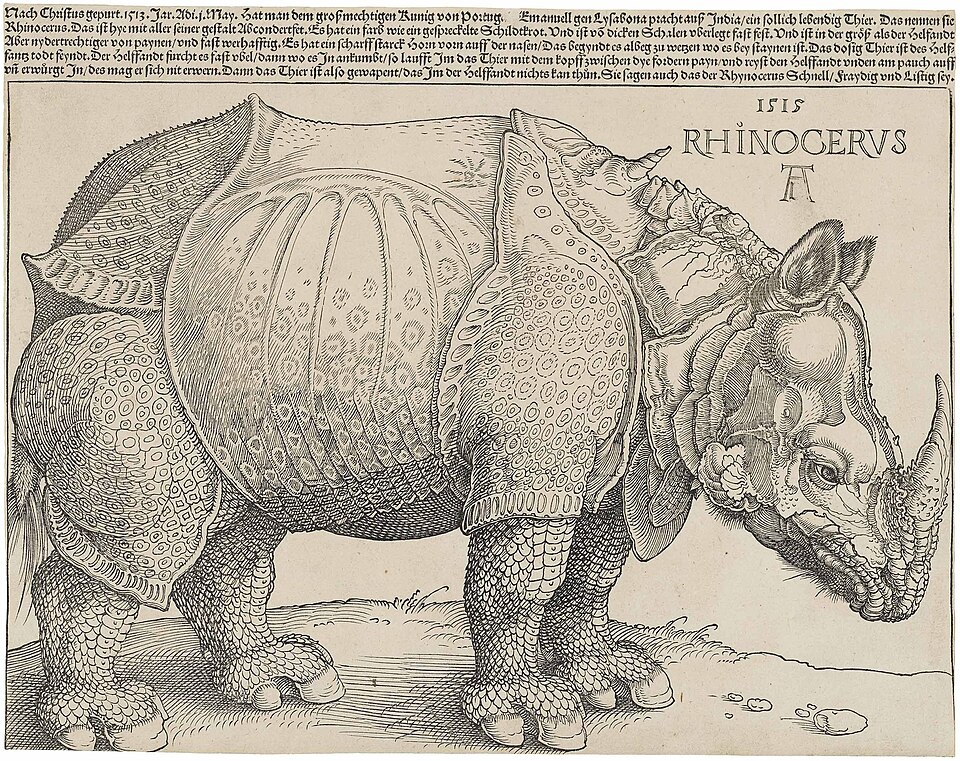
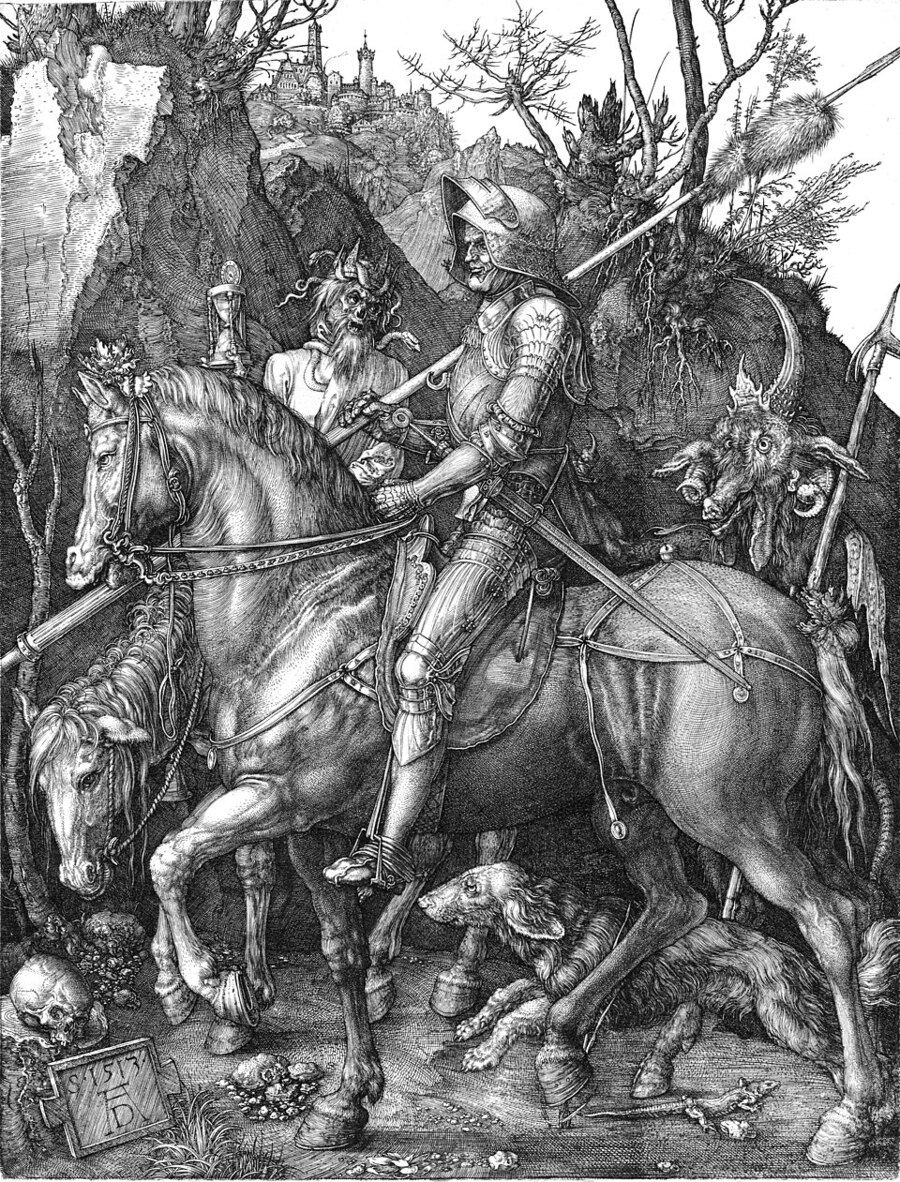
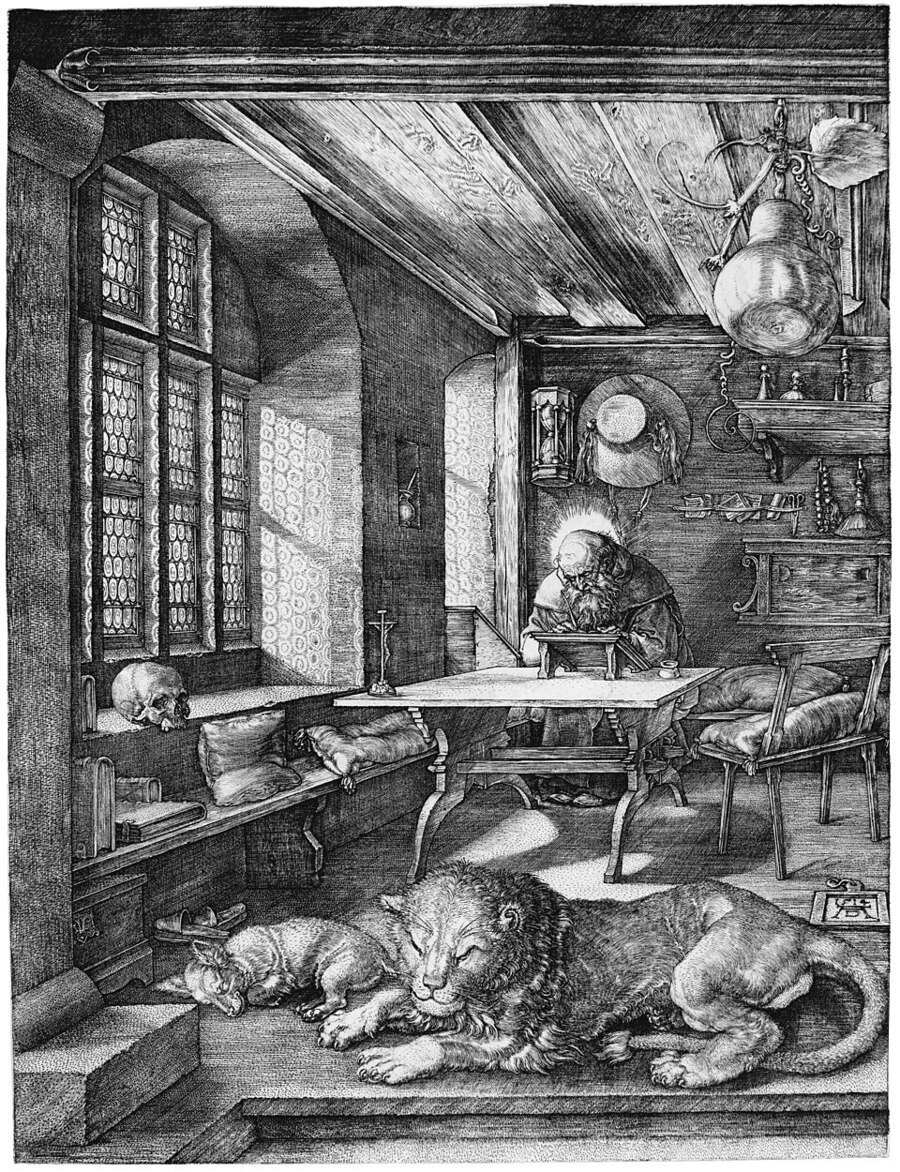
Albrecht Dürer — «Knight, Death, and the Devil» (1513). Copperplate engraving. Print edition Albrecht Dürer — «St. Jerome in His Cell» (1514). Engraving on copper. British Museum, London Albrecht Dürer — «Rhinoceros» (1515). Woodcut. Print edition
Printmaking disseminated not only works of art but also knowledge about the world around us. Images became portable carriers of information, shaping people’s understanding of objects, events, and phenomena that lay beyond their personal experience.
Phase 2. Lithography and Print Culture: When Art Becomes Mass Imagery
Конец XVIII–XIX век. Развитие тиражной печати и иллюстрированных изданий
Image distribution ceases to be merely an opportunity to reproduce individual artworks. It transforms into an entire printing industry.
Portrait of Johann Alois Zennfelder (1771–1834)
The invention of lithography in the late 18th century simplified the process of image reproduction. Unlike traditional engraving, the technique allowed for the transfer of a drawing onto the printing surface in a more natural way. Thanks to its relative ease of production and economy, lithography quickly became widespread in art, publishing, and advertising.
sddnx