The «Ekaterina» Culture Foundation opened the exhibition «The History of Black, ” which literally guides the viewer through the history of humanity using black as the central motif. In doing so, each historical era, from antiquity to the avant-garde, is explored through the work of contemporary artists.
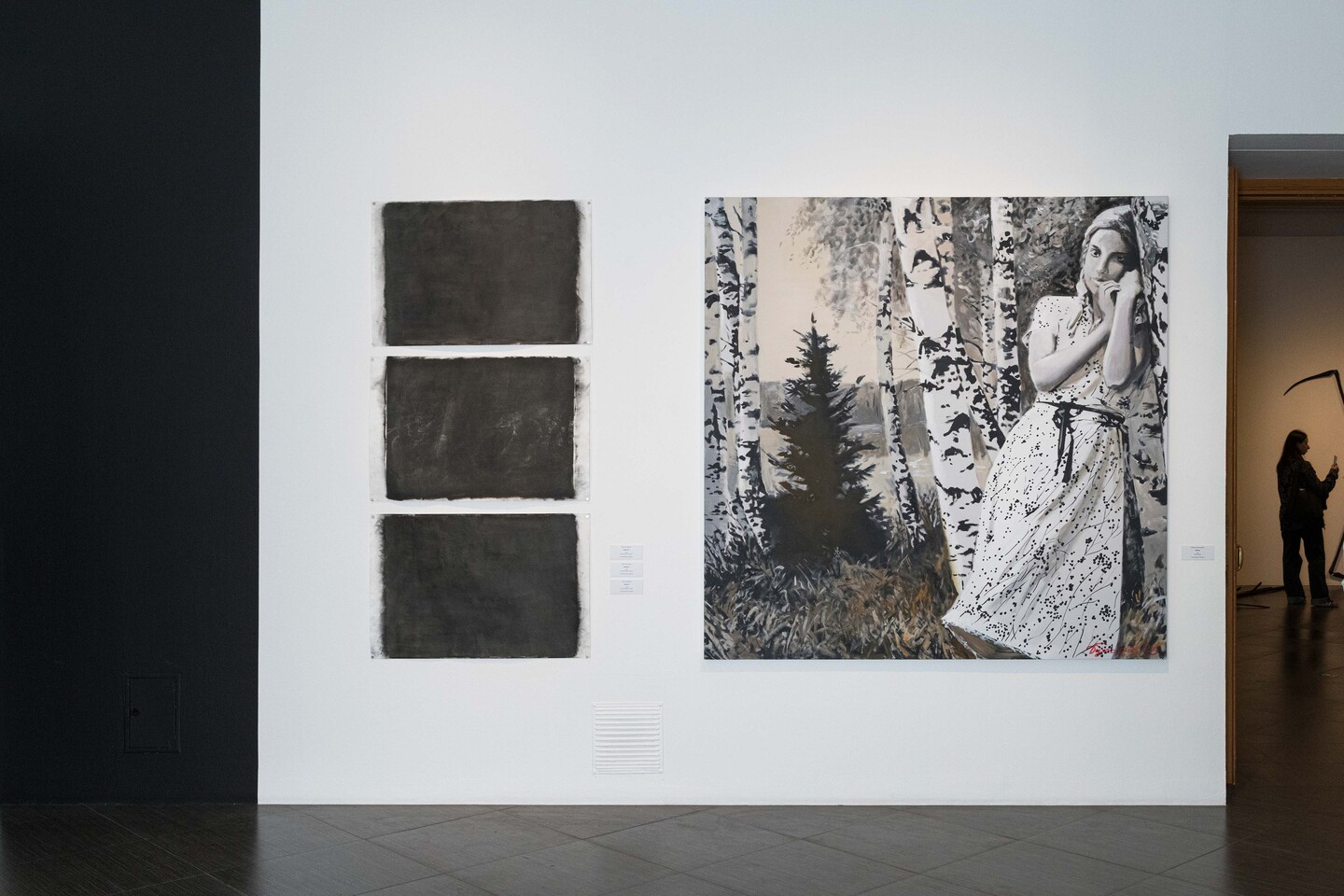
«History of Black Color» exhibition, Catherine Foundation, Moscow. 2026
It all begins at the start—literally. The first room evokes the chaos from which the world emerges. The exhibition then moves toward the archaic and the first pigments: here, black is not yet so much a symbol as a material that humankind is learning to extract and utilize. In the third room, it unexpectedly transforms into the color of fertility and life. And just as it seems the narrative is beginning to coalesce into a single thread, the Middle Ages and the Dark Ages immediately follow. Here, black becomes the color of Christian unknowing, sin, and the denial of existence, yet simultaneously, it arises within mystical practices and rituals.
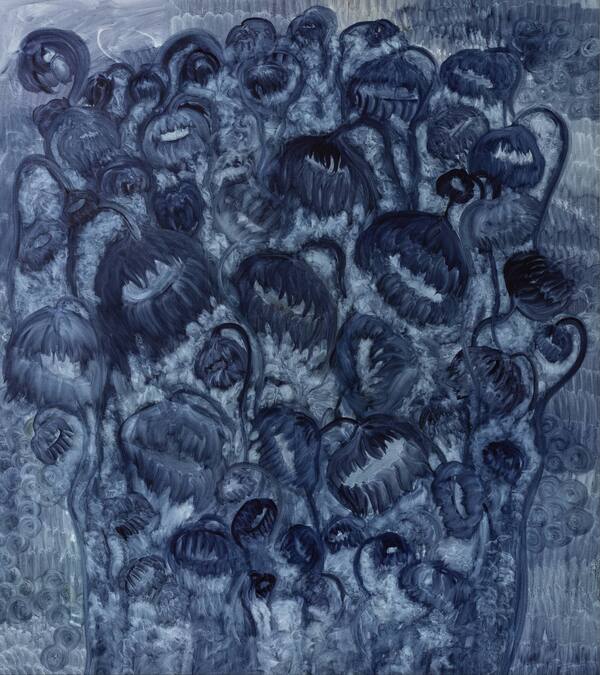
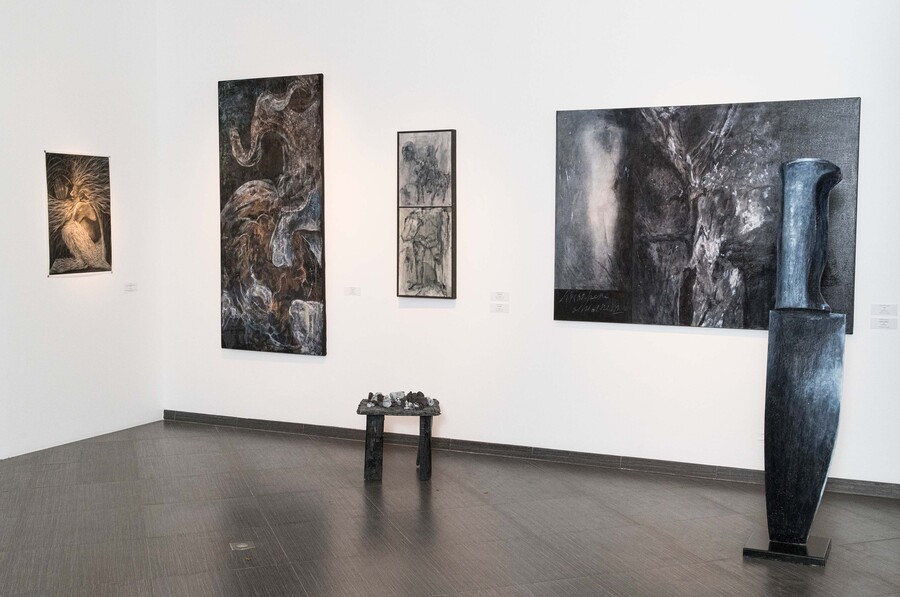
Ilya Fedotov-Fyodorov. «Nocturnal Shoots, ” 2026 | Exhibition view „History of Black Color“ at the „Ekaterina“ Foundation, Moscow. 2026
The intriguing turn comes next. The Age of Enlightenment—which Michel Pastore termed the «very dark ages”—begins, spanning the 17th and 18th centuries. While historically we refer to this period as the Enlightenment, behind the façade of Versailles remained religious intolerance, social violence, hardship, and a rigid moral code. Following this, black enters the haze of the Industrial Revolution, ultimately finding its place in the post-digital world—becoming the color of a blank screen, anxiety, nostalgia, and psychological states.
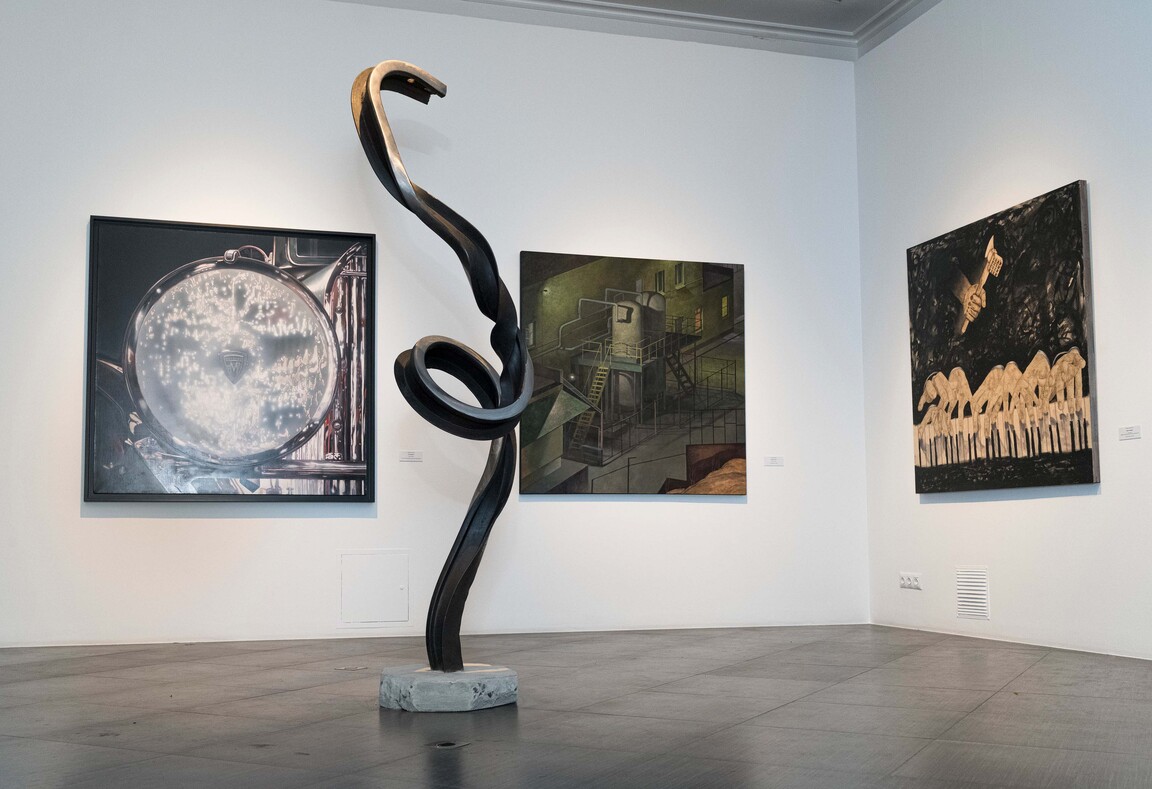
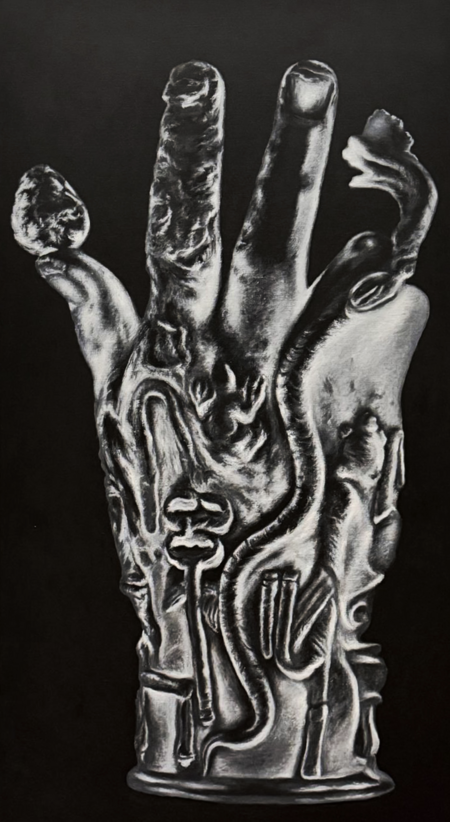
View of the «History of Black Color» exhibition at the Catherine Foundation, Moscow. 2026 | Alexey Bevza. «Sabaziya’s Hand,» 2025
One might think that a theme about the history of color in art could yield a truly remarkable historical exploration—one featuring mummies from the Pushkin Museum, icons from the Tretyakov Gallery, works by Caravaggio from the Hermitage, and domestic avant-garde artists. However, the exhibition rejects this approach and does not attempt to replicate Michel Pastoureau’s book, «Black: A History of Color, ” nor does it aim to construct its own history textbook. This raises a logical question: why attend the exhibition? If there is almost nothing from history, and besides black, there are other colors present.
Exhibition view: «The History of Black» at the Catherine Fund, Moscow. 2026
In this regard, the exhibition «The History of Black» presents a current snapshot of contemporary art—about half of the works were created specifically for the project. The other half features respected masters of Russian art, such as Erik Bulatov, Eduard Steinberg, Vladimir Nemukhin, and Olga Tobreluts. Therefore, the eight halls function not as a textbook, but as eight different conversations about a single color. Black constantly shifts its meaning here—and observing this transformation is the most fascinating element.
Andrey Filippov. «Limestone, ” 1987 (Exhibition of Ekaterina and Vladimir Semenikhin)