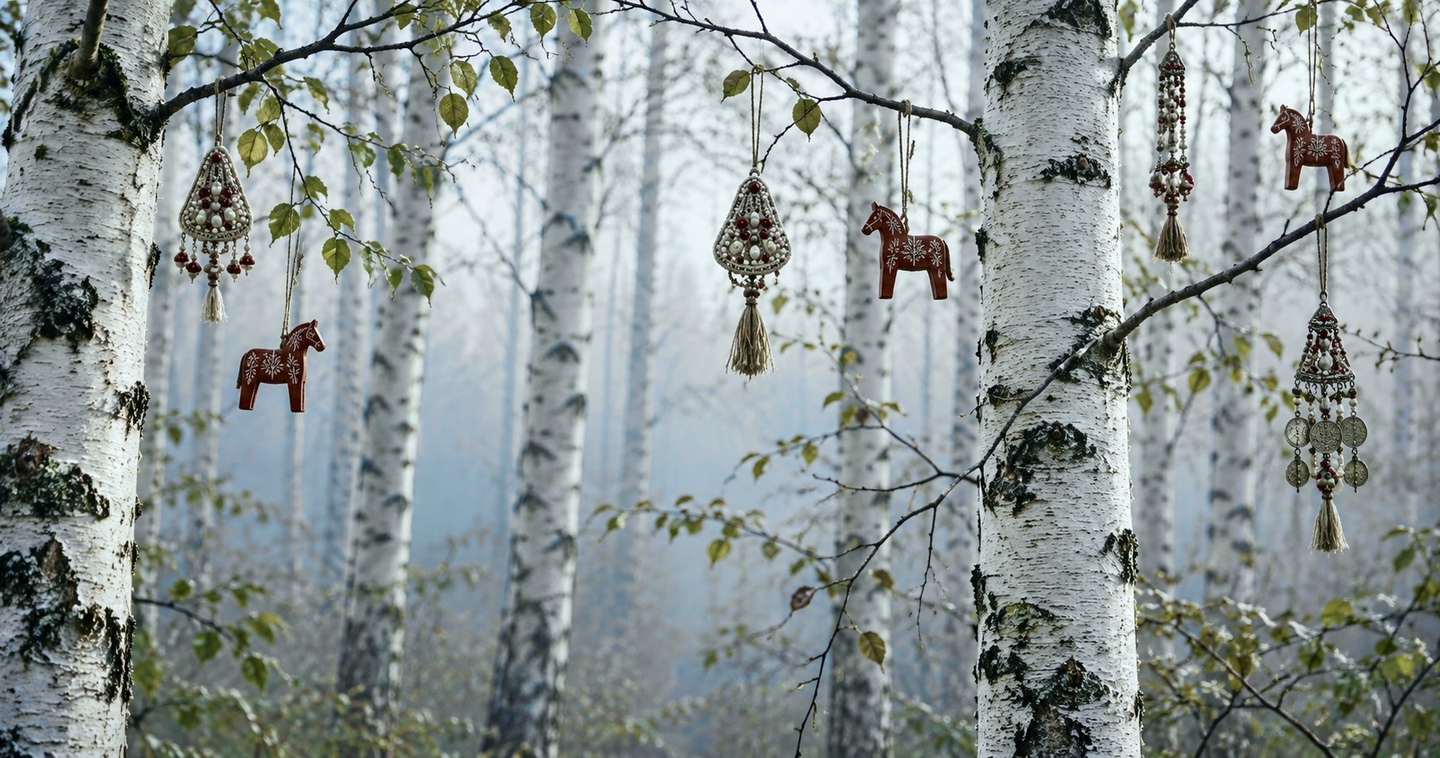
Media on contemporary design and the reinterpretation of the traditional Russian code.
Designers are increasingly turning to local culture. They work with traditional materials, forms, crafts, architecture, ornamentation, fairy-tale motifs, and everyday objects from the past. However, contemporary Russian design has long since moved beyond the matryoshka doll, Khokhloma, and other obvious symbols.
Project idea:
Our idea is to show how familiar cultural symbols take on new forms in contemporary design. For example, how the shape of a spinning wheel transforms into a mirror, how the motif of wooden architecture reappears in furniture, or how traditional weaving techniques are utilized in modern textiles.
What does the Russian cultural code look like today?
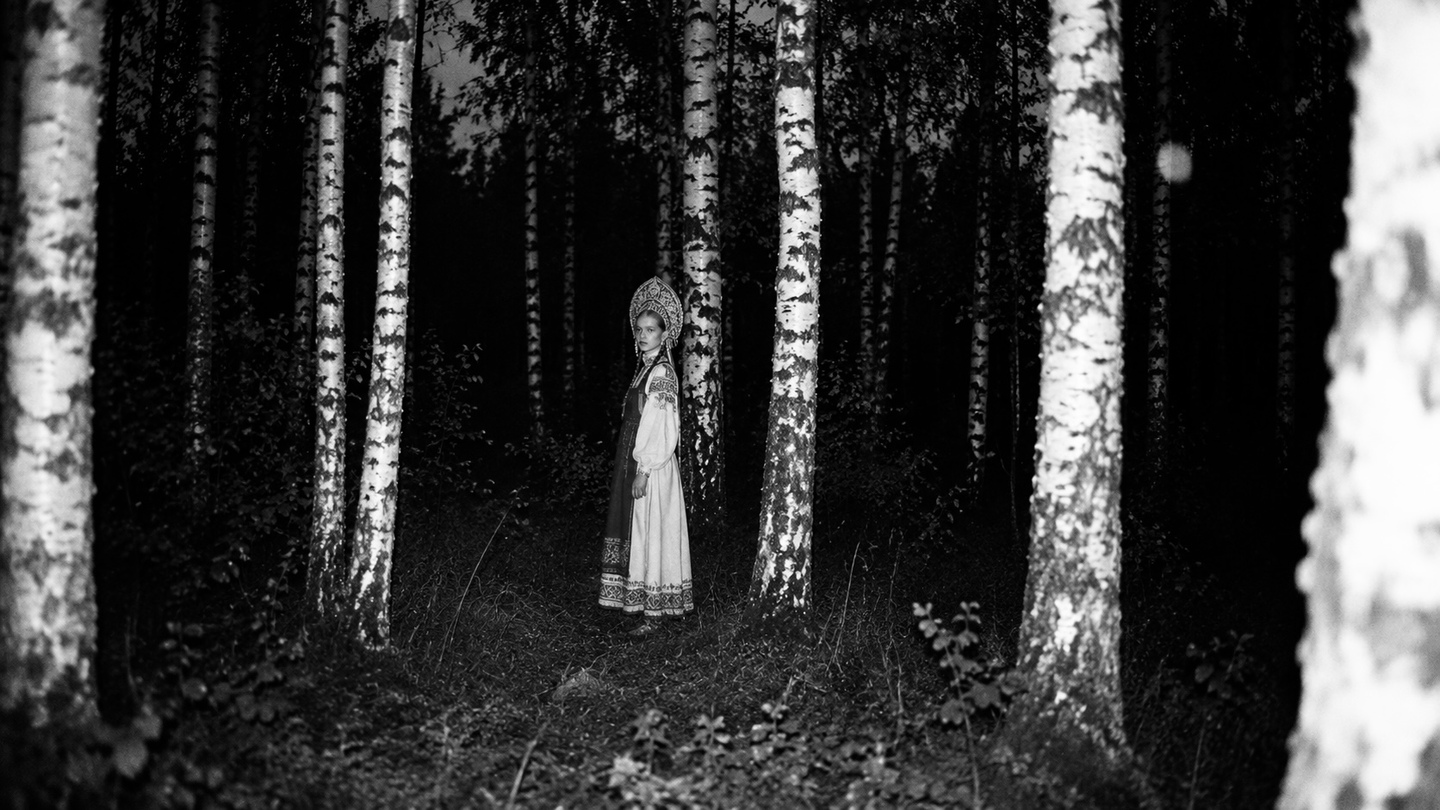
Project Goal:
Help the audience see contemporary Russian design in a new light—to understand the origins of its forms, materials, and imagery.Media must act as the bridge connecting traditional culture with modern object design.
Our Goals:
— To feature contemporary Russian designers and brands — To uncover subtle connections between new objects and cultural heritage — To explain the origins of forms, materials, patterns, and motifs — To showcase Russian style without the feeling of kitsch or literal imitation of the past — To centralize new projects, creators, and objects in one placeMedia Themes:
Segment: Design and Contemporary Culture.
Narrow Focus: Contemporary Russian object design that engages with traditional Russian cultural codes.
The focus will include: furniture, ceramics, textiles, tableware, decor, small home objects, local materials, and artisanal techniques.
Furthermore, the media will not only discuss the object itself:
The main objective for us is to find, identify the original source, and recontextualize it into a modern object.
For example: — Russian spinning wheel → form → contemporary mirror — Wooden architecture → structure → furniture — Folk embroidery → graphic principle → textile — Gzhel → technique and color → modern ceramics
Content Formats:
To prevent the media from becoming just a feed of beautiful objects, it will feature several recurring formats.
Code
We analyze one element of traditional culture and examine how it exists in contemporary design. For example: window casings, spinning wheels, birch bark, ceramic tiles, lace, and woodblock prints.Object
One contemporary object and the history of its creation. What served as a reference, where the form originated, and why the designer chose that particular material.Past / Present
We display the historical object alongside its modern interpretation.Author
Short interviews with designers, artists, and craftspeople.Map
Design from various regions of Russia: local schools, materials, crafts, and workshops.Collections
For example: — 5 contemporary objects inspired by the Russian North — 7 designers who work with wood — The new life of Gzhel pottery — Modern objects inspired by the traditional Russian log houseCompetitors
When researching competitors, we didn’t just look at media covering the exact same topics. For this project, anyone capturing the attention of audiences interested in Russian design, local brands, culture, and contemporary interpretations of tradition is relevant.
Key Criteria:
- How closely related is the topic?
- Which audience does the project target?
- What platforms does it use?
- What content formats does it create?
- How strong is the visual aspect?
- What language does it use to communicate with the audience?
- How regularly is content published?
Direct competitors:
Tryntrava. Contemporary Russian Style
This is an annual exhibition that has been seeking out a contemporary Russian style through interior design objects and applied arts since 2018. This is the ninth exhibition of the project in 2026. The organizers emphasize the quest for a Russian cultural code through modern objects. (tryntrava.com)
What aligns with us: Contemporary design, Russian cultural code, objects, working with tradition.
Strengths: — Extensive expertise in the subject matter. — Strong professional community. — Collaboration with real authors and objects. — The exhibition format allows viewers to see the design in person.
Areas for improvement: — The project is primarily structured around exhibitions and events. — There is no sense of a daily media platform that users regularly visit for brief updates.
What we adopt: Expertise, collaboration with creators, and an understanding of the cultural context.
How we differ: We operate as a constant media presence, not just an annual event.
Manner & Matter
The publication discusses Russian designers, brands, objects, and materials. It already features separate content covering the cultural code and objects with a «Russian soul.» (manner-matter.ru)
What aligns with us: — object design. — Russian creators. — engagement with cultural context. — strong visual component. — core strengths. — professional expertise. — a large roster of featured creators and brands. — high-quality object photography. — integration between media and marketplace.
Areas for improvement: The cultural code is only one topic for the magazine; the majority of the content is dedicated to object design in general.
What we adopt: High-quality visual presentation and the format of short articles focused on a single object.
How we differ: For us, the cultural code isn’t a separate section—it is the foundation of the entire medium.
Design Mate
Design Mate writes about architecture, interiors, brands, objects, exhibitions, and designers. The project describes itself as media covering design in all its forms. The publication regularly addresses the topic of contemporary Russian style. For example, it curates selections of objects from the «Tryn*Trava» exhibition.
What aligns with us: — a design-focused audience. — Russian object designers. — exhibitions, new projects, and brands.
Strengths: — a large volume of content. — a strong professional audience. — good ties to the design industry.
Areas for improvement: — overly broad subject matter. Articles on cultural code quickly get lost among architecture, interiors, news, and other topics.
How we differ: We take one specific theme and explore it in greater depth.
Indirect Competitors:
Watch Russia
Media covering modern Russia—its culture, people, places, and new projects. In 2025, the project relaunched with a focus on contemporary Russia and both material and intangible culture. The «Design» section regularly features articles on Russian product design and modern cultural interpretations.
Why it competes: It targets the same audience interested in modern Russian culture. The key difference is that design is only one topic within the project.
Designers From Russia
A digital publication dedicated to Russian designers. It features local authors, brands, and creative industries. The articles include projects that engage with family memory, craftsmanship, and local culture.
Why it competes: It helps the audience discover Russian designers and brands. The main difference is that the project focuses much more heavily on fashion and people than on product design and cultural code.
INMYROOM
A major media outlet focused on interior design and home life. The theme of a new Russian style is beginning to appear in its articles. For example, the publication separately discusses contemporary interiors that carry a cultural code without literally mimicking a traditional Russian hut.
Why it competes: It reaches a large audience interested in objects and interiors. The key difference is that its media is more applied in nature: renovations, interior design, and home organization.
Potential competitors:
Created and Developed in Russia
The project is part of the All-Russian Museum of Decorative Arts. It is the largest Russian design object competition-biennial. The fifth edition will take place in 2026. The project focuses on discovering and promoting Russian designers, hosting exhibitions, lectures, workshops, and discussions. (All-Russian Museum of Art)Why it is a potential competitor: The project already maintains a large database of designers, experts, a museum archive, and educational content. If a consistent media presence develops around this database, it could occupy a niche very close to ours.
Lokaly
This is a space and shop that curates objects from Russian home brands. The project itself states its goal is to cultivate a culture of consumption and object design.Why it is a potential competitor: «Lokaly» already features many Russian brands and has the capacity to create editorial content around them. Currently, the project is primarily retail-focused, but it could easily evolve into a full-fledged media platform dedicated to local design.
Codes of Russian Style
This is an educational project by Elina Tuktamisheva, founder of «Tryntrava.» The school focuses on studying Russian culture, traditions, architecture, folk art, and their contemporary interpretations. (tryntrava.com)Why it is a potential competitor: The project already possesses deep expertise specifically in the topic of the Russian cultural code. Currently, it operates in an educational format, but if it becomes a regular, open media outlet, its subject matter will be very close to ours.
Findings from competitor analysis:
After analysis, it became clear that there is already an interest in contemporary Russian design. There are large design media outlets and exhibitions focused on Russian style; there are stores featuring Russian object brands and educational projects about cultural codes. However, this information exists in silos. To learn the history of a specific object, the user has to independently search for the designer, then the source of inspiration, and then information about the craft or the concept.
Therefore, our project can fill the space between design media and cultural media.
What to take from competitors: — Strong visuals and object photography — Collaboration with actual designers — Short-form content alongside extensive features — Curated selections that users want to save — Expertise without overly academic jargon
What to avoid: — Discussing «all design» too broadly — Feeling like a museum catalog — Complex art historical language — Superficial folklorism — Endless collections of beautiful objects without explaining their significance
Distribution Channel
Telegram
This will allow us to keep the media regular without immediately transforming it into a large, complex journal.One channel can combine: — short posts — photographs of objects — archival images — small research pieces — interviews — collections — videos — polls — links to brands and creatorsThe main advantage of Telegram for our idea is that a user can encounter a new object directly in their feed, creating a truly unified community with a shared chat for discussion.Website
Over time, the materials from Telegram can be consolidated on a dedicated website. However, the site will not simply be a copy of the feed, but rather an archive of Russian design history presented in modern design. This will result in a constantly growing database of contemporary Russian design.For example, objects can be searchable by categories: — material — region — craft — cultural motif — creator — object typeTarget Audience:
The project serves both a B2C and a B2B audience simultaneously.
The primary B2C audience consists of people who consume media, are interested in design, and discover new brands.
The second segment is professional: designers, architects, stylists, art directors, brands, and the creators of the pieces themselves.
We have identified four main segments.