INDEX
- Concept
- Lips as a Symbol of Beauty and Sensuality in Early 20th Century Art
- From Portrait to Object: The Image of Lips in Surrealism
- Lips as a Symbol of Mass Consumption: The Aesthetics of Pop Art
- Red Lips in Advertising and Visual Culture
- The Transformation of the Lip Image in Contemporary Art: From Object of Desire to Self-Expression
- Conclusion
- Bibliography
- Image Sources
1. CONCEPT
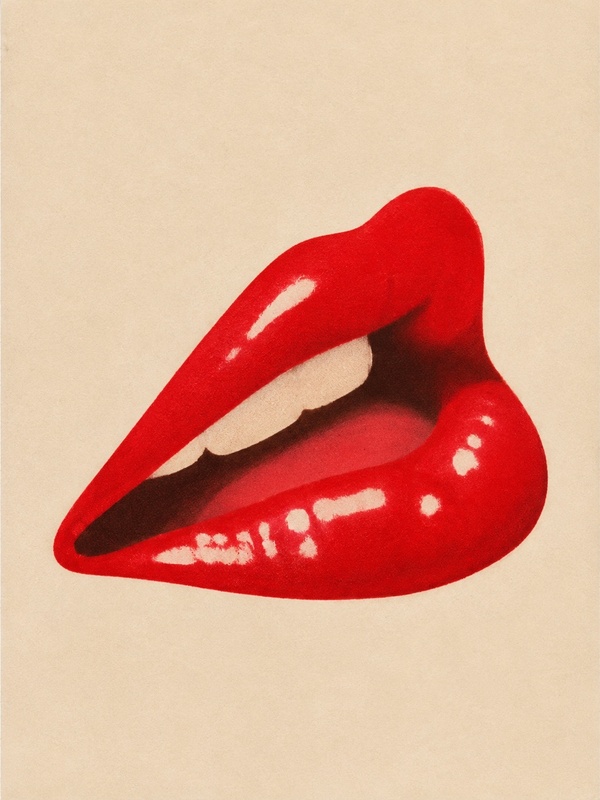
Lips are one of the most expressive features of the human face. Visual culture assigns them various meanings: they can symbolize sensuality, attractiveness, desire, speech, silence, and individuality. This image becomes particularly pronounced in the twentieth century, as the development of mass culture, advertising, cinema, and new artistic movements altered perceptions of appearance and the body.
I became interested in how a single part of the face gradually transforms into an independent visual symbol. In art, lips detach from the human face, acquire new functions, and begin to exist as an object, a sign, or a commercial image. The color red intensifies this expressiveness—it is associated with love, passion, danger, power, and consumption.
The research includes works by 20th and 21st-century artists where lips or the image of female appearance play a significant semantic and compositional role. The core materials comprise painting, graphics, sculpture, photography, and objects. Advertising imagery and visual materials from popular culture that have influenced the formation of the red lip aesthetic are examined separately. Cinema is used only as historical context, not as a standalone subject.
The material is organized both chronologically and thematically. It begins by examining the symbolic meaning of lips and their transformation into an independent artistic object in the first half of the 20th century. This is followed by an exploration of Pop Art, where lips and cosmetics become part of the visual language of consumption. Subsequent sections focus on advertising, gender stereotypes, and the contemporary reinterpretation of the body and beauty.
Sources include museum collection catalogs and descriptions, materials from art institutions, artists' archives, and research on art history and visual culture. When analyzing artworks, consideration is given to the author’s concept, artistic context, composition, color, scale, material, and method of depicting the body. Advertising materials are examined from the perspective of their visual techniques and cultural impact.
How has the significance of the lip image evolved in 20th and 21st-century art, and why has it become one of mass culture’s recognizable symbols?
The research hypothesis posits that the lip image has gradually moved beyond the confines of the human face. It has transformed from a symbol of beauty and sensuality into an independent artistic object, a commercial signifier, and a means of expressing personal and social stances. While red lips have retained their emotional expressiveness, their meaning has become dependent on the artistic and cultural context.
Lips as a symbol of beauty and sensuality in 20th-century culture
In the first half of the 20th century, the perception of female beauty changed rapidly. The development of photography, the fashion industry, and cinema contributed to the formation of new visual ideals. Prominently emphasized lips became one recognizable element of the feminine image: they symbolized attractiveness, sensuality, and confidence. In the art of this period, the human face increasingly served not just as a portrait of a specific individual but as a means of creating a highly expressive image. Artists turned to convention, stylization, and the exaggeration of physical features.
Tamara de Lempicka — «Self-Portrait in a Green Bugatti» (1929)
In the self-portrait, De Lampiczka creates the image of a modern, independent, and confident woman. Sharp makeup, expressive lips, and a cool gaze become part of a carefully constructed visual identity. Here, beauty is connected not only to attractiveness but also to autonomy and control over one’s own appearance.
2.1. Context: The image of women in mass culture during the 1920s–1930s
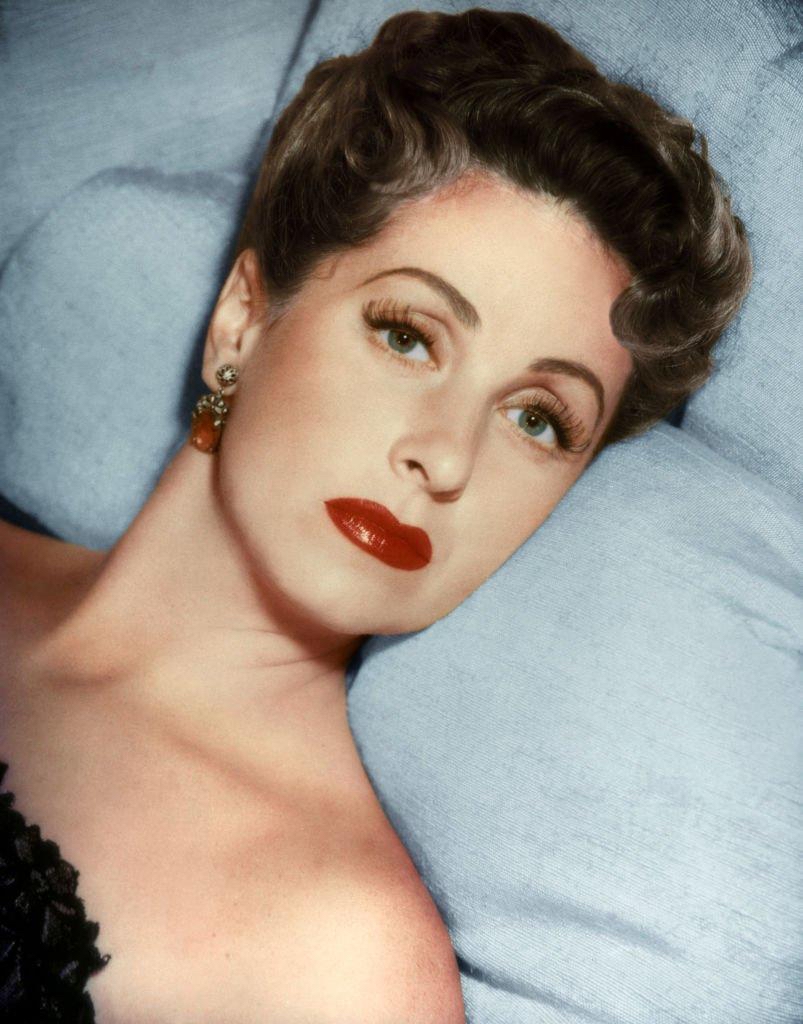
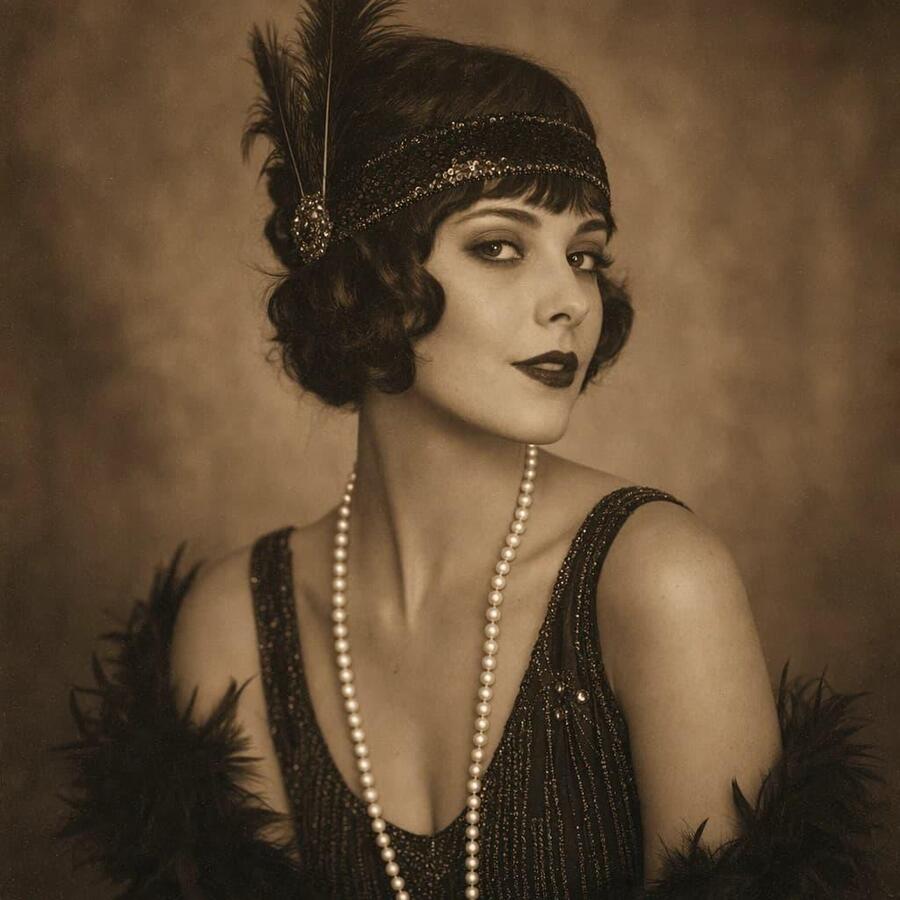

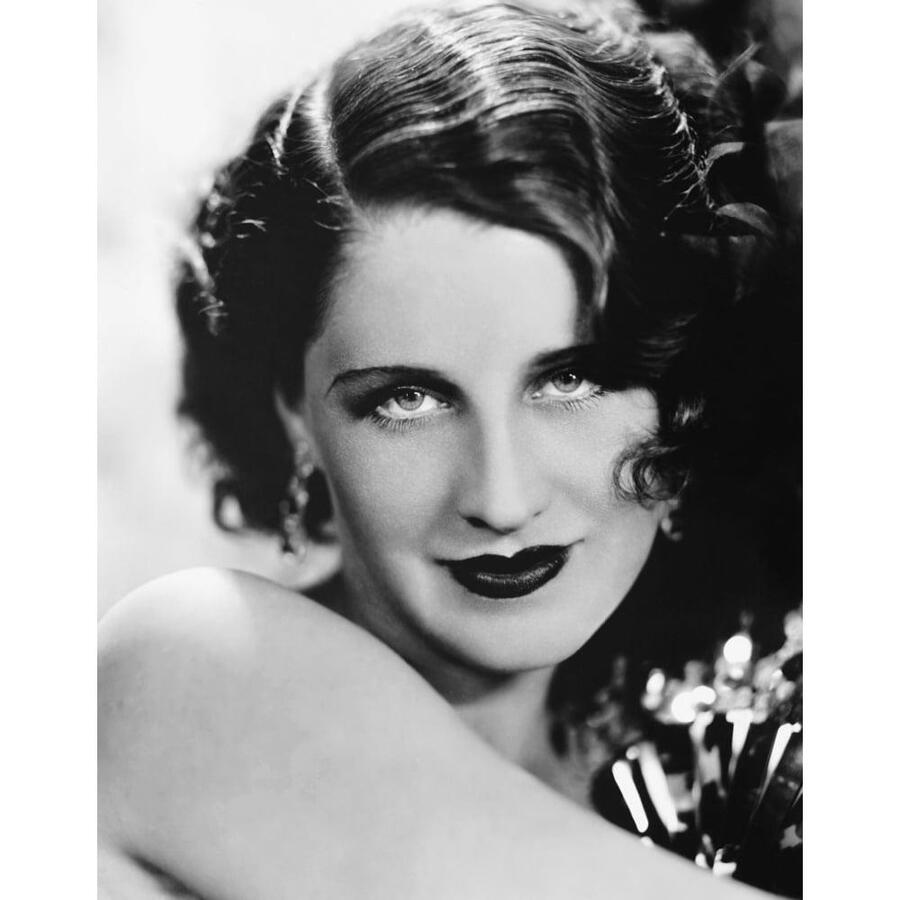
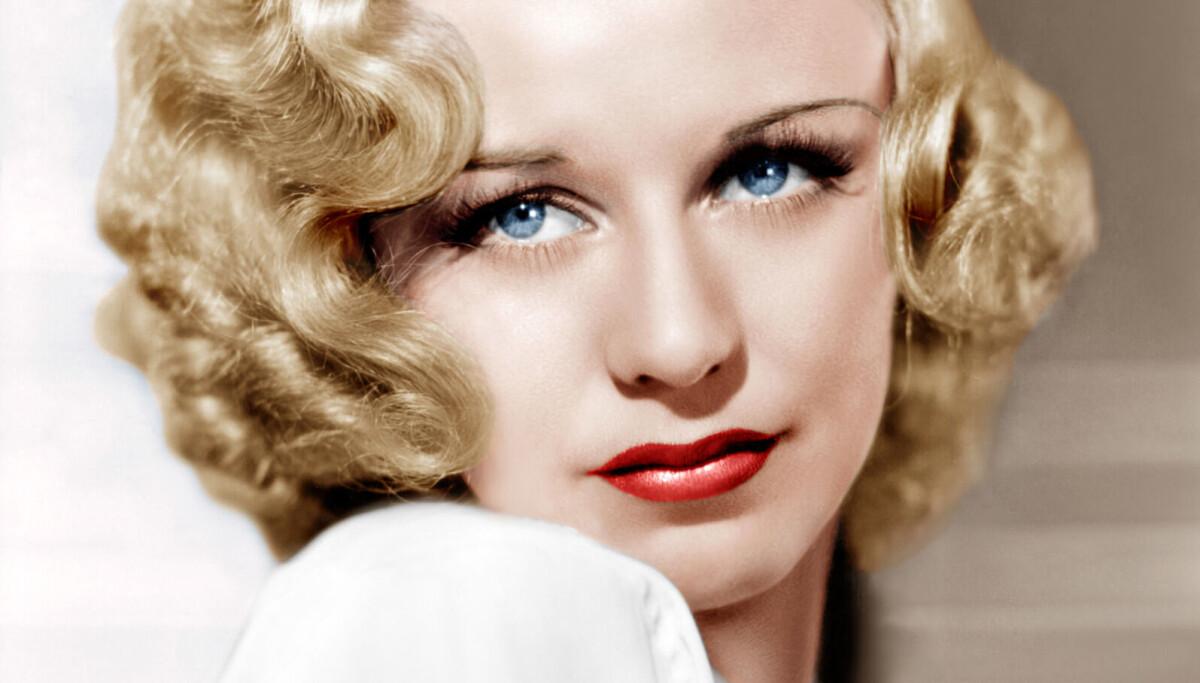
The proliferation of cosmetics and photography made makeup an integral part of the mass visual language. Red lipstick became a noticeable sign of modernity and female independence. The advertising and photographic images of this era help us understand the cultural backdrop upon which artists began to treat the lips as a distinct, expressive element. These images constitute historical context, not works of fine art.
From the Face to the Object: The Image of the Lips in Surrealism
Lips as a Symbol of Mass Consumption: Pop Art Aesthetics
Red Lips in Advertising and Visual Culture
The Transformation of the Lips in Modern Art: From Object of Desire to Self-Expression
Conclusion
Bibliography
Image Sources
«Mae West Lips Sofa» Artists: Salvador Dalí and Edward James (with the involvement of Green & Abbott) Year of Creation: 1937 (based on Dalí's 1934–1935 painting)