Introduction
In games, player influence is often shown through dialogue, cutscenes, end credits, or text messages. These convey the consequences of choices and actions, but they don’t always alter the space the player is exploring. If the environment remains static, what happened can feel like a narrative element rather than a true change to the world itself, which significantly breaks the player’s immersion.
The impact is stronger when a familiar location transforms. Streets become deserted, inhabitants vanish, bodies and new threats appear, or, conversely, the space is cleansed and filled with vegetation, light, and new structures. The environment begins to hold the marks of what the player has done.
These changes make the player’s impact tangible. They might depend on the overall playstyle, a single decision, a completed quest, or gradual narrative progression. The player not only sees a completed quest, but also how their actions have shifted the state of the world.
The World as a Reflection of Player Choice
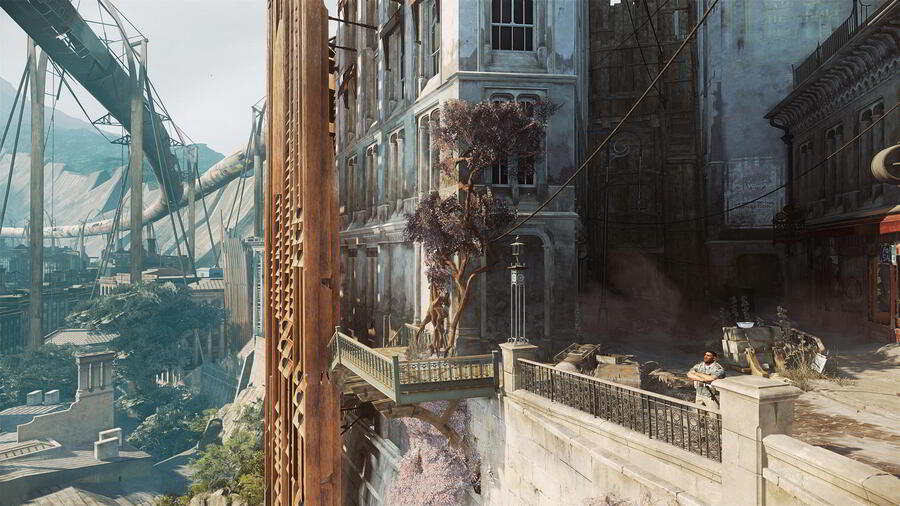
City — Dishonored 2 (Developer — Arkane Studios, 2016)
The environment can reflect not only external events but also the moral implications of the player’s actions. In such games, the world responds not to a single, specific quest, but to the overall playstyle. If the player frequently chooses aggression, violence, and cruelty, the surrounding space becomes more dangerous and oppressive. If they act with more compassion, the world becomes more vibrant. This works much better than direct feedback. The game does not have to tell the player that they acted poorly or well; simply changing the world around them is sufficient.
Dishonored 1–2
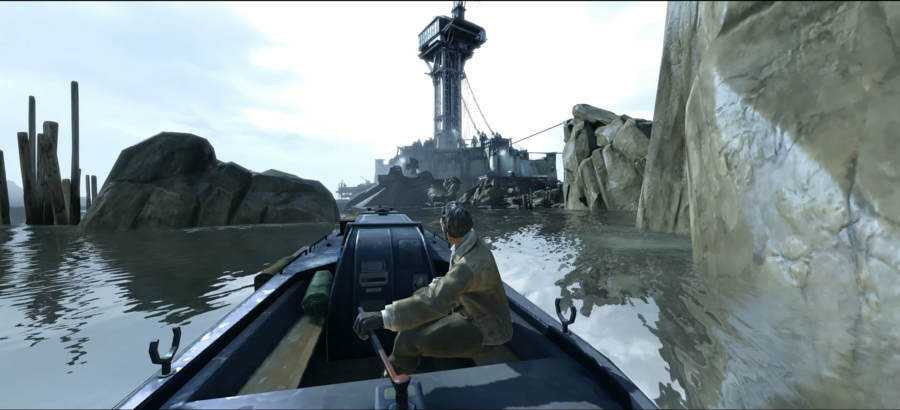
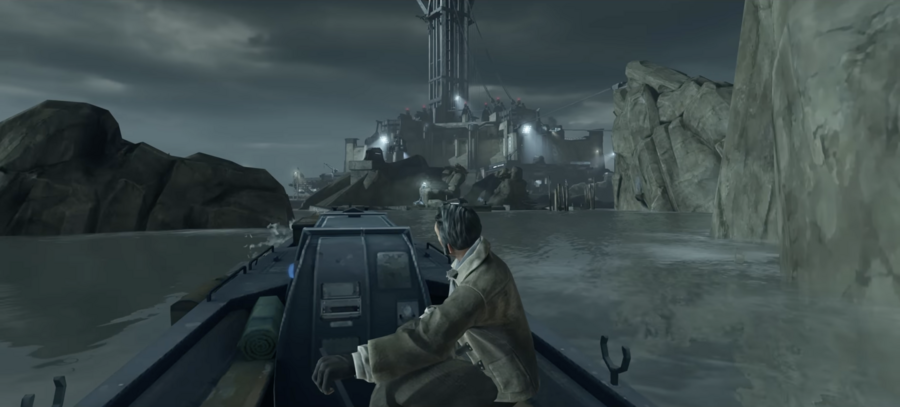
Guiding Beacon — Dishonored 1 — High Chaos 2 — Low Chaos (Developer — Arkane Studios, 2012)
In Dishonored and Dishonored 2, the player’s actions influence the Chaos level. The more people who die, the darker the subsequent events and character fates become.
In the first game, high Chaos is particularly noticeable in Dunwall. More rats, infected wailers, corpses, and guard patrols appear in the streets. With low Chaos, the city remains moderately dangerous, but the epidemic and guard patrols do not intensify as significantly.
In the second game, the bodies of the deceased can attract skutter, leading to more infected bodies and dangerous swarms in Karnaca. High Chaos also increases the number of powerful enemies on levels and leads the city toward a darker outcome—for example, witches kill citizens.
Stilton Manor and its destiny — Dishonored 2 (Developer — Arkane Studios, 2016)
In Dishonored 2, the player’s choices are particularly evident at Aramis Stilton’s mansion. If you choose not to interfere or outright kill Stilton in the past, the building remains abandoned and ruined in the present. However, if you subdue Stilton before the ritual, he does not lose his mind, and the mansion in the present is restored and inhabited. Later, Stilton will even help the player complete the next quest. One action in the past completely changes the state of the location.
Undertale
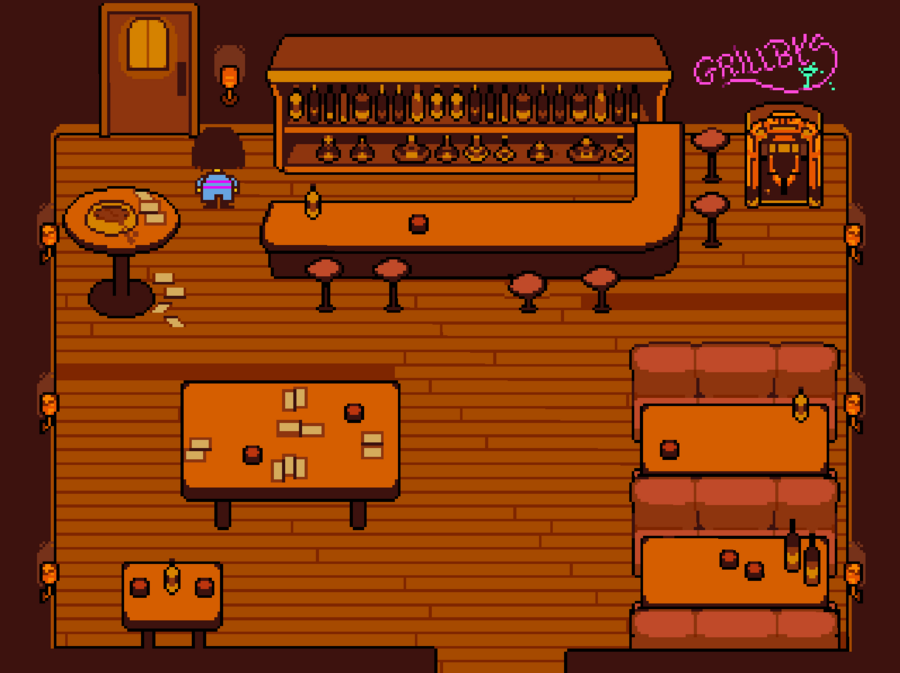
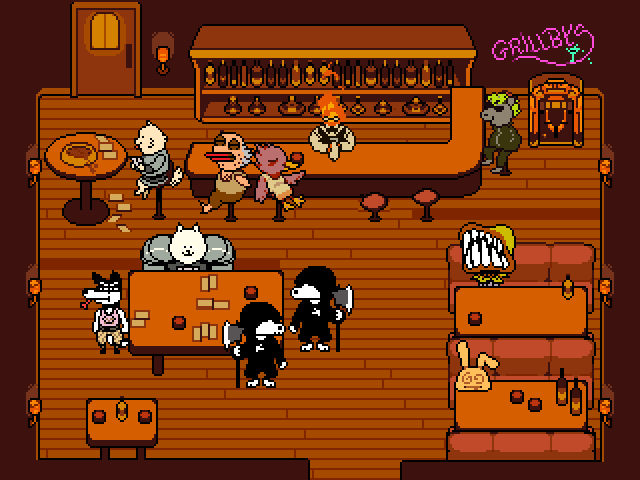
Bar Grillby — Undertale 1 — Pacifist Route 2 — Genocide Route (Developer — Toby Fox, 2015)
In Undertale, the player can either kill the monsters they encounter or find a way to spare them. This choice affects not only the final outcome but also the very nature of the Underground world.
On the Pacifist route, locations remain populated. The player meets characters, hears their jokes, and observes the everyday life of various Underground areas, forming many friends in the process. On the Genocide route, NPCs disappear, random encounters cease, and familiar spaces become empty and quiet.
The consequences of violence are not shown through destroyed buildings, but through the absence of life. Empty corridors, closed shops, and the message «But no one came» communicate that the player himself has deprived the world of its inhabitants.
Vampire
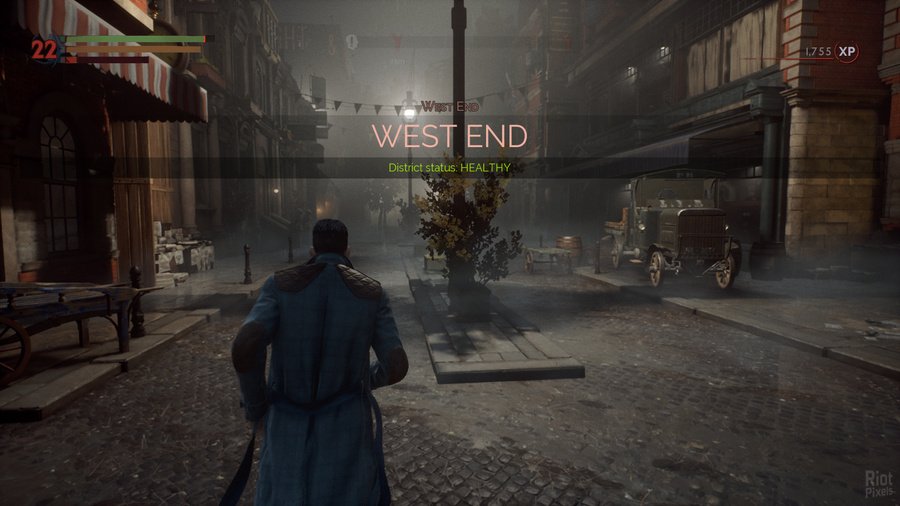
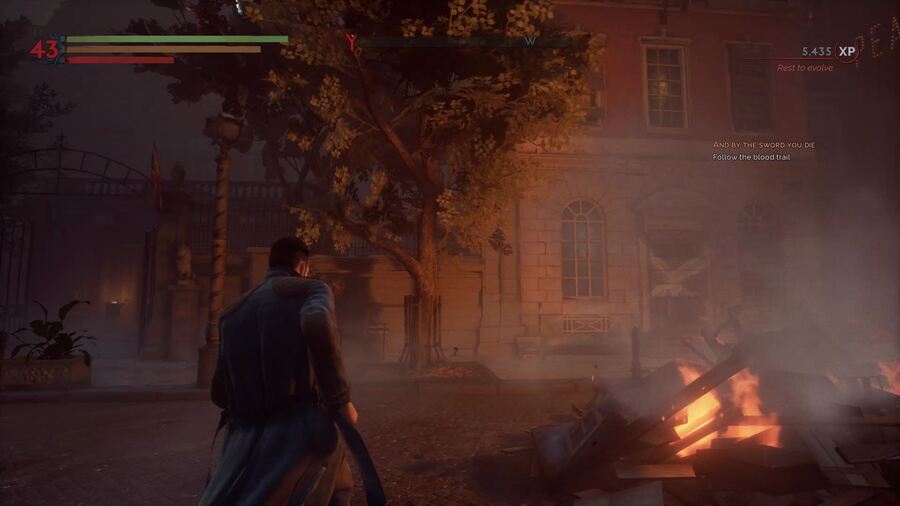
London — Vampyr 1 — Hostile District 2 — Healthy/Safe District (Developer — DONTNOD Entertainment, 2018)
In Vampyr, the player finds themselves in London during an epidemic. The protagonist is both a doctor and a vampire, presenting him with a constant ethical choice. He can either heal the inhabitants and keep districts stable, or he can drink the citizens' blood for power and rapid development.
If the player helps the residents and treats their illnesses, the district remains stable; characters continue to live there, merchants operate, and available quests persist.
If residents die, remain unattended, or become victims of the protagonist, the district begins to decline. Friendly characters vanish, and the streets become more dangerous, filling up with hostile creatures.
Local Consequences of Choice
Casino — Deathloop (Developer — Arkane Lyon, 2021)
In previous examples, the state of the world changed gradually and was dependent on the entire playthrough. Here, the consequences are organized differently. The player makes a decision within a specific quest or location, and only that particular spot changes, without affecting the rest of the world.
This approach allows for the weight of a choice to be displayed locally. One village, camp, or district might become deserted, fall under the control of another faction, or change visually, while the other parts of the game remain the same.
The Witcher 3
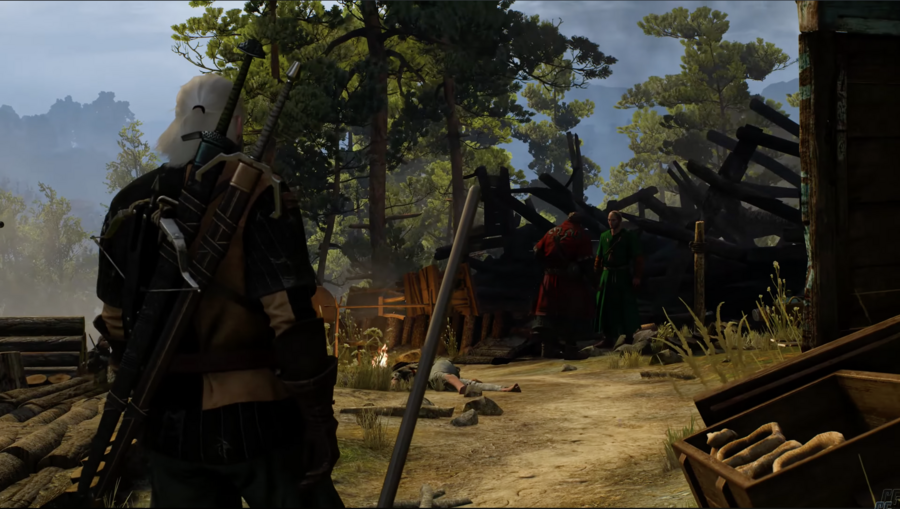
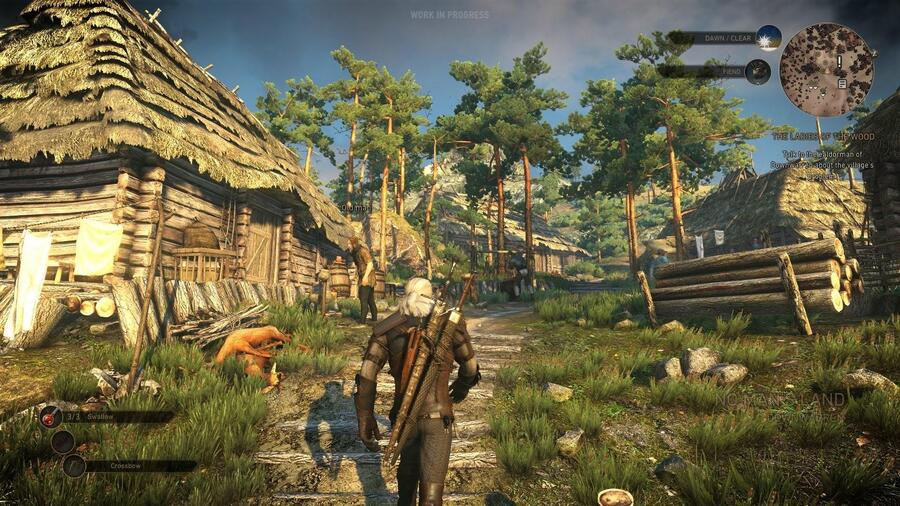
Downwarren Village — The Witcher 3 1 — Kill the spirit 2 — Free the spirit (Developer — CD Projekt RED, 2015)
In the quest «Whispering Hill, ” Geralt finds a spirit trapped beneath an ancient tree near the village of Downwarren. The player can destroy it or set it free.
If the spirit dies, the village remains intact, but the children from the Crooked Marshes stay with the Forest Ladies. If you free the spirit, it saves the children but later destroys Downwarren. Upon returning, the player sees ransacked homes, dead inhabitants, and signs of an attack.
This choice only affects a specific location and does not impact the rest of the world.
Baldur’s Gate 3
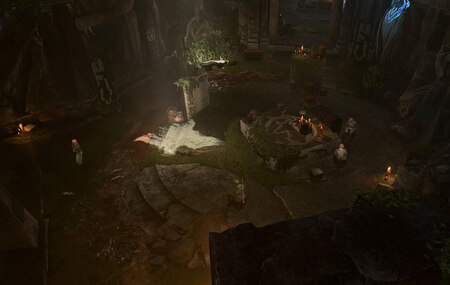
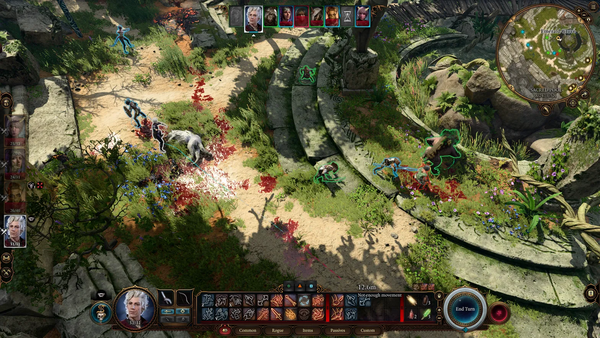
Emerald Grove — Baldur’s Gate 3 (Developer: Larian Studios, 2023)
In Baldur’s Gate 3, a player’s choice can alter the destiny of an entire location. In the Druid Grove, you can protect the Tieflings and help them survive an attack, or support Minthara and participate in the Grove’s capture.
If the Grove is saved, it remains a populated sanctuary where characters and a sense of safety are preserved, and new quests become available.
After the attack, the location becomes desolate, littered with the bodies of Tieflings and Druids, and the place that once served as a shelter becomes a scene of massacre.
The consequence is registered through the location itself. The player witnesses not only a change in the plot but also how their decision either destroyed or preserved life in that specific spot.
Fallout 3
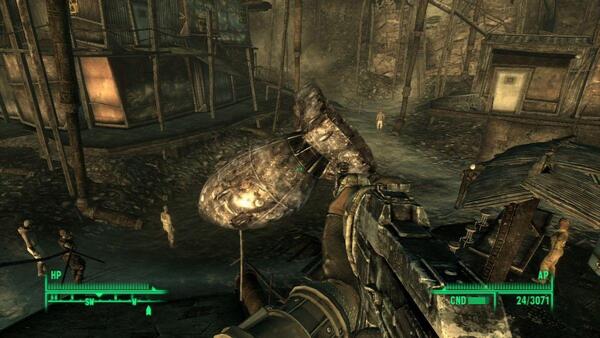
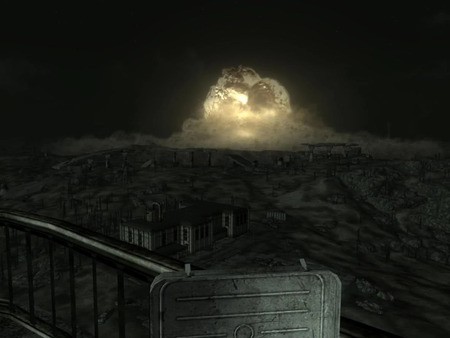
Megaton — Fallout 3 (Developer — Bethesda Softworks, 2008)
In Fallout 3, the player can determine the fate of Megaton, one of the first large settlements in the game. The city is built around an unfused atomic bomb and serves as a safe haven populated by residents, traders, quests, and a place for the player.
The player can disarm the bomb to save the city or plant a charge on it at Mr. Burke’s request. If the explosion is chosen, the player witnesses the destruction of Megaton from a tower. Afterward, the settlement turns into radioactive ruins, and most of its inhabitants perish.
This choice permanently alters the world map. The player loses an entire location—with all its characters, services, and quests.
The player’s creative influence on the world
LittleBigPlanet 3 (Developer — Sumo Digital, 2014)