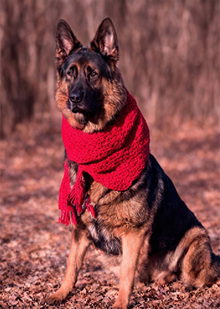
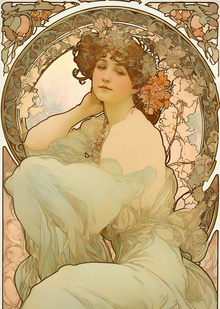
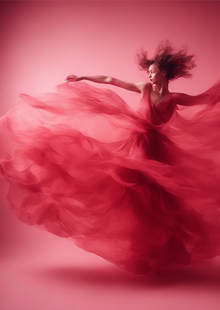
The project allows the viewer to become a co-creator alongside the designer, who reimagines classic accessory shapes through the lens of delicate, lacy textures. The generated images invite the user into a space of stylistic experimentation, achieving the same level of creative control that artificial intelligence exerts over traditional forms. Thus, a new trend is born—lace bags—where the elegance of classic design meets the boldness of experimentation, and technology becomes the tool for crafting the fashionable artifacts of the future.
Project Concept
Creating a hybrid visual universe where lace textures and unconventional handbag silhouettes merge into a unified design system. Investigating the possibility of symbiosis between filigree structures and constructive forms through generative technologies.
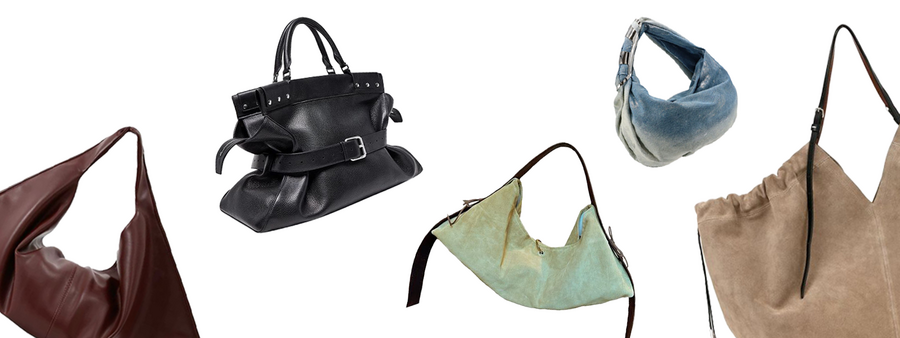
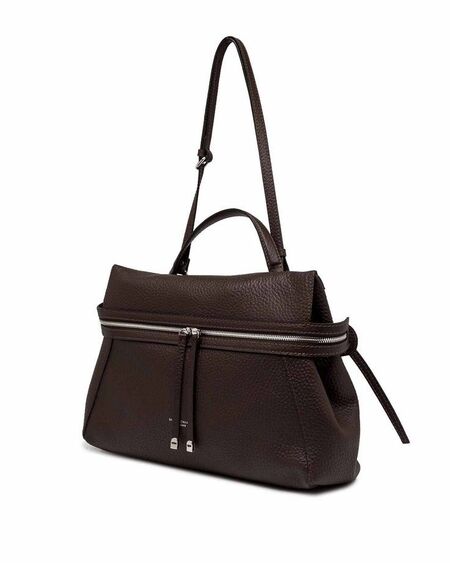
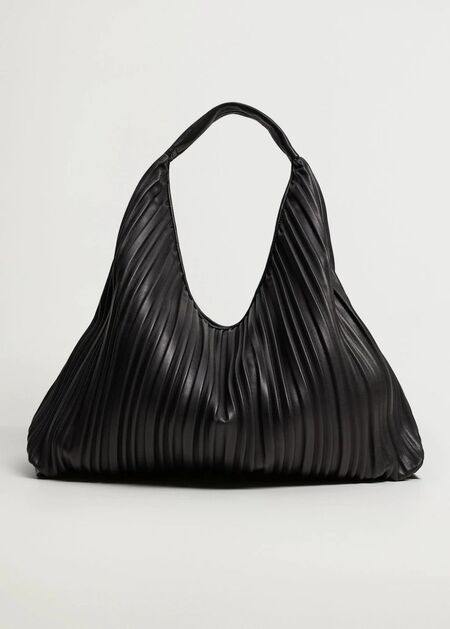
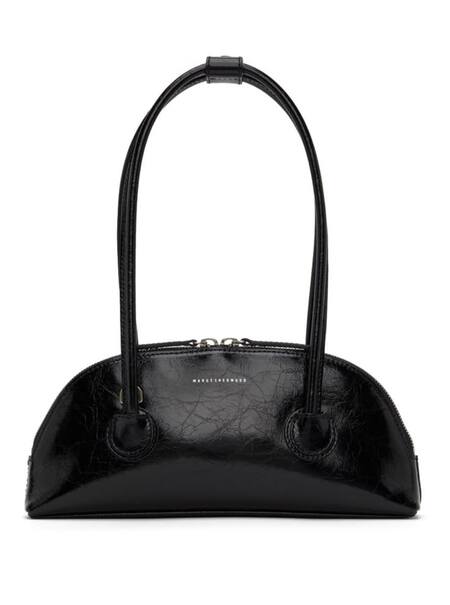
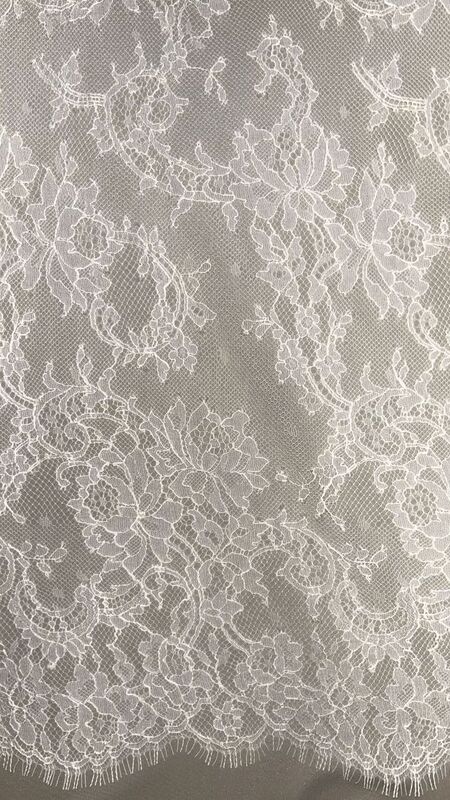
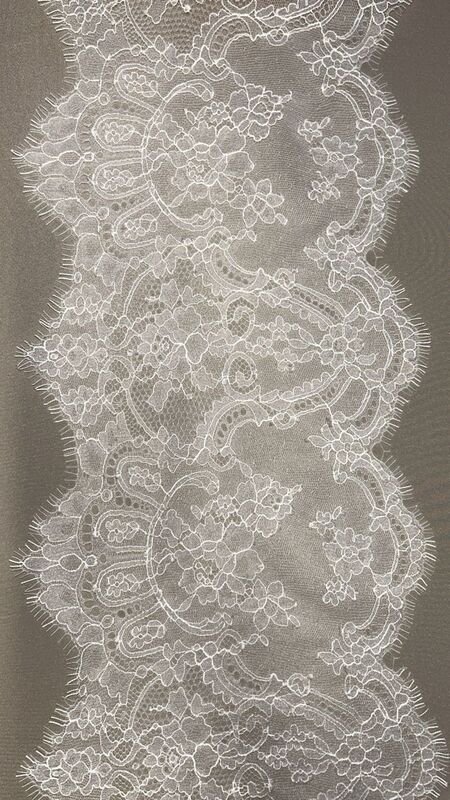
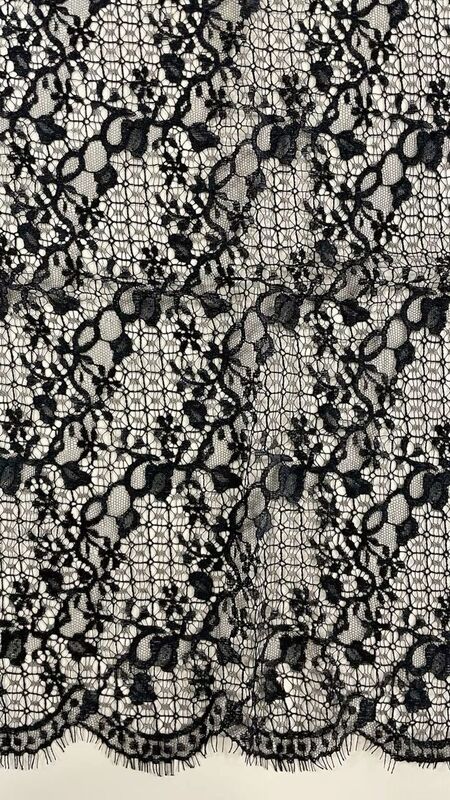
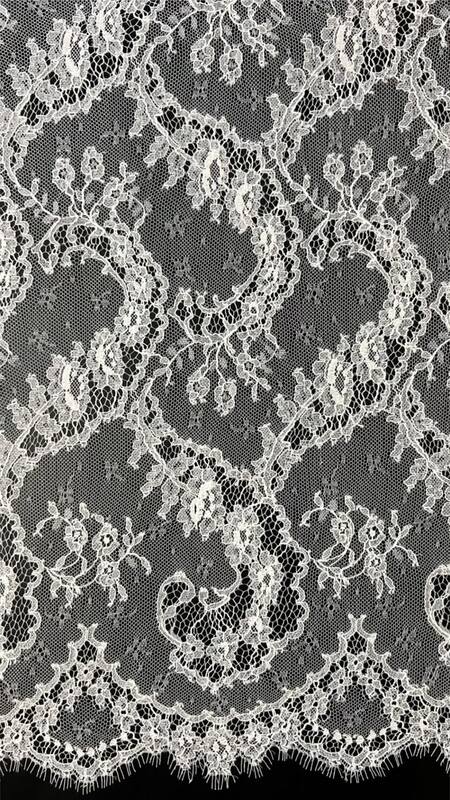
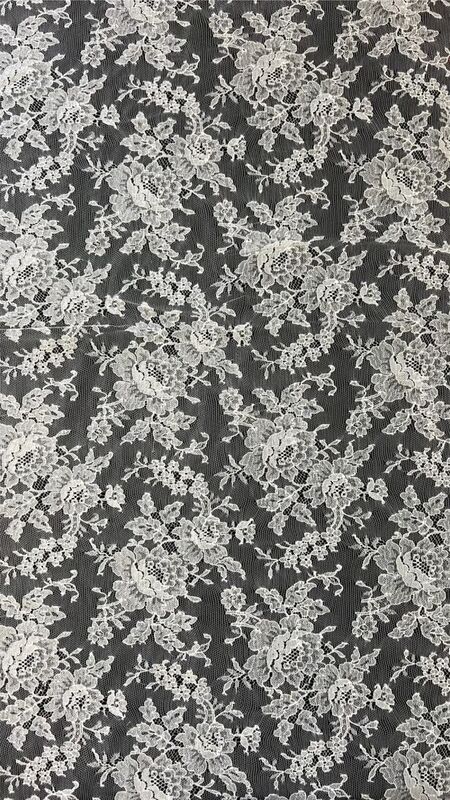
Source images for training
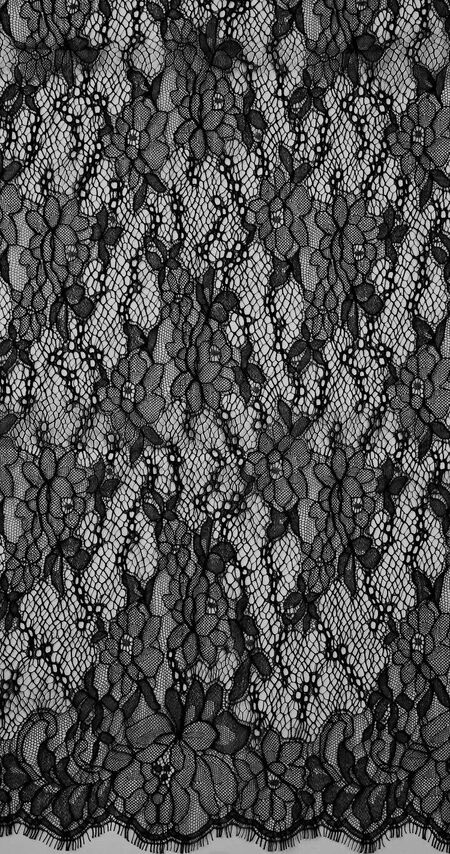
— 9 photographs of lace textures (openwork patterns, knit structures, guipure, macrame) from open-license resources (Wikimedia, Unsplash, Pexels, Pinterest) — 17 photographs of non-standard handbag shapes (architectural silhouettes, sculpture clutches, transformers) from open fashion design sources and open-license resources (Wikimedia, Unsplash, Pexels, Pinterest).
Bags
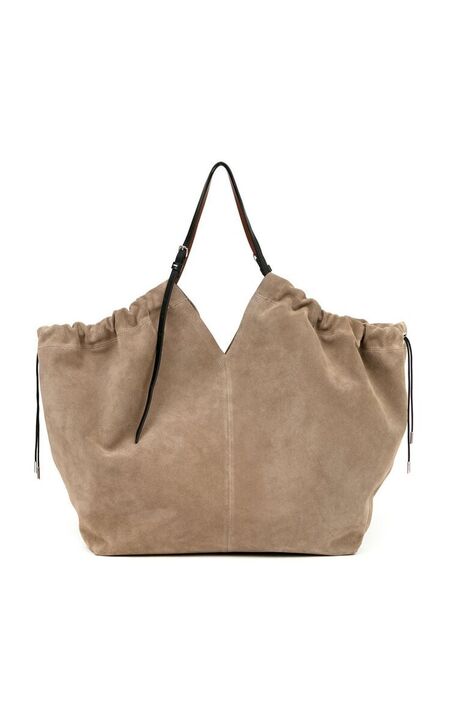
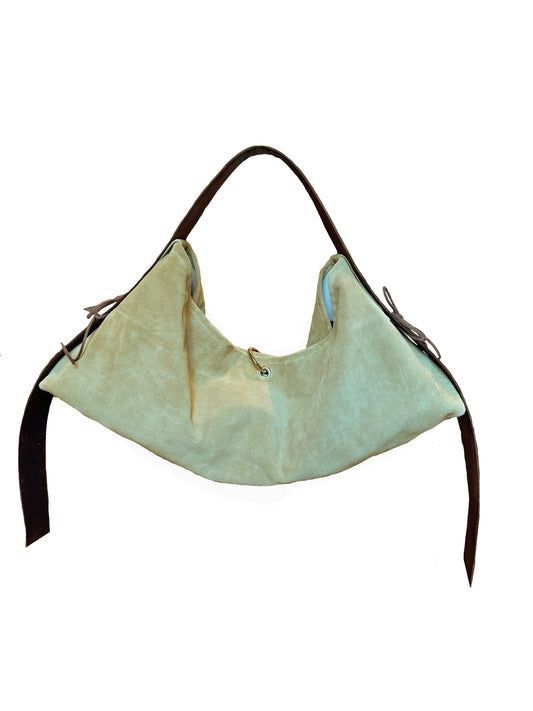
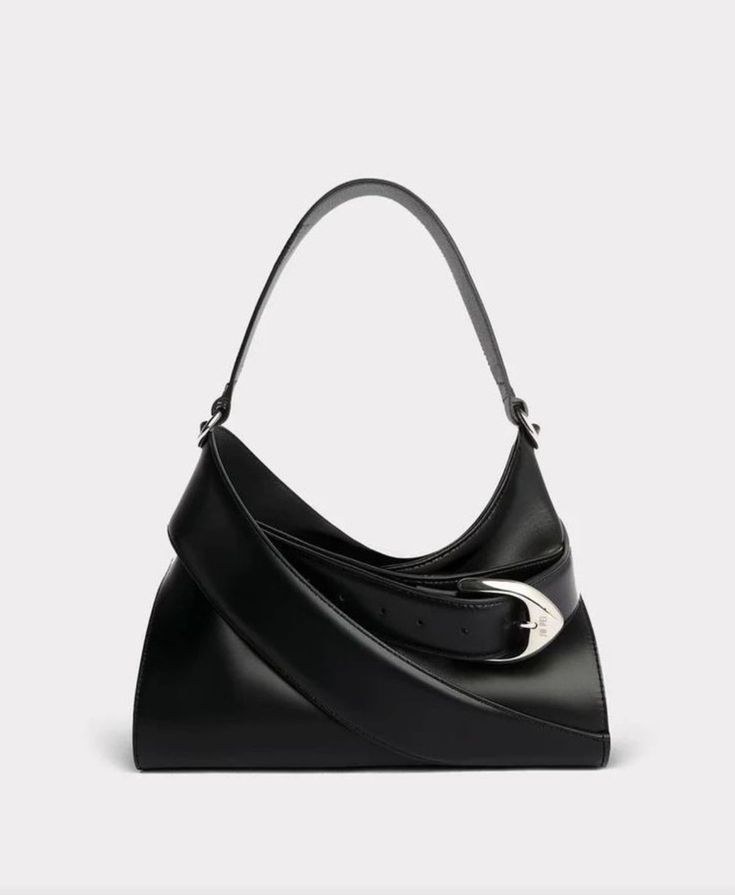
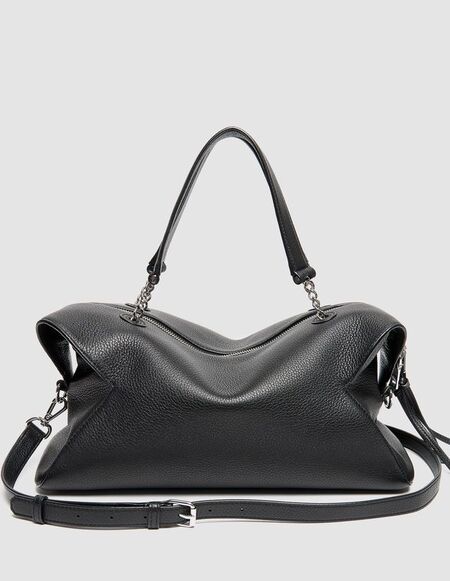
Lace
Resulting Image Series
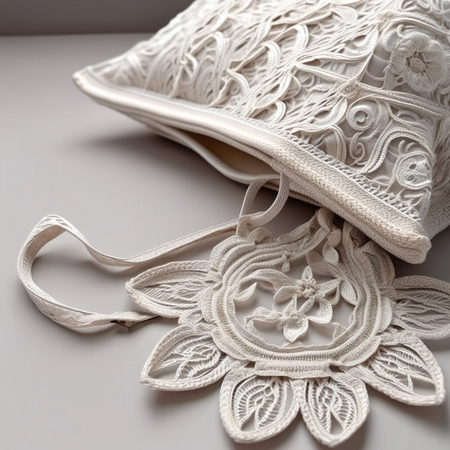
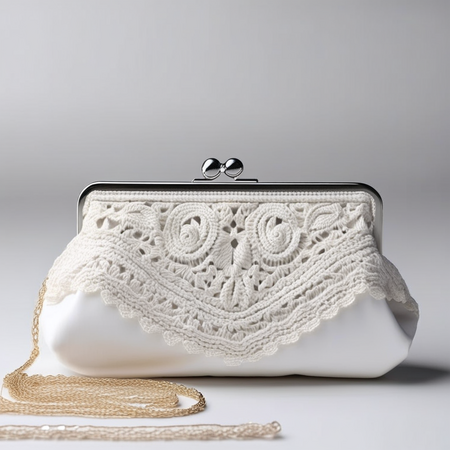
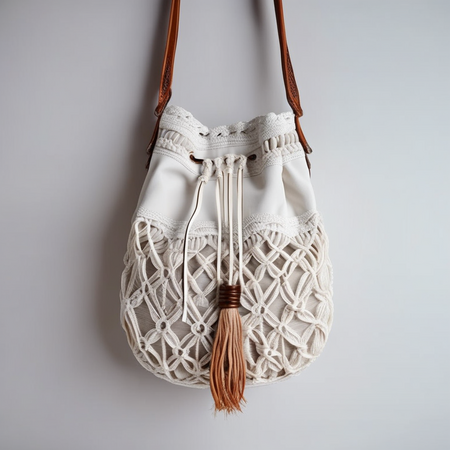
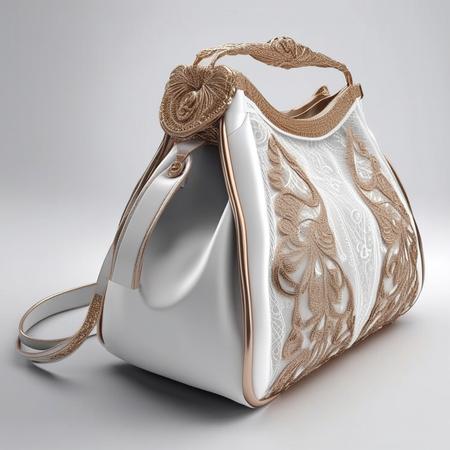
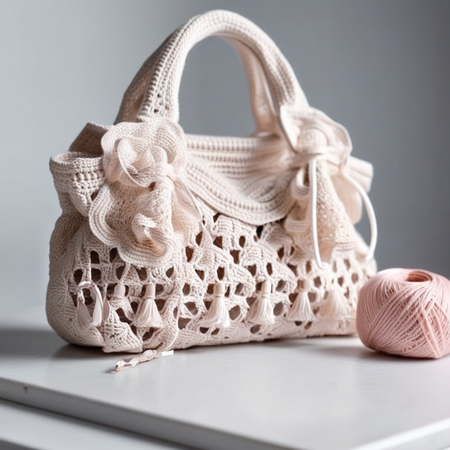
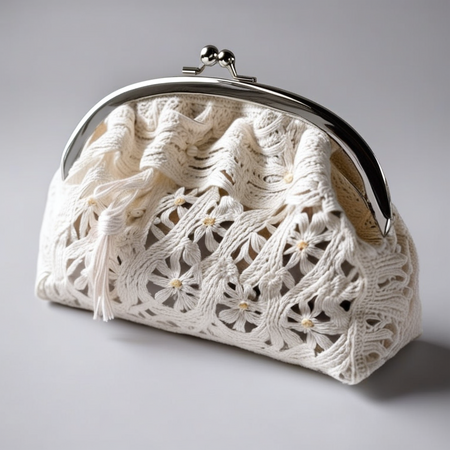
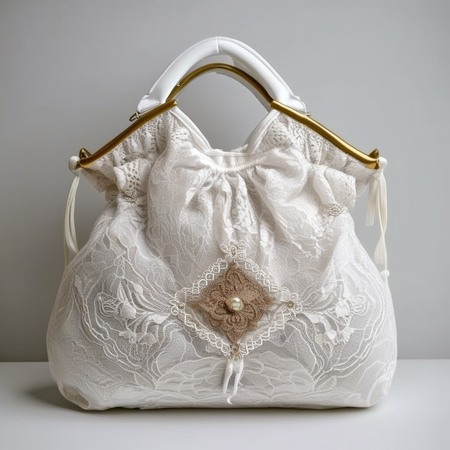
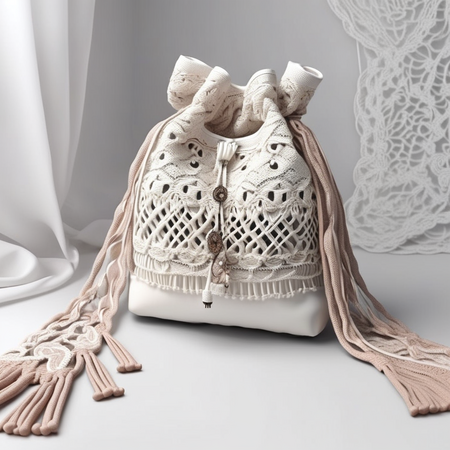
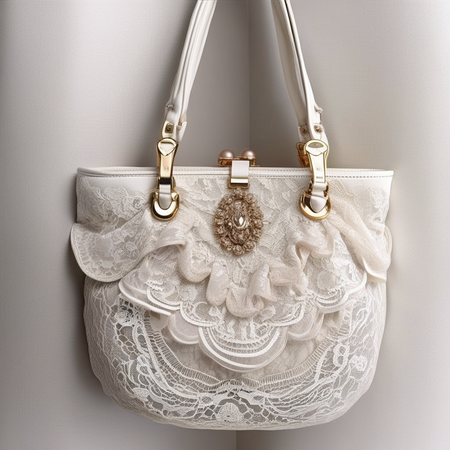
Based on the prompts, a series of 15 images was generated, featuring designer bags that combine intricate lace textures with unconventional accessory silhouettes.
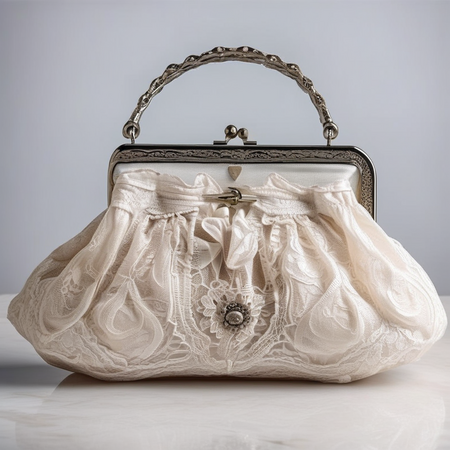
Detailed Results Commentary
The project successfully demonstrates a symbiosis of lacy textures and unconventional bag shapes. The model has absorbed the key principles of hybridization:
— textural integration — intricate lace patterns are organically woven into the structural elements of the bags, creating a «second skin» effect without compromising structural integrity;
— form-shaping adaptation — the lace ceases to be merely a decorative element and begins to participate in shaping the silhouette—ranging from rigid geometric constructions (Art Deco Geometry, Modernist Lace) to fluid, flowing forms (Waterfall Lace, Ocean Wave);
— stylistic polyphony — the model successfully merges diverse aesthetic codes: historical ornaments (Baroque Pearl, Gothic Rose) with avant-garde shapes; ethnic weaving techniques (Bohemian Macrame, Rustic Crochet) with urban silhouettes; natural motifs (Forest Fern, Ocean Wave) with architectural geometry;
— contrastive juxtaposition — the classical aesthetic of lace (delicacy, femininity, handcraftsmanship) enters into a dialogue with modern accessory forms (conciseness, functionality, sculptural quality), not in contradiction, but by creating a new quality—the accessory-artifact;
— color unity — the predominantly light palette (white background, delicate lace hues) allows the focus to remain on the texture and silhouette without overwhelming the composition.
The Learning Process