Concept
Main research question: What role did color play in creating the image of a deity?
For my visual research, I chose the topic, «Color as a Means of Creating the Image of Divinity in Ancient Egyptian Art.»
I was interested in the role color played in depicting ancient Egyptian gods and why different colors might be used for the same deities. For example, Osiris was depicted with both green and black skin, and each of these colors carried a specific symbolic meaning.
In my research, I first want to study the color system of Ancient Egypt, understand the meanings of the primary colors, and then examine how they were used in the depictions of the gods.
To do this, I plan to examine Ancient Egyptian frescoes, sculptures, and other artworks, compare the color choices in the representations of different deities, and determine what the selection of any given color signified.
Introduction
Color played a vital role in the art of Ancient Egypt. It was used not only for ornamentation but also to convey specific meanings. Each color could be linked to nature, religious concepts, and symbols.
In Ancient Egyptian painting, the six primary colors were black, white, red, yellow, green, and blue. They were used in the murals of tombs and temples, in depictions of gods, sculpture, and funerary objects.
The meaning of a color depended on what was being depicted. The same color could carry multiple meanings, sometimes even contradictory ones. Therefore, when studying Ancient Egyptian art, it is crucial to consider not just the color itself, but also the context of its use.
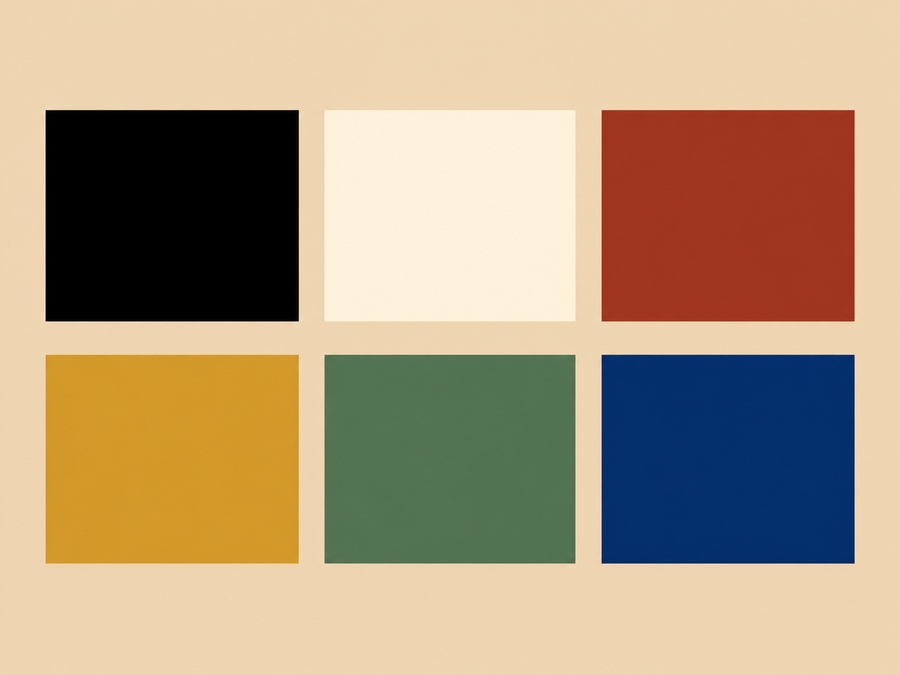
Meanings of Primary Colors:Black Symbolized fertility, death, and rebirth. It was associated with the dark, fertile soil of the Nile and the afterlife. It was used in depictions of Osiris and Anubis.White Symbolized purity and sanctity. It was used to depict linen garments, ritual objects, and the White Crown of Upper Egypt.Red It was connected to the desert, blood, power, and danger. It could symbolize both vital energy and destruction. It was associated with the god Set.Yellow It was associated with the sun, gold, and eternity. Golden hues were used to convey divinity, as gold was considered an imperishable material.Green It symbolized life, fertility, growth, and renewal. It was particularly significant in depictions of Osiris because it was tied to the concept of rebirth.Blue It was associated with the sky, the waters of the Nile, and the divine realm. It was used in images of deities, adornments, and religious artifacts.
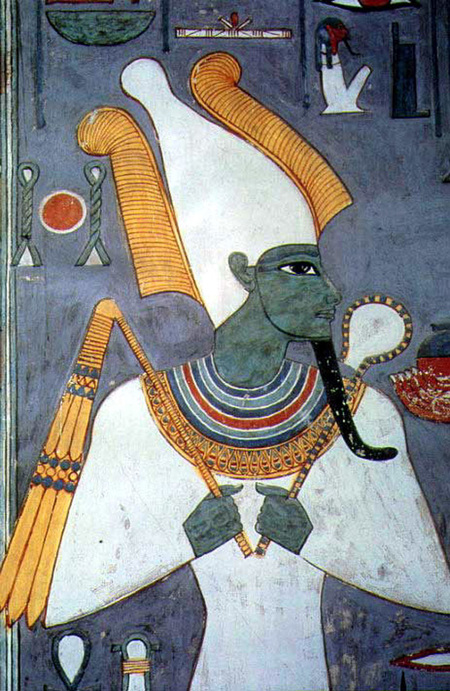
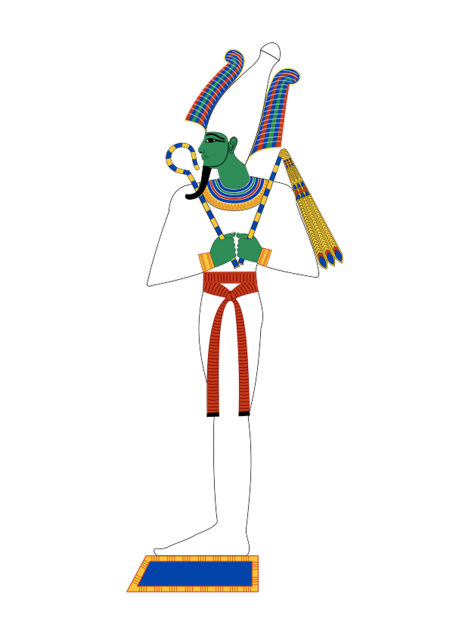
Osiris from the tomb of Pharaoh Khoremheb
The green color of Osiris’s skin symbolized fertility, renewal, and rebirth. It emphasized the connection between the god of the underworld and the continuation of life after death.
Anubis. Fresco of Nefertari’s Tomb
Black in the depiction of Anubis symbolized death and rebirth. It was associated with the fertile soil of the Nile and emphasized the god’s role as a protector of the deceased and patron of funerary rites.
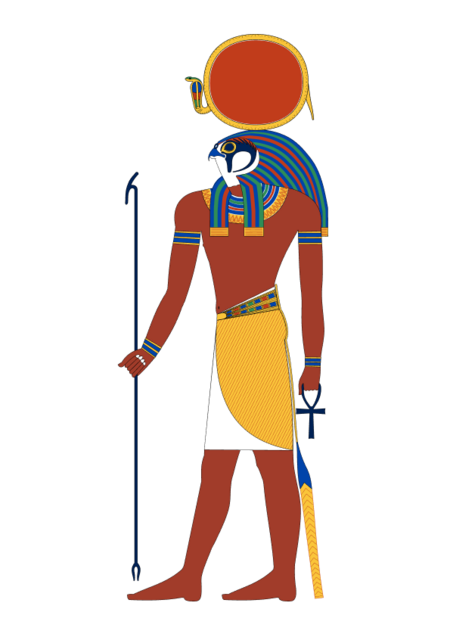
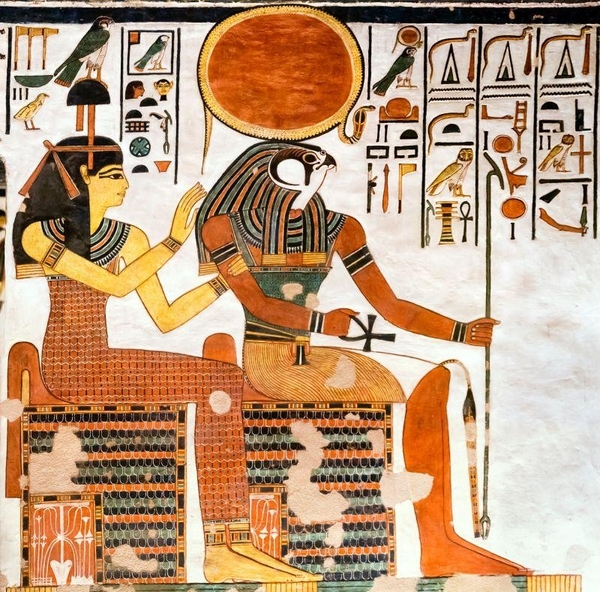
Ra-Horakhty and the goddess Imset. Fresco from the Tomb of Nefertari
Yellow and gold hues in the depiction of Ra symbolized sunlight, divine power, and eternity. The red color of the solar disk represented life energy and the sun’s might.
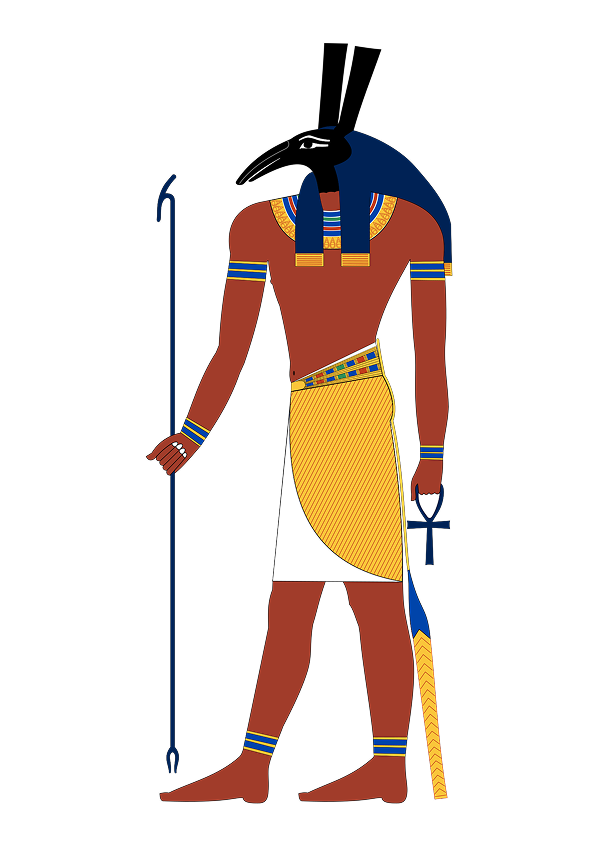
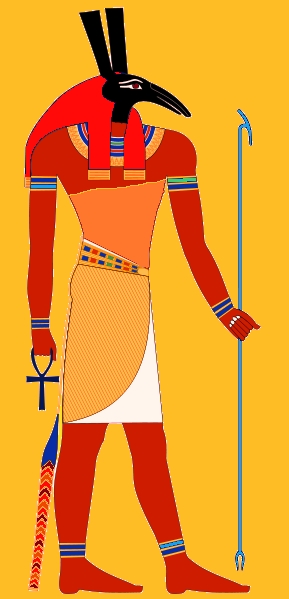
The color red symbolized danger, chaos, and destructive power. It emphasized Set’s connection to the desert and its harsh nature.For the university assignment, however, I would choose an image of Set from an authentic ancient Egyptian artifact rather than a modern reconstruction.
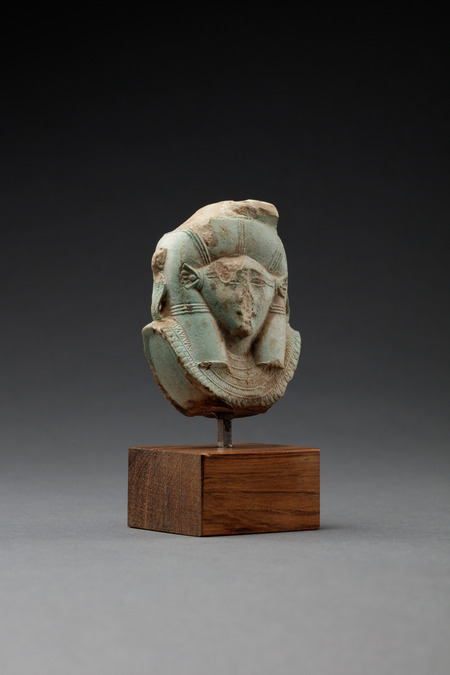
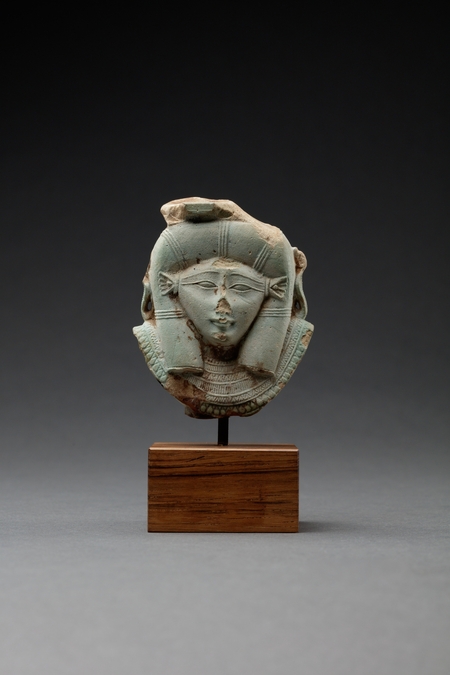
Hathor. Porcelain finial of a sistrum depicting the goddess
Turquoise symbolized life, fertility, and renewal. Hathor was called the «Mistress of Turquoise» because she patronized the stone deposits on the Sinai Peninsula.
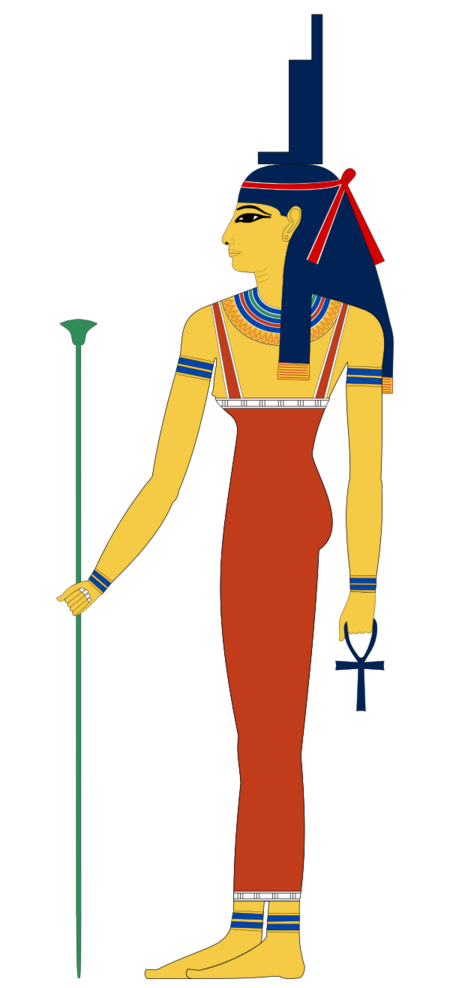
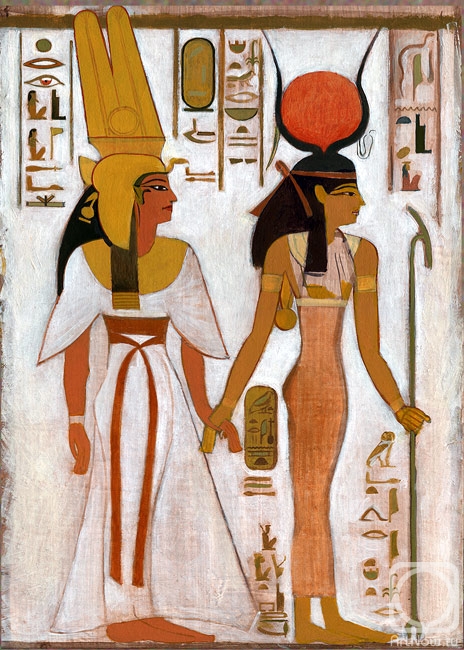
Isis accompanies the queen Nefertari. Tomb frescoes of Nefertari
Gold and yellow colors symbolized eternity, divinity, and immortality. In depictions, the golden hue of Isis’s skin emphasized her belonging to the world of the gods.
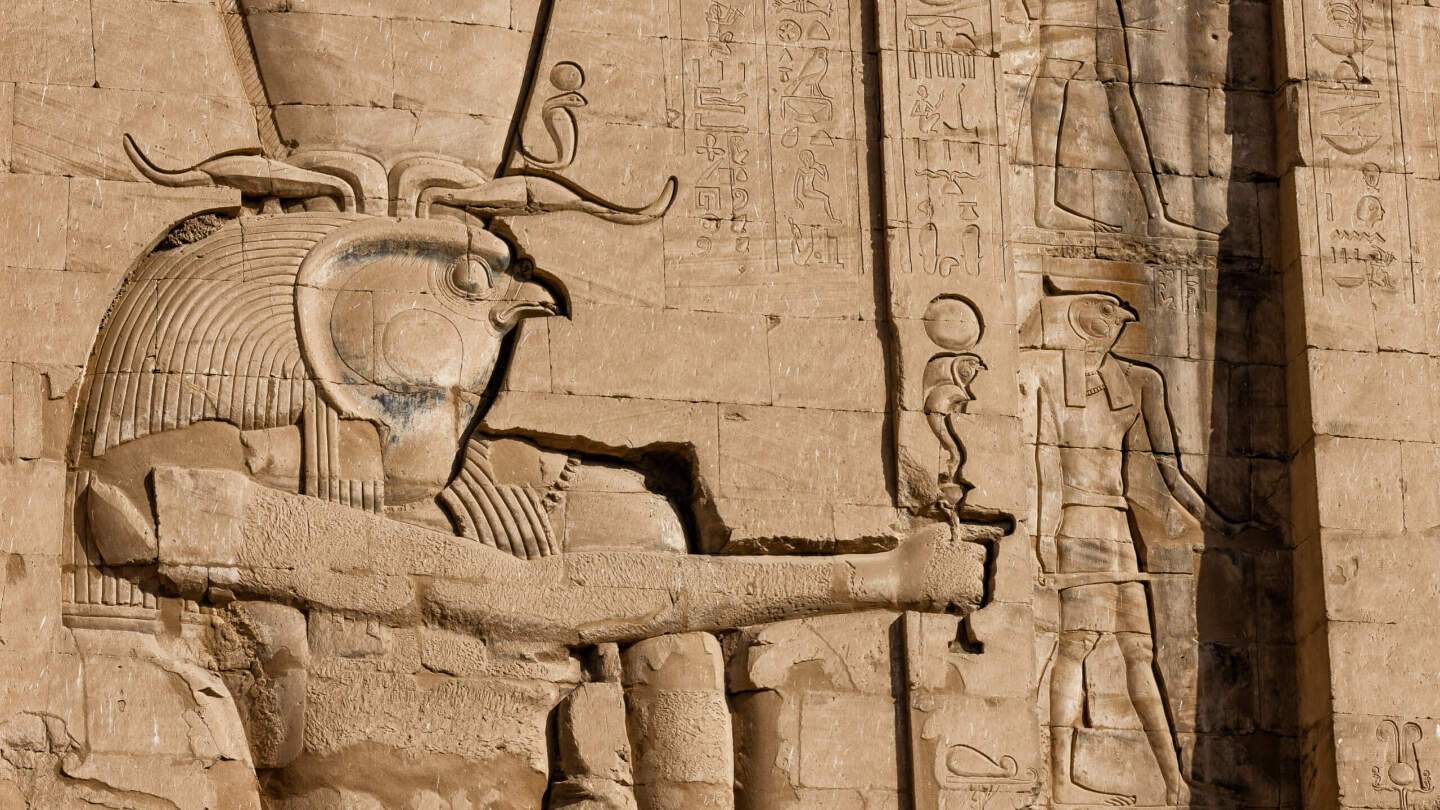
Thoth. Relief from the Temple of Horus in Edfu
To the ancient Egyptians, white color symbolized purity and everything sacred. A vivid example of this is the god Thoth, the god of wisdom. His sacred animal was the ibis, whose snow-white plumage perfectly symbolized this divine purity.
Conclusion
Comparative Analysis of Divine Color Palettes
Different colors—close values
Comparing Osiris and Anubis
Osiris and Anubis
Despite differences in color, the images of Osiris and Anubis are united by the concept of rebirth after death. Furthermore, color helps emphasize the distinct roles these gods played in the Egyptians' conceptions of the afterlife.
One God—Different Colors