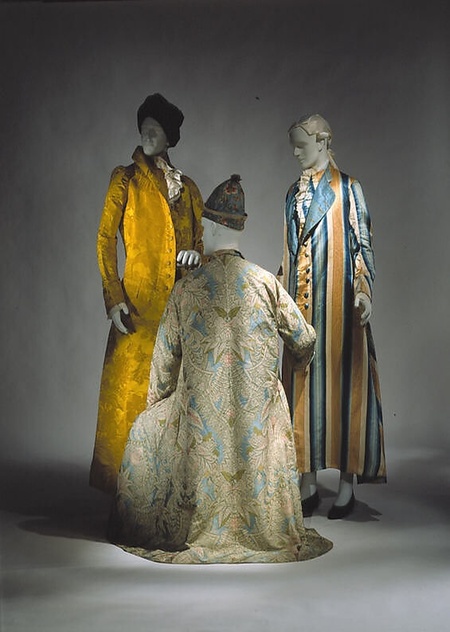
In the 18th century, men’s fashion adopted complex architectural forms. Vests, narrow breeches, and stiff materials restricted movement, which was then reflected in the characters of the elite. In contrast to this strictness, among intellectuals, writers, philosophers, and scientists, freer silhouettes emerged—silhouettes that conveyed freedom of body and mind. Comfort began to outweigh adherence to rigid forms. For example, the banyan—an Eastern-cut men’s robe worn at home—became part of the trend.
Why did the home, completely relaxed garment suddenly become the norm for formal portraits of scientists, almost entirely replacing the rigid uniform?
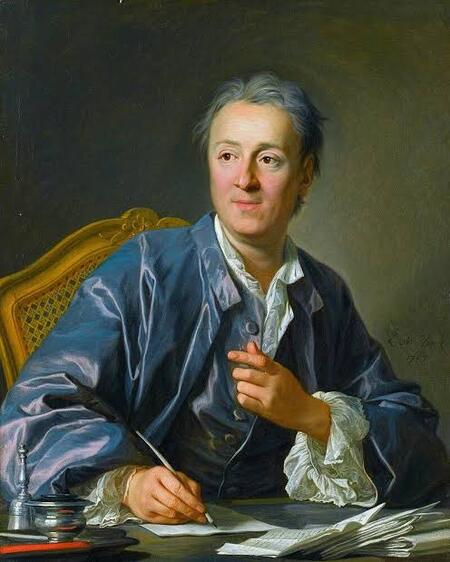
The research hypothesis is that the abandonment of rigid garment structures led to the physical embodiment of a rejection of societal conventions. The Banyan embodies the idea that an individual’s scope is defined by the work of the mind, rather than by what a person possesses. Denis Diderot wrote in his essay «Remarks on My Old Robe» (1772) that it was the old, pliable fabric that gave him that sense of harmony and creative freedom.
When selecting and analyzing textual sources, philosophical essays by contemporaries were combined with academic works on the history of fashion. Diderot’s essay serves as the conceptual foundation for interpreting the psychology of wearing the Banyan, while the scholars’ studies are drawn upon for precise technical and art-historical analysis of the garment’s form.
The study includes three main sections.
The first section is dedicated to garment construction and the study of how the T-shaped Eastern silhouette adapted into European clothing. Particular attention is paid to shaping, assessing construction seams, and how the absence of darts and stiff interfacing materials alters the plasticity of the body.The second section focuses on material analysis—including fabric composition, density, drape, shape retention, and wrinkle resistance. Special attention is given to the study of ornamentation and color palette decisions.The third section examines the iconography of the intellectual; specifically, it provides a comparative analysis of formal and «private» portraits of prominent thinkers of that era. Each section is supported by a visual selection drawn from museum and gallery archives.
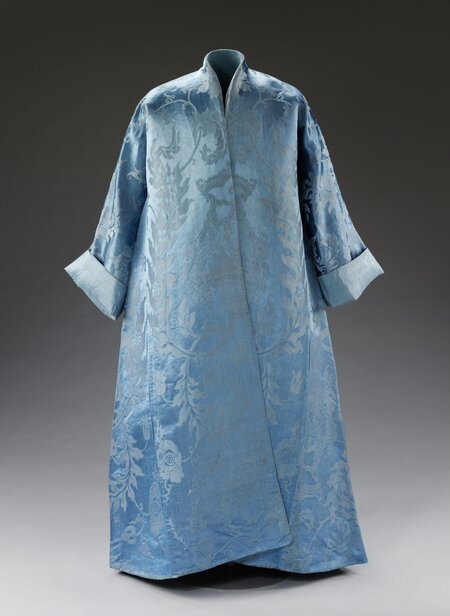
The material selection principle is based on finding authentic artifacts and paintings that genuinely capture the spirit of that era. The first two categories feature digitized exhibits from the collections of the Metropolitan Museum of Art, the Galerie Louvre, and the Victoria and Albert Museum, allowing for detailed examination of tailoring and textile weaves. The visual series for the third category is formed from portraits of prominent figures in science and art. A crucial selection criterion is the emphasis on relaxed poses and deep color palettes, which highlight the informal status and nobility of the intellectual’s home attire.
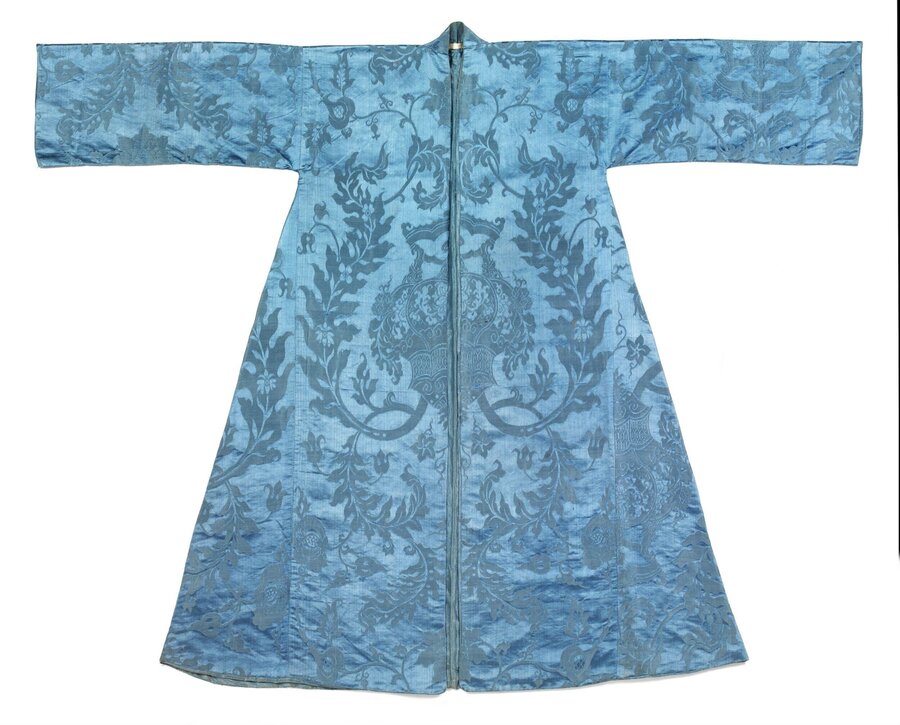
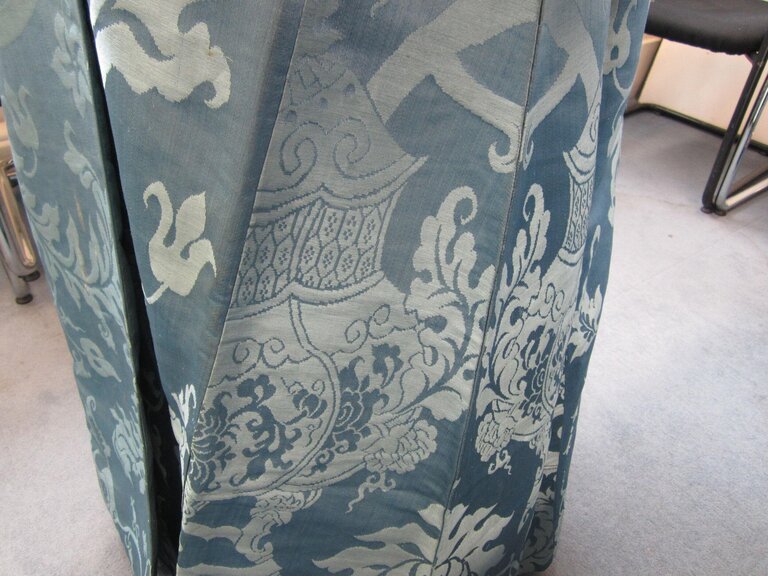
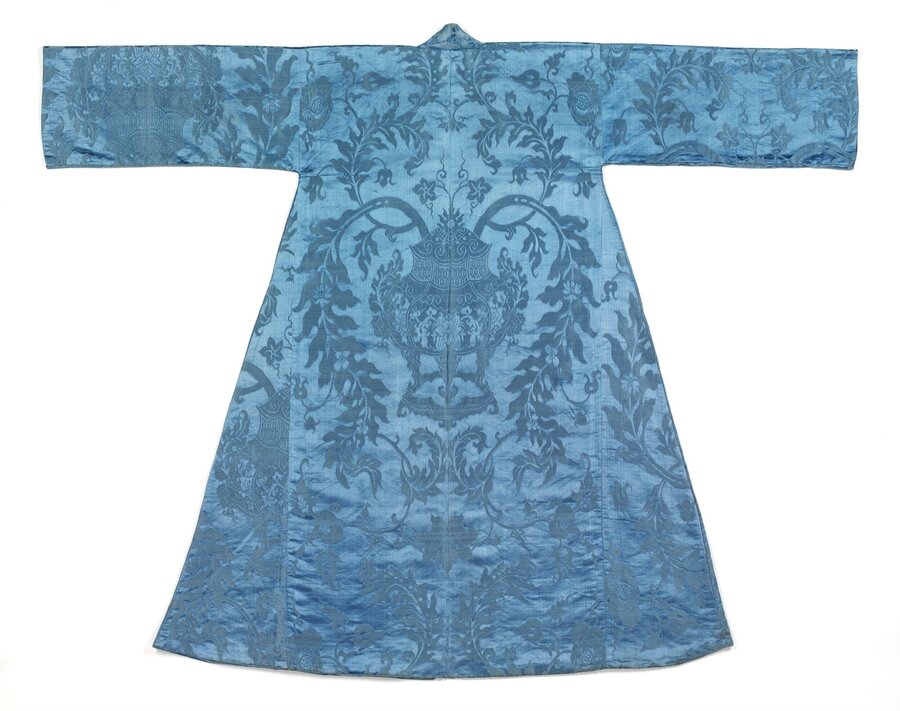
Nightgown, 1650–1700 (weaving), 1720–50 (sewing), silk, Victoria and Albert Museum, South Kensington
Structure and Cutting
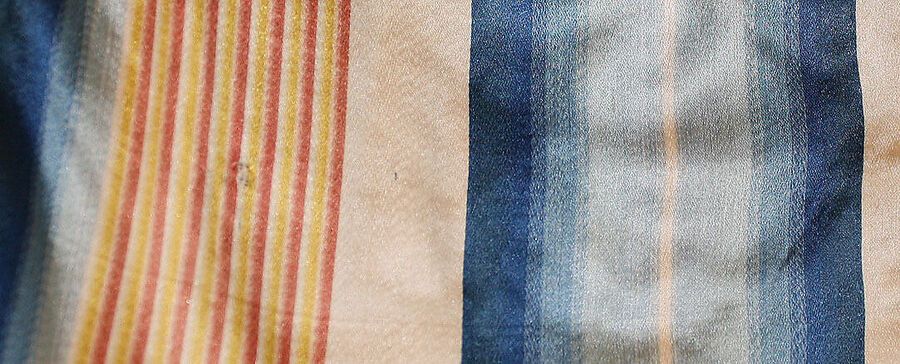
Materials and Ornament
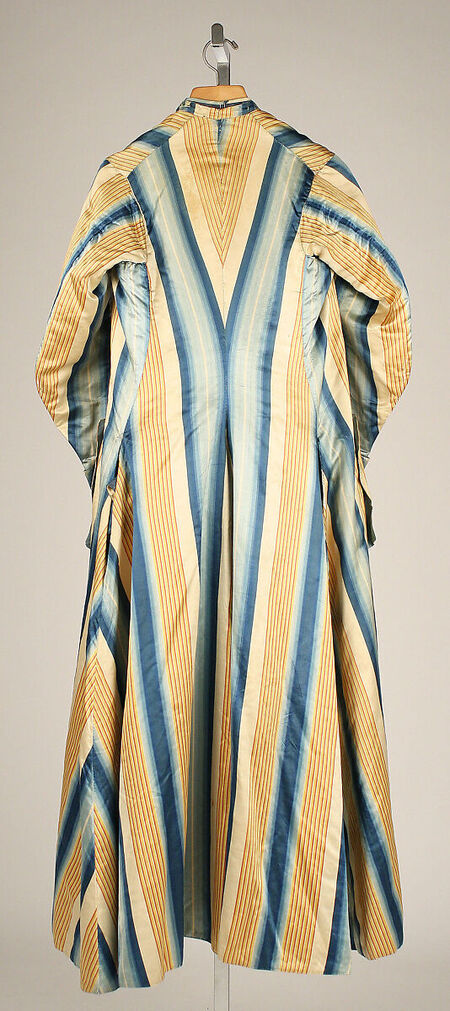
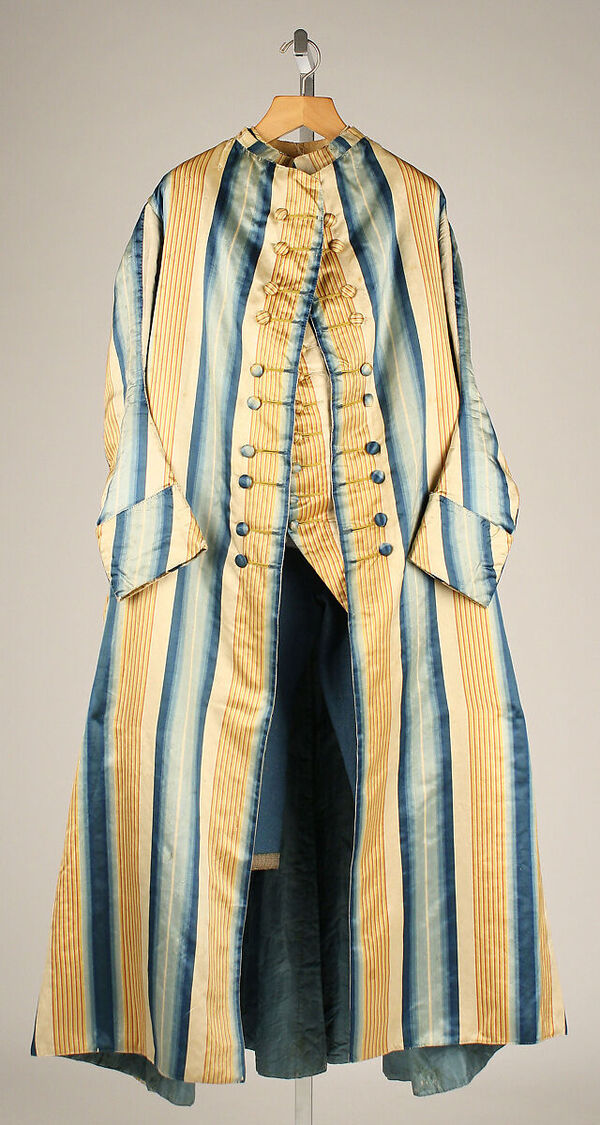
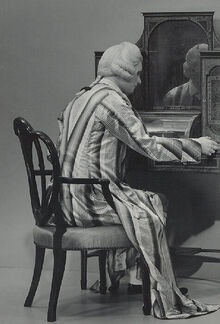
Banyan, 2nd half of the 18th century, silk, linen, wool (Metropolitan Museum of Art, New York)
Iconography of the Intellectual