Navigation
- Introduction
- Alphonse Mucha and the Advertising Poster
- The Female Image in Alphonse Mucha’s Advertising Posters
- Visual Characteristics of Female Figures
- The Female Image in the Advertising of Various Goods
- Conclusion
- Bibliography
1. Introduction
By the late nineteenth century, the advertising poster had become a notable part of urban culture. The development of color lithography allowed artists to create expressive imagery to promote goods, services, and cultural events. Alphonse Mucha became one of the most renowned masters of the advertising poster. Female figures held a special place in his commercial graphics, being used in the advertising of all sorts of products—from food items to bicycles.
Relevance of the Study
The female image in Muha’s posters is interesting not only from an artistic perspective but also as a tool of visual communication. Studying it allows one to understand how aesthetics and graphic techniques are used to capture attention and shape the product’s image.
Research Objective
To identify the characteristics of female imagery in Alphonse Mucha’s advertising posters and determine their role in conveying the advertising message.
Hypothesis
The female figure in Alphonse Mucha’s advertising posters performs not only a decorative function but also serves to capture the viewer’s attention, create emotional associations, and shape the perception of the advertised product.
2. Alphonse Mucha and the advertising poster
Biography
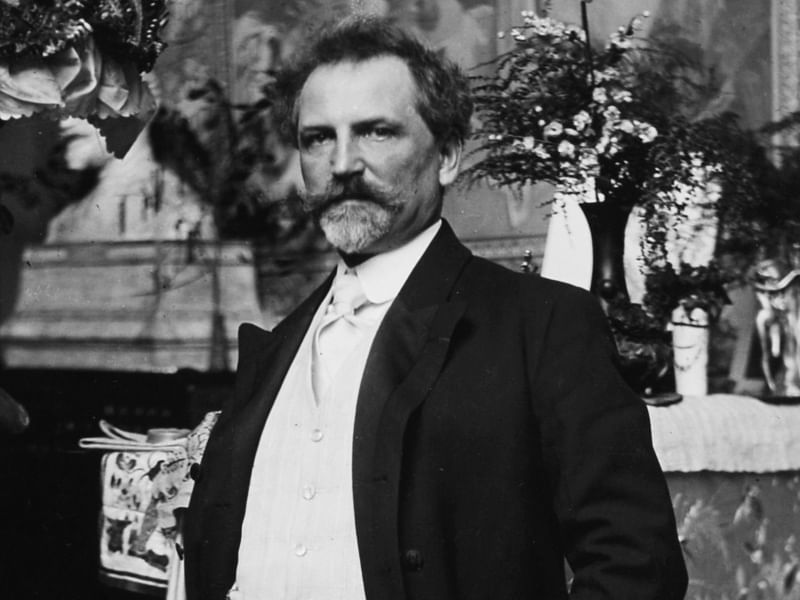
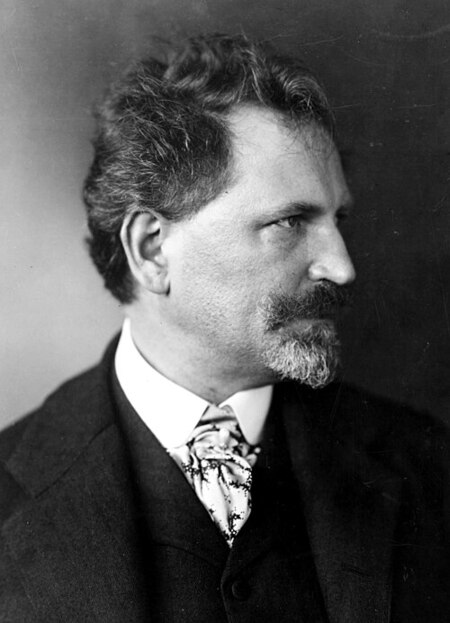
Photographs by Alphonse Marie Mouchy (1860–1939)
Alphonse Mucha (1860–1939) was a Czech painter and graphic artist, one of the most renowned proponents of Art Nouveau. He gained the most fame through the advertising and theatrical posters he created in Paris around the turn of the 19th and 20th centuries. Mucha was born on July 24, 1860, in Ivance, in modern-day Czechia. In 1887, he moved to Paris, where he continued his art education and worked as an illustrator. A turning point in his career came in 1894 when he received a commission for a poster for the play «Gismonda,» featuring the famous French actress Sarah Bernhardt.
«Gismonda, ” 1894 Color lithograph, 216 × 74.2 cm.
The poster appeared on the streets of Paris on January 1, 1895. Its unusually elongated format, muted colors, and nearly static figure of the actress contrasted with the vibrant and dynamic posters of the time.The work’s success led to a six-year collaboration between Mucha and Sarah Bernhardt: the artist created posters, costume sketches, and set designs for her.Following the success of «Gismonda, ” Mucha began receiving commissions not only from theaters but also from commercial companies. He created advertisements for cigarette paper, chocolate, cookies, beverages, bicycles, and other products. It was in these works that the female image transformed into one of the most recognizable elements of his graphic style.
The Evolution of Advertising in the Late 19th Century
In the second half of the 19th century, the advertising poster became a noticeable element of the urban environment. The development of color lithography allowed for the mass production of illustrated posters. Poster art developed particularly vigorously in Paris, where images advertised theatrical performances, entertainment venues, and consumer goods.
The French artist Jules Chéret played an important role in the development of advertising graphics. He created vibrant posters featuring dynamic figures, rich colors, and expressive typography. Later, Henri de Toulouse-Lautrec proposed a different approach: expressive silhouettes, simplified color fields, and unusual perspectives.
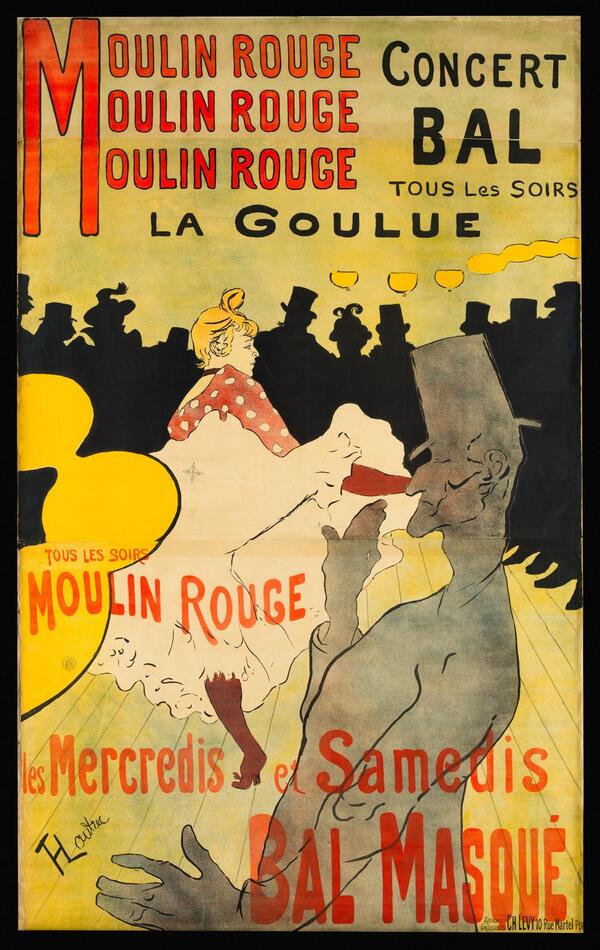
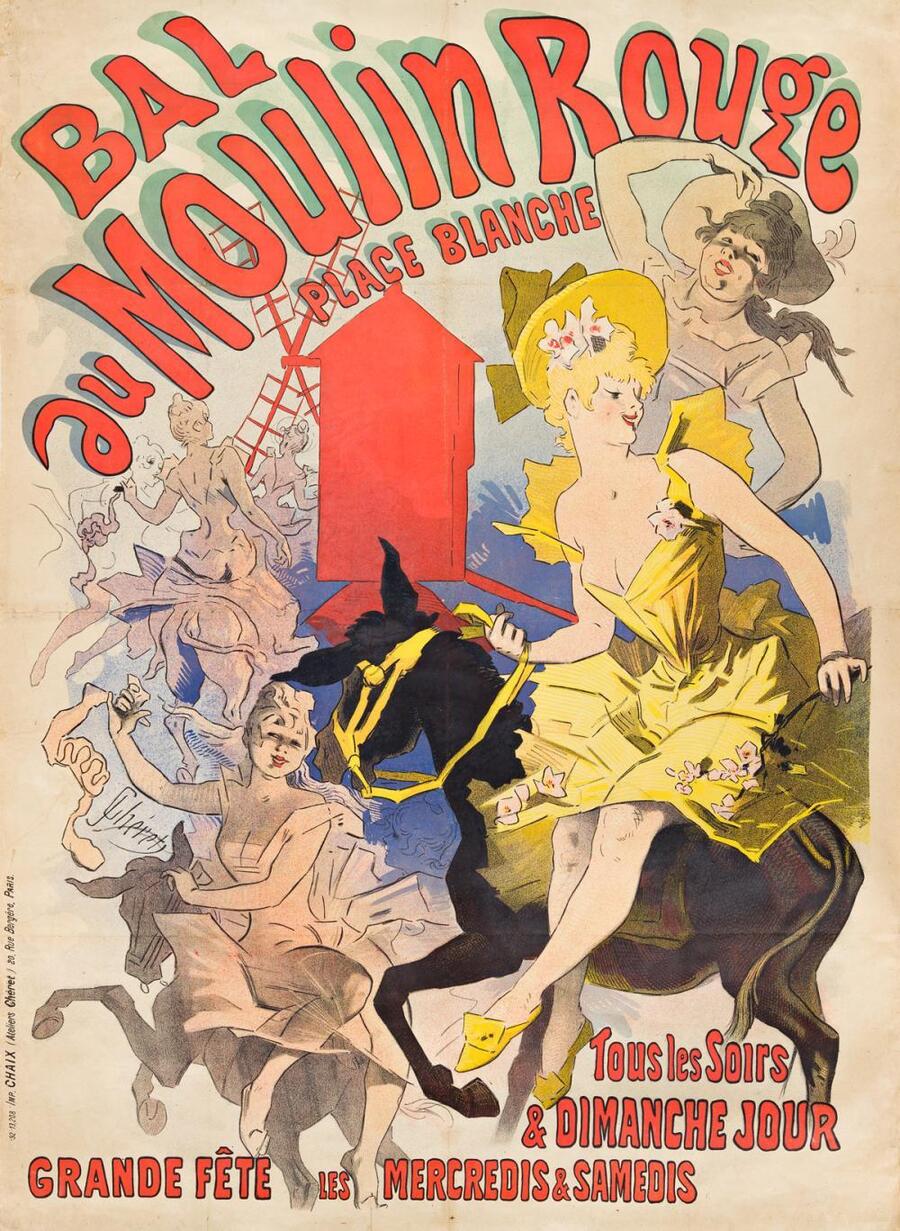
Left: Jules Chéret, «Bal du Moulin Rouge,» (1889). An example of dynamic French poster art. Right: Henri de Toulouse-Lautrec, «Moulin Rouge: La Goulue,» (1891). Simplified forms and expressive silhouettes.
Against this backdrop, Mukhina’s work stood out for its serene composition, decorative quality, and meticulous attention to detail. Rather than using dynamic movement and sharp contrasts, he frequently employed flowing lines, soft colors, and static female figures.The advertising poster gradually evolved from merely a means of disseminating information into a standalone work of art. These posters were collected, and their creators gained widespread recognition.
The Characteristics of Malevich’s Style
In 1896, Mucha signed an exclusive contract with the Parisian publisher and printer Ferdinand Champenois. From that time, commercial graphics took an important place in his work.Mucha developed a recognizable artistic language in which image, ornament, and text were combined into a single composition. His approach was characterized by decorative richness and attention to the placement of elements on the plane of the poster.One of the most famous examples of this style is the advertisement for JOB cigarette papers from 1896.
JOB, (1896) Color lithograph, 66,7 × 46.4 cm.
The center of the poster features a woman holding a cigarette. Her long hair forms an intricate design of winding lines that echo the smoke and decorative background. Large letters spelling JOB are positioned in the upper part of the composition.
The female figure dominates the poster, though the cigarette paper itself is not shown separately. The connection to the product is established through the smoking protagonist and the prominent «JOB» text.
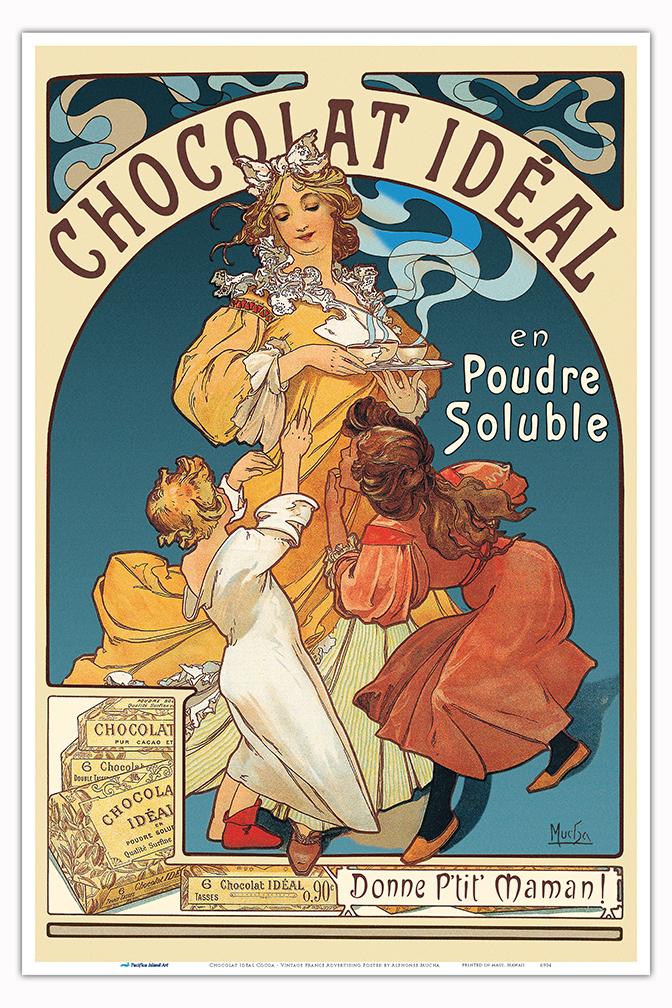
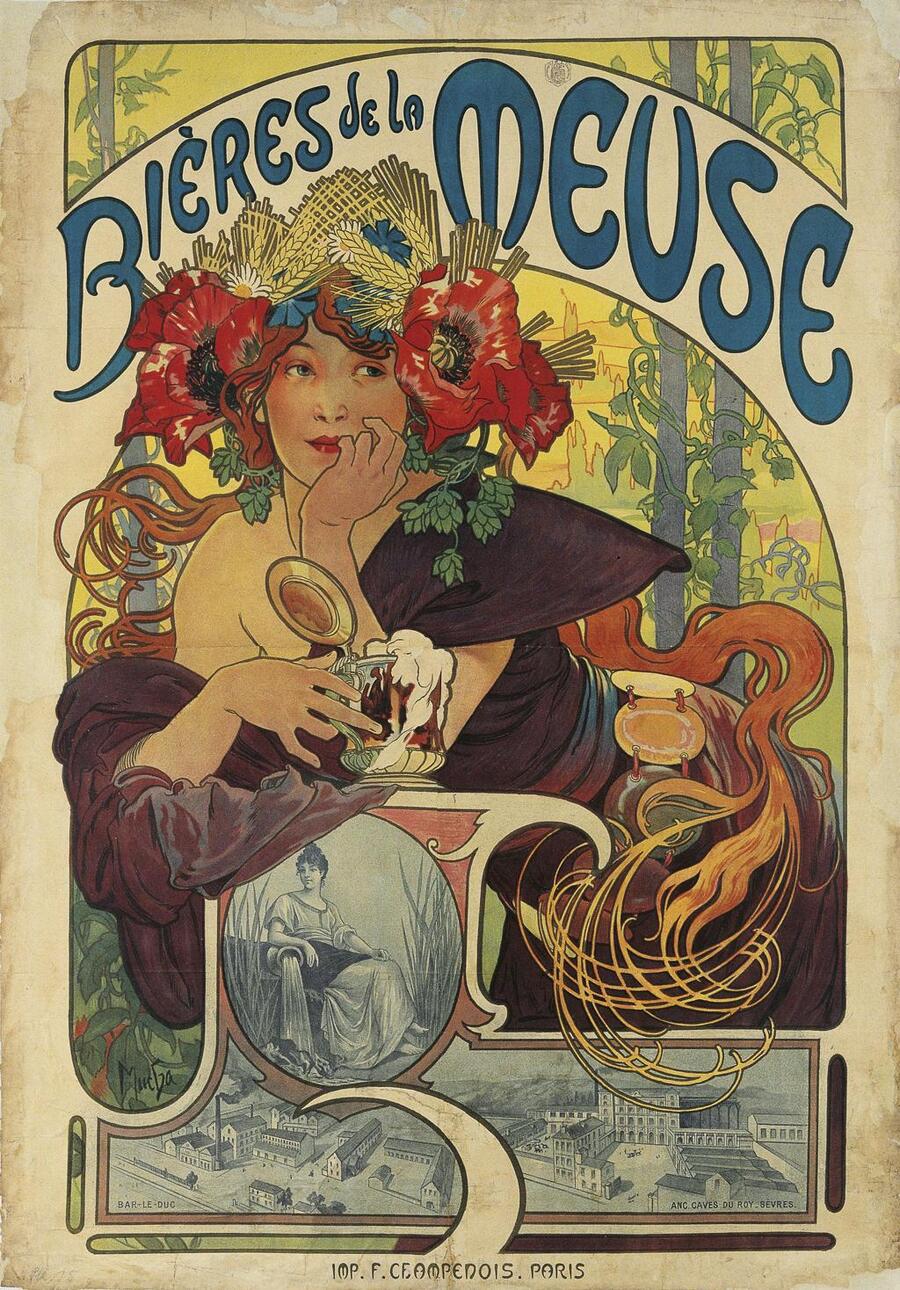
Left: Chocolat Idéal (1897). Chocolate advertisement: a woman surrounded by children. Right: Bières de la Meuse (1897). Beer advertisement: a woman with a mug, adorned with a wreath of plants.
Despite the differences between the advertised products, Muhha maintained recognizable elements of his style. Furthermore, the female characters were not entirely uniform. In the advertisement for Chocolat Idéal, a woman is shown alongside children, while in the Bières de la Meuse advertisement, she is featured with a mug of beer and plants related to its production. This combination of consistent artistic techniques and variations in the female portrayals forms the basis for further investigation.
3. The Feminine Image in Alphonse Mucha’s Advertising Posters
Characteristic Traits of Female Figures
In the advertisements, the familiar female archetype reappears in the illustrations by Mukha: an elongated silhouette, soft facial features, and expressive, meticulously rendered hairstyles. However, the artist did not restrict the portrayal of women to a single variation. The heroines differ in their poses, facial expressions, and interaction with surrounding objects. These distinctions are particularly apparent when comparing the advertisements for Lance Parfum Rodo (1896) and Waverley Cycles (1898).
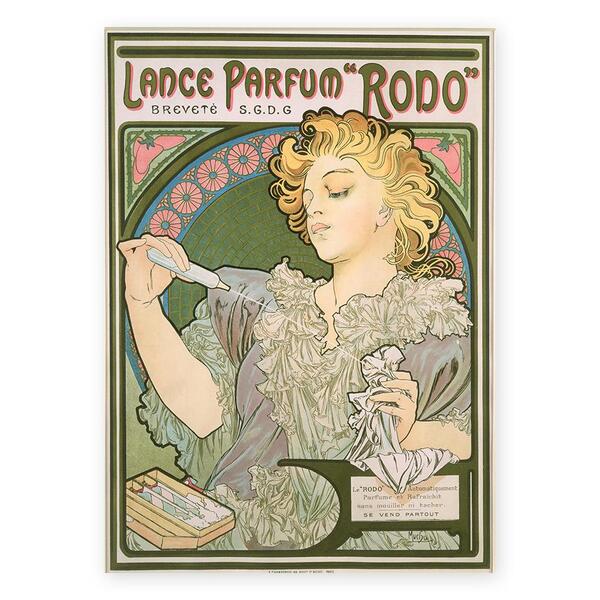
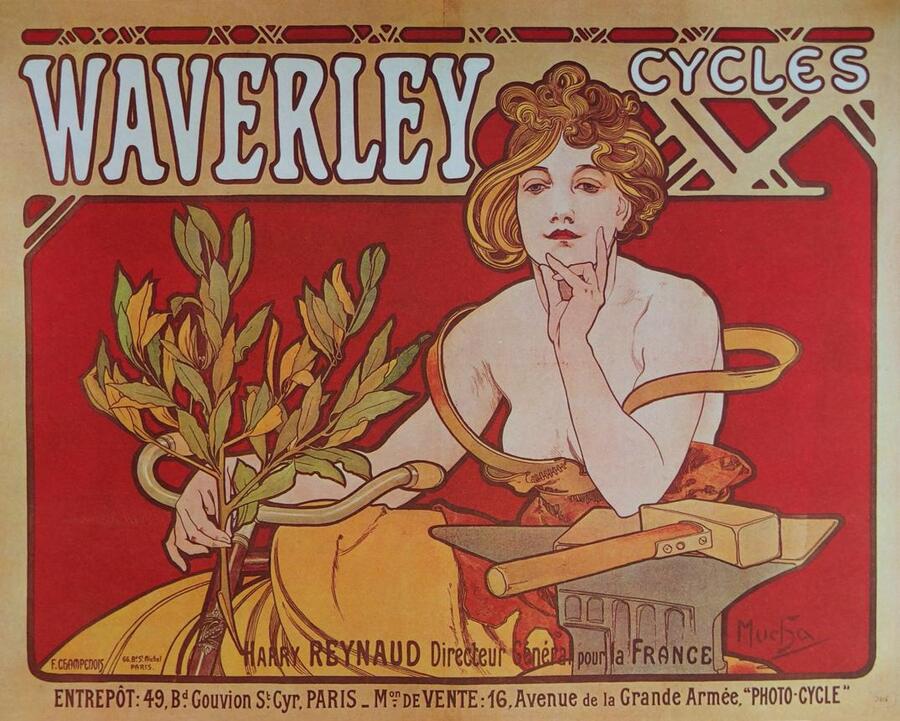
On the left: Lance Parfum Rodo, (1896). Advertisement for a perfume atomizer. On the right: Waverley Cycles, (1898). Advertisement for bicycles.