The key question
How has the image of the wolf evolved in 20th-century art and popular culture, and what cultural perceptions, fears, and values are reflected in its visual representation?
Hypothesis
Throughout the 20th century, the image of the wolf gradually moved beyond the traditional representation of a predator and the embodiment of evil. Depending on the historical context, artistic movement, and medium, it acquires new meanings—becoming a symbol of inner freedom, solitude, danger, independence, collective strength, or a comedic character. Meanwhile, previous cultural associations do not disappear; rather, they continue to coexist with the new ones.
Navigation
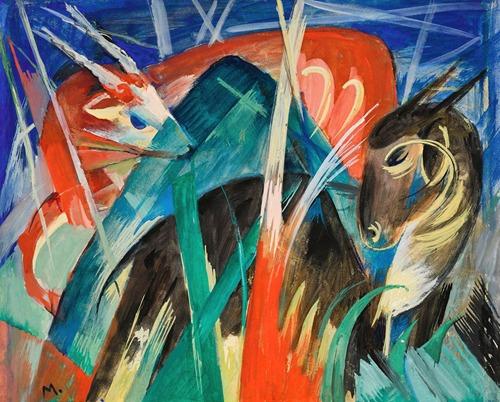
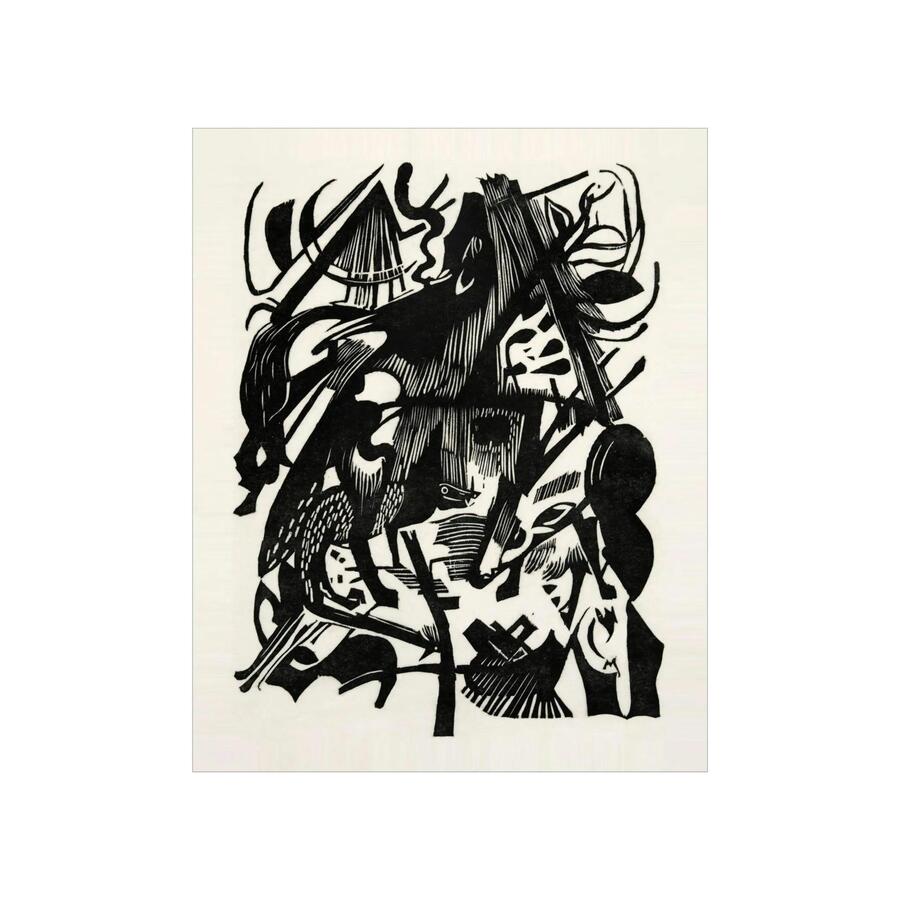
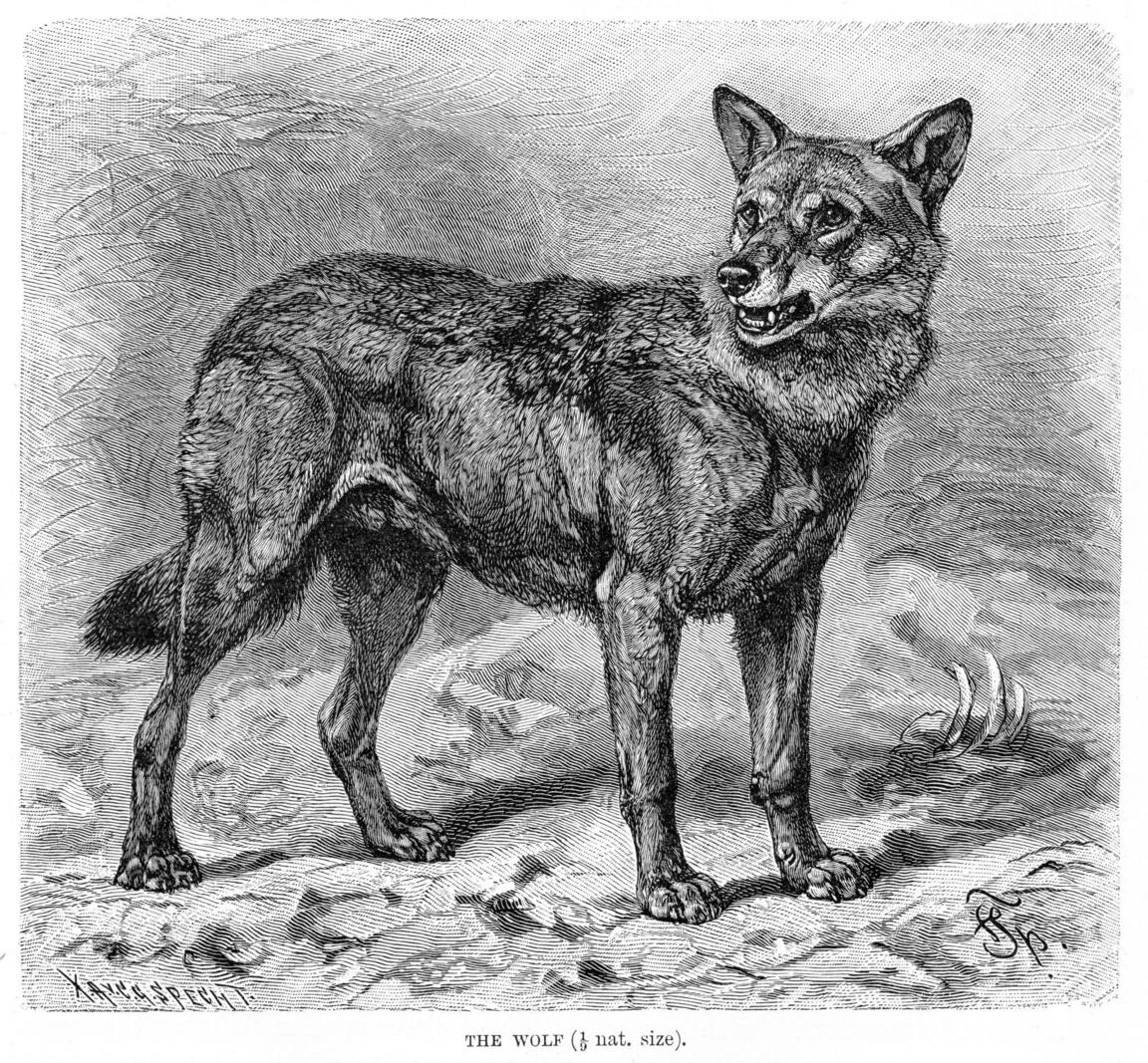
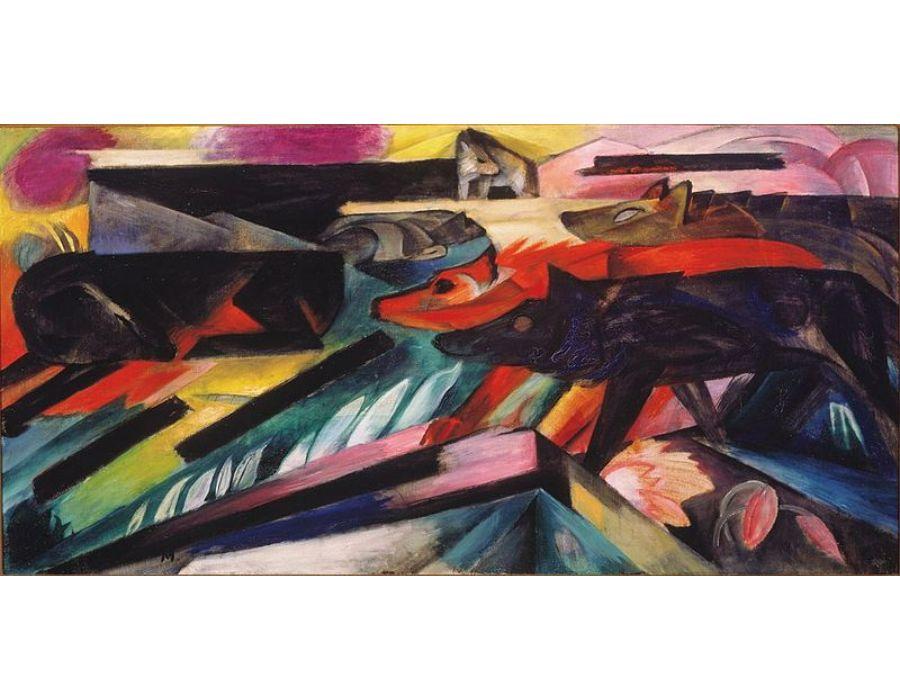
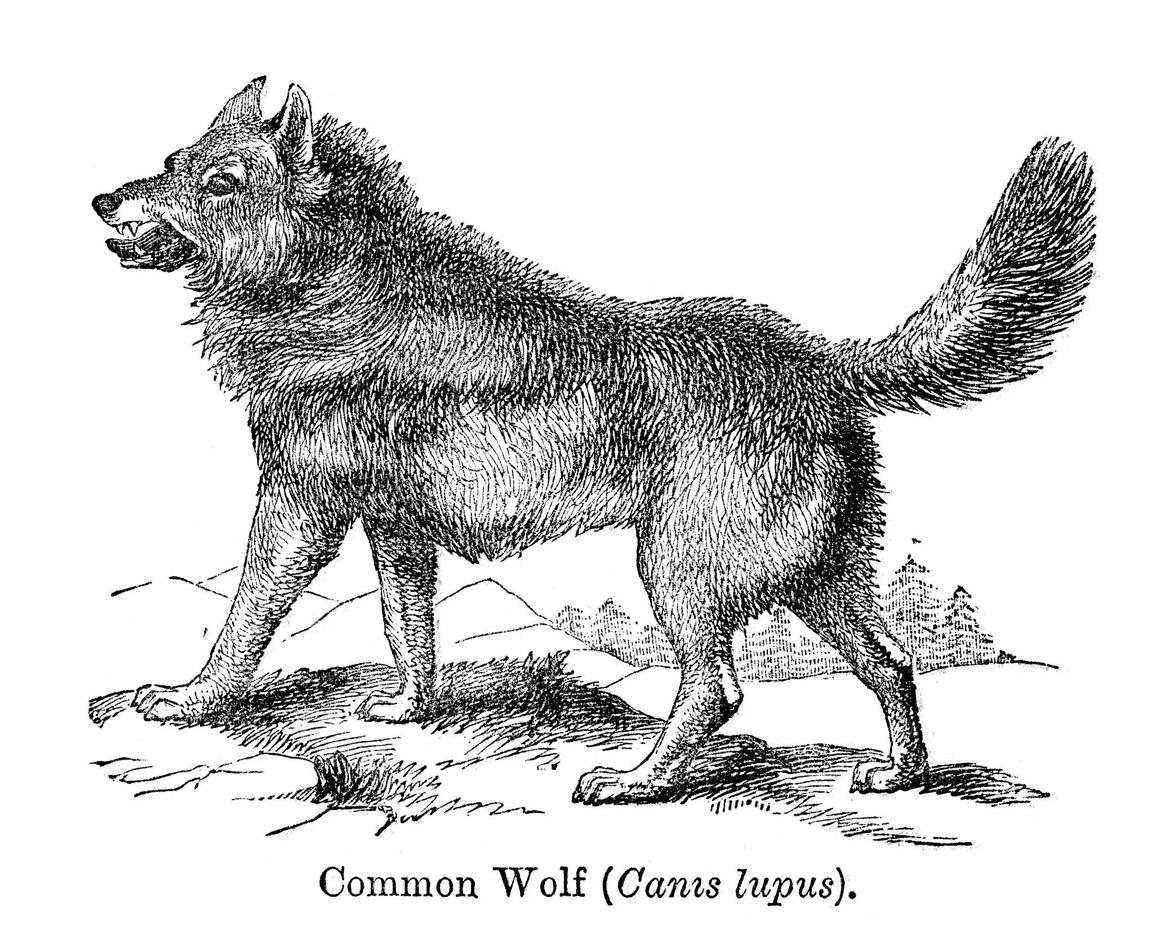
01 / EARLY 20TH CENTURY / Wild and Indefinable
The wolf as the embodiment of raw power, danger, and primal nature.
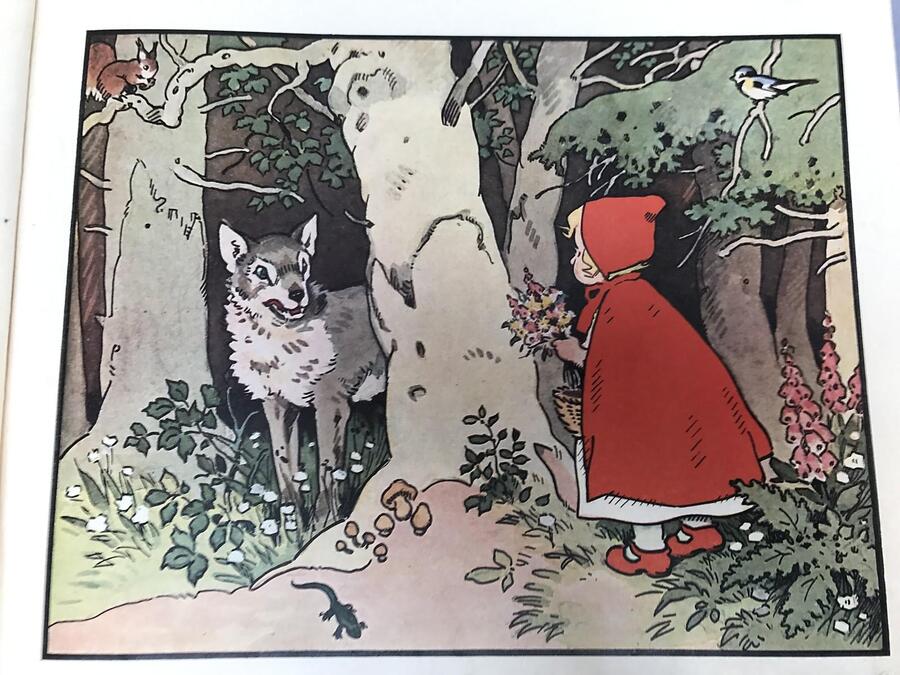
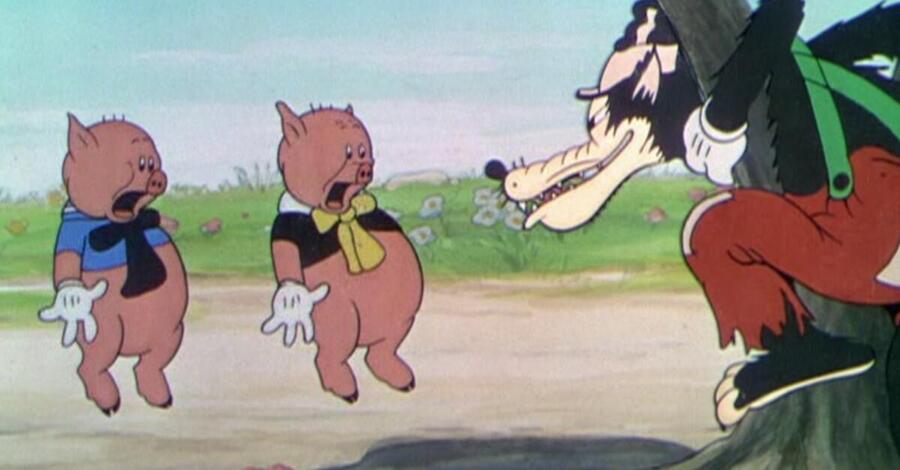
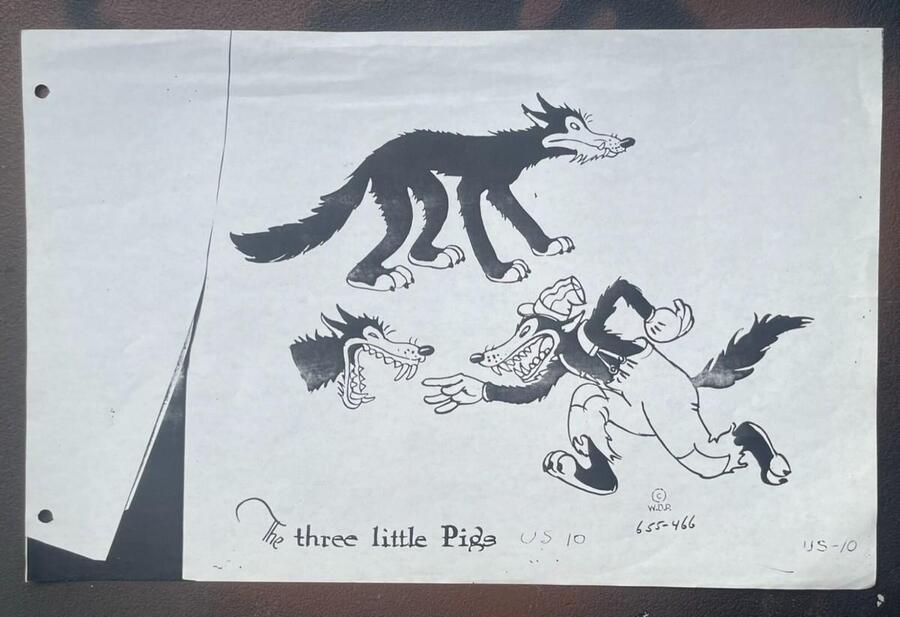
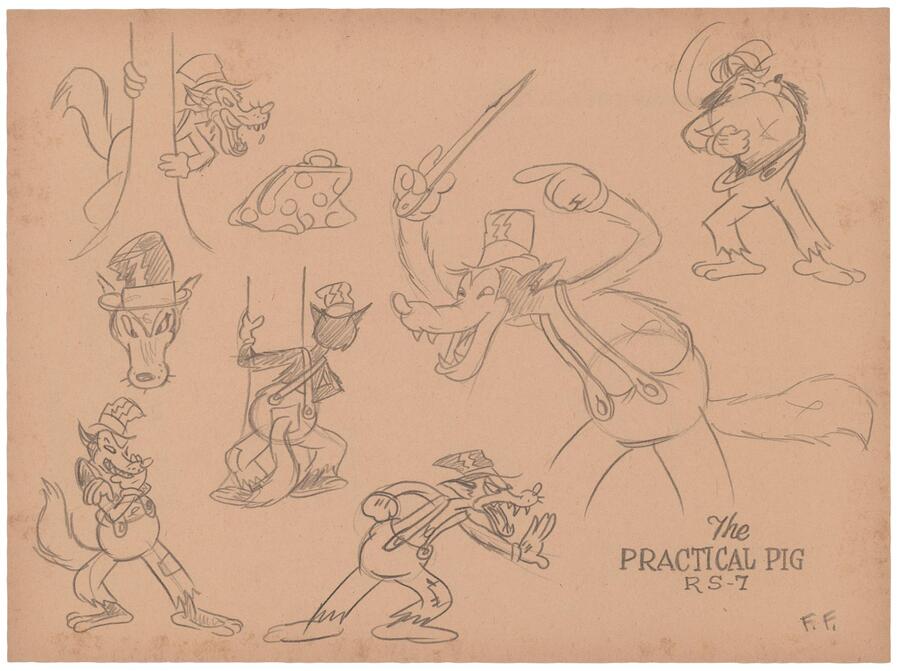
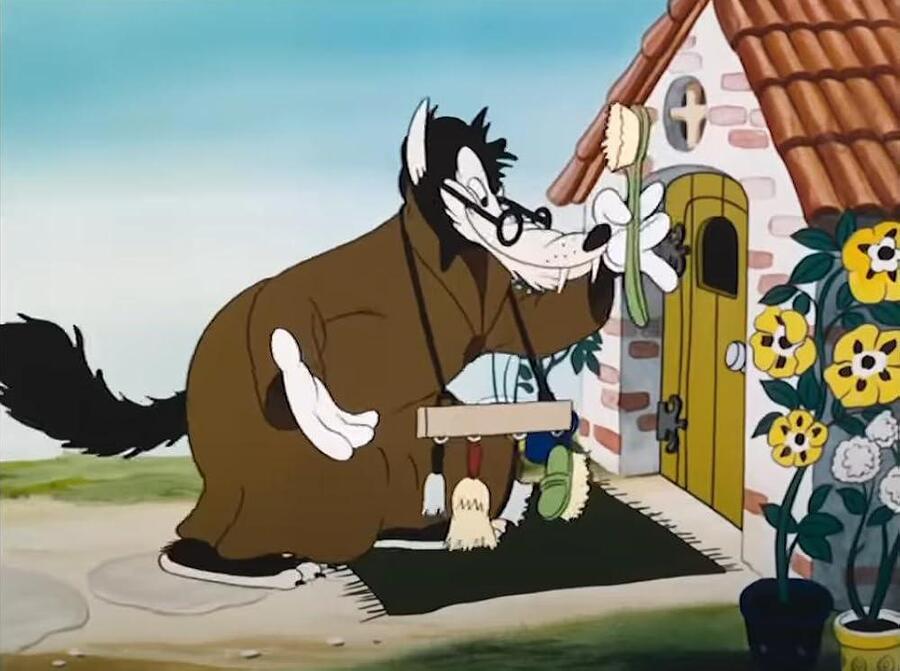
02 / 1920s–1940s / Teeth, Claws, and Big Eyes
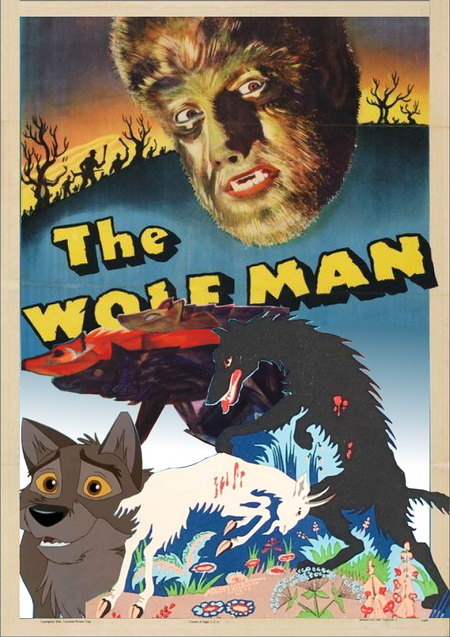
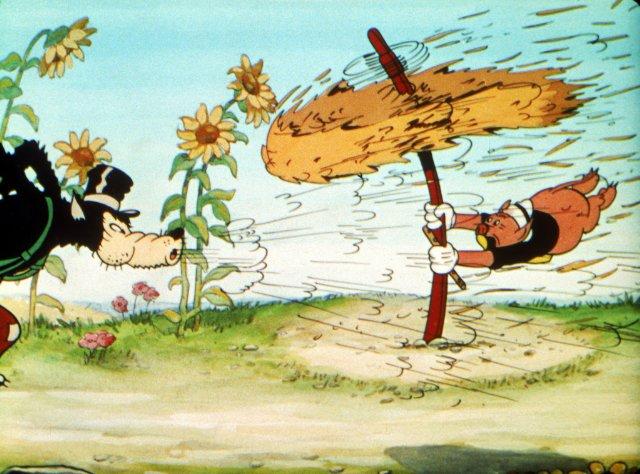
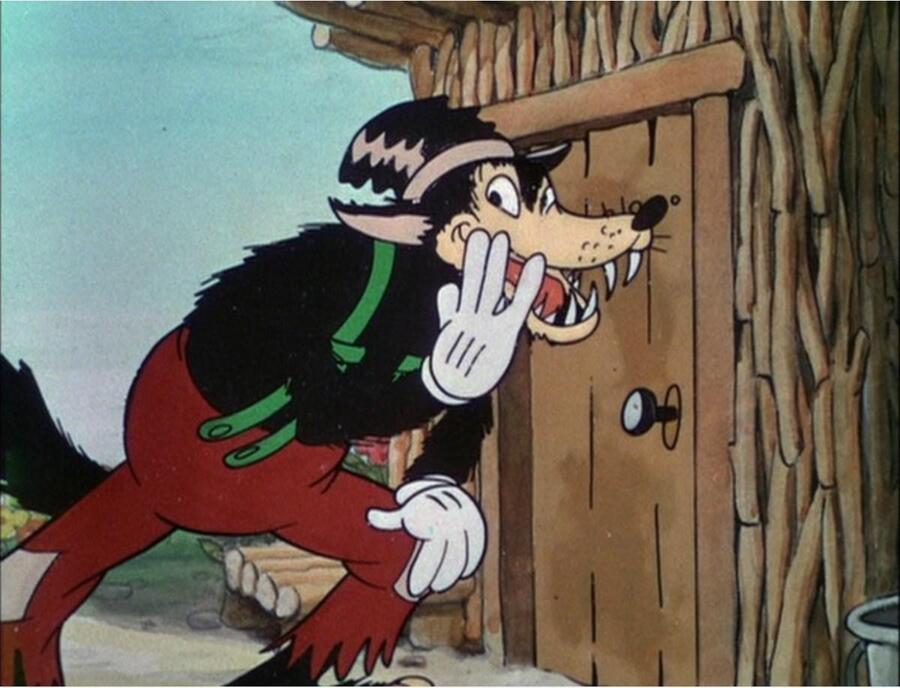
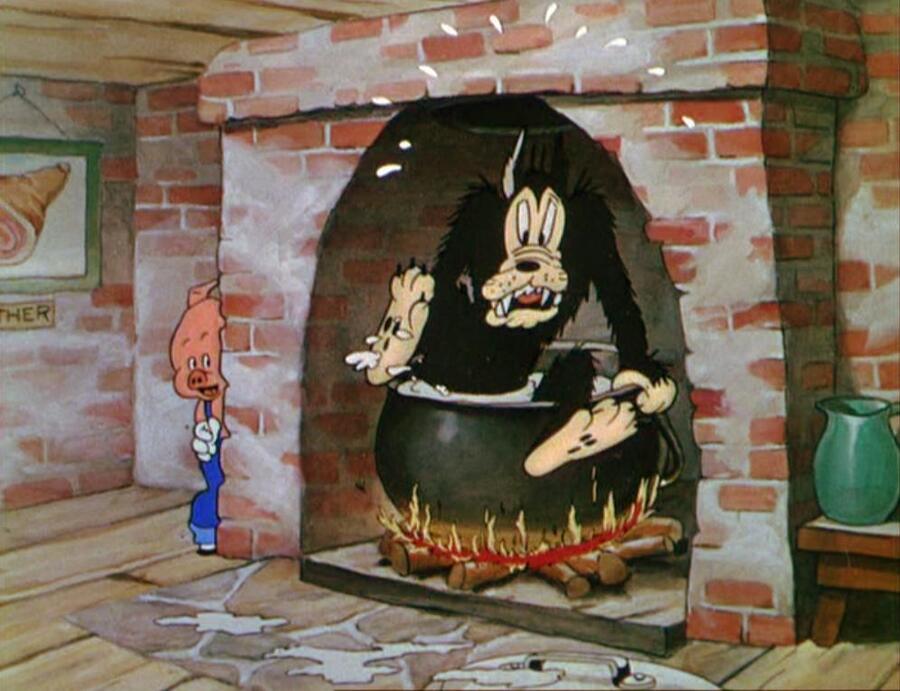
The wolf as a villain in fairy tale illustration, animation, and mass culture.
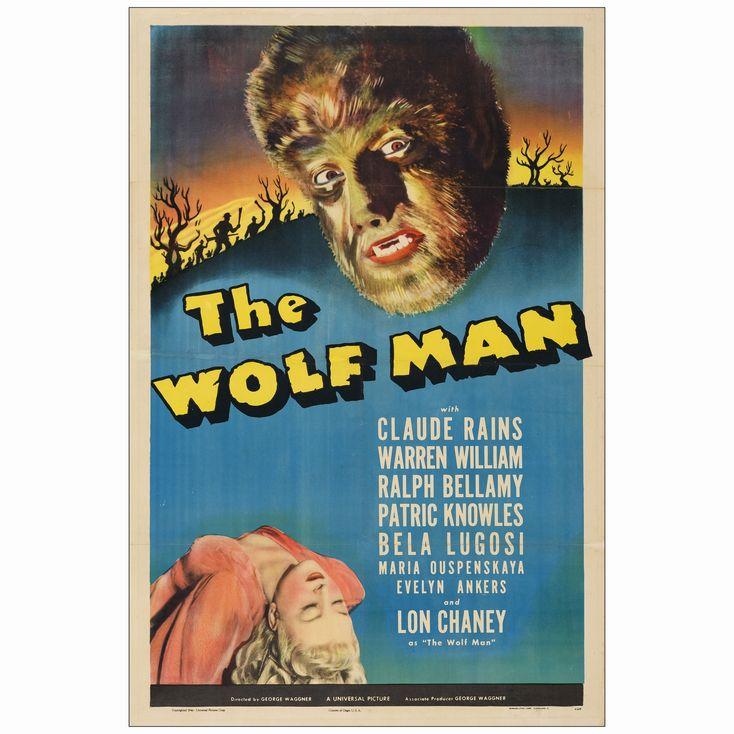
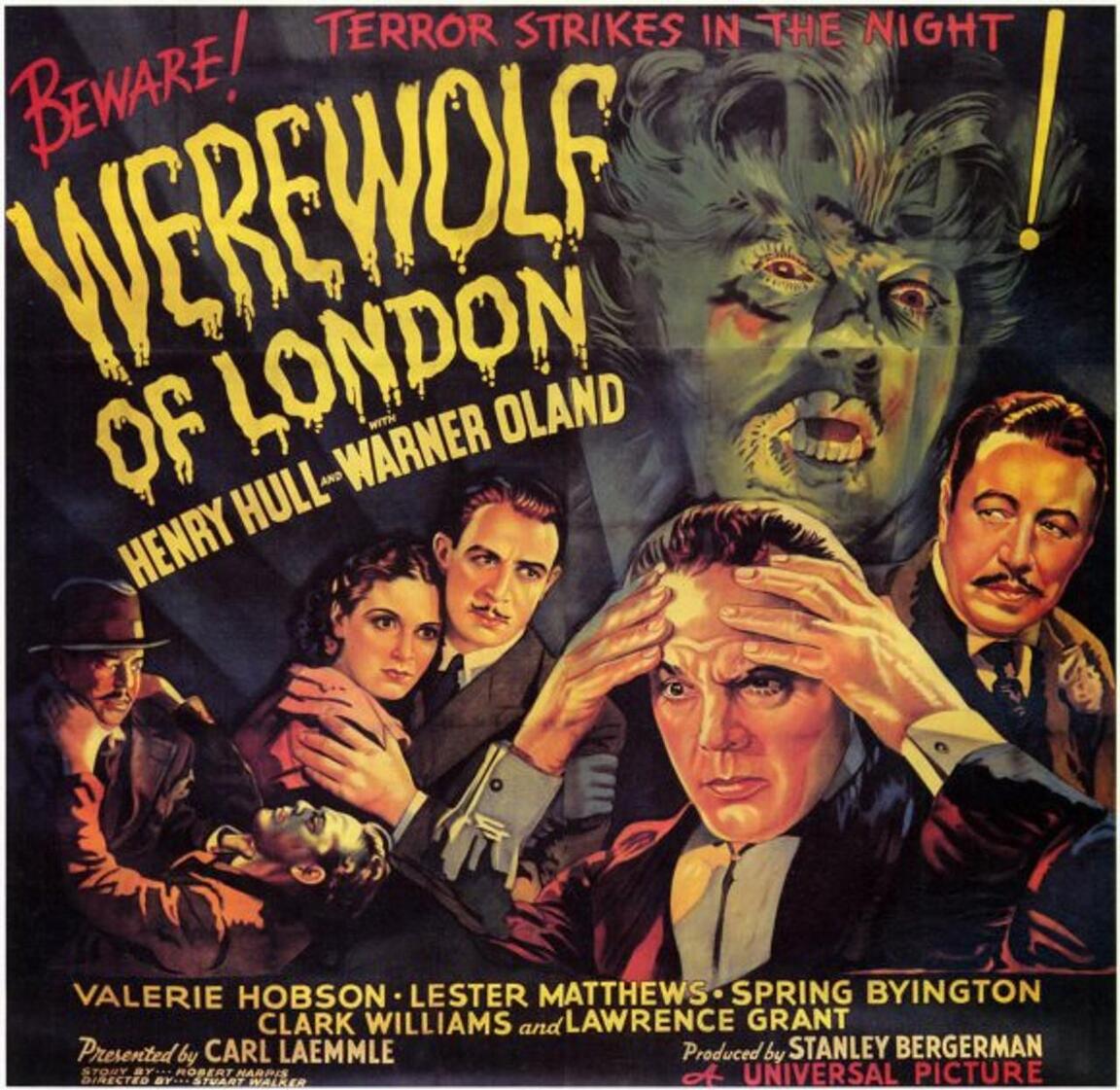
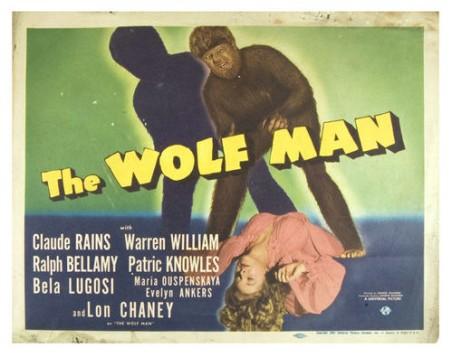
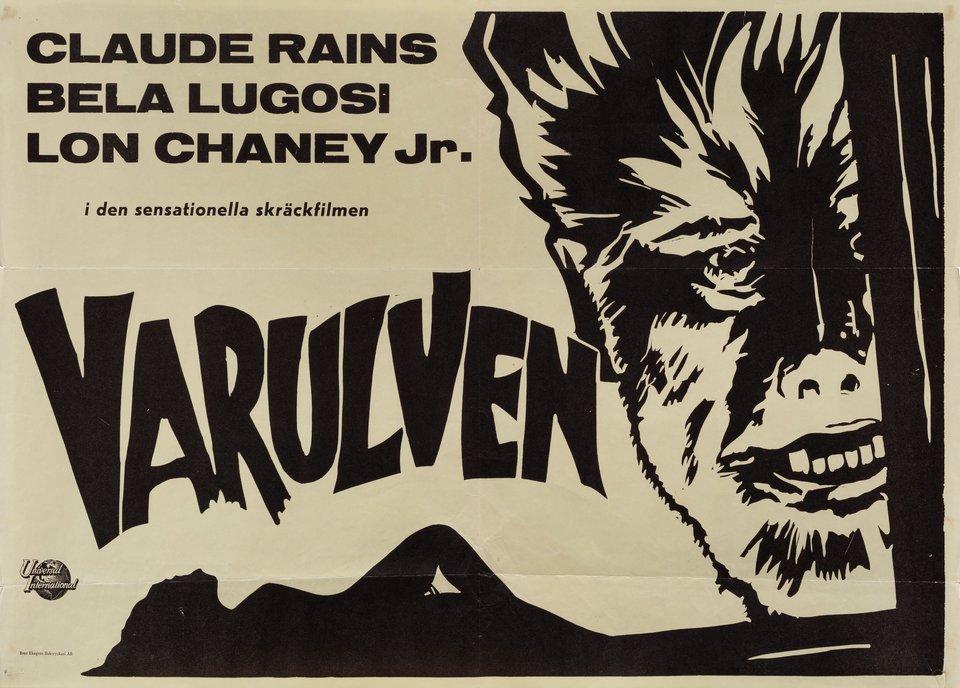
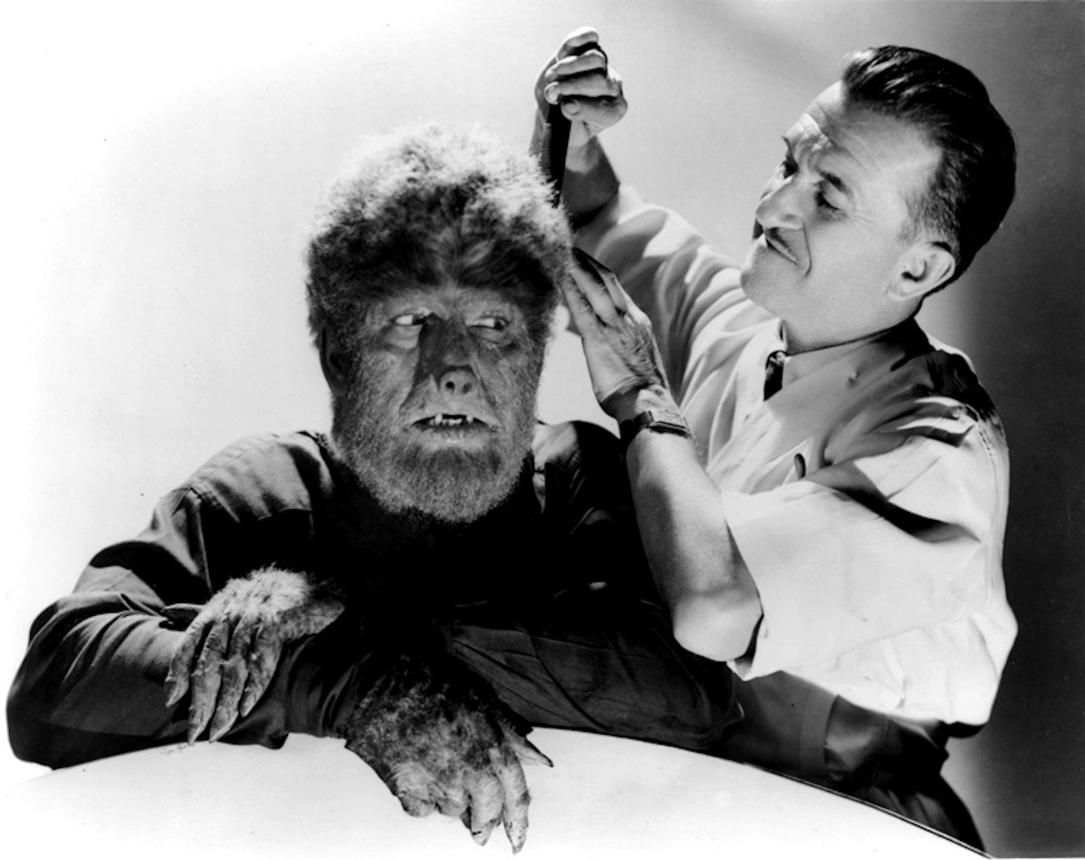
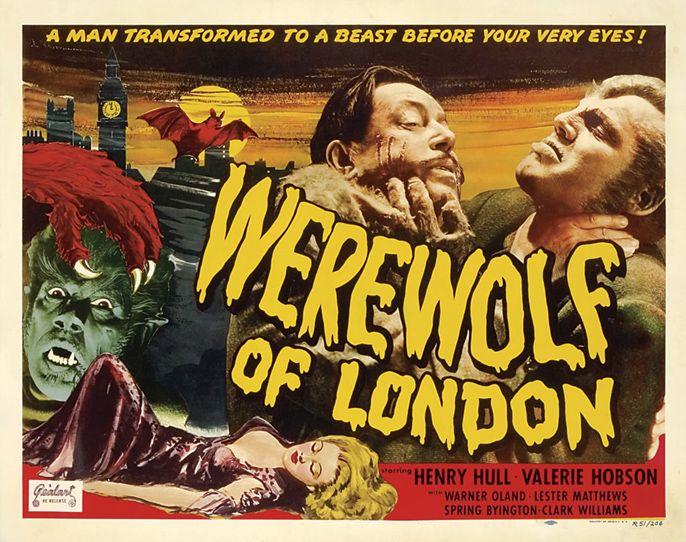
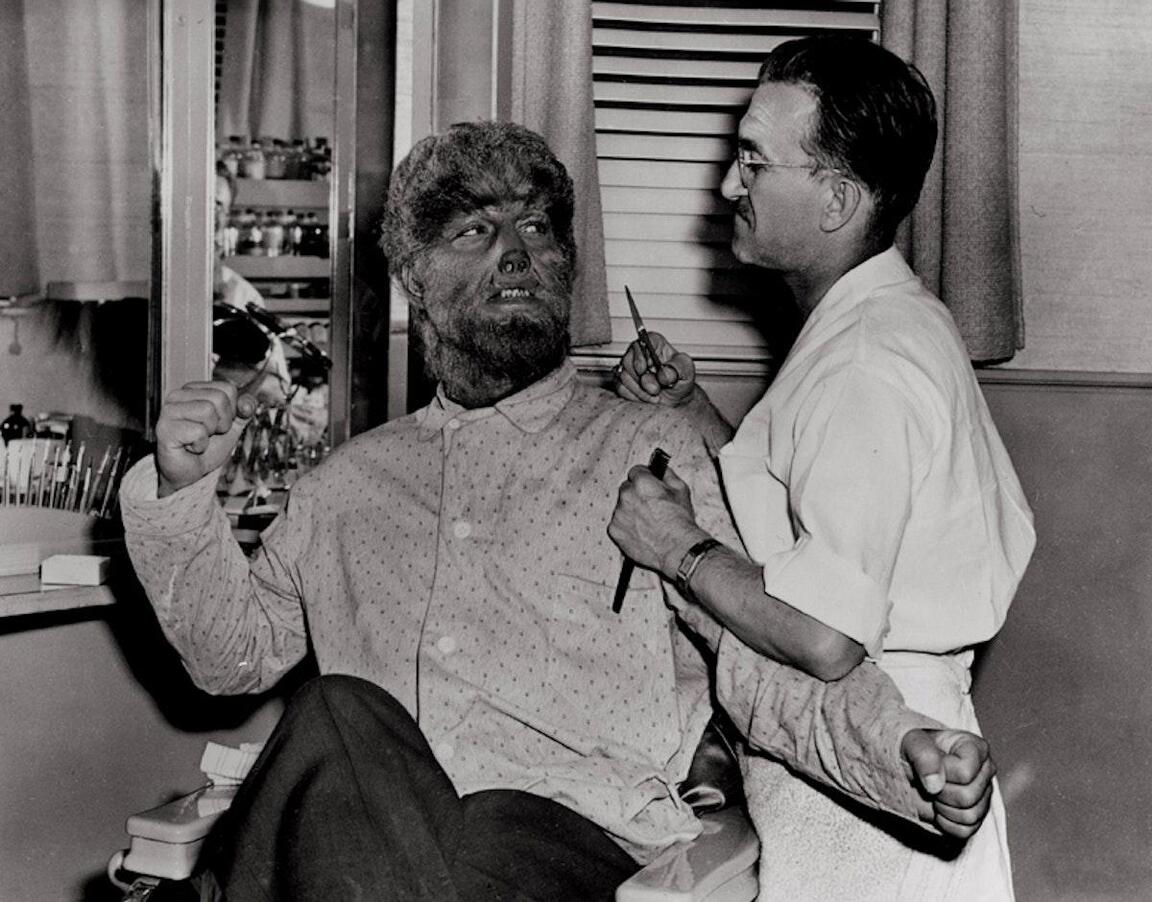
03 / 1930s–1960s / Man Within the Beast
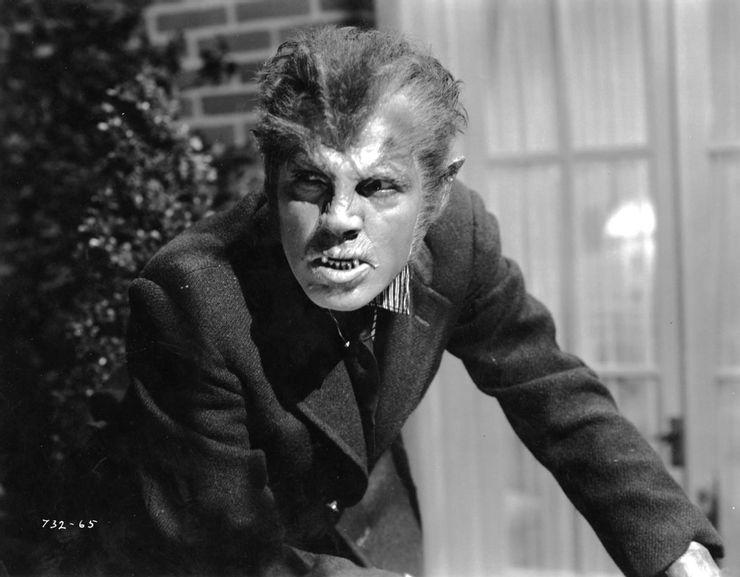
The werewolf, the monster, the duality of human nature.
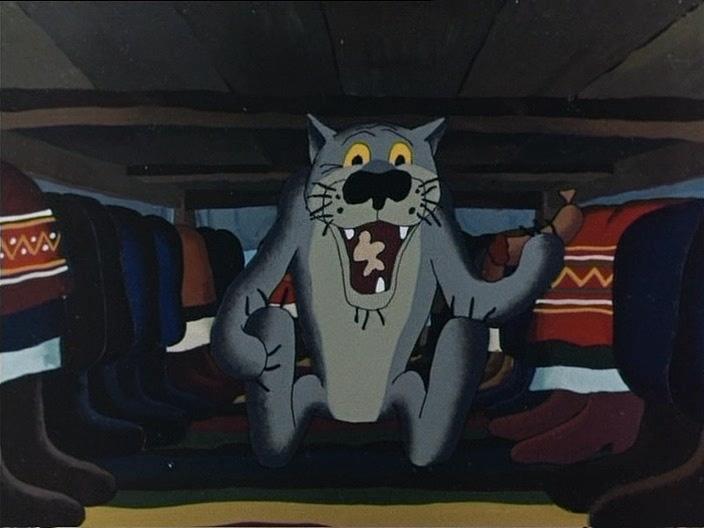
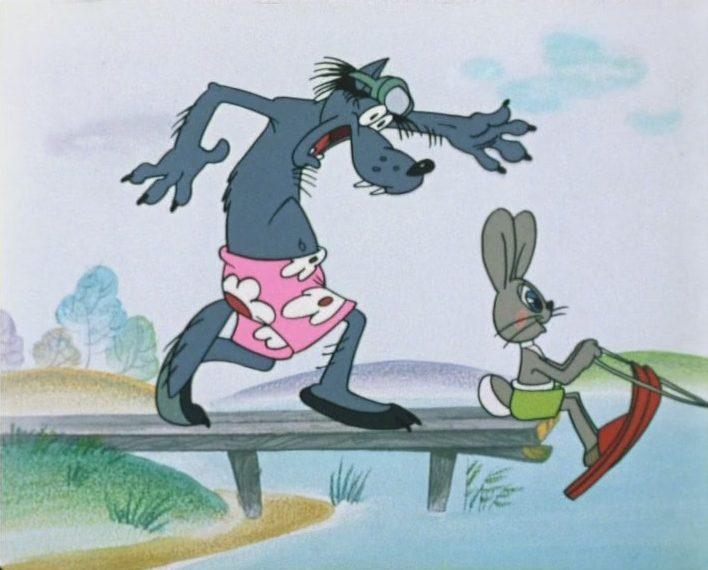
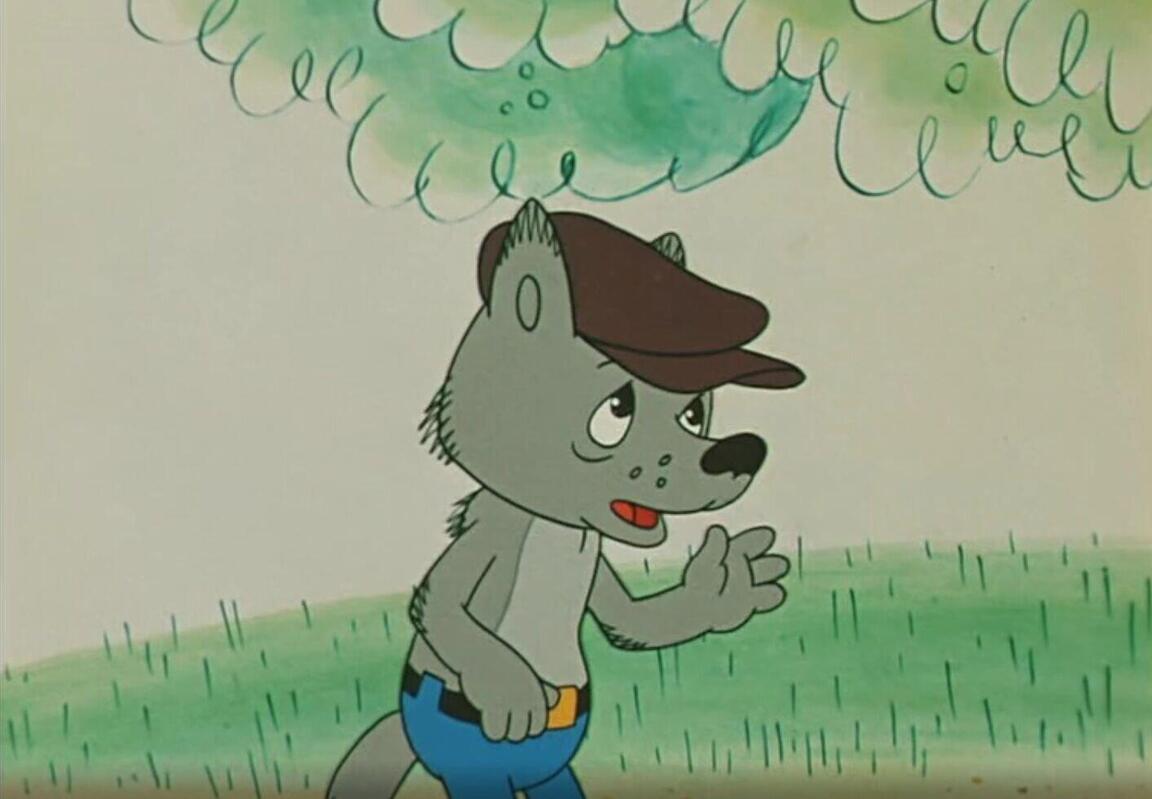
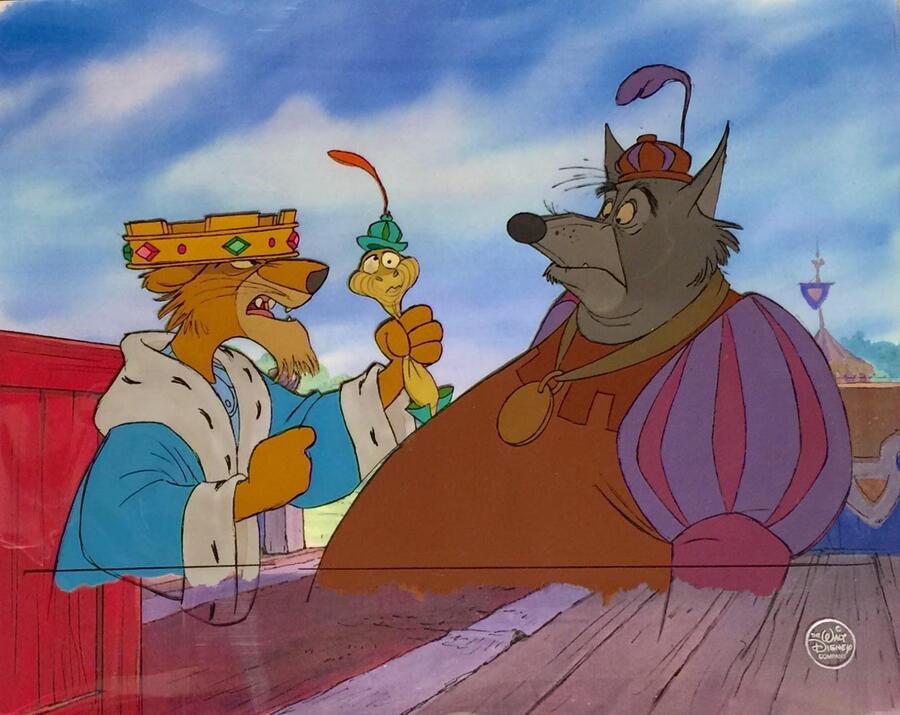
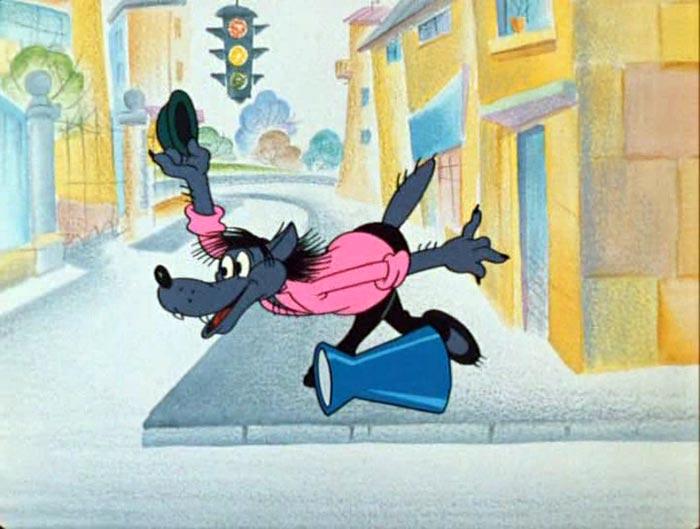
04 / 1960s–1980s / The Wolf Finds Its Place
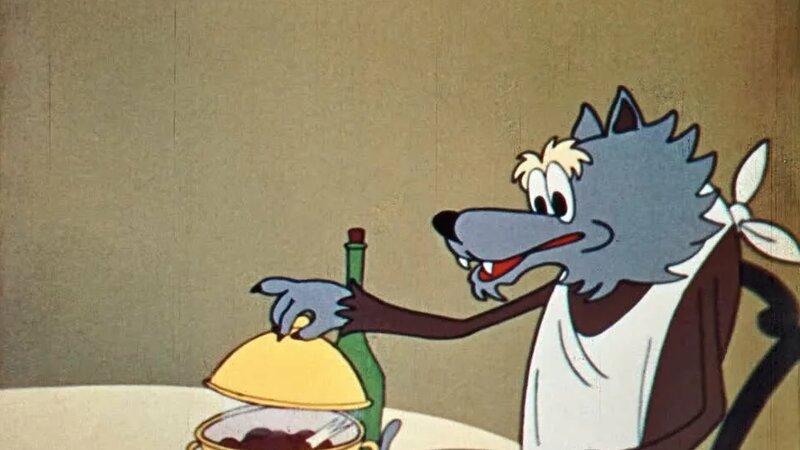
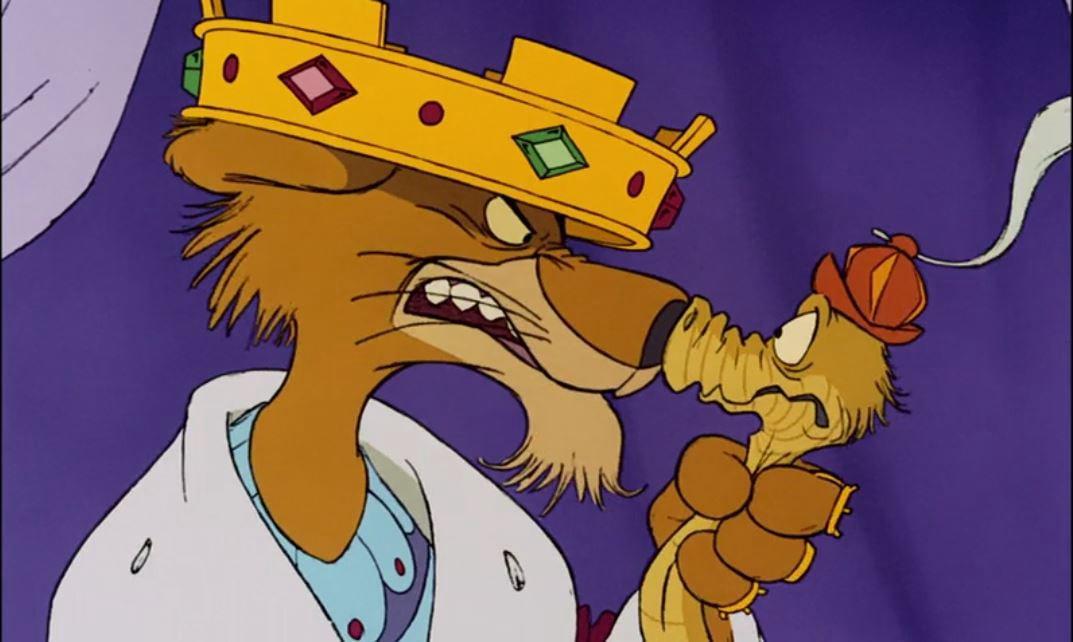
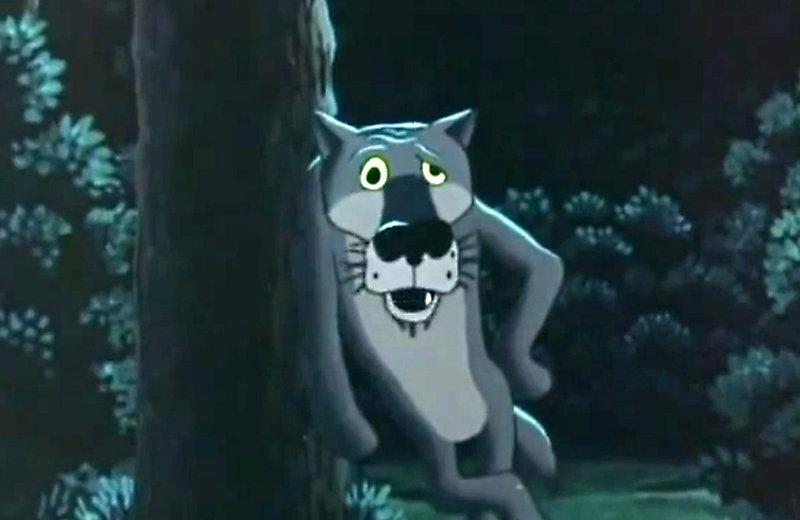
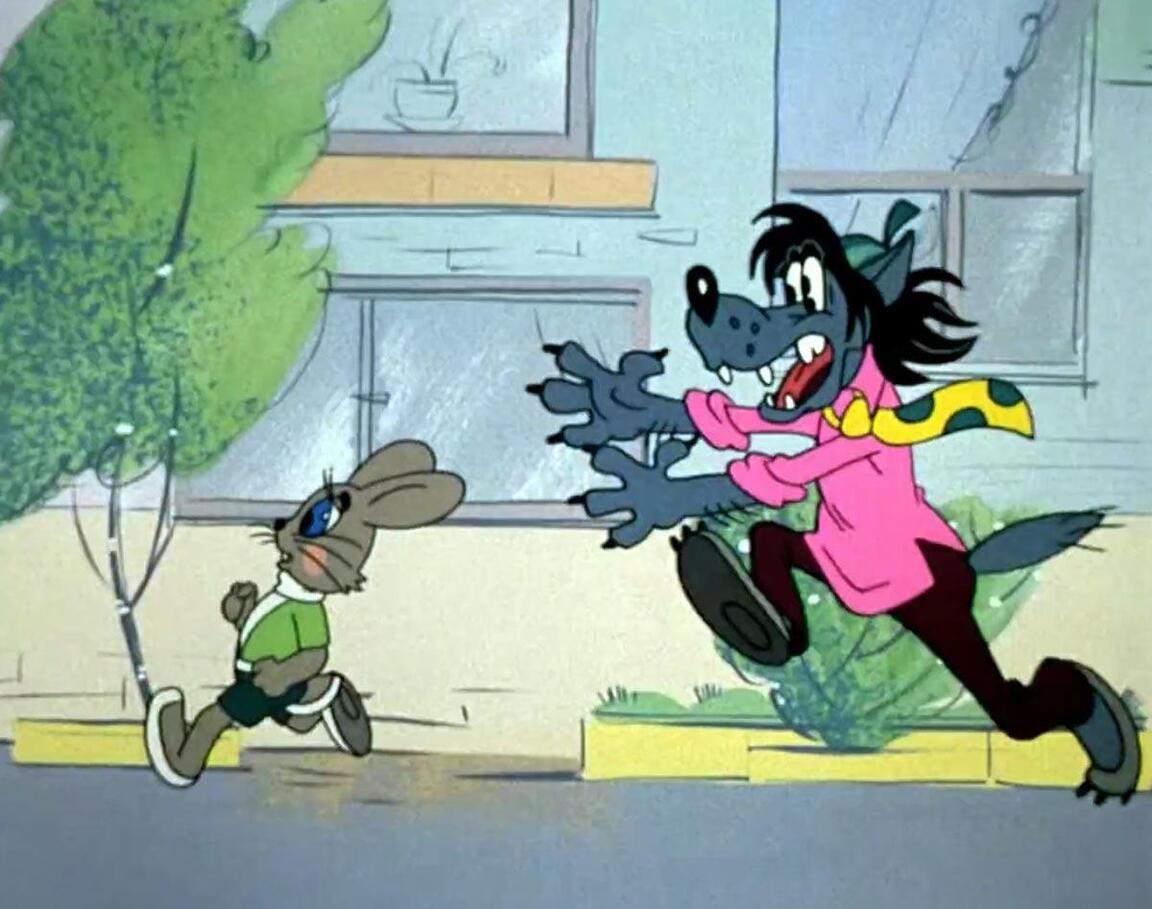
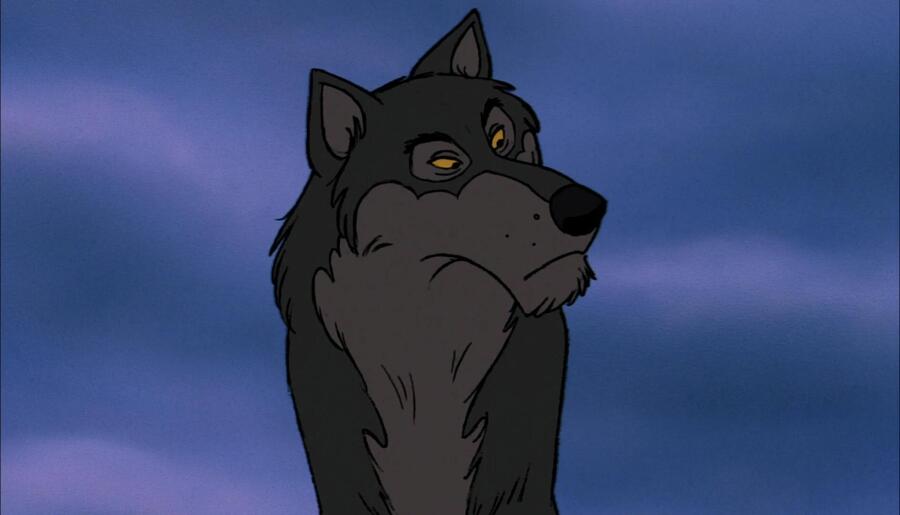
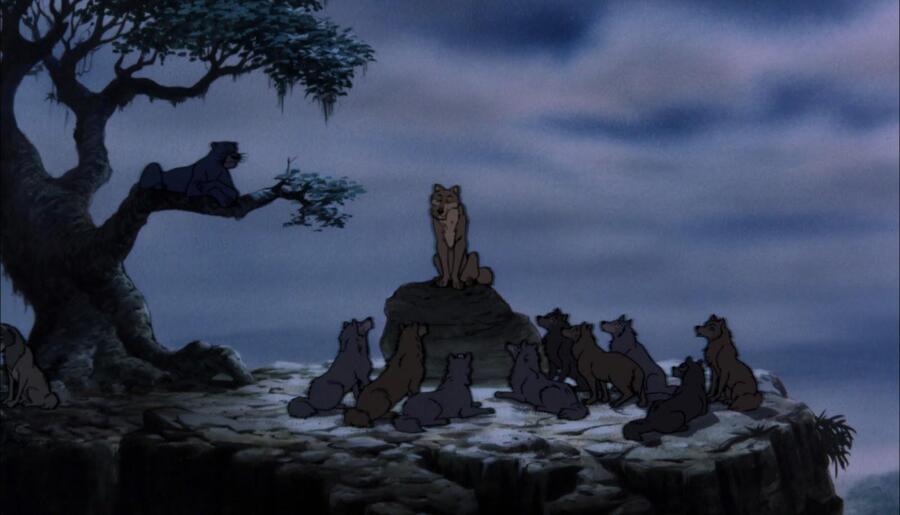
A comedic, charismatic, and humanized character in Soviet and foreign animation.
05 / 1970s–1990s / The Lone Wolf
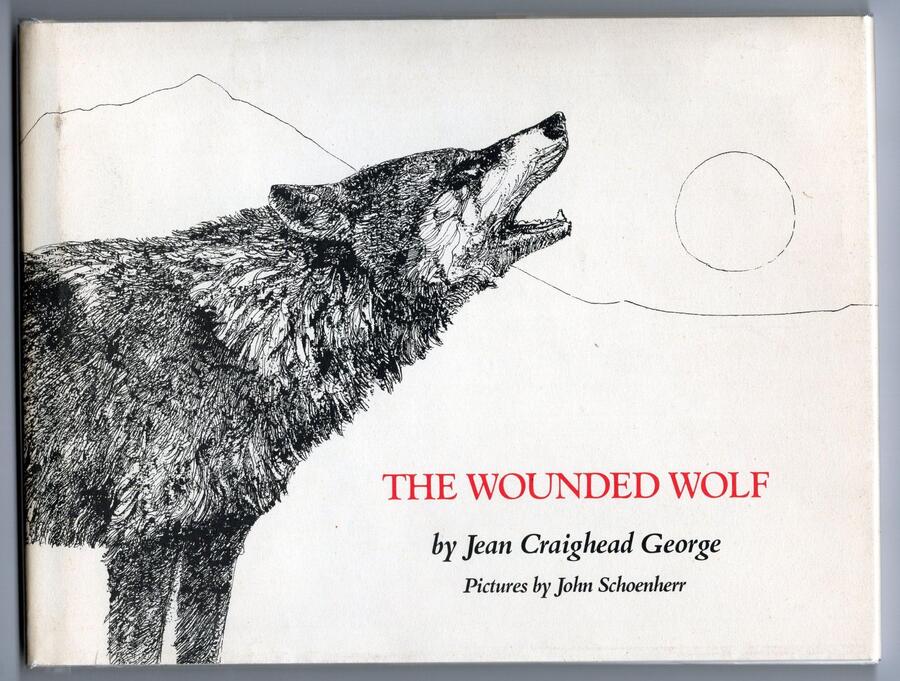
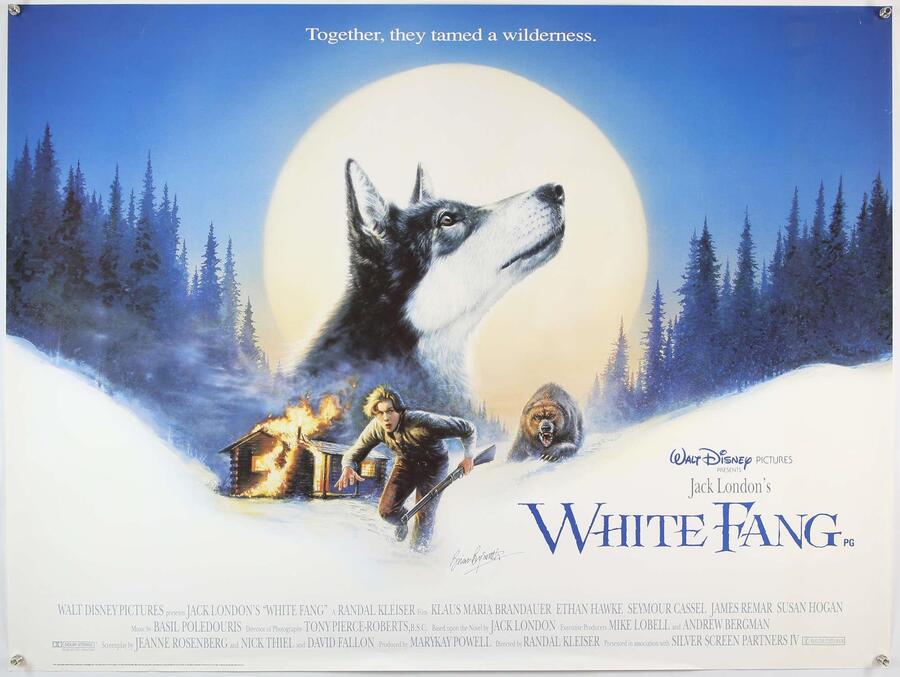
The wolf as a symbol of freedom, solitude, loyalty, and independence.
06 / CONCLUSION / So, Who Is the Wolf?
Comparison of archetypes, testing the hypothesis, and drawing conclusions.
The Rubicator in the final will look different; here is just a brief description for now.
01. Wild and Incomprehensible
02. Teeth, Claws, and Big Eyes
03. The Human Within the Beast
04. The Wolf Becomes His Own
05. Soloist
Conclusion