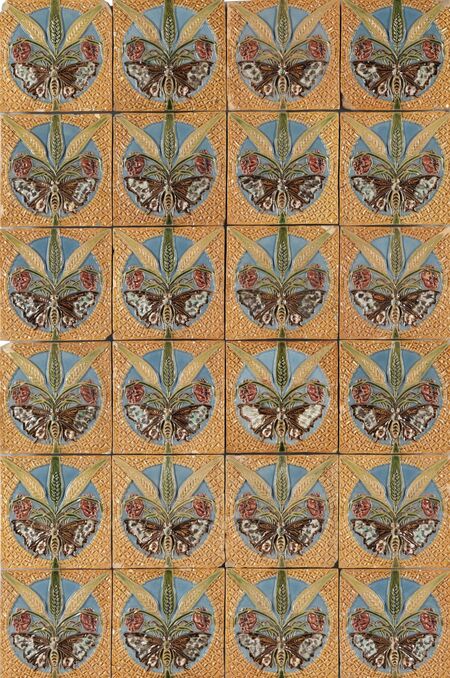
«Azulejo» is a geometric composition of ceramic tiles with handmade color painting.
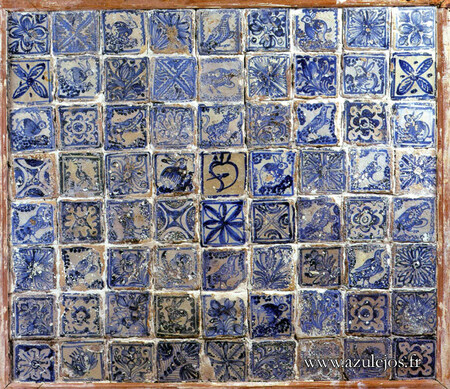
The term «azulejo» derives from the Arabic «al-zulayj» (al-zulaich), meaning «polished stone.» The history of tiles begins in the 8th century in the territory of the West African state of Mauritania, a period when Islamic culture was actively spreading there as a result of Arab conquests. Cities developed along major caravan trade routes, and Arab artisans arrived there hoping to find work.
Initially, «azulejos» referred to stone tiles used for wall cladding in the cuenca or arista technique. The colorful designs (white, yellow, green, and blue were used) were glazed in a special manner—by creating raised borders to prevent color mixing during firing. Images were limited to simple geometric symbols and vegetation due to Islamic restrictions against depicting living beings.