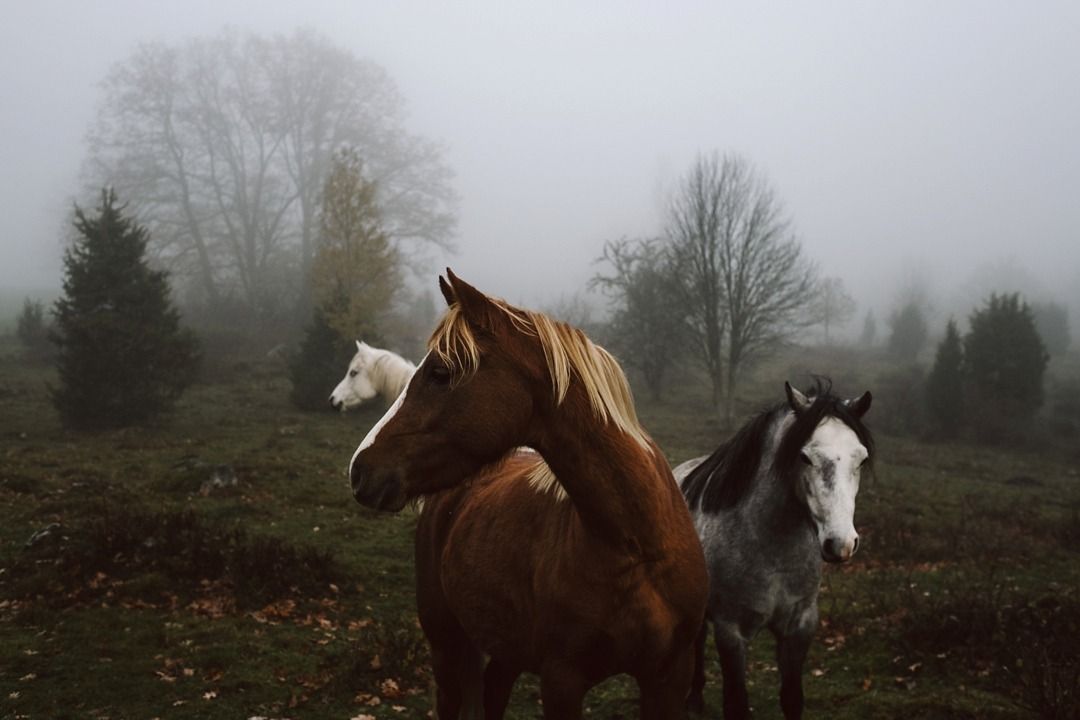
MEDIA CONCEPT
«IN THE FIELD» is media about the world of horses, a world far broader than equestrian sport. We cover the interaction between humans and horses, analyze the structure of equestrian sports, explore history and culture, and showcase the people for whom horses have become a part of life.
The media blends practical knowledge, historical and cultural narratives, personal stories, and visual content. It helps readers not only learn new things about horses but also better understand their behavior, the nuances of human interaction, and their place in culture.
Goal: To create a media platform that allows our audience to explore the world of horses from many perspectives—from the fundamentals of equestrian sport to its history, art, and the daily life of the equestrian community.
Audience: people involved in equestrian sports or those just beginning to learn about them/horse lovers interested in learning more about their behavior, care, and interaction with humans/readers interested in the history, art, literature, and culture related to horses/individuals working in the equine industry or interested in how it operates.
Primary Platform: Telegram channel. The main publication rhythm is three times per week.
Formats: original articles, explanatory materials, visual collections, interviews, personal stories, polls, and interactive posts.
Thematic Directions:
Equestrian Sports — disciplines, rules, competitions, tack, and rider training.
Human and Horse — behavior, communication, training, trust, and daily work with the animal.
History of the Horse — the changing role of the horse in society, historical events, and traditions.
Horse in Culture — painting, literature, cinema, photography, and other art forms.
People of the Equestrian World — stories of riders, trainers, horse owners, and specialists whose work involves horses.
Project Highlights: Examining the horse not only as a sports partner but also as an animal with its own behavioral traits and needs. A combination of practical information, cultural narratives, and personal stories. Explaining complex topics in accessible language, requiring no prior knowledge from the reader. Focus on visual culture: photographs, archival materials, illustrations, and the details of the equestrian world. Relying on verifiable sources in historical, scientific, and sports content.
DATA SOURCES FOR MEDIA
Official Sports Sources
International Federation for Equestrian Sports
Source for international rules, calendars, competitions, results, news, and materials regarding equine welfare.
For media: sports primer, discipline breakdowns, international competitions, rule changes
Russian Equestrian Federation
Russian regulations, normative documents, qualification requirements, competition calendar, and resolutions from relevant committees
For media: Russian equestrian sports, competitions, national rules, and sports news
Academic and Educational Resources
The British Horse Society
Educational materials on horse behavior, content, care, and welfare. There are separate recommendations for recognizing stress and behavioral changes.
For media: «Human and Horse,» animal behavior, daily care
Google Scholar
Search for scientific articles, research, and reviews in veterinary science, physiology, psychology, and horse behavior.
For media: materials on animal behavior, health, workload, and human-animal interaction.
PubMed
Biomedical literature database where you can search for research on veterinary medicine and horse health.
For media: verifying medical and science-popular claims. Does not replace consultation with a veterinarian.
Historical and Cultural Sources
The Metropolitan Museum of Art
Museum records for artworks, including information on creators, dates, and materials. An open API is available for data retrieval and searching. Images marked Open Access can be reused under CC0 terms.
For media: horses in painting, the history of equine portraiture, visual collections
The British Museum
Archaeological objects, historical artifacts, images, and information about the culture of different eras.
For media: the history of the horse in daily life, mythology, warfare, and material culture.
Proprietary media sources
Not all information needs to come from the internet.
— Interviews with riders, trainers, grooms, veterinarians, and other specialists
— Personal observations and reports from training sessions and competitions
— Photographs and video materials shot by the editorial team
— Stories and questions from readers
— Expert commentary on controversial or complex topics
It is these original materials that can make «In the Field» a recognizable voice, rather than just a repeater of information from other sources.
DATA SCHEMA: HUMAN AND MACHINE PROCESSING
Automated services help collect, sort, and process information, while the human is responsible for veracity, meaning, editorial stance, and the final publication decision.
Task Segmentation