В Никола-Ленивце остановилось время
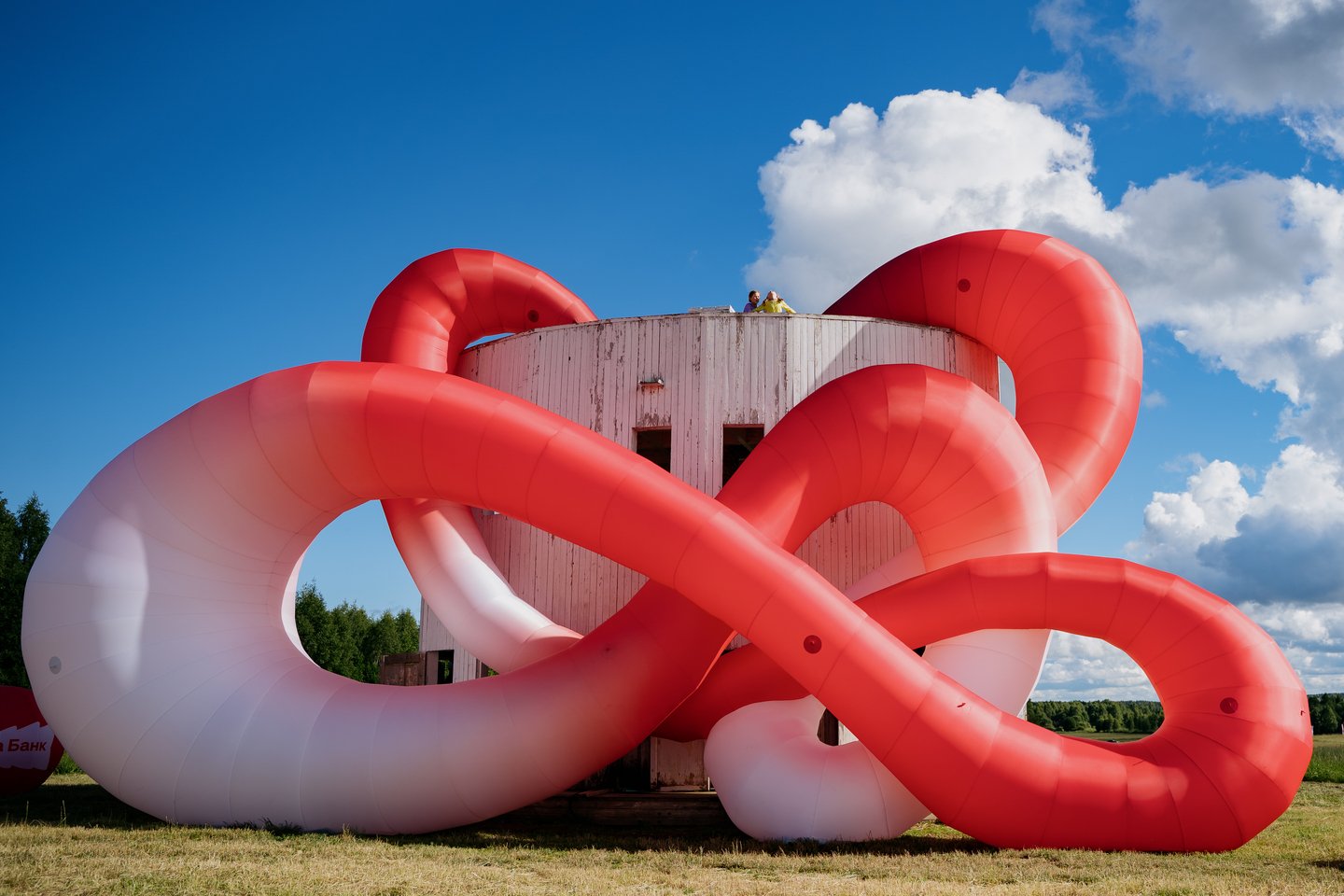
Kids rarely ask what the artist meant. While adults read the curator’s text, trying to figure out why another wooden structure appeared in the middle of the field, a child has already climbed to the top, come up with a name for it, and incorporated it into their own game.
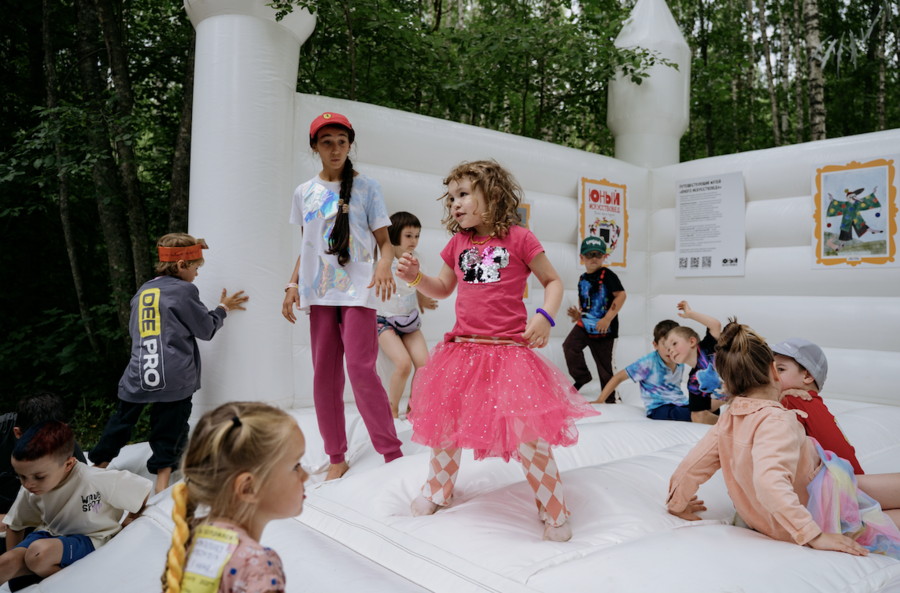
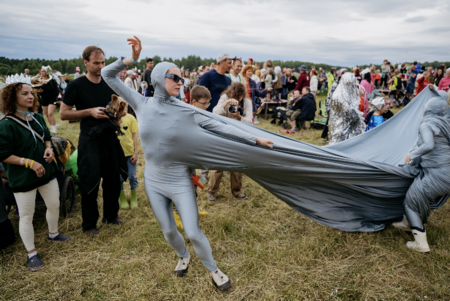
This is how the HSE Art and Design Kids School came to be. In the early years, the festival was not a separate event—kids simply attended the main Arkhestvaniye with their parents. It quickly became clear that they perceive contemporary art completely differently. For adults, the art objects were a prompt for conversation; for children, they were a space to play, explore, and invent their own stories. The organizers had no choice but to acknowledge the obvious—kids needed their own festival.
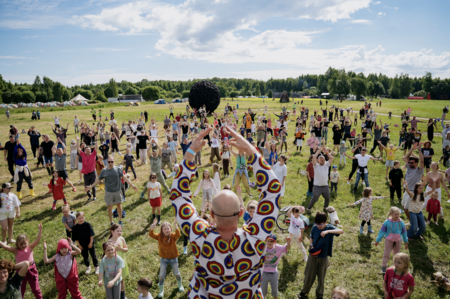
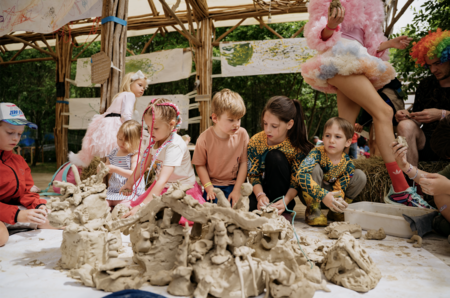
Over the past twelve years, the Kids School Art Camp has long surpassed its role as a family add-on to a larger festival. Today, it stands as a self-sufficient event with its own theme, artists, and program, where contemporary art is not simplified for children but rather entrusted to them as full-fledged viewers and participants.
This time, artists were asked to explore the concept of time. It seems like one of the most adult subjects. But if you think about it, children are the ones who feel time most acutely. For them, five minutes of waiting can feel like an eternity, while several hours of play pass by unnoticed. That’s why «Flexible Time» is less about clocks and more about childhood itself.
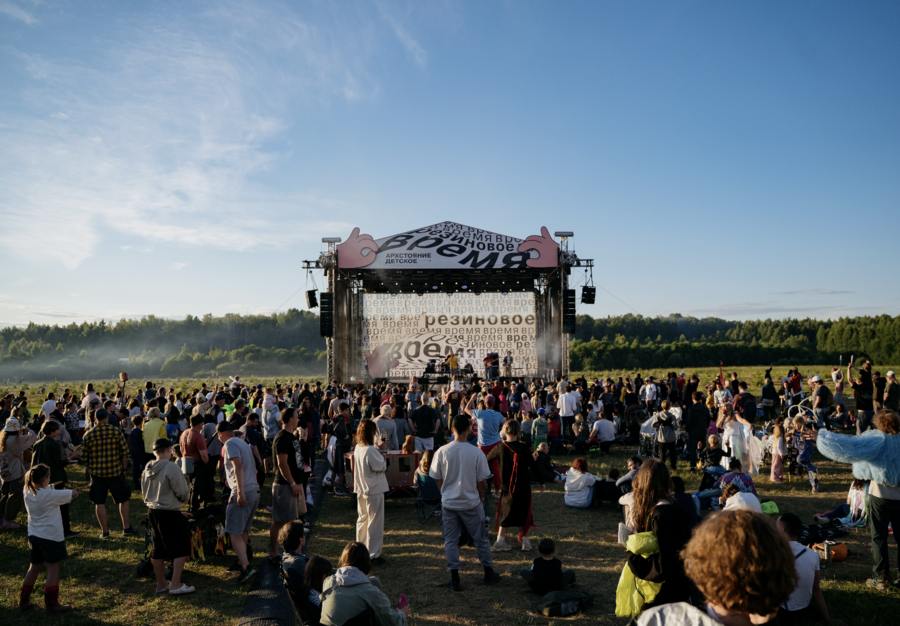
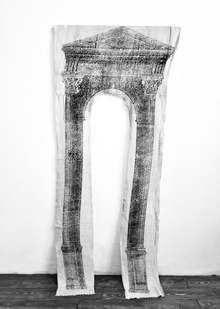
Perhaps this is why Vera Svetlova’s «Place for Boredom» is among the festival’s key exhibits. In a world where adults strive to fill every spare moment of a child, the artist proposes the opposite—to pause. Nearby, Nikolai Polissky invites viewers to count a vortex—an activity that is difficult to label as productive, but it compels one to look around. And Natasha Obukhova’s «Time Machine» suggests preserving not the past or the future, but the happiest moments that usually pass too quickly.
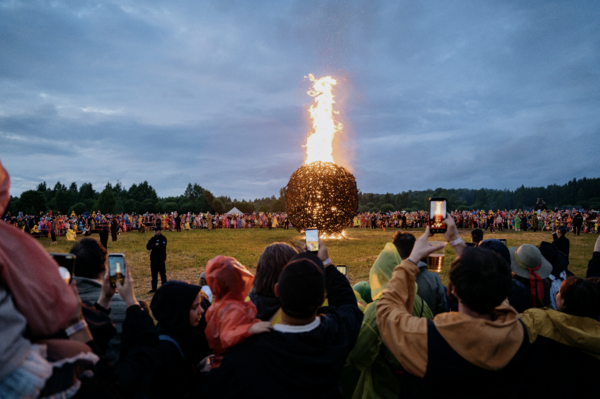
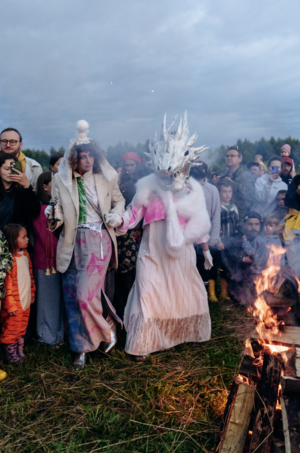
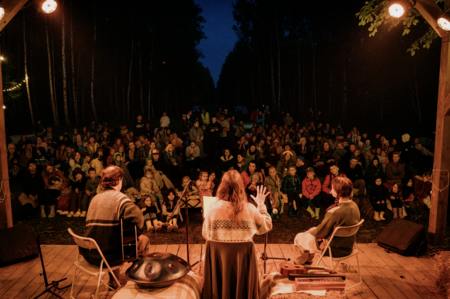
This same idea continues in the theater program, the evening campfire tales, and the Lost Time Lab—a space where one can officially stand still, drift into thought, or even track funnels. It seems this is one of the few festivals where none of this is considered a waste of time.
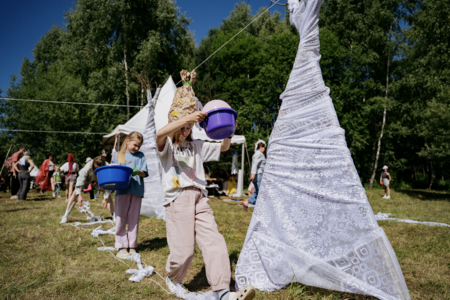
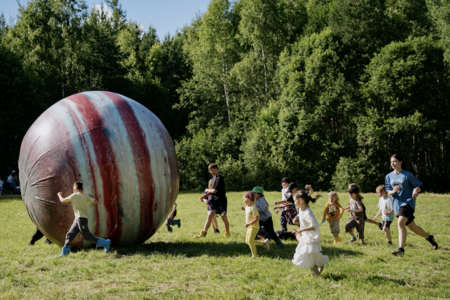
Perhaps that is why the Kids School is no longer just interesting for children. It reminds adults that there was a time when they, too, could spend an entire day without rushing anywhere. And that was enough for happiness.