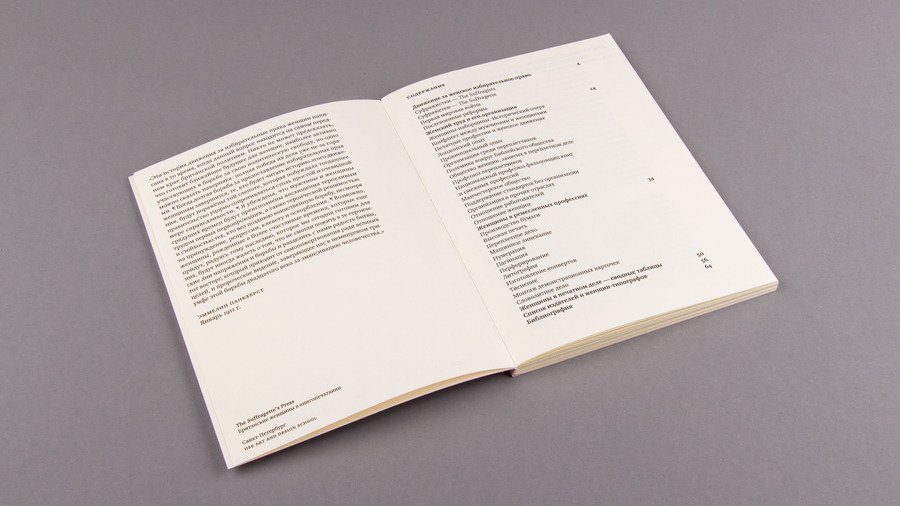
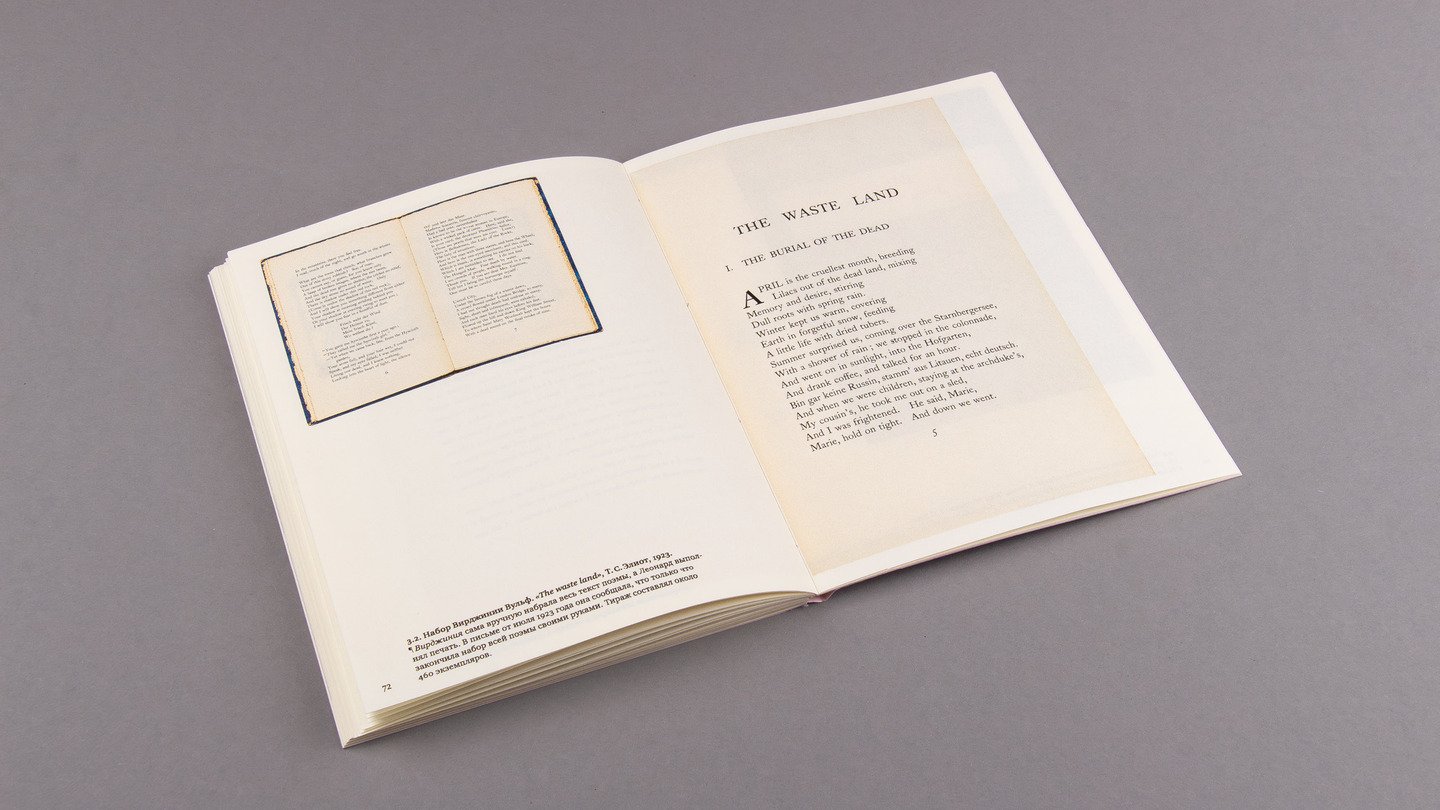
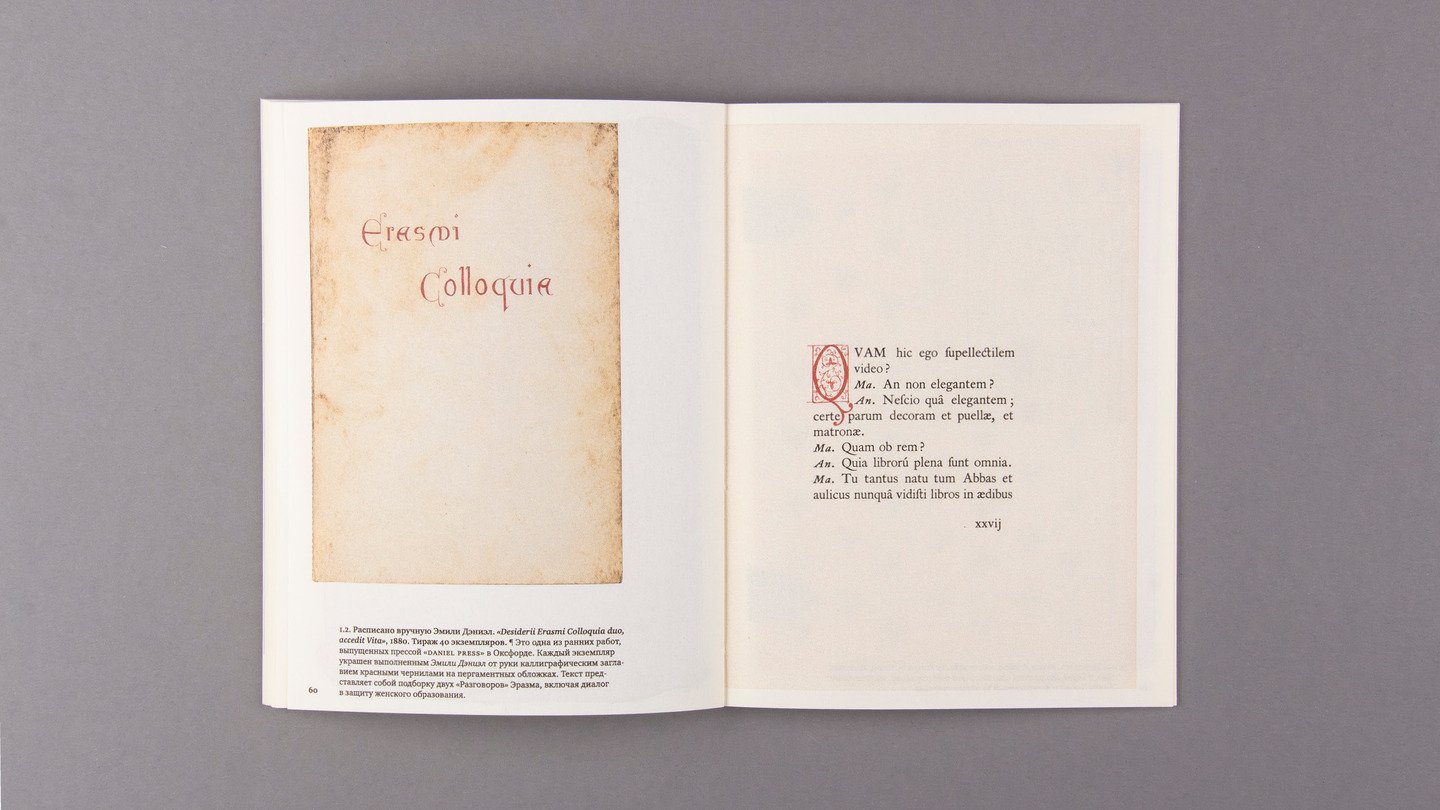
This book explores the history of female labor in British printing from the 19th to the early 20th century, examining the printing industry as a space for the struggle for professional independence, education, and women’s right to participate in public life.
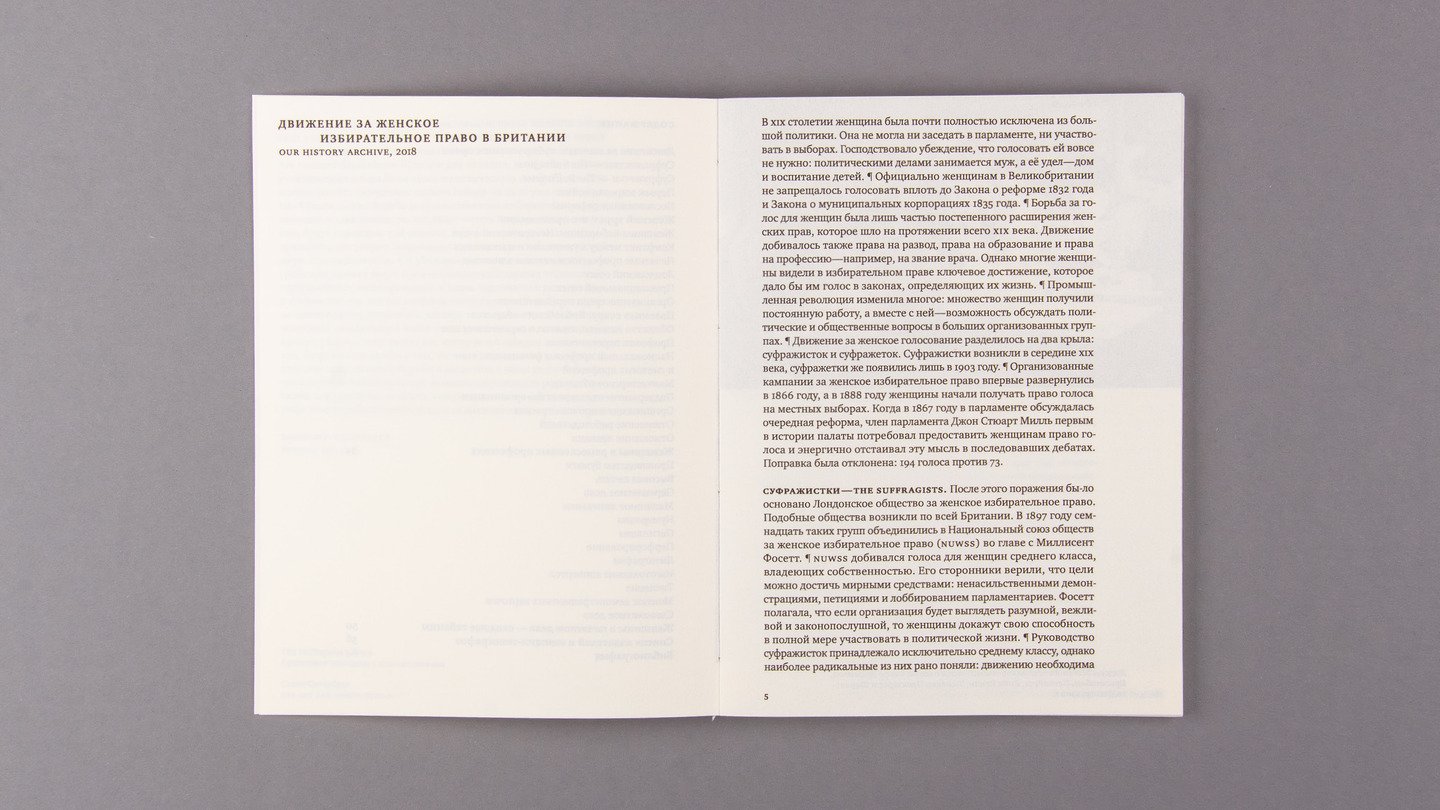
In the mid-19th century, women in Great Britain were completely excluded from public political life and lacked the right to vote or serve in parliament. Officially, they were not barred from voting until the Reform Act of 1832 and the Municipal Corporations Act of 1835. The fight for women’s suffrage became part of a broader emancipation movement—a crucial step toward gaining the ability to influence the laws that governed their lives.
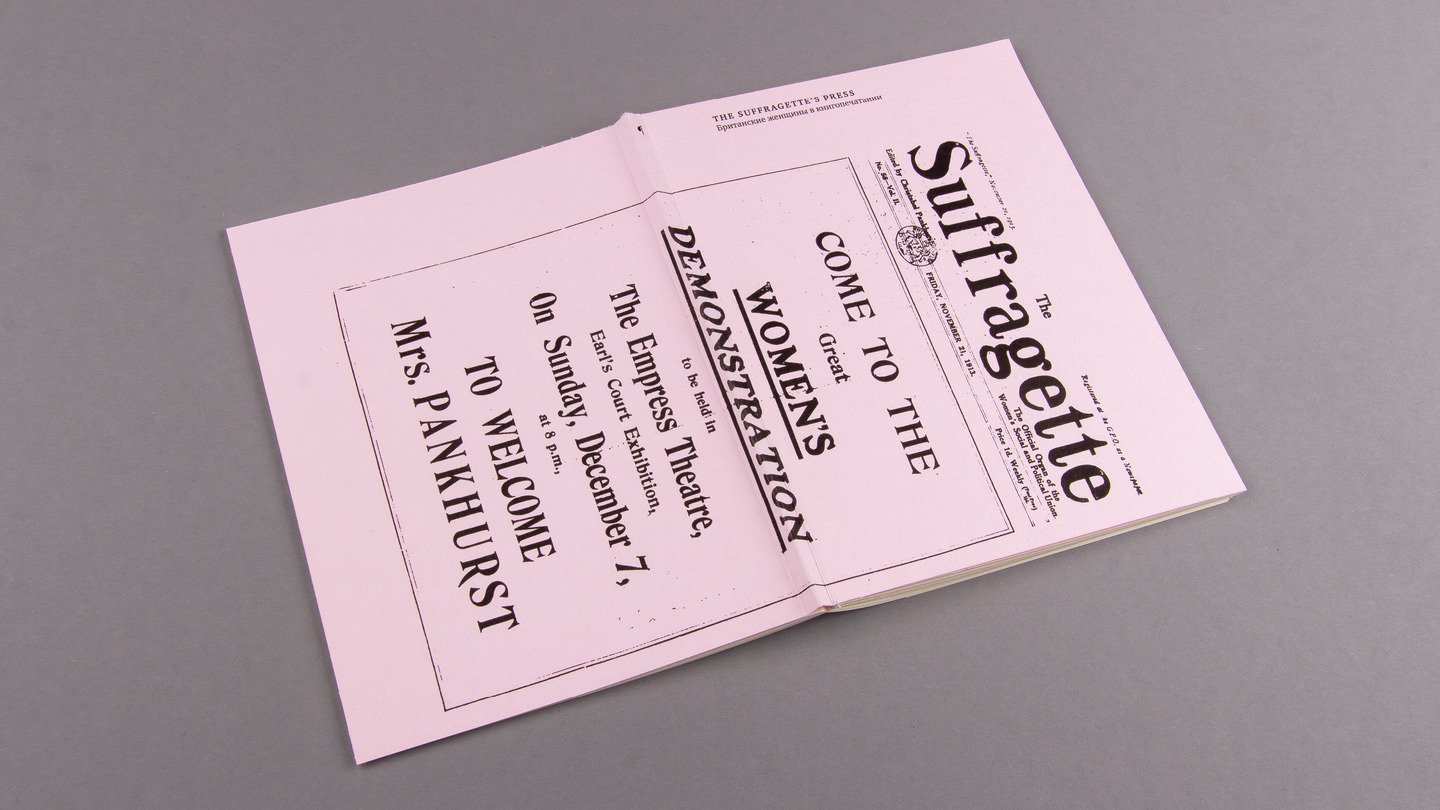
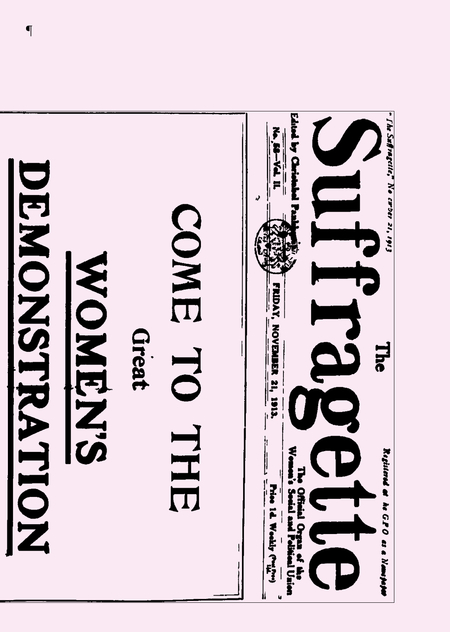
Issue of The Suffragette newspaper, dated November 21, 1913, featuring a poster inviting people to attend a demonstration by Mrs. Pankhurst—the founder of the early 20th-century women’s movement.
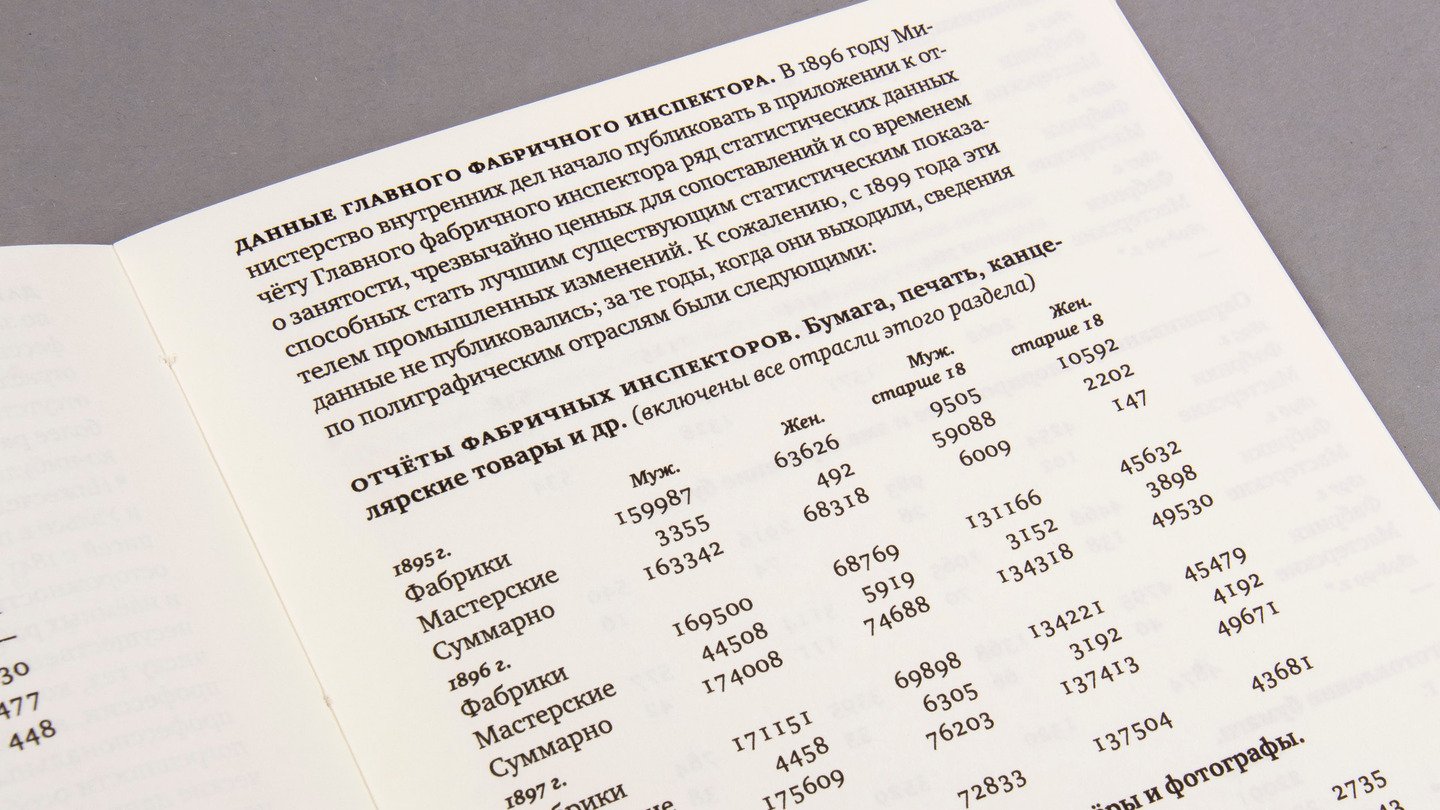
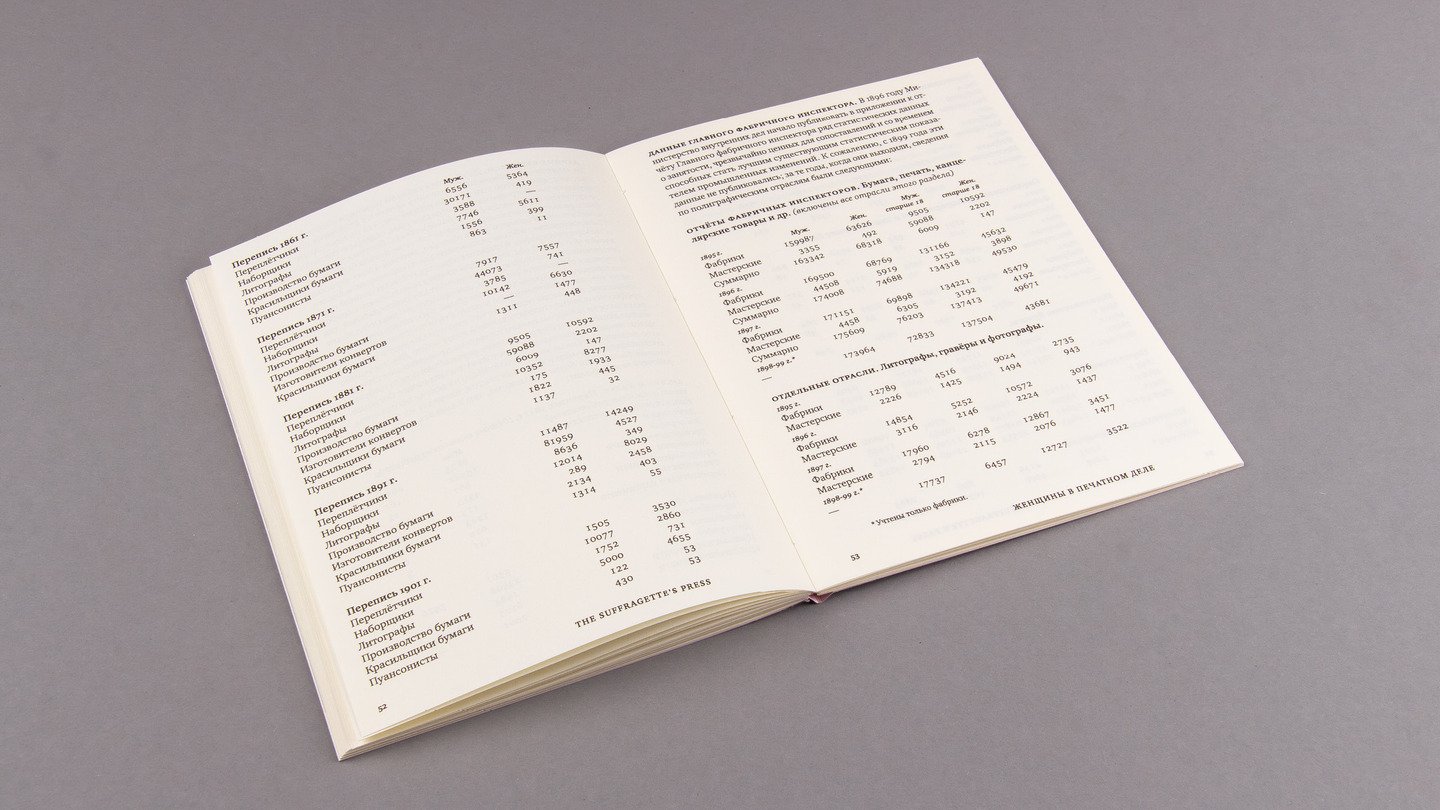
Some of the earliest mentions of women in the typographic profession date back to the 1860s, when their work met resistance from male trade unions. In 1886, women were formally permitted to join the Typographical Association and the London Typesetters' Society under the same terms as men, yet in practice, this barely changed the situation.
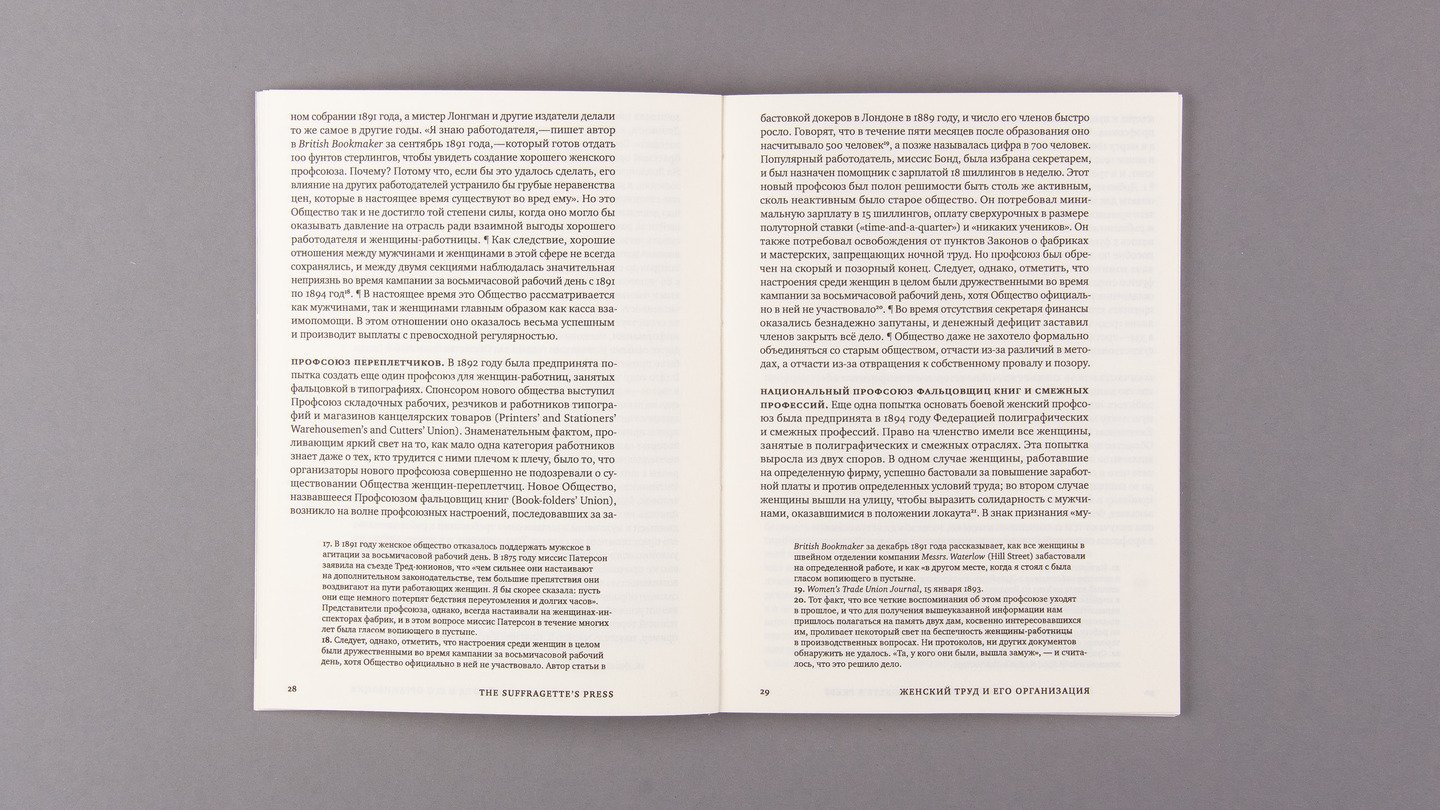
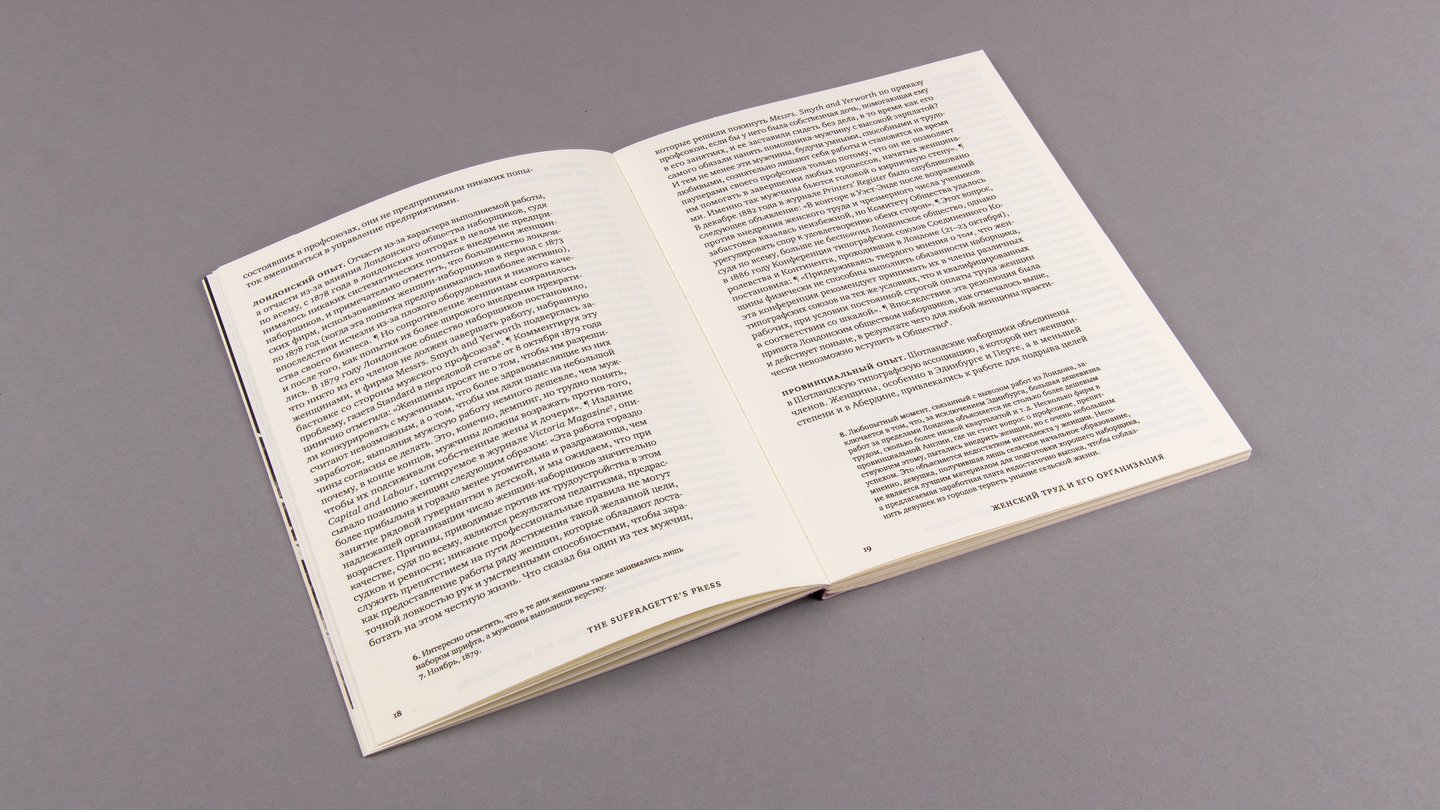
At this stage, the movement for female emancipation introduces a new chapter into the history of these professions. Several leading figures in the women’s rights movement viewed the printing crafts as well-suited to women’s skills and physical attributes; consequently, the first exclusively female printing houses and unions were soon established.
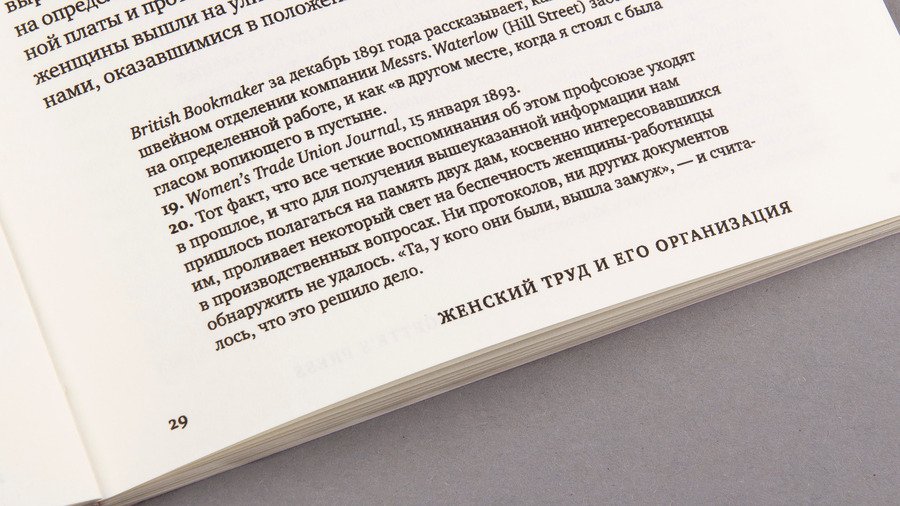
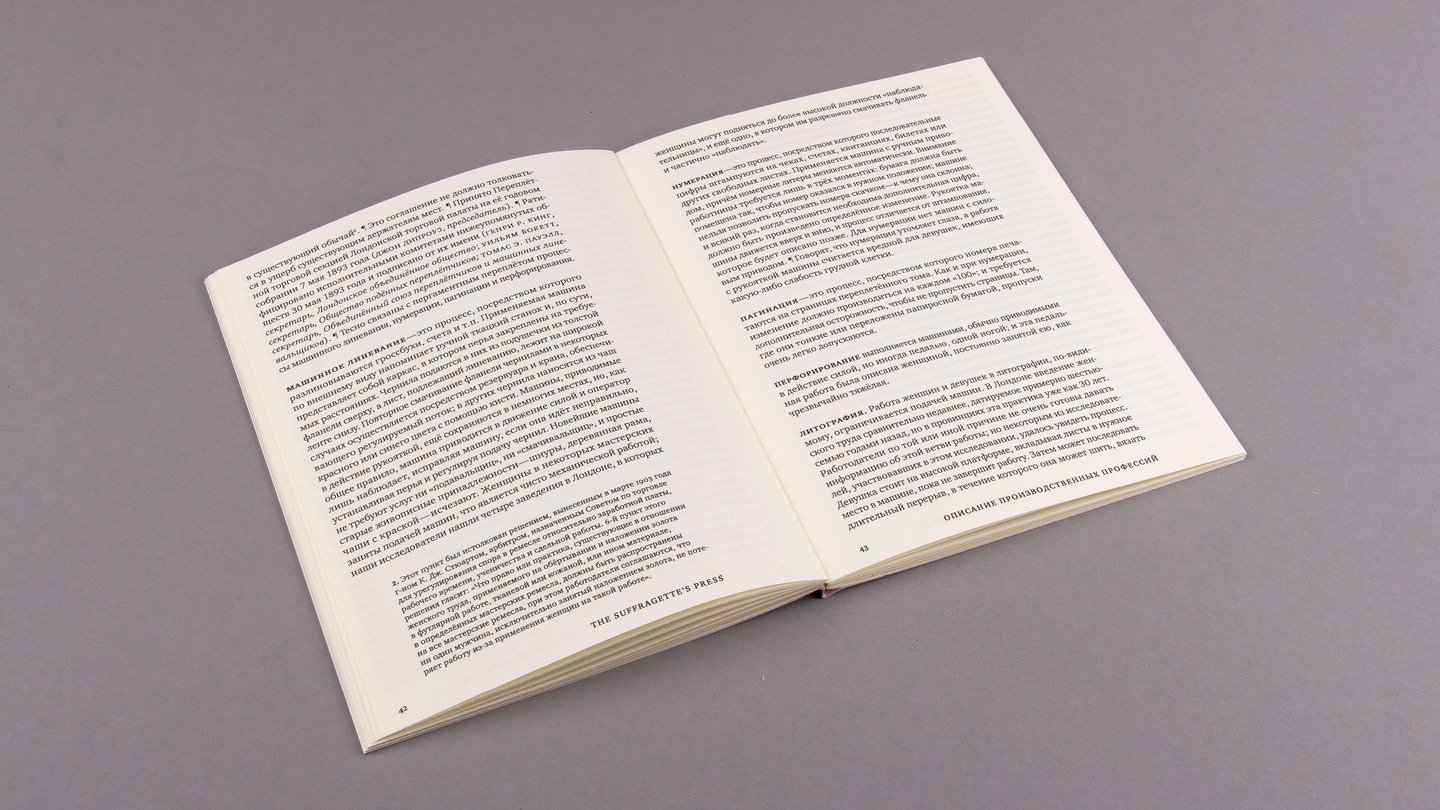
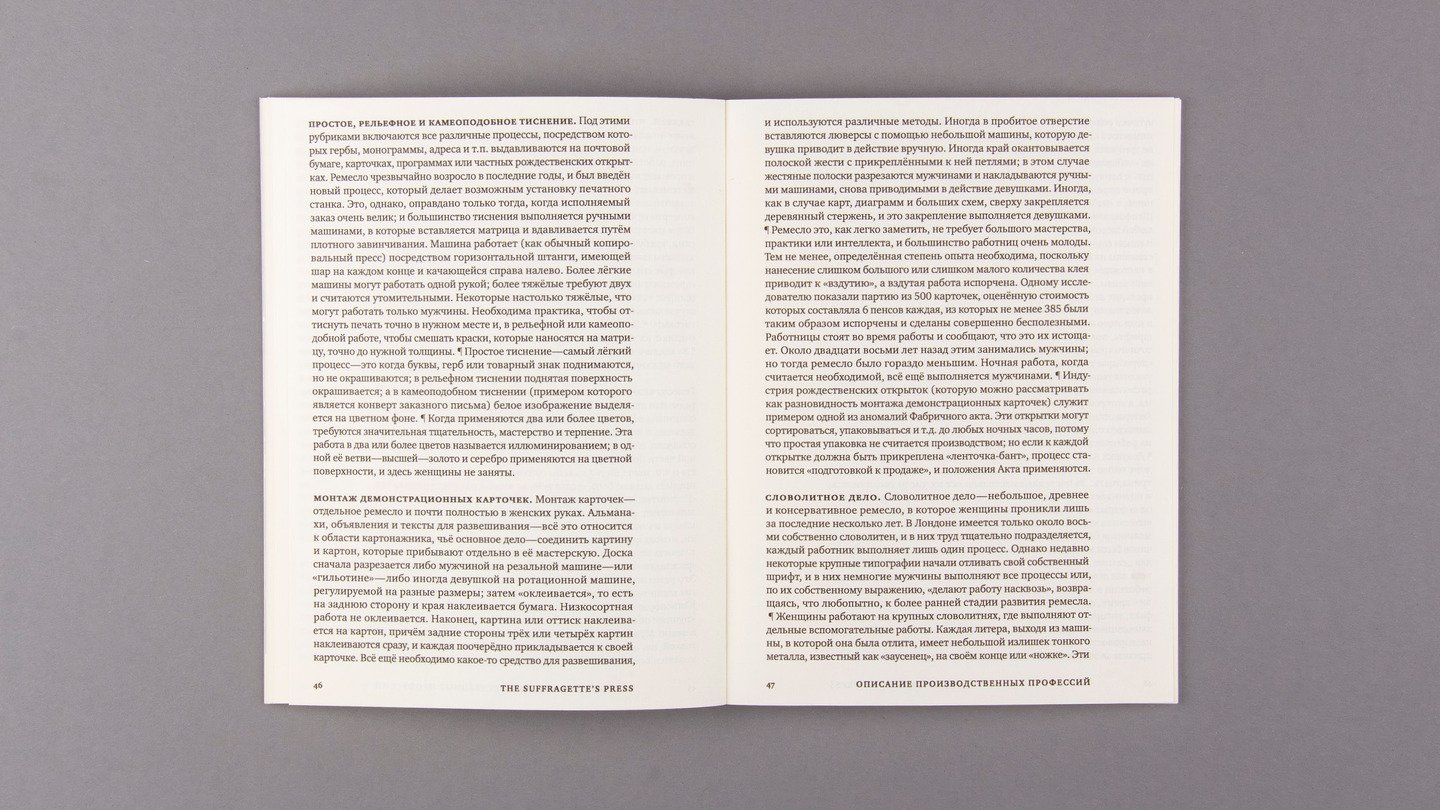
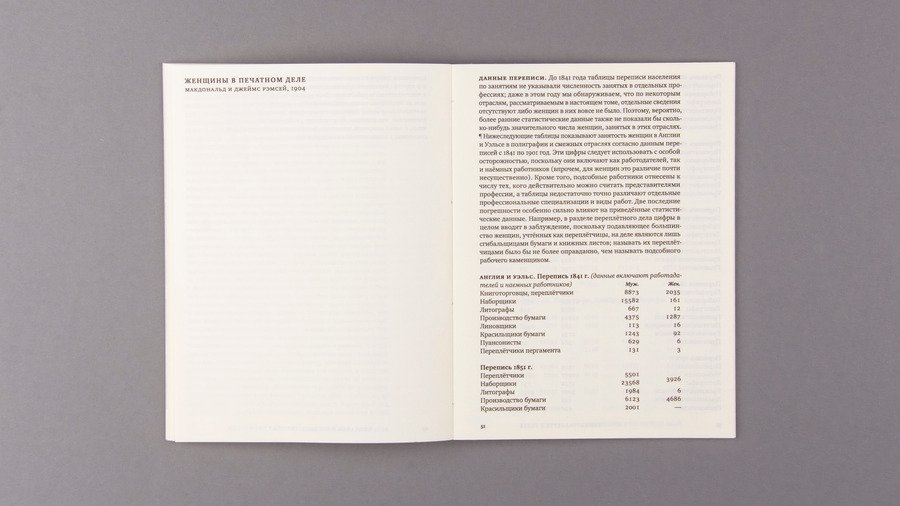
Special thanks to Carole Texier for providing the search materials, Viktor Skvortsov for the printing, and Ruslan Knyazev for his attentive curation!