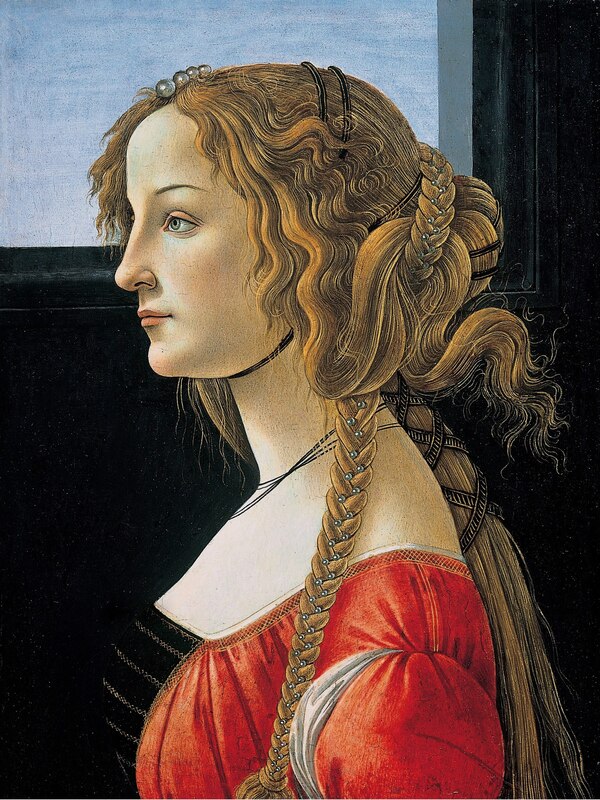
The Renaissance—an era in the history of European culture that followed the Middle Ages and preceded the culture of the Early Modern period. A defining characteristic of the Renaissance was the secular nature of culture, humanism, and a renewed interest in antiquity.
The approximate chronological boundaries of the era are the 14th–16th centuries. During this time, pictorial schools emerged across Europe, where intensive artistic exploration took place. This timeline focuses on those artistic centers.
Siena School
The Sienese School began its development earlier than others and maintained a leading position during the 13th and 14th centuries.
The initial phase (second half of the 13th century) is connected to the influence of Byzantine art and International Gothic, which manifested in book and panel miniatures by artists such as Guido da Siena, Dietisalve di Speme, Guido di Graciano, and others.
The founder of the school was Duccio di Buoninsegna, who synthesized external influences into an individual style, combining exquisite linear drawing with innovative techniques of chiaroscuro modeling. He defined the main characteristics of the Sienese School: refined colorism, emotionality and dramatic narrative, an interest in space, and the imitation of costly fabrics, precious stones, and gold.
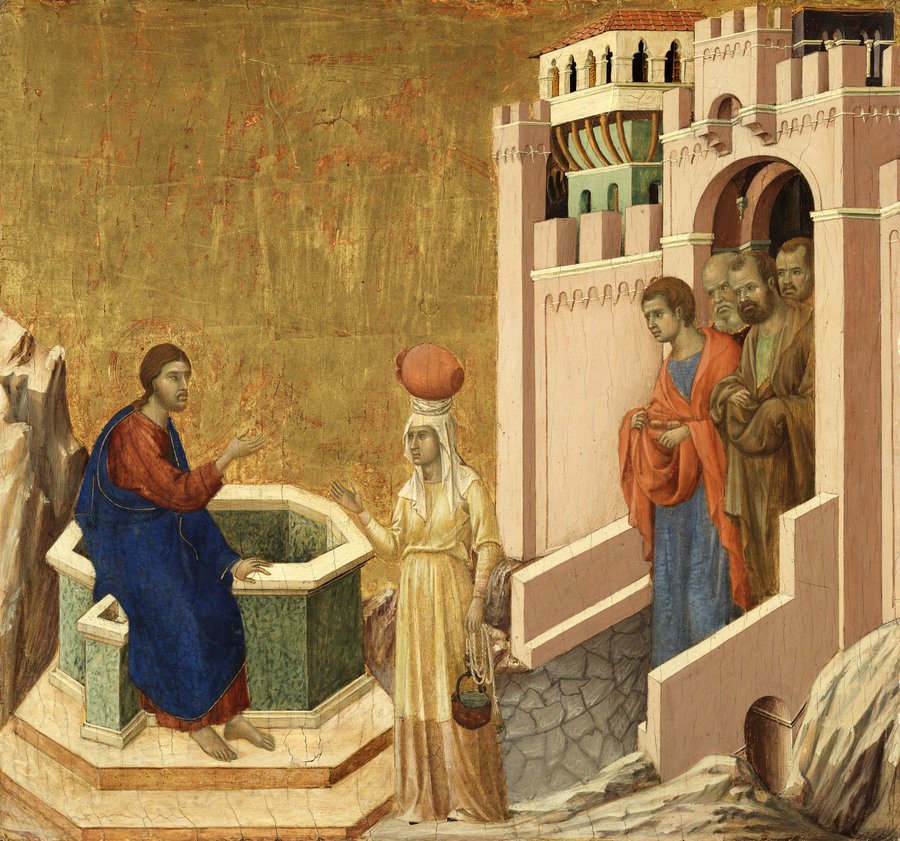
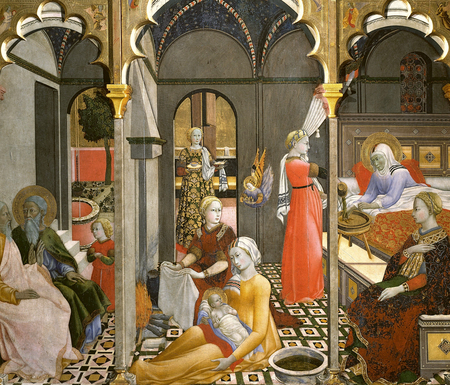
A distinguishing characteristic of the Sienese masters’ work was the use of gold and precious materials, which lent the pieces a distinct allure and opulence. Furthermore, unusual compositions and a distinctive, not yet scientifically substantiated, approach to perspective were hallmarks of their style. This is especially evident in the compositions of Pietro and Ambrogio Lorenzetti, as well as of Sano di Pietro.
The artists' work was closely tied to the religious and political life of Siena, often depicting patron saints and scenes from the city’s history.
Florentine School
The Florentine School was one of the primary artistic movements of the Italian Renaissance. Its formation was influenced by the Pisan-Lucanian School and Byzantine art. In the 14th century, it had to compete for leadership with the Sienese, but soon Florence became the central hub for the development of painting.
Giotto. The Kiss of Judas. 1304–1306
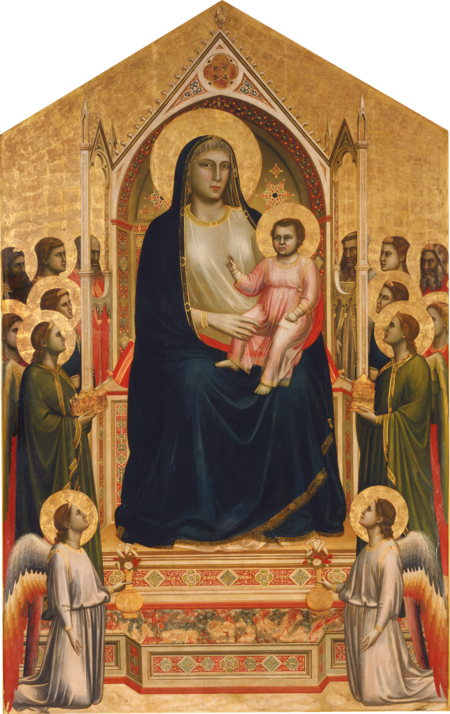
The artist Giotto is considered the founder of the school, bringing plastic conviction and lifelike authenticity to compositions. This is particularly evident in works such as «Madonna of Ognissanti,» which still features a gold background (medieval reminiscences), but already shows an inclination toward naturalistic light-and-shadow modeling of the image.
Representatives of the Florentine School include Filippo Brunelleschi, Donatello, Masolino and Masaccio, Michelangelo, Fra Angelico, Leonardo, Botticelli, Lippi, and many others.
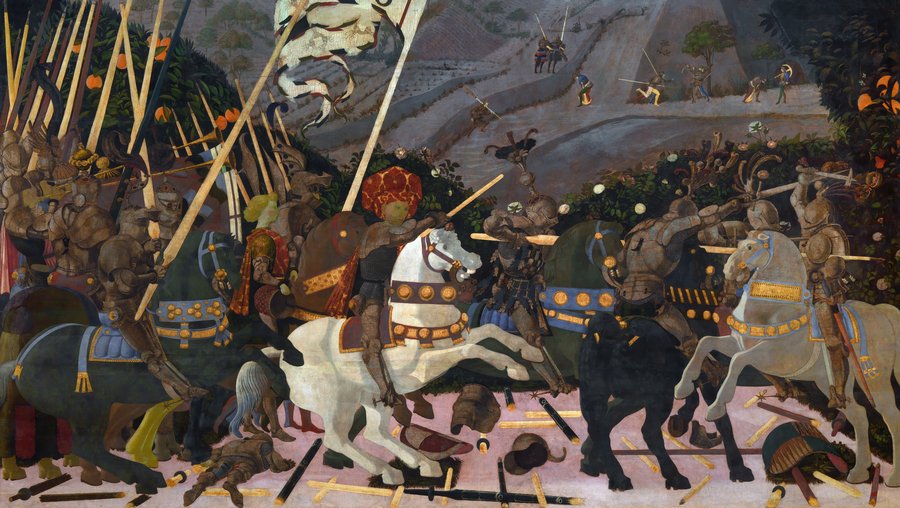
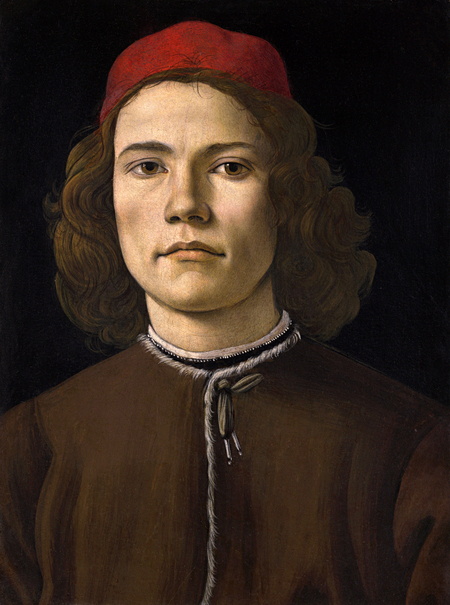
Characteristics of the Florentine school of painting in the 15th century include:
— an obsession with perspective problems; — a striving for plastically clear construction of the human figure; — a distinct spiritual depth and intimate, lyrical contemplation.
The explorations of 15th-century masters were perfected by the great Renaissance artists Leonardo da Vinci and Michelangelo, who elevated the artistic inquiries of the Florentine school to a new qualitative level.
Leonardo da Vinci. The Annunciation. 1472
In architecture, the Florentine School created a new type of Renaissance palazzo, and the search for the ideal type of religious building that reflected the humanist ideals of the era began.
Paduan School
The Venetian School of painting formed in the 15th century in Padua, centering around the painter Francesco Squarcione. It played a significant role in the formation and development of Renaissance art in Northern Italy. The works of the school are characterized by a combination of late-Gothic elements with meticulous rendering of plastic form. The school reached its peak in the works of Italian masters such as Niccolò Pizzolo, Bono da Ferrara, Ansino da Forlì, Andrea Mantegna, the Dalmatian painter Giorgio Squiavone, and others.
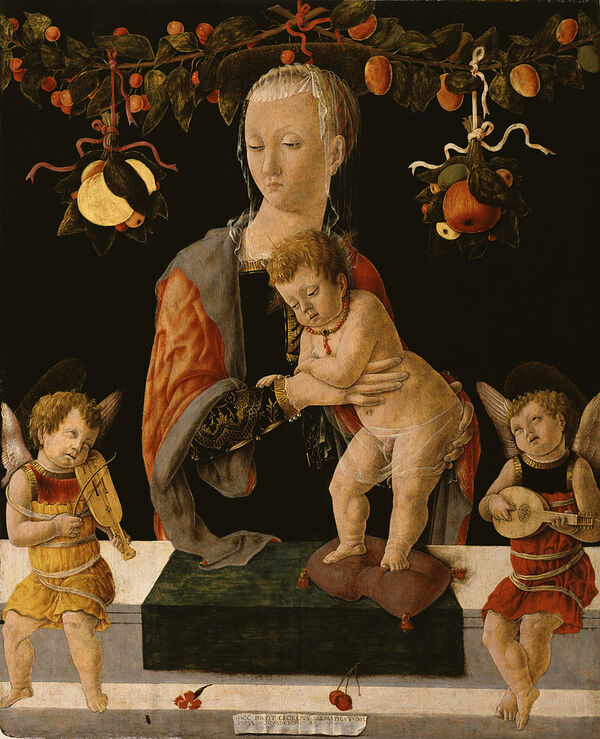
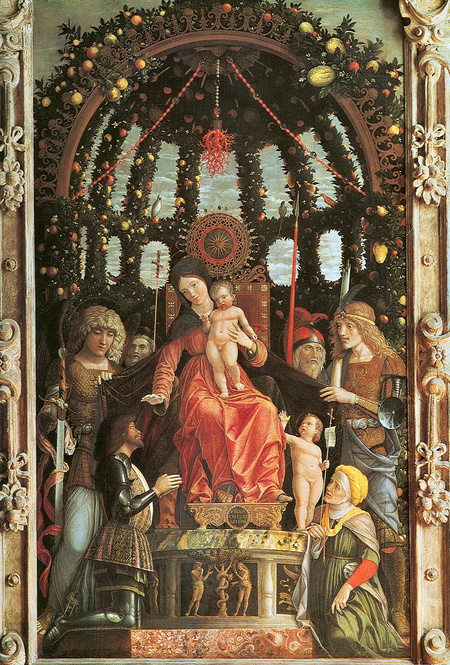
Giorgio Squiano. Madonna with Child and Angels. 1459 Andrea Mantegna. Madonna della Vittoria. 1495
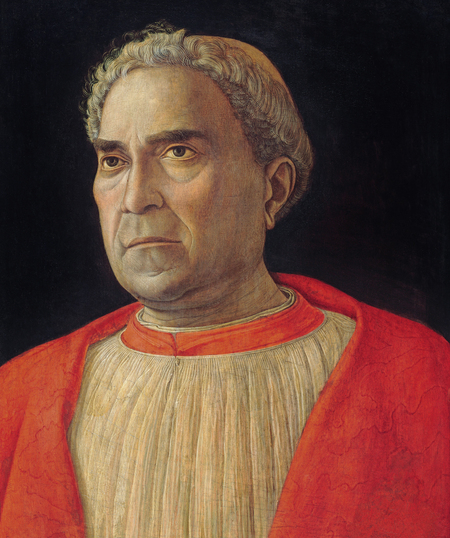
The Paduan School was distinguished by its deep engagement with classical antiquity, a characteristic fostered by the influence of the local university, where humanist studies flourished. Artists such as Andrea Mantegna meticulously studied ancient Roman sculpture and architecture, recreating its details in their own works. For instance, Mantegna frequently depicted Biblical scenes set against ancient architectural elements, conjuring the illusion of ancient Rome. The precise and scrupulous rendering of forms lent his works a particular monumentality—a quality particularly evident in Mantegna’s oeuvre, whose figures seem carved from stone.
The Paduan School exerted a significant influence on the development of Venetian painting, shaping a distinctive artistic approach that merged classical and humanist ideals with the innovative painting techniques of the era.
Ferrari School
The Ferrari School of Painting emerged in the mid-fifteenth century when Ferrara, thanks to the cultural policy of Marquis Leonello d’Este, became a crossroads for various artistic traditions.
Characteristic features of the school include: a drive to synthesize Renaissance and late medieval traditions, graphic expression, a love for meticulous detail, and the incorporation of vibrant and sometimes paradoxical imagery that engages the discerning viewer.
Francesco Cossa. Frescoes in the «Hall of Months» at the Palazzo Schifanoia. 1469–1470
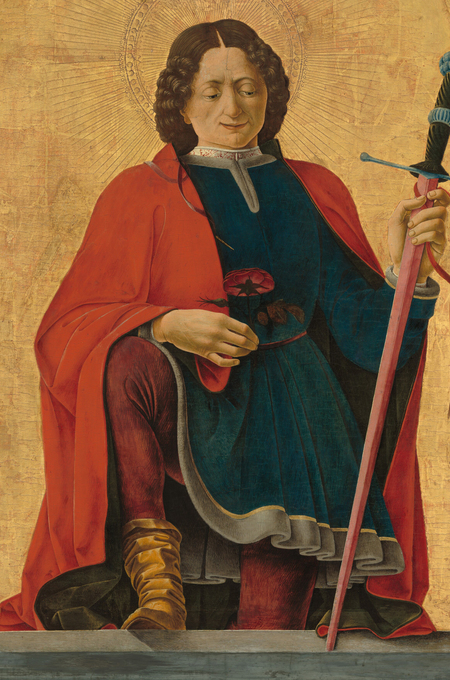
The school’s most prominent masters include Cosimo Tura, Francesco Costa, Ercole de Roberti, Lorenzo Costa, Dosso Dossi, Girolamo da Carpi, Benvenuto Tisi (Garofalo), and Niccolò dell’Abbate.
Distinguished monuments from the school include the «Bible of Borso d’Este» (miniatures by T. Crivelli and others, 1455–1461, Estense Library, Modena), and the frescoes of the «Hall of Months» in Palazzo Schifanoia (1469–1470, F. del Costa and others).
In the sixteenth century, the school lost its distinctiveness—the work of B. Tisi (Garofalo), D. and B. Dossi, Girolamo da Carpi, S. Filippi, L. Settewekki, and other masters demonstrates the defining influence of the Venetian and Roman schools.
Umbrian School
The Umbrian School of Painting was particularly active between the 13th and 16th centuries, named for the Umbria region. Perugia was the center of this school during the 13th–16th centuries.
In the late 14th and early 15th centuries, the masters of the Umbrian School worked in the traditions of Late Gothic art. From the latter half of the 15th century onward, the aesthetic qualities of Quattrocento art—the early Italian Renaissance—began to dominate the works of the Umbrian School painters.
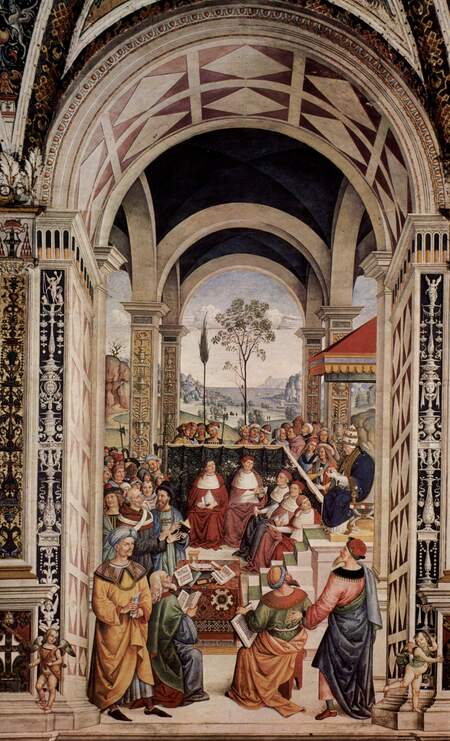
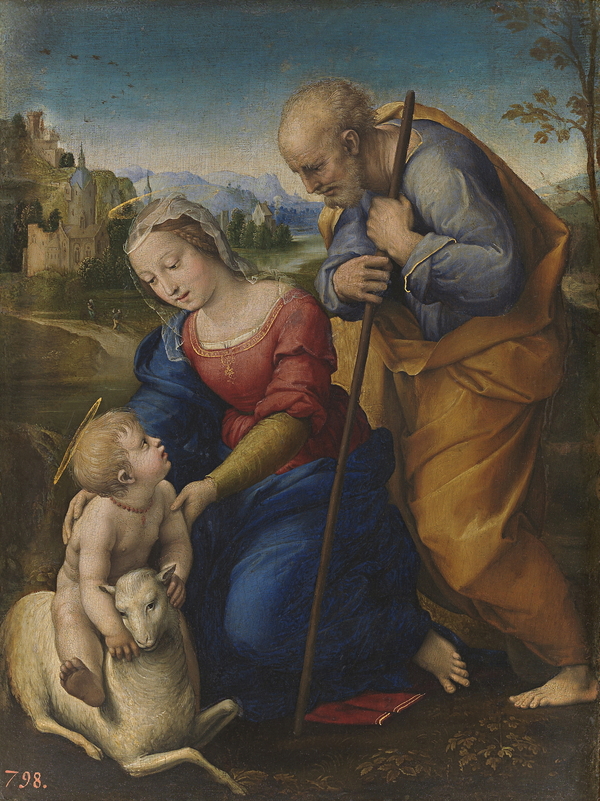
Bernardino Pinturicchio. Fresco cycle on the life and deeds of Aeneas Silvius Piccolomini, Pope Pius II, in the Cathedral Library of Siena. Raphael Santi. The Holy Family with the Lamb. 1507.
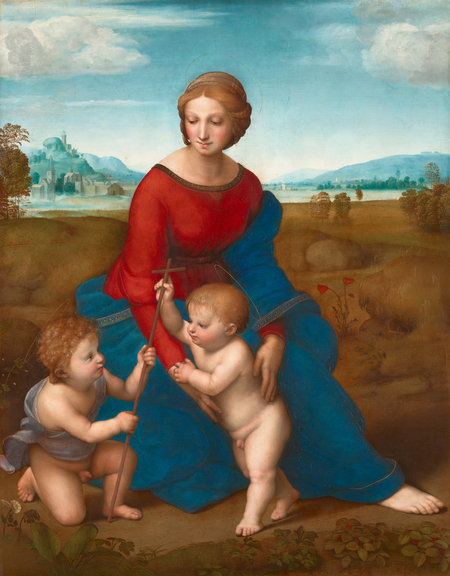
Umbrian masters' works are characterized by: soft chiaroscuro, smooth and serene contours, restrained color palettes, diffused light, an absence of harsh contrasts and external drama, contemplative and lyrical imagery, and a poetic sense of nature. Some significant representatives of the Umbrian school during the Renaissance include Pietro Perugino, Luca Signorelli, Bernardino Pinturicchio, and, of course, Raphael Santi.
Venetian School
The Venetian school of painting entered history through the mastery of light and tonal effects exhibited by the masters who lived in that region. It is said that their unique sense of color was cultivated by the mild climate of Venice and its damp, «thick» sea air.
The Venetian school during its peak is characterized by: — perfect command of the expressive possibilities of oil painting; — a special focus on the issues of color and tone.
The 14th-century Venetian painting is distinguished by decorative ornamentation, the festive vibrancy of the colors, and the intertwining of Gothic and Byzantine traditions (Lorenzo and Paolo Veneziano).
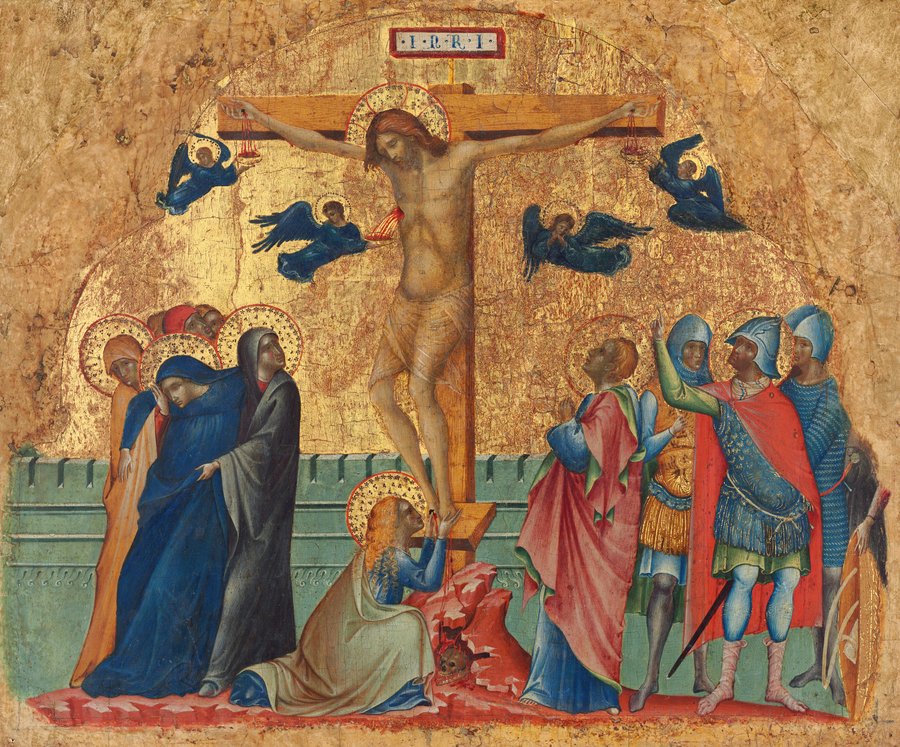
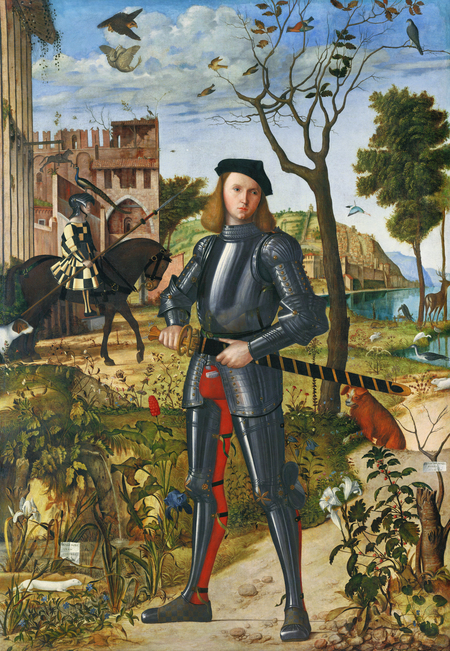
In the mid-15th century, Renaissance tendencies emerged in the Venetian School of painting, bolstered by the influence of the Florentine and Netherlandish schools.
The zenith of the Venetian School in the first half of the 16th century is connected to the work of Bellini’s students—Giorgione and Titian—two distinguished masters of color, who elevated oil painting to an unprecedented, supreme level.
A new flourishing of the Venetian School in the 18th century is linked to the development of monumental-decorative painting, which combined joyful festivity with spatial dynamism and the refined lightness of the color palette (Giambattista Tiepolo).
At various times, the Venetian School influenced the art of Albrecht Dürer, El Greco, Rubens, and other European masters.