Следы
Откуда берутся знакомые нам образы
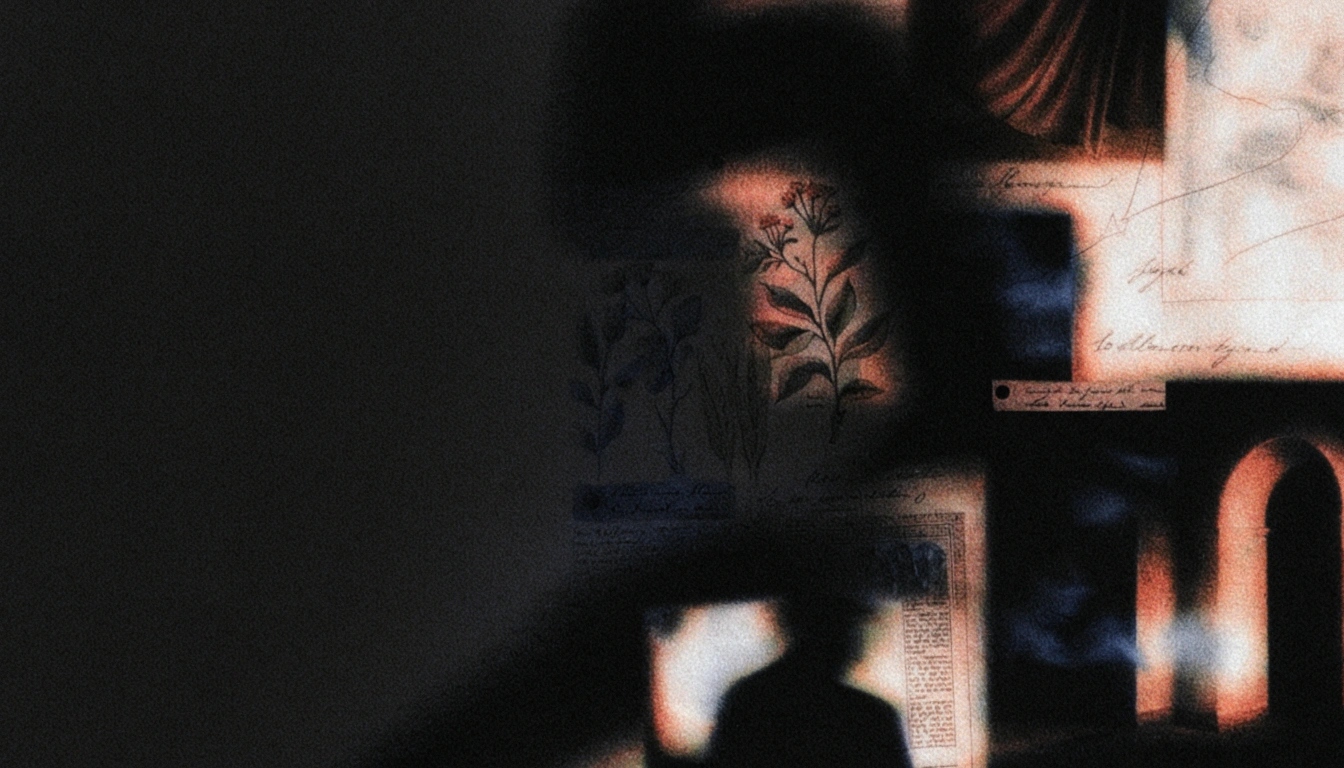
«Traces» is a media outlet dedicated to the origins of the visual images familiar to us. It investigates how images, styles, and artistic techniques transition from one era and context to another—how they change and acquire new meanings. The media invites viewers to look at the world more closely and discover which visual solutions from the past underpin what seems routine today.
Основные форматы медиа — короткие видео, визуальные разборы и подборки.
Data Sources for Media
For preparing publications, «Traces» utilizes museum collections, digital archives, and materials from contemporary visual culture. The choice of source depends on the theme and the image being explored.
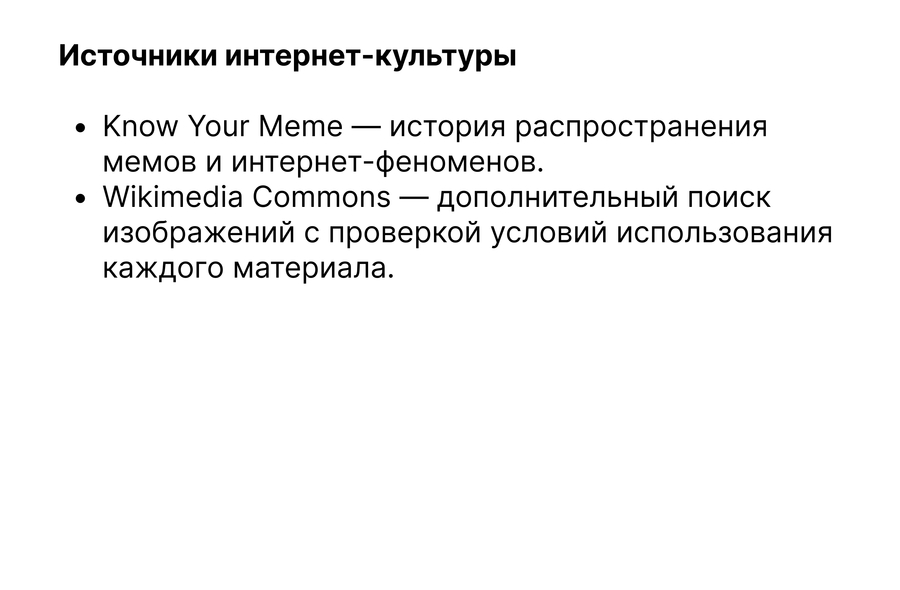
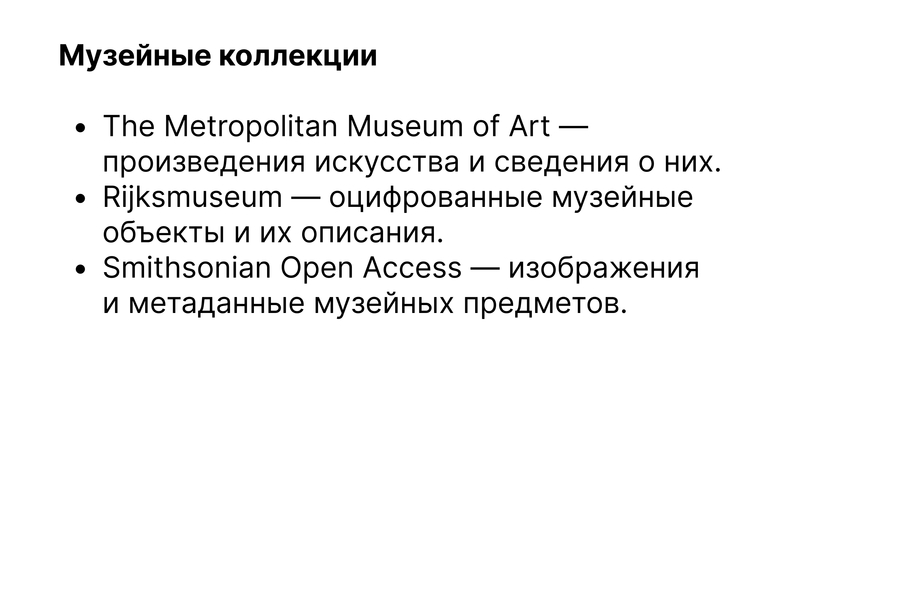
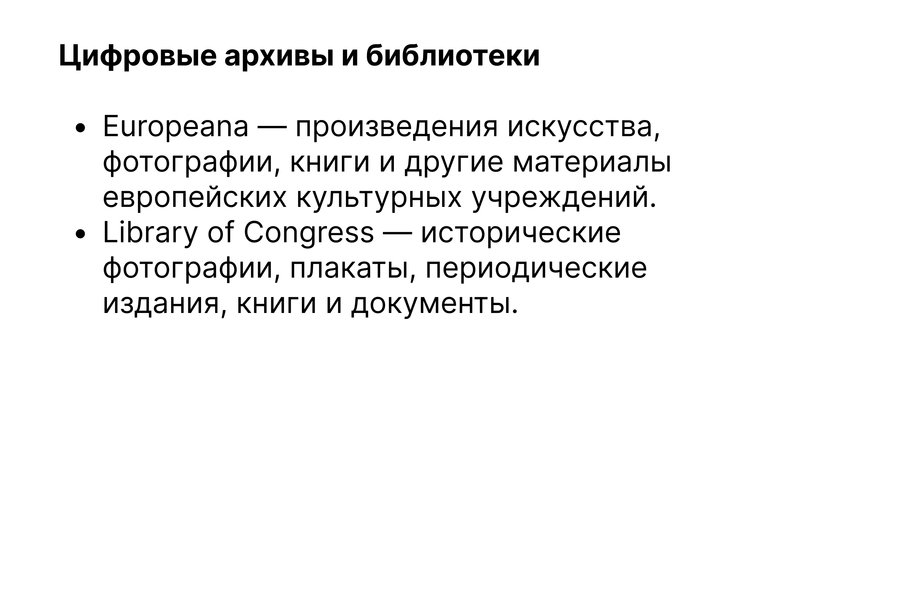
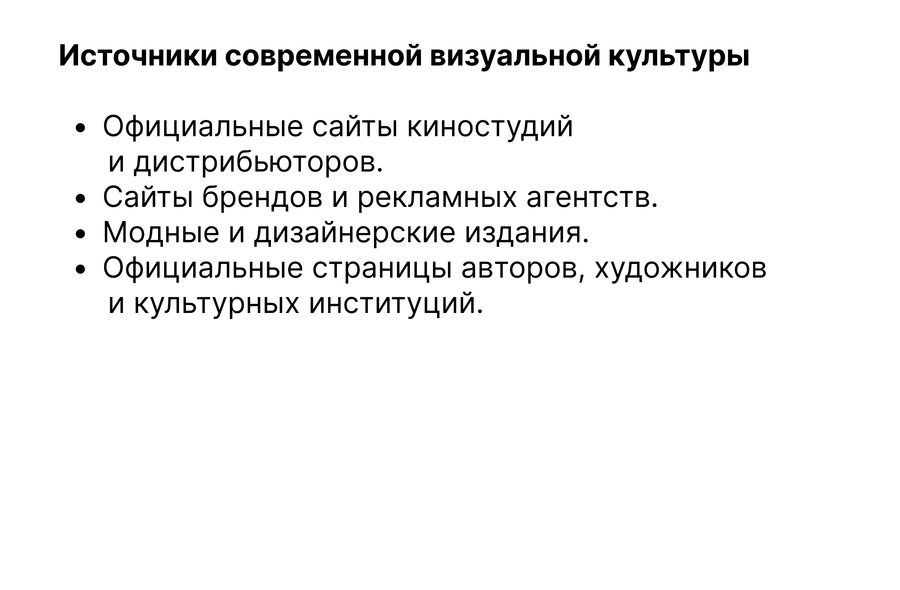
For every visual piece, a dedicated card is created containing the information necessary for further research and publication preparation.
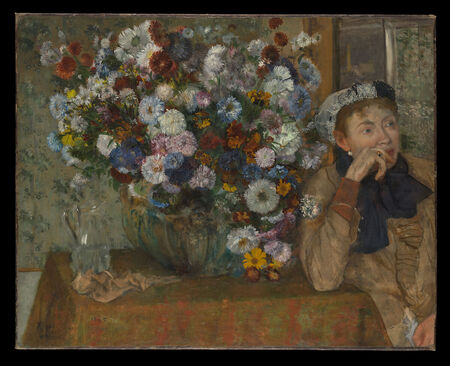
Image The original or a link to the visual material.Basic Information Title, artist, date of creation, country, medium, or format.Historical Context Description of the work, circumstances of its creation, and the initial meaning of the image.Visual Features Composition, color, form, subject matter, distinctive details, and motifs.Relationship to Other Works Citations, documented influence, motif repetition, or visual resemblance.Source and Rights Link to the original source, authorship information, license, and terms of use.
Data Schema
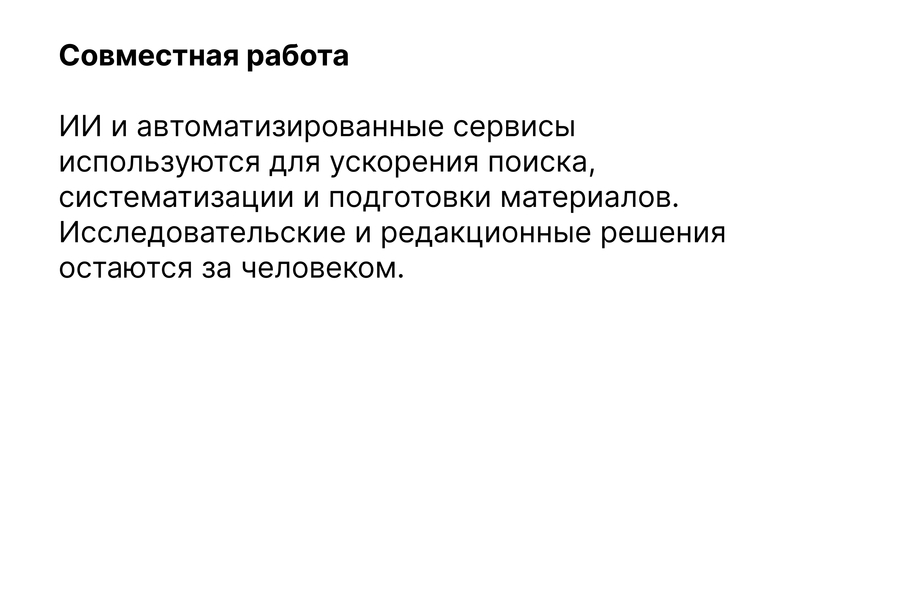
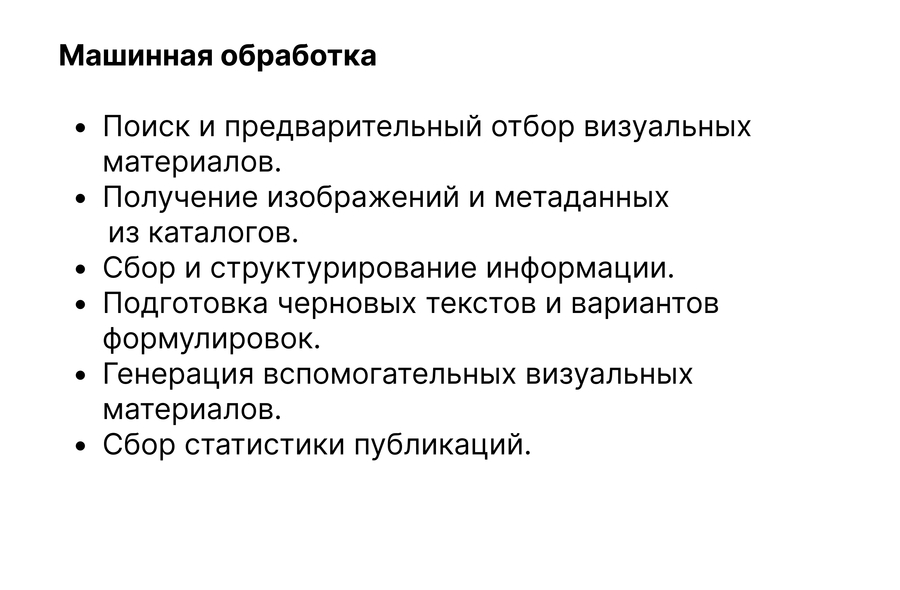
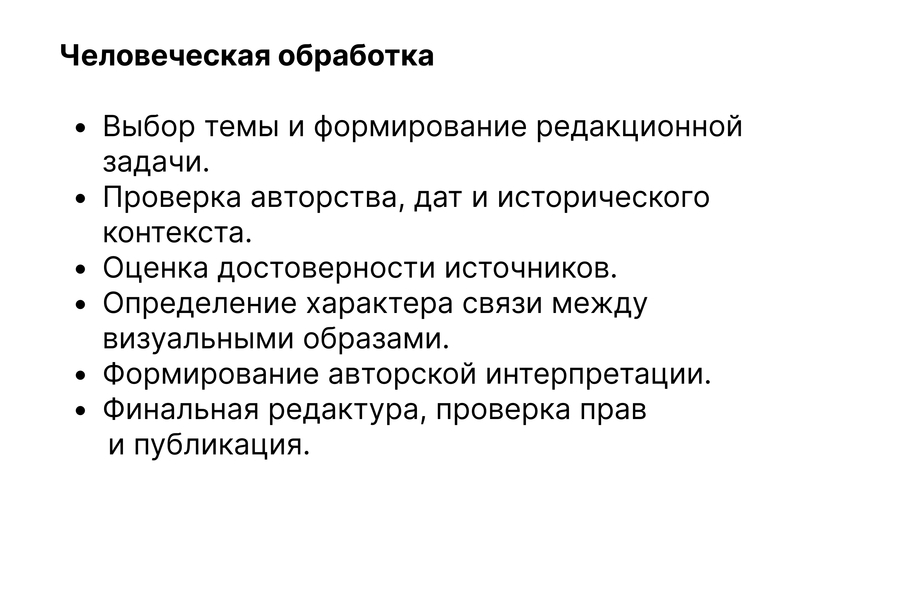
1. Topic Selection and Contemporary Example — HumanThe editor defines the publication’s theme and selects a contemporary visual image to serve as the starting point for the research.2. Searching for Potential Origins — Machine + HumanSearching museum catalogs, digital archives, and images. Automated tools assist in finding potentially related materials.3. Information Collection and Systematization — MachineAcquiring images, metadata, descriptions, and source links. Creating material cards.4. Information Verification — HumanVerifying authorship, dates, historical context, source credibility, and image usage rights.5. Analyzing Visual Connections — HumanComparing images, identifying common elements, and determining the nature of the relationship between them. Distinguishing confirmed influences from visual analogies.6. Content Preparation — Human + AIFormulating the publication’s logic, structure, and draft text. The editor fact-checks and approves the final interpretation.7. Visual Design Preparation — Human + MachineCreating supplementary images and graphic elements, curating materials, assembling, and adapting the publication.8. Publication and Results Analysis — Human + MachineReleasing the material on social media, gathering statistics, and assessing audience reaction.
Guidelines for Automated Services in the Scheme
Information Search and Collection
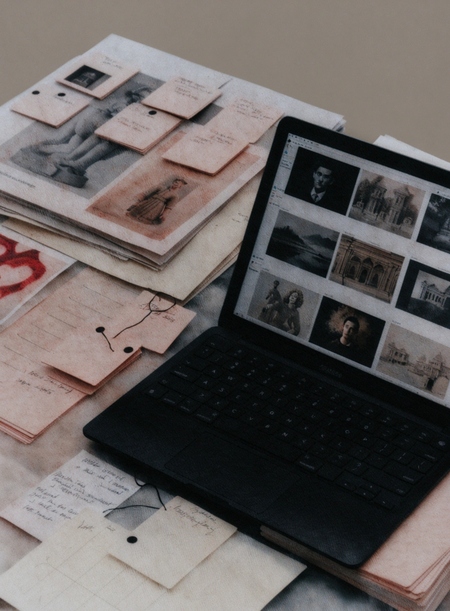
Tools: Museum APIs, digital catalogs, image search.Objective: To find potential visual sources and compile information about them.Guidelines: Utilize verifiable catalogs and archives.Maintain links to the original material pages.Record the author, title, date, and other available metadata.Verify the open-access status and usage terms for every image.Treat any found visual similarity only as a prompt for further research—not as proof of influence.Deliverable: A curated selection of images with sources and structured data.
ChatGPT — research assistant

Objective: To help systematize information, analyze provided materials, and draft publications.Guidelines: Use the provided sources and cite them.Do not invent facts, dates, authors, or titles of works.Separate confirmed information from assumptions.Do not present visual similarity as proven historical influence.Note any information that cannot be verified.Maintain the editorial style and structure of the «Slеdy» media outlet.Deliverable: Structured information, theses, and a draft text for further editorial refinement.
Recraft — Visual Material Creation
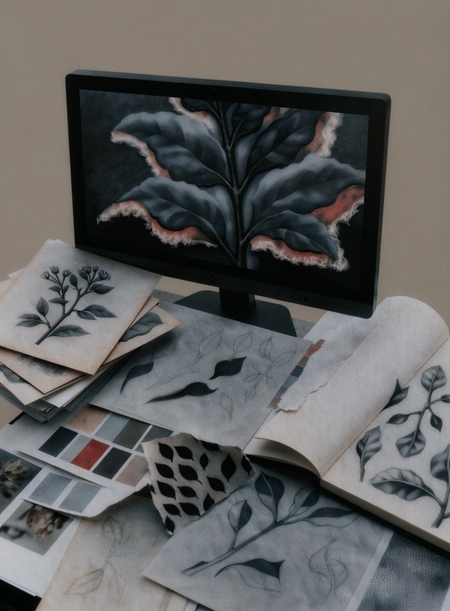
Task: Create auxiliary illustrations and graphic elements for publications.Guidelines: Adhere to the visual style of the «Sledy» media.Utilize generation for illustrating ideas and visual principles.Do not present generated images as actual historical materials.Do not replace original works of art with generated copies.Do not add fictional captions, dates, author names, or historical details.Verify that the result aligns with the content of the publication.Output: Supplemental visual materials that help unfold the topic without substituting primary historical sources.
Publication Analysis
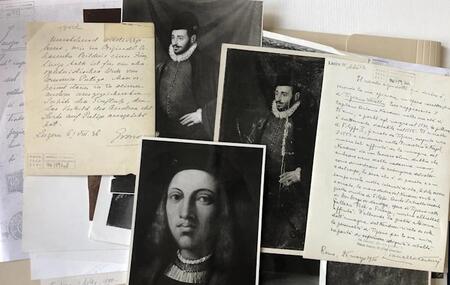
Tool: Integrated social media analytics.Objective: To gather performance metrics for published content.Tracked metrics:Reach and views.Saves and shares.Comments and reactions.Watch time and audience retention for video content.Guidelines: Collect statistics after publication.Compare metrics across different content formats and topics.Consider not just reach, but also the substantive engagement of the audience.Use the results to adjust the content strategy.Outcome: Data to evaluate publication effectiveness and plan future media development.
Conclusion
The media project «Traces» is built upon a combination of digital tools and editorial research. Automated services help locate visual materials, gather information, systematize data, and prepare publications. The human element verifies sources, establishes reliable connections between images, and shapes their interpretation. This approach allows for a more consistent and effective investigation of visual culture, while preserving the essential element—a careful regard for the origin of the imagery and the meanings it acquires over time.