Navigation
[1] Research Concept [2] History of Automotive Cabin Formation [3] Organization of the Driver’s Seat [3.1] Steering Wheel [3.2] Dashboard [3.3] Levers, Pedals, and Switches [4] Cabin Comfort and Aesthetics [4.1] Seat Structure and Form [4.2] Materials and Interior Finishes [4.3] Characteristics of Different Automotive Class Interiors [5] Organization of Vehicle Interior Space [5.1] Open and Closed Bodies [5.2] Placement of Driver and Passenger Seating [5.3] Mirrors, Clocks, Lighting, and Additional Elements [6] Conclusion [7] Bibliography [8] Image Sources
[1] Concept
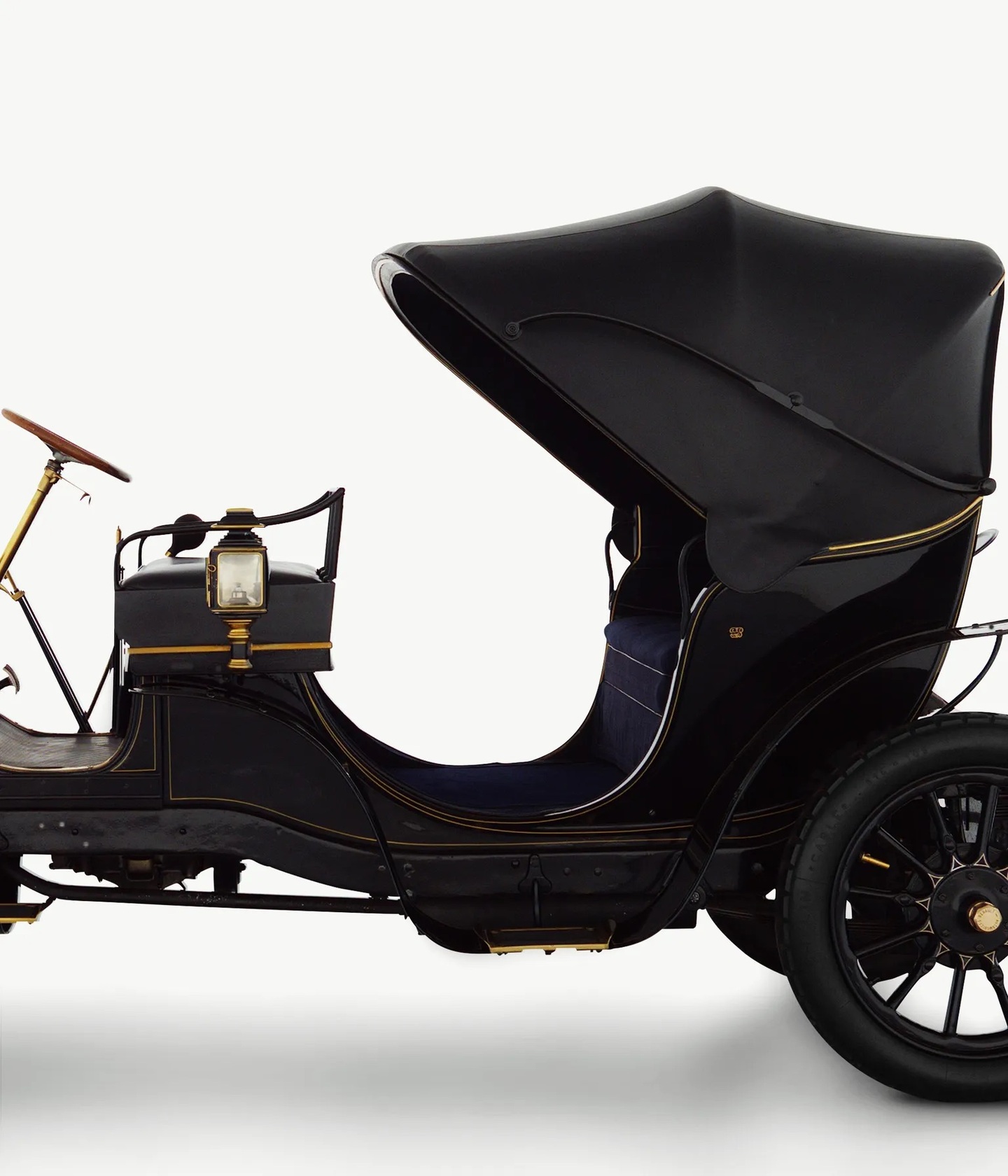
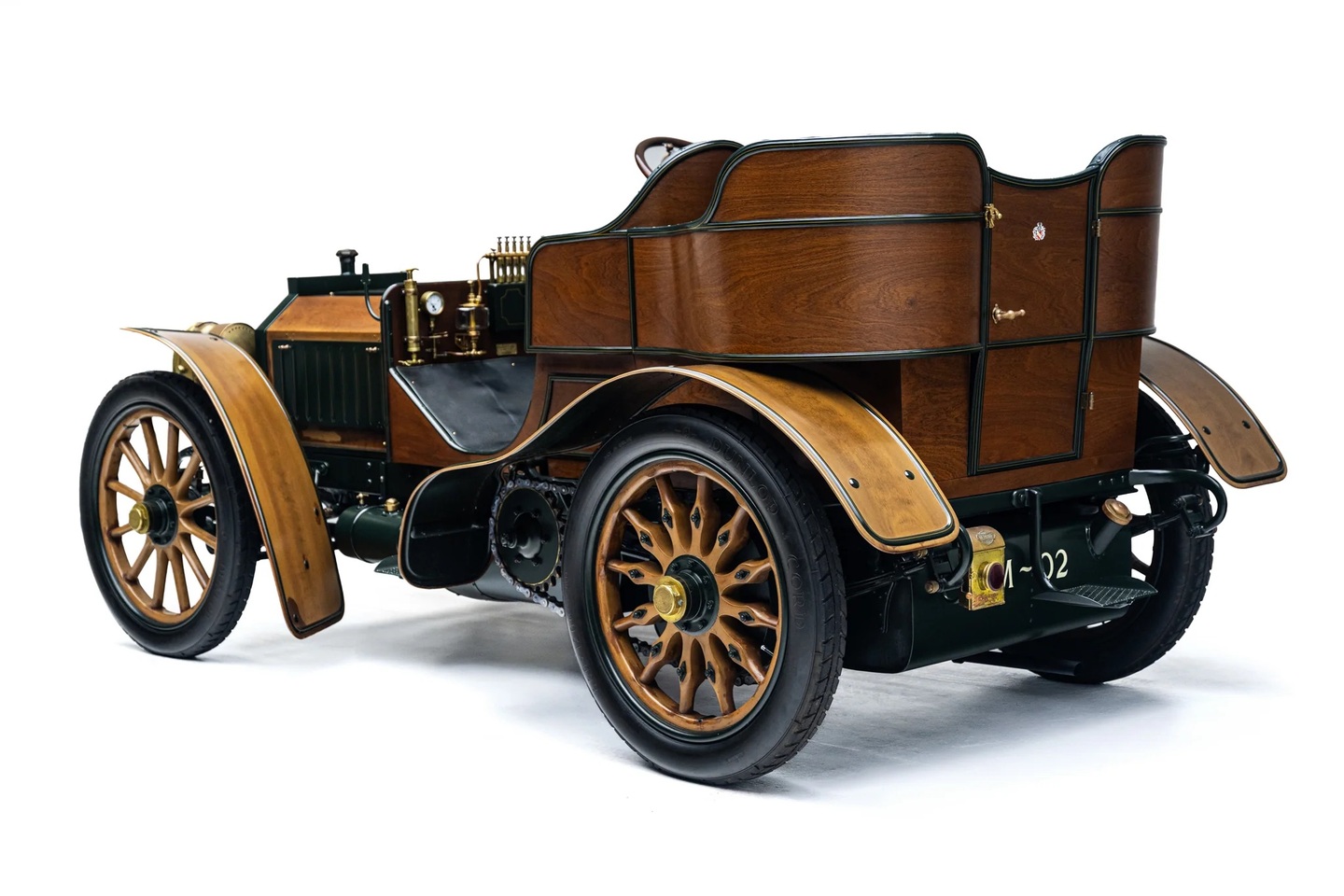
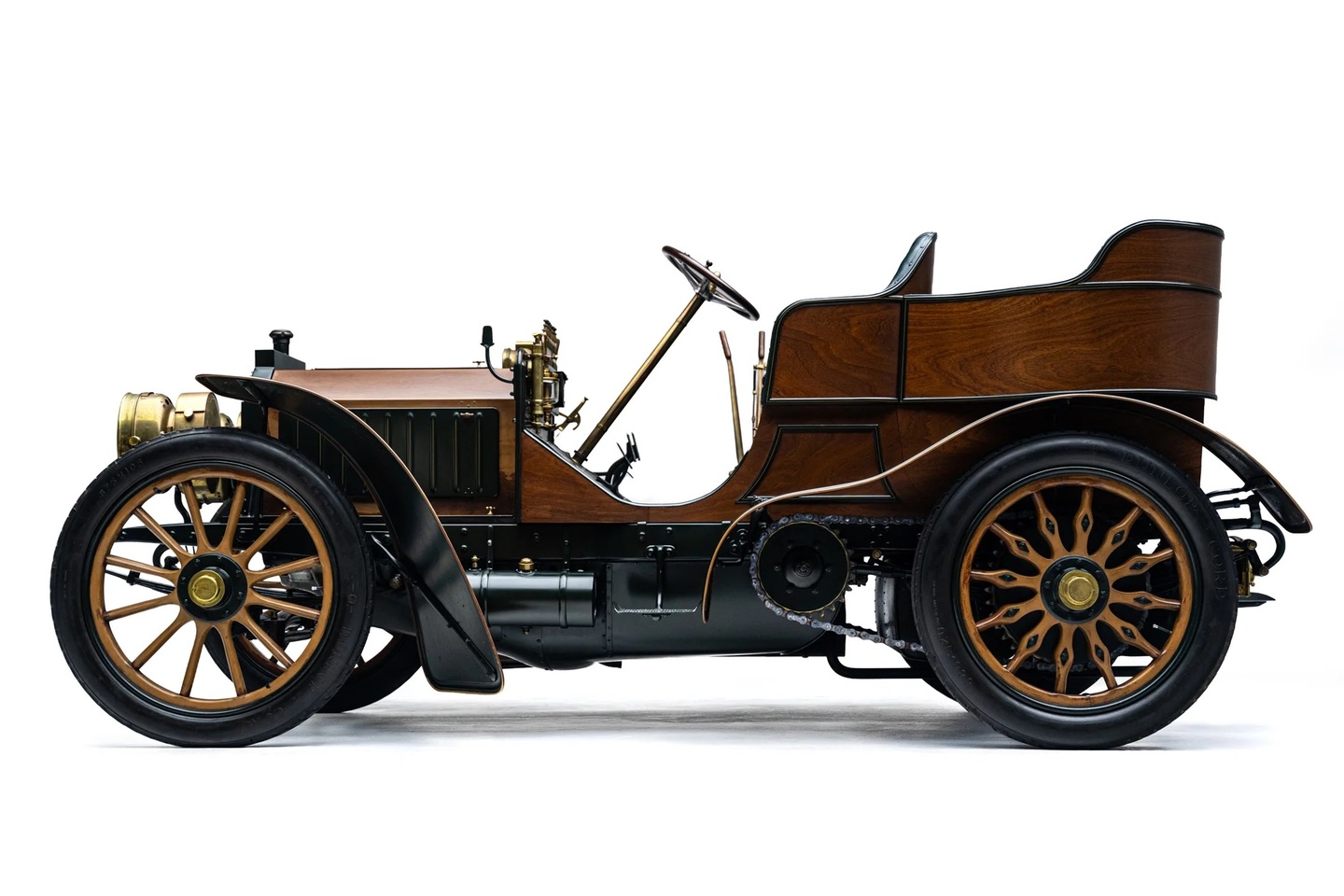
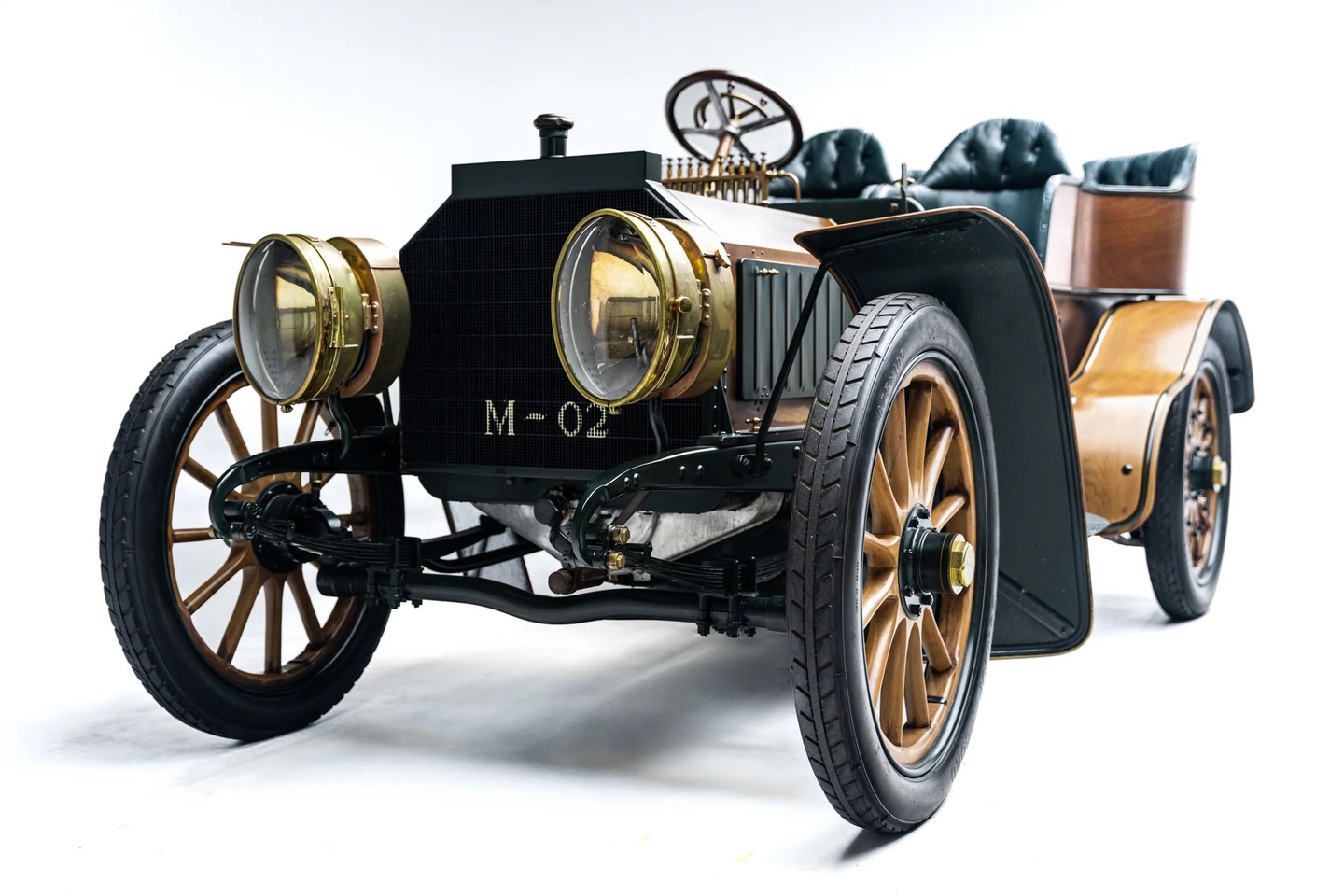
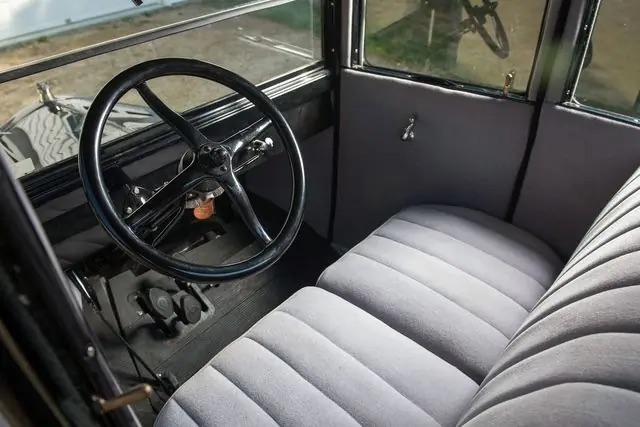
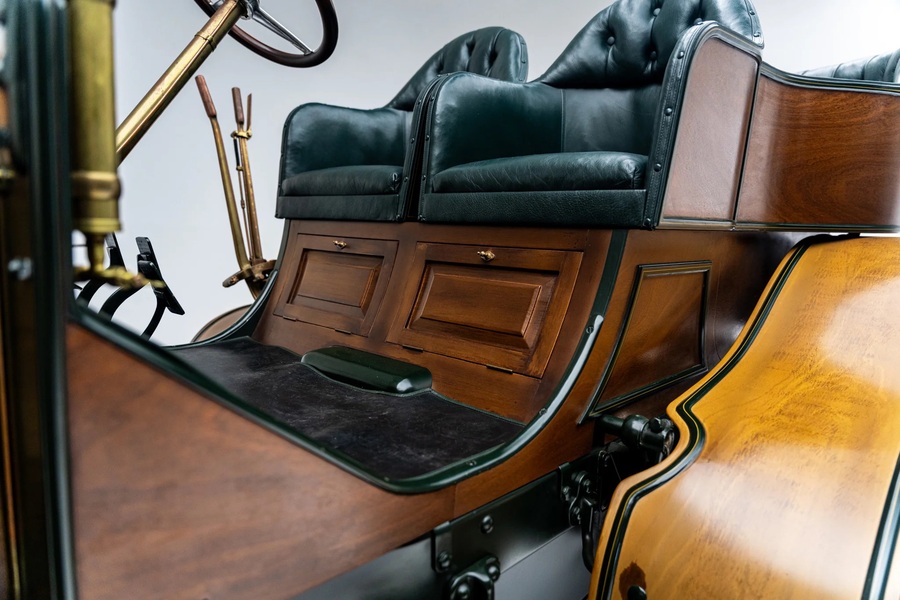
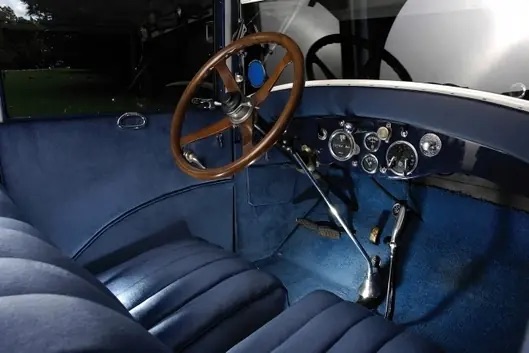
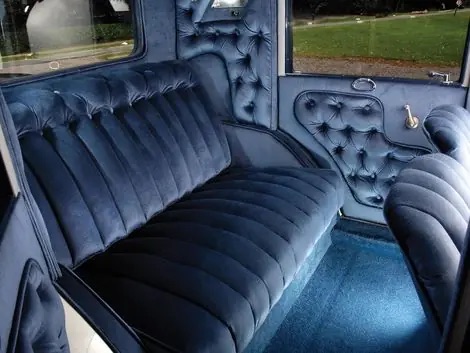
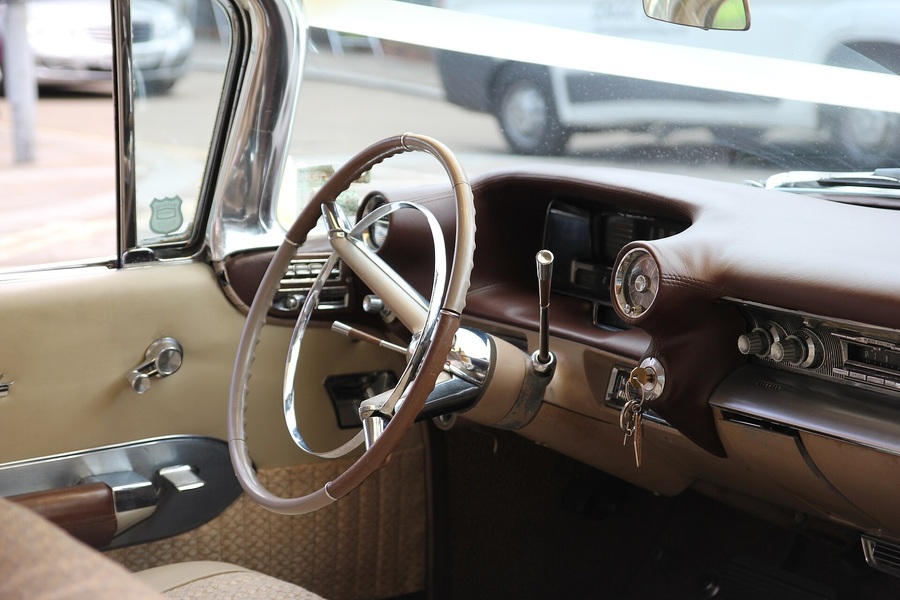
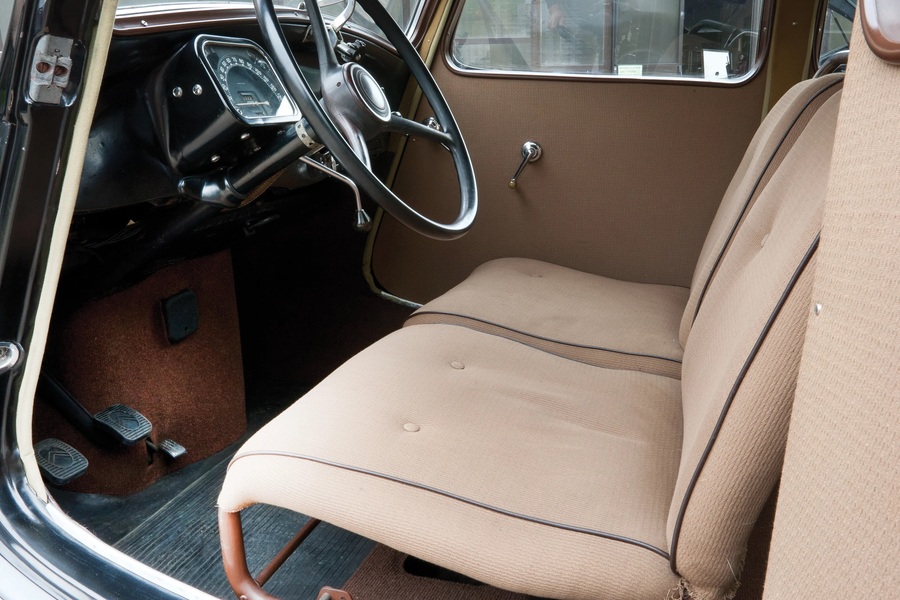
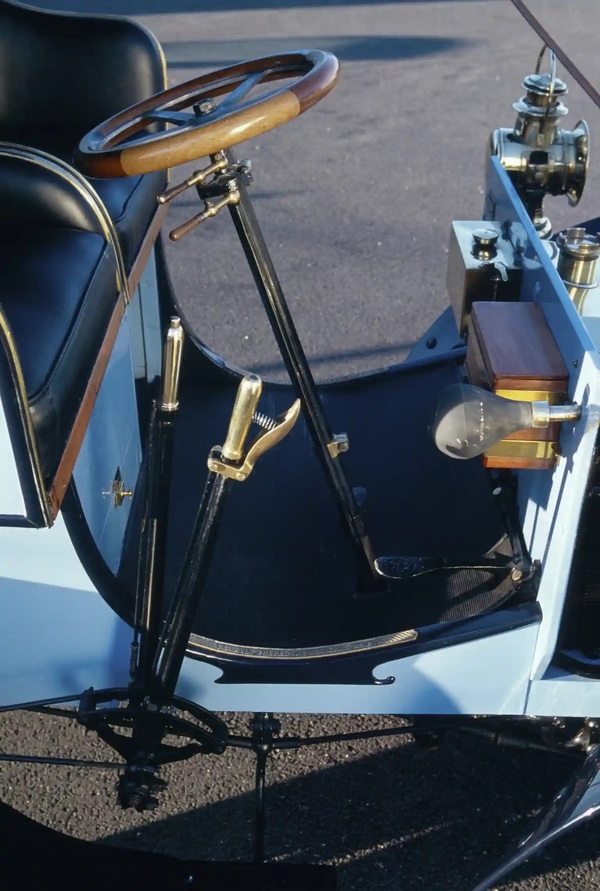
The research examines the history of the formation of the automobile cabin between 1886 and 1928. The primary focus is on the changes in the car’s interior space—its structure, materials, and the elements with which the driver interacted during the journey.
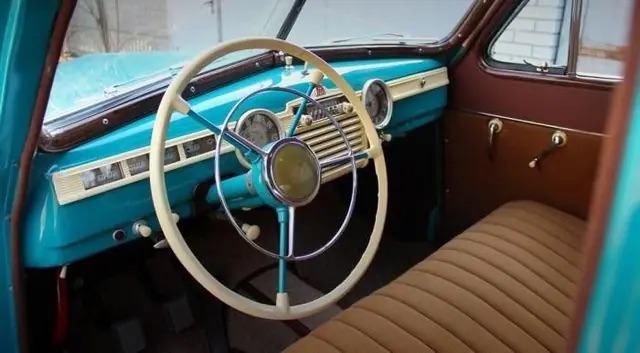
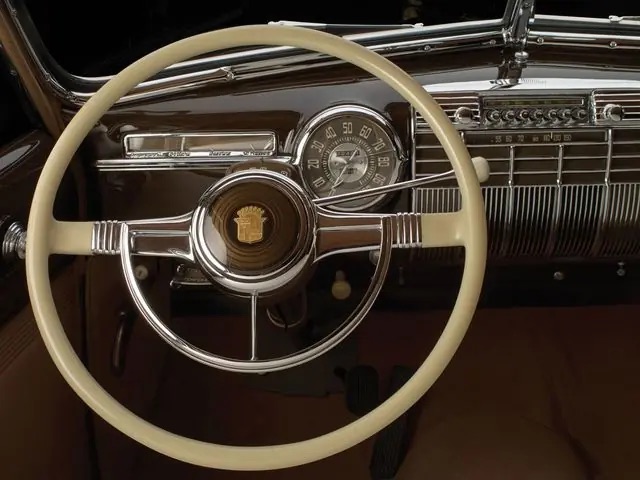
Early automobiles largely mimicked the design of horse-drawn carriages: they had open bodies, simple seating, and minimal controls. Gradually, the cabin began to develop its own distinct characteristics. Dashboards appeared, the shapes of the steering wheel and seats evolved, new materials and finishing techniques were employed. Concurrently, the concepts of comfort, functionality, and the driver’s personal space developed.
[2] History of the Automotive Interior’s Development
[3] Driver’s Seat Organization
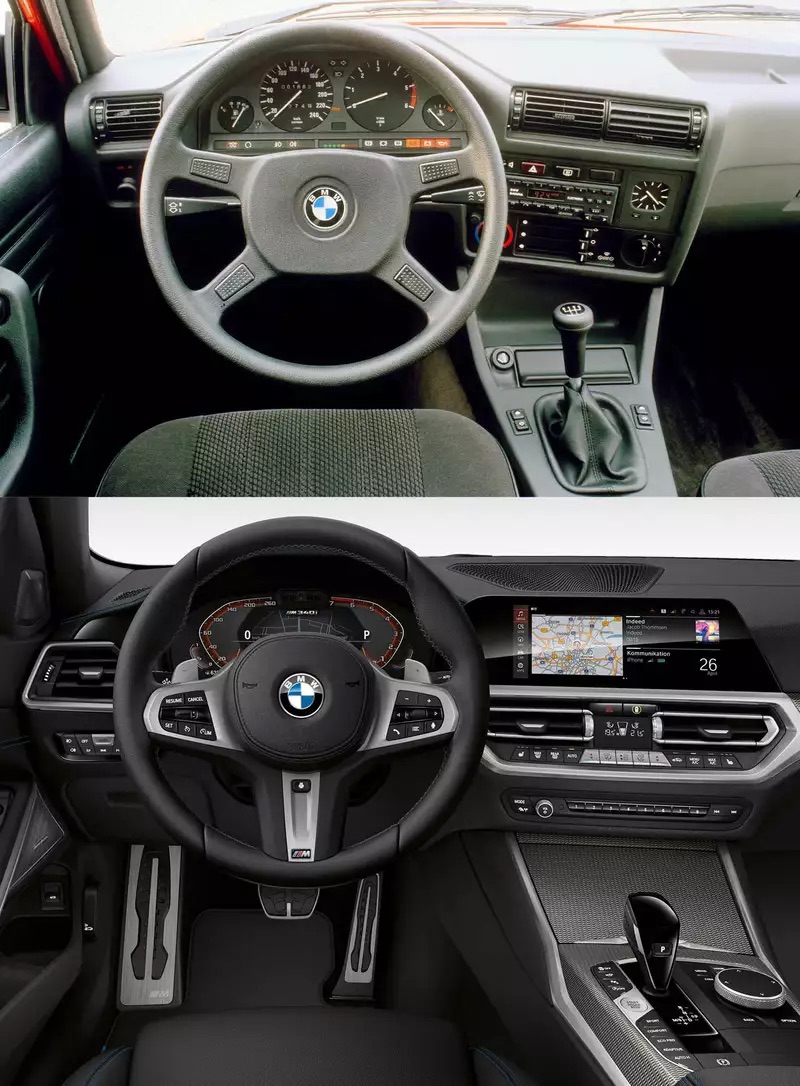
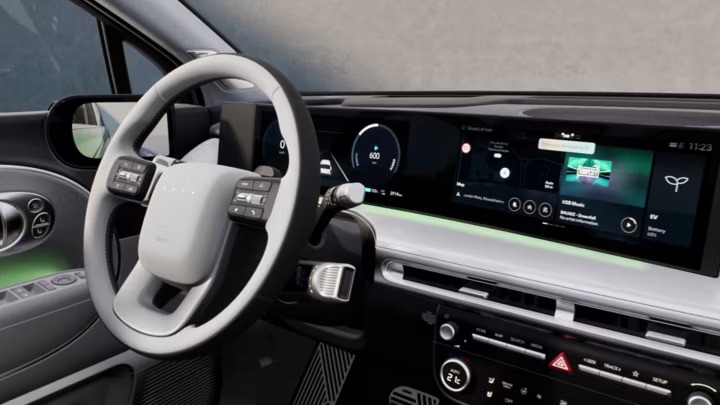
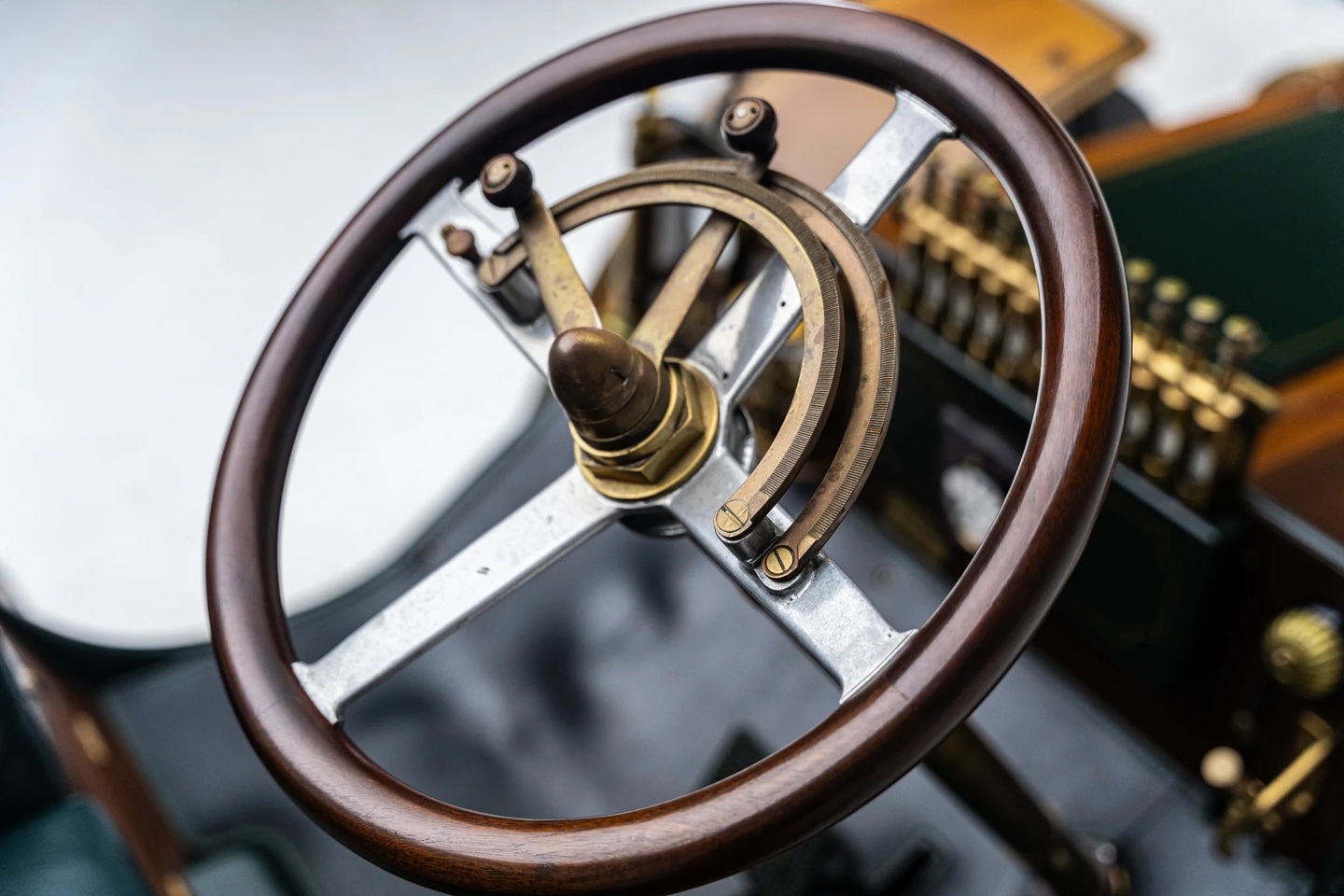
[3.1] Steering Wheel
[3.2] Dashboard
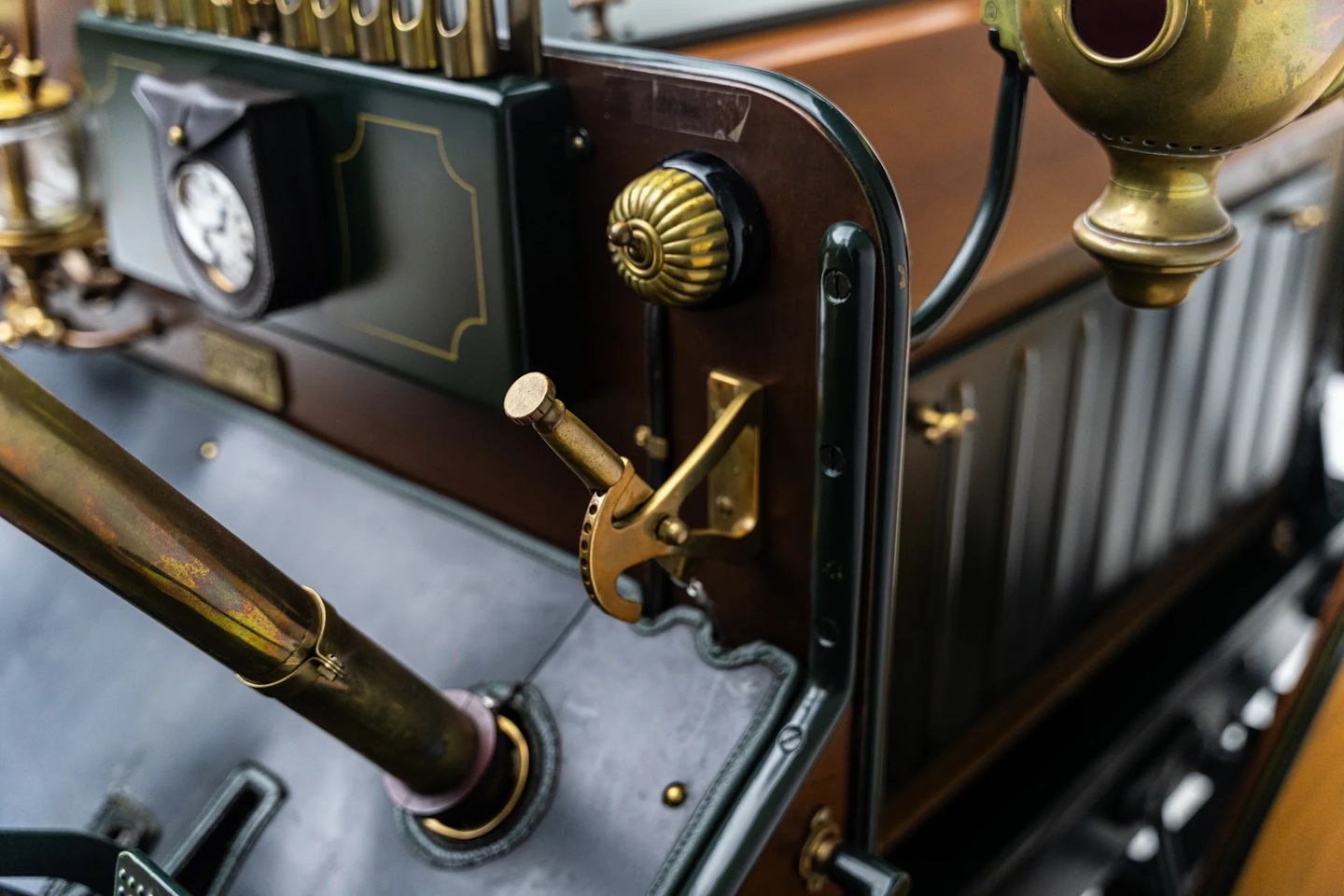
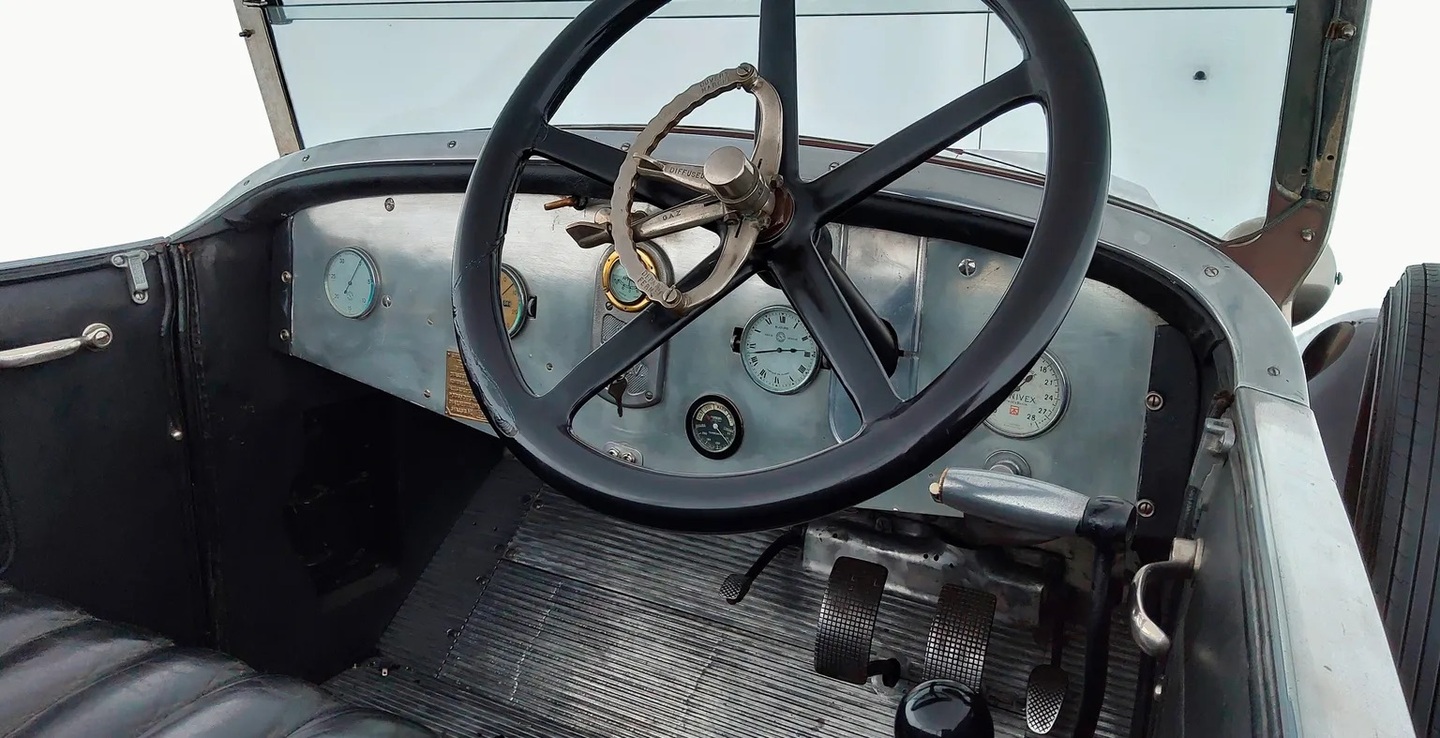
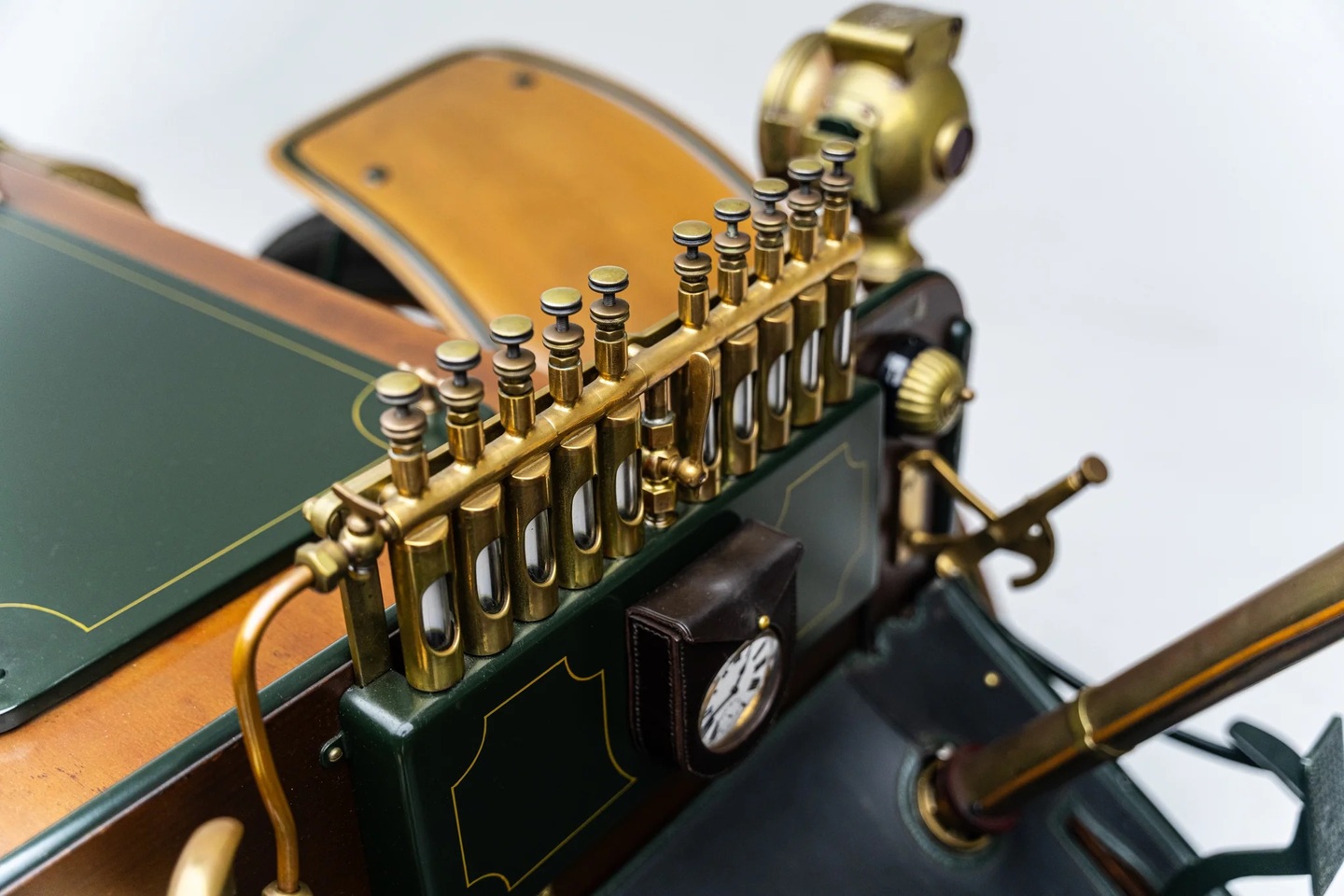


[3.3] Levers, Pedals, and Switches
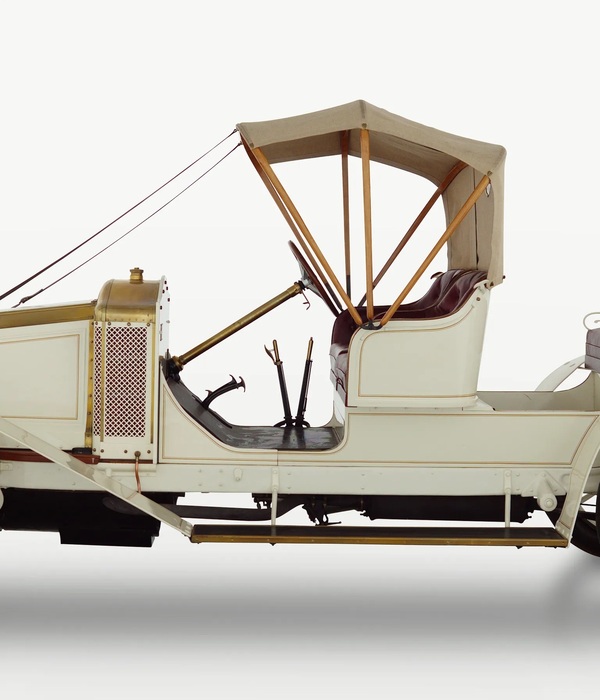
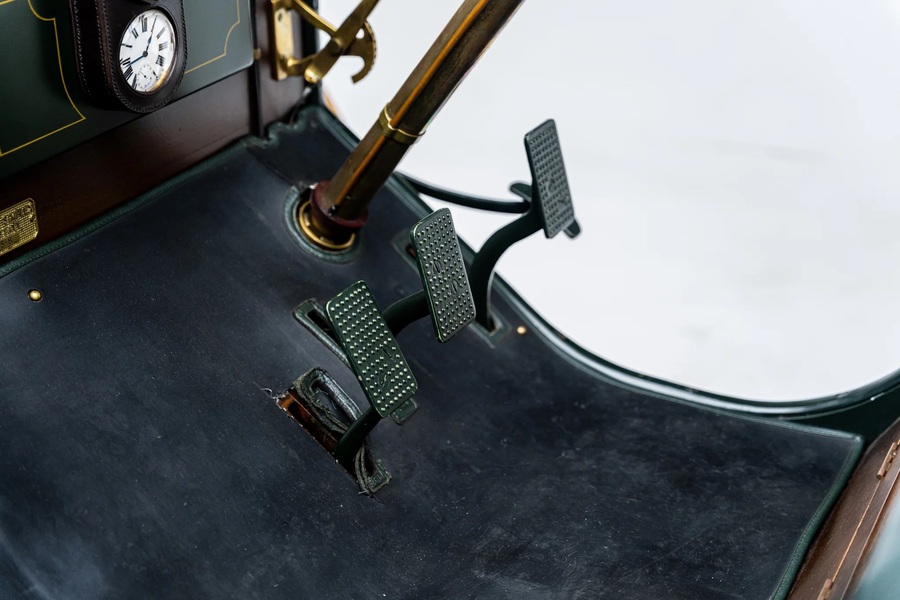
[4] Salon Comfort and Ambiance
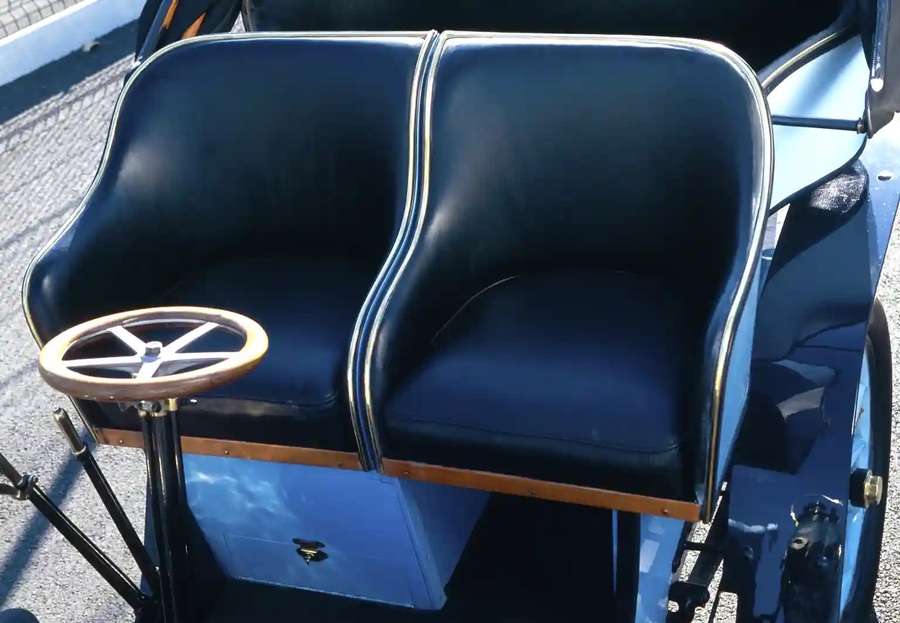
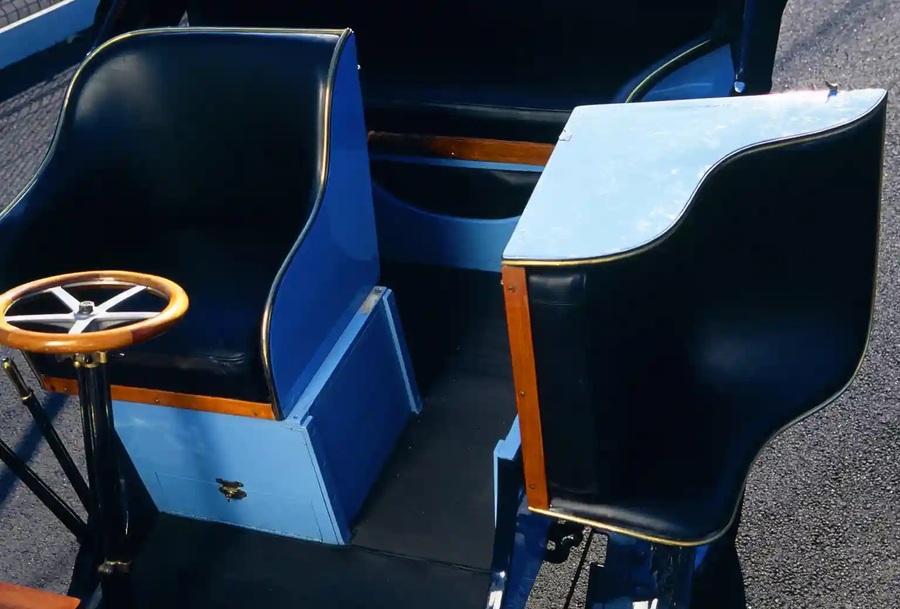
[4.1] Construction and Form of Seating
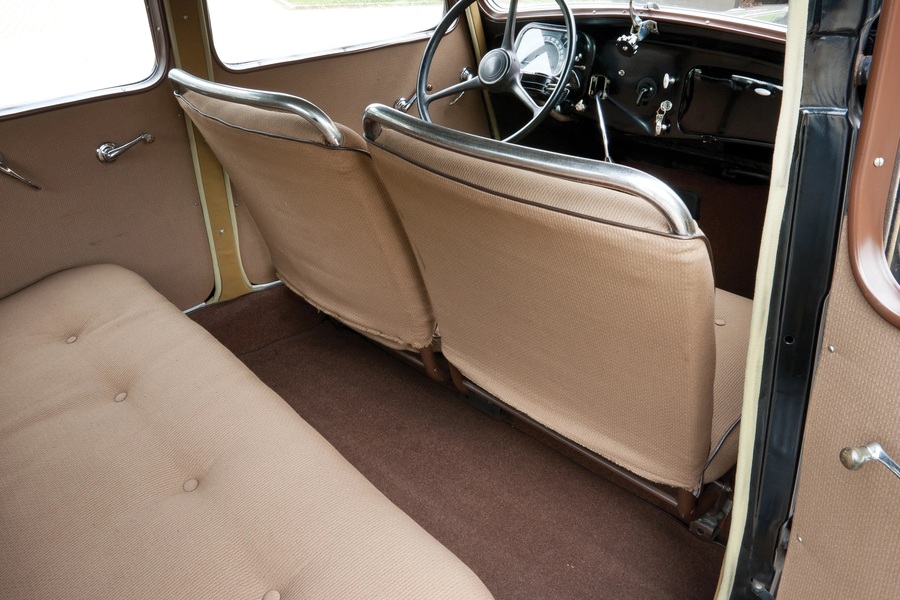
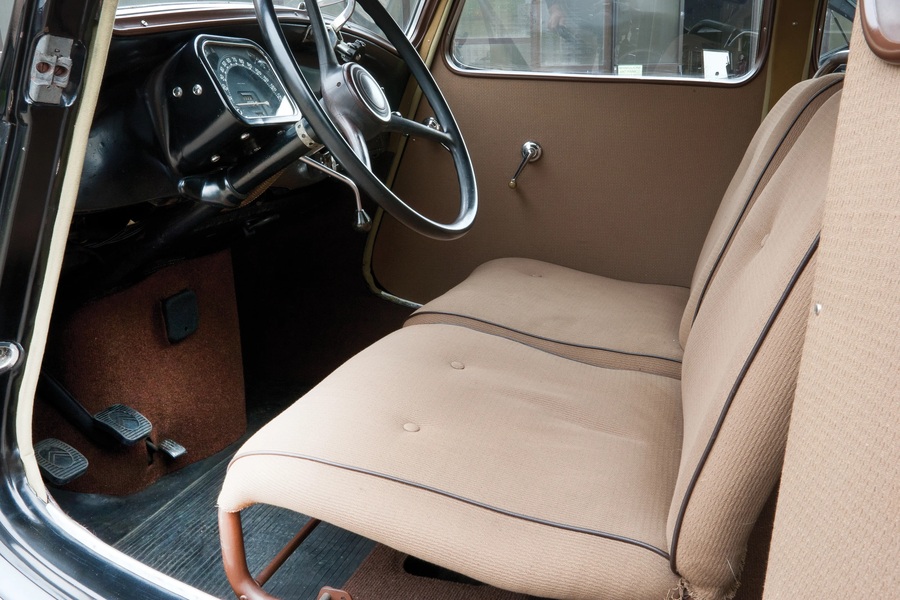
[4.2] Interior Materials and Finishes
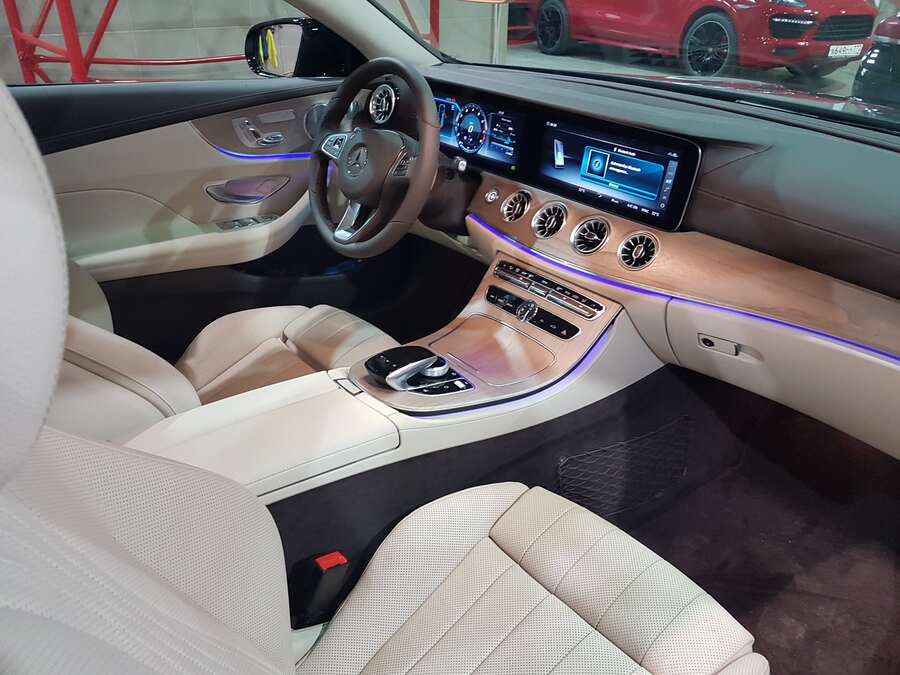
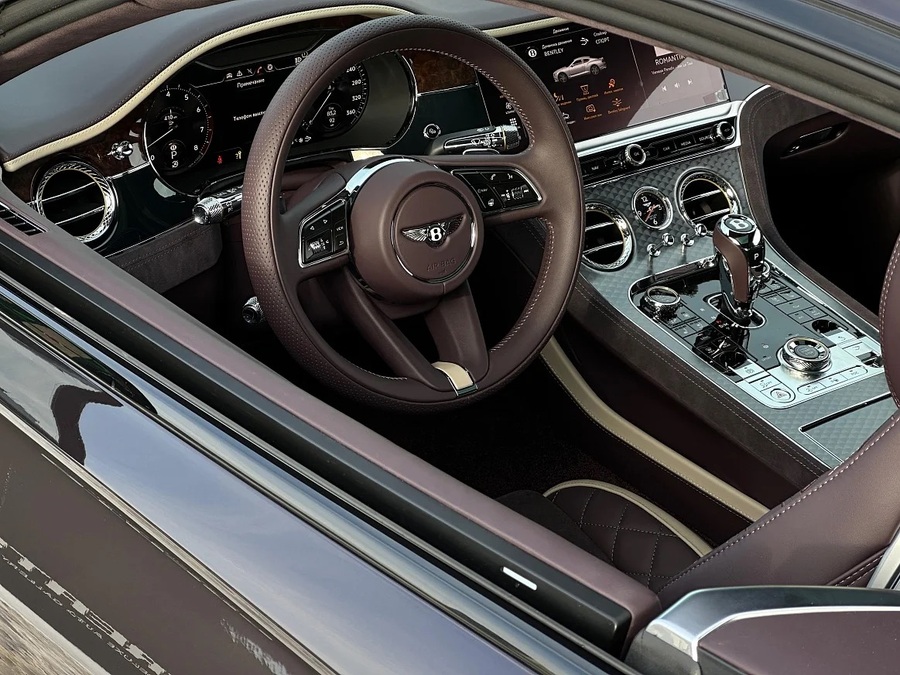
[4.3] Interior Characteristics of Different Vehicle Classes