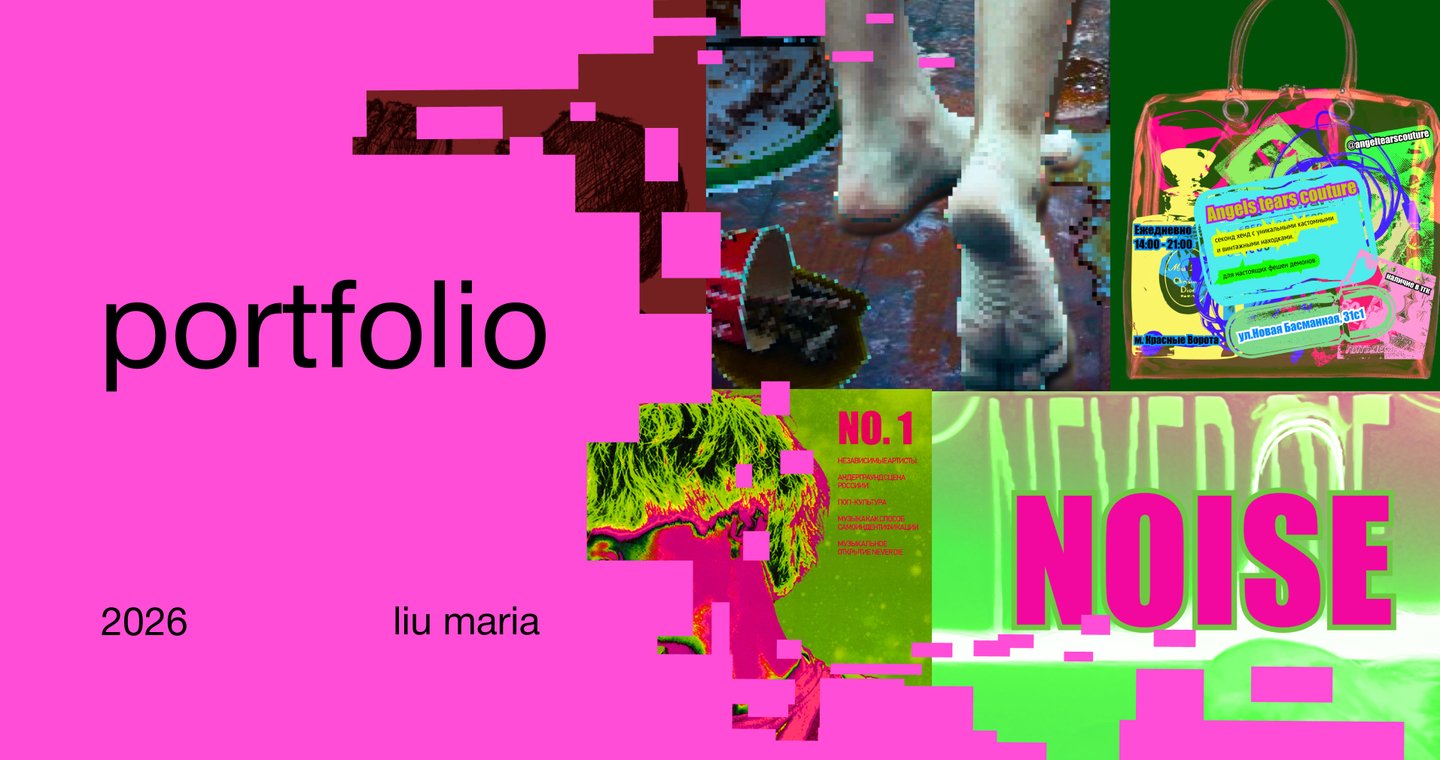
Liu Maria
designer
How I start working on a project:
Step 1
We start by discussing your objectives, style preferences, target audience, and brand positioning.
Step 2
I present initial design ideas, visual references, and creative concepts for your project.
Step 3
We refine the selected direction, make adjustments, and approve the final design.
Step 4
I prepare print-ready materials or provide the final digital files in the required formats.
Fashion magazine «noise»
Concept: NOISE is a magazine that covers all pop‑cultural elements of life that directly influence the formation of modern youth culture, specifically such things as music, fashion, internet culture and media, mass phenomena, and current events.
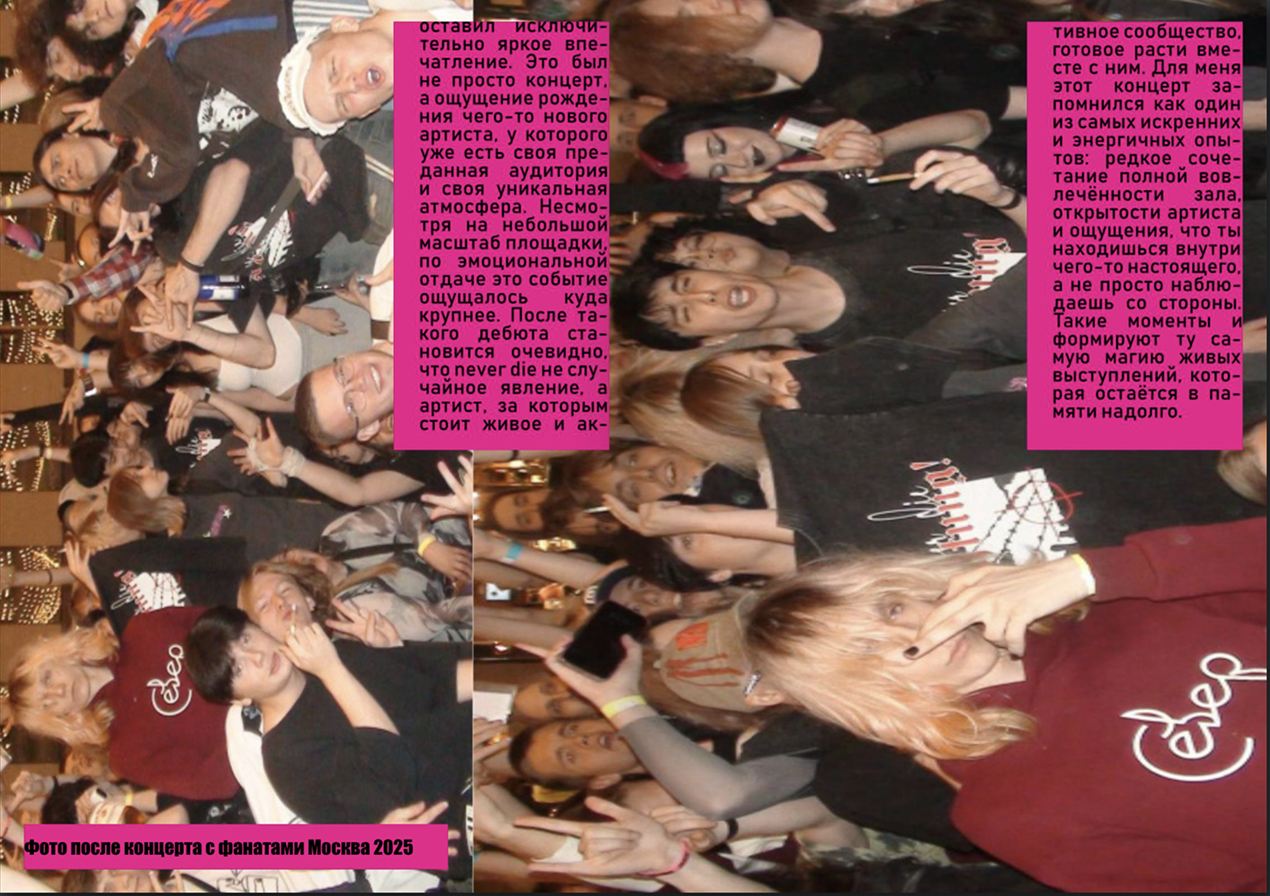
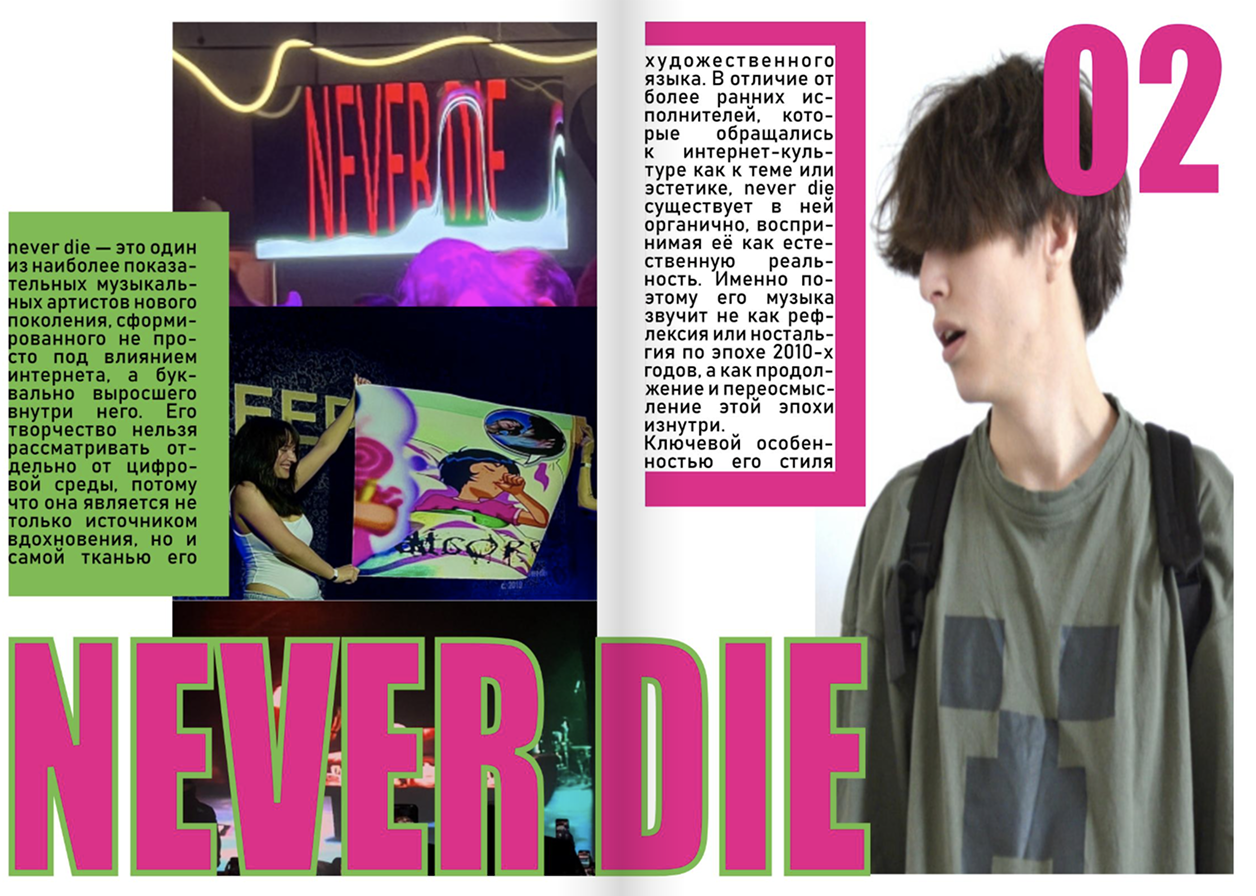
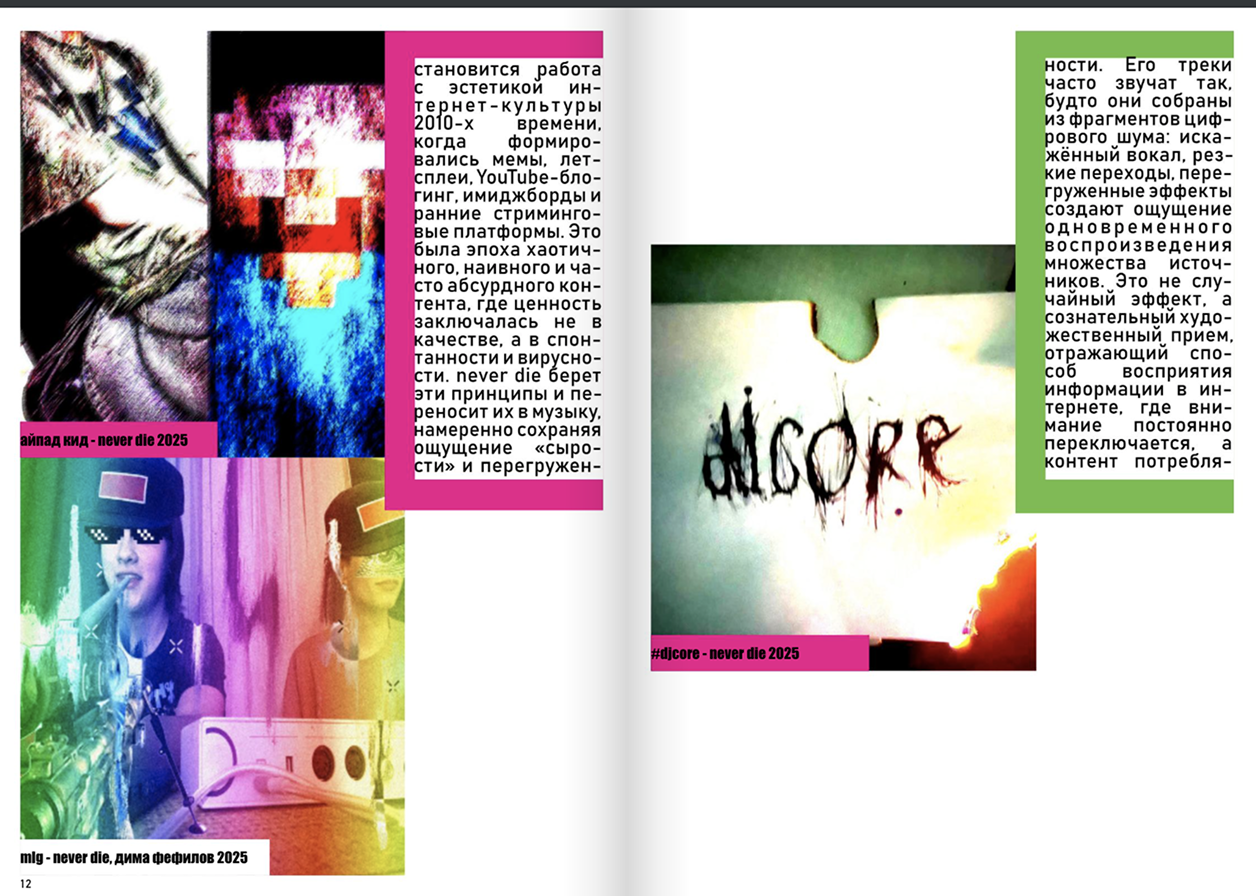
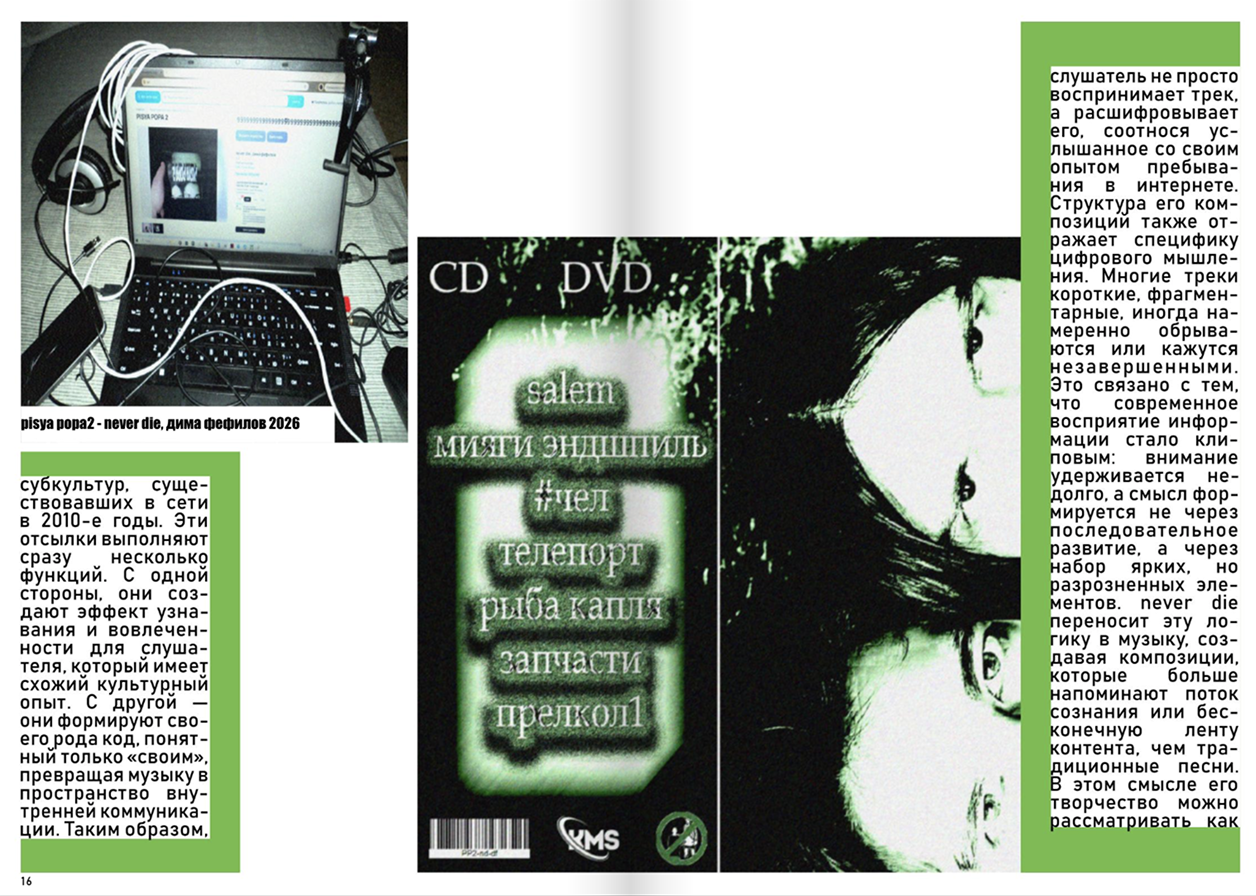
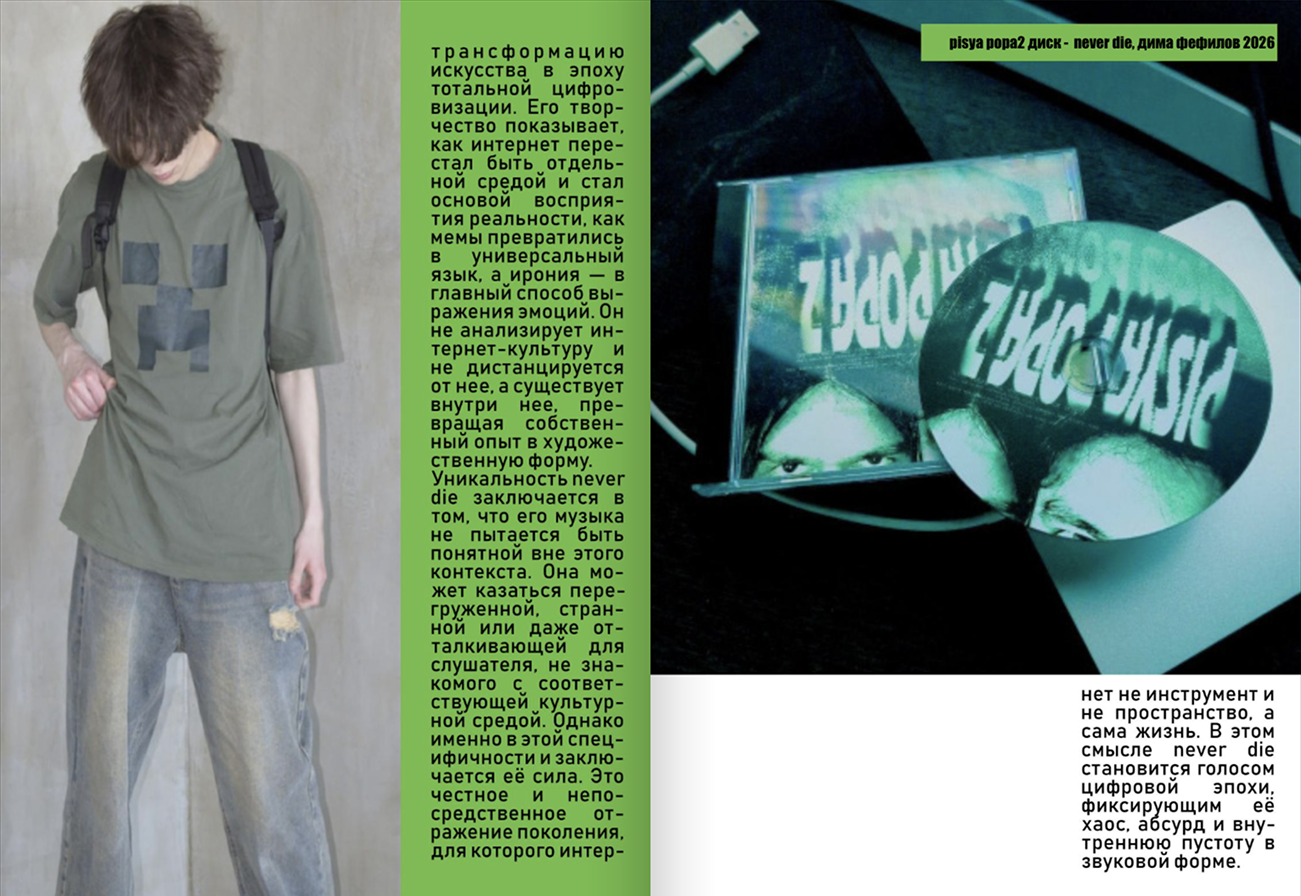
Problem: Pop culture is constantly evolving, shaping the identity, values, and lifestyle of younger generations. However, its different aspects are often explored separately, lacking a unified perspective on their influence on contemporary youth culture.Task: To create NOISE, a magazine that explores the key elements of modern pop culture, including music, fashion, internet culture, media, mass trends, and current events, while developing a distinctive and recognizable visual identity.Solution: NOISE brings together the diverse elements of pop culture into one dynamic editorial space. Its visual identity reflects the energy, chaos, and constant evolution of contemporary culture through bold typography, expressive layouts, striking contrasts, and experimental compositions. Inspired by the visual language of digital media, fashion editorials, and underground publications, the magazine transforms cultural noise into a cohesive visual experience that resonates with a new generation.
Posters for a vintage second‑hand store, «Angel’s Tears»
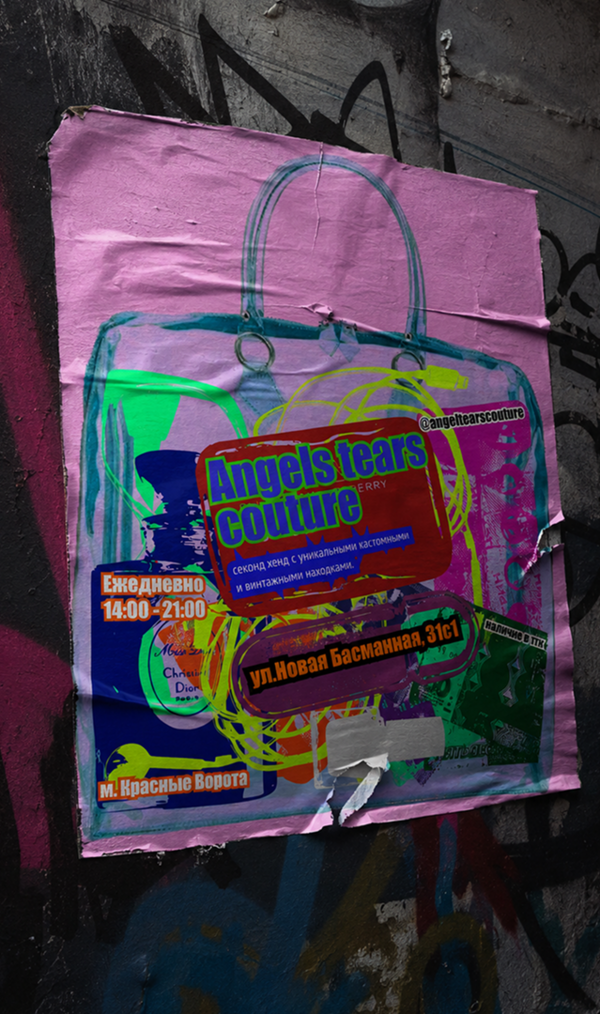
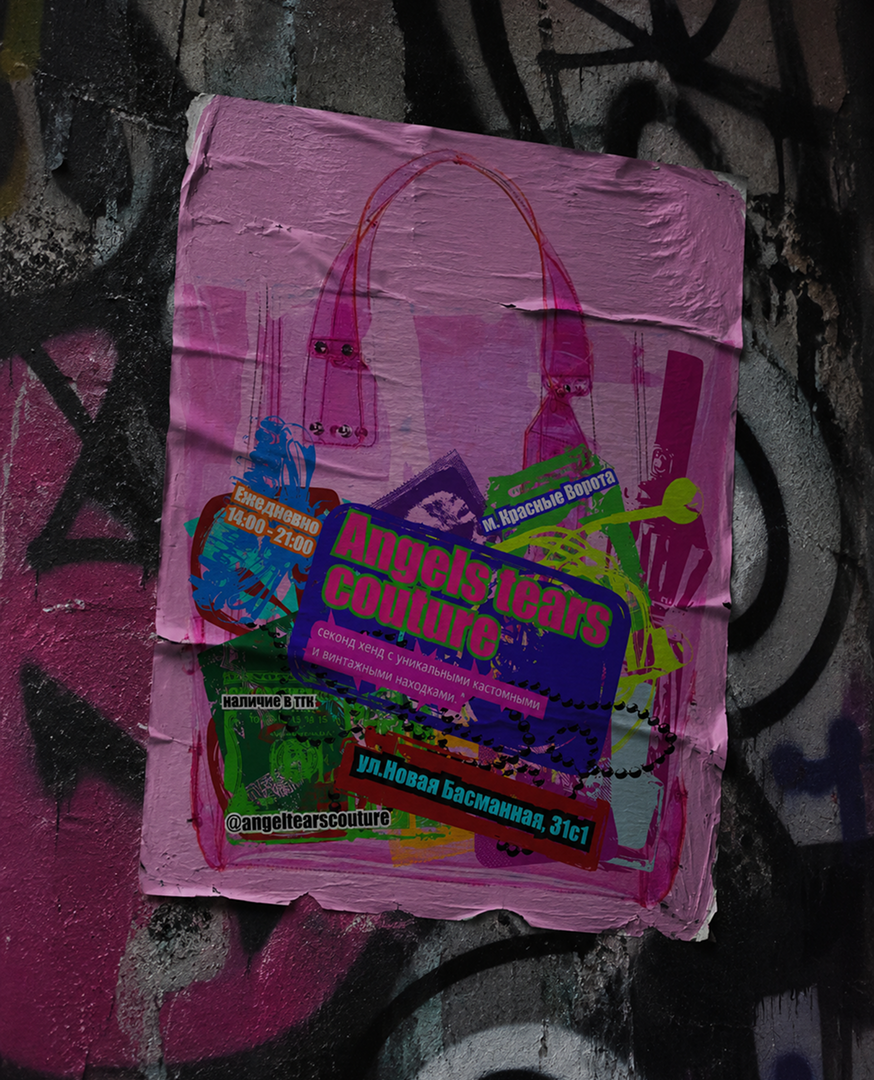
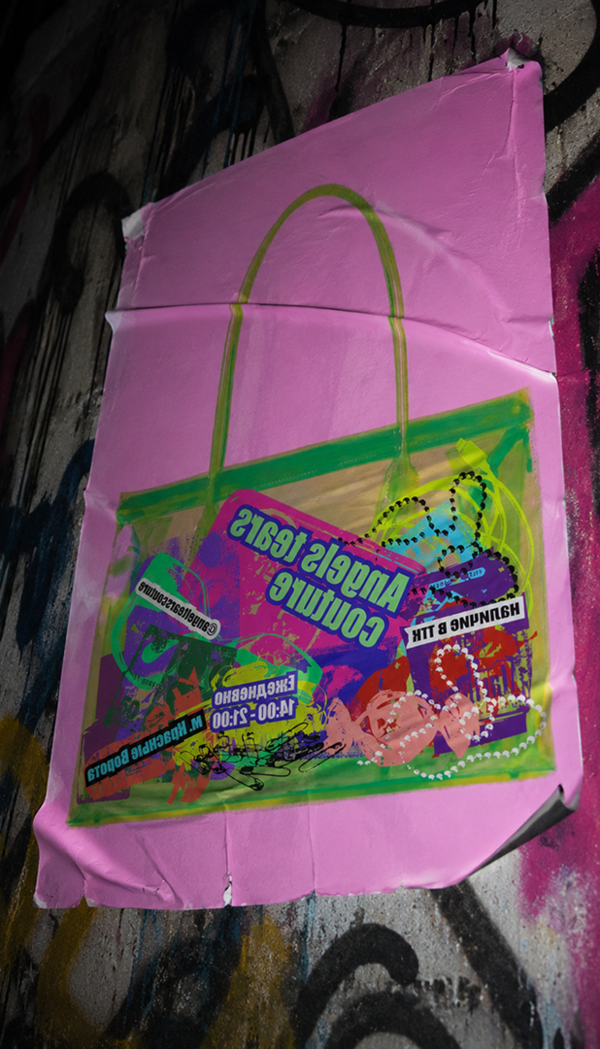
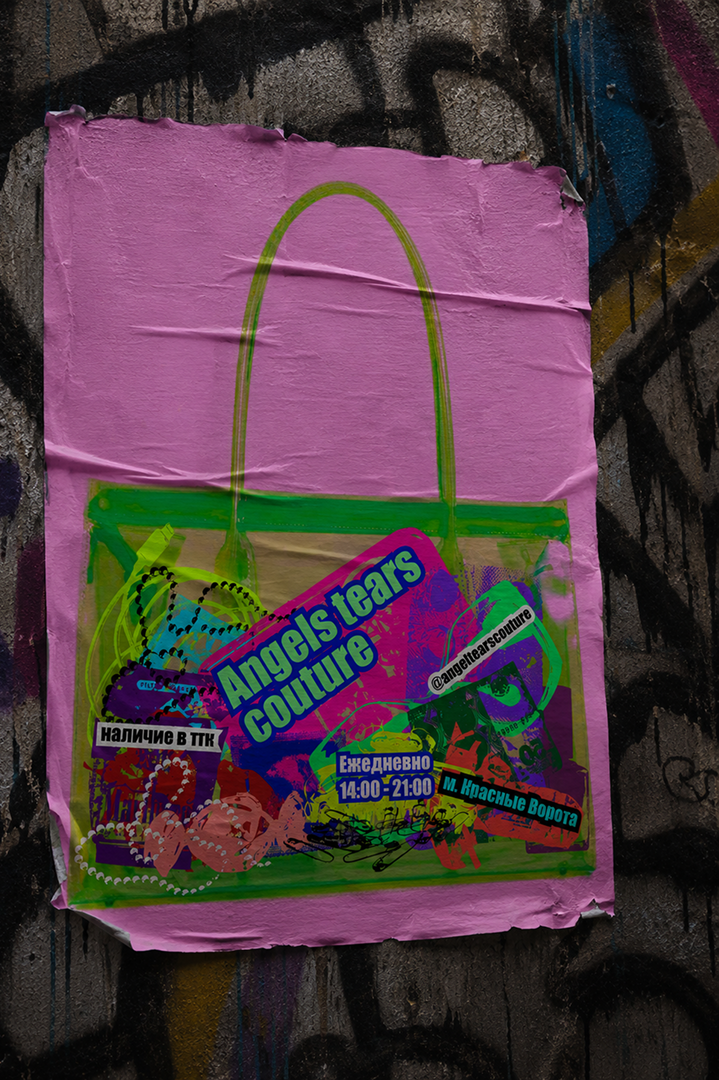
Consept: The brand’s main focus is on custom, unique items from lesser‑known designers, which sets this second‑hand store apart from others. The visual metaphor is the image of a transparent bag through which all the items belonging to its owner are visible. This way, it will be easier for the audience to associate themselves with the brand, since the bag can hold all the items belonging to potential customers, as well as the store’s products.
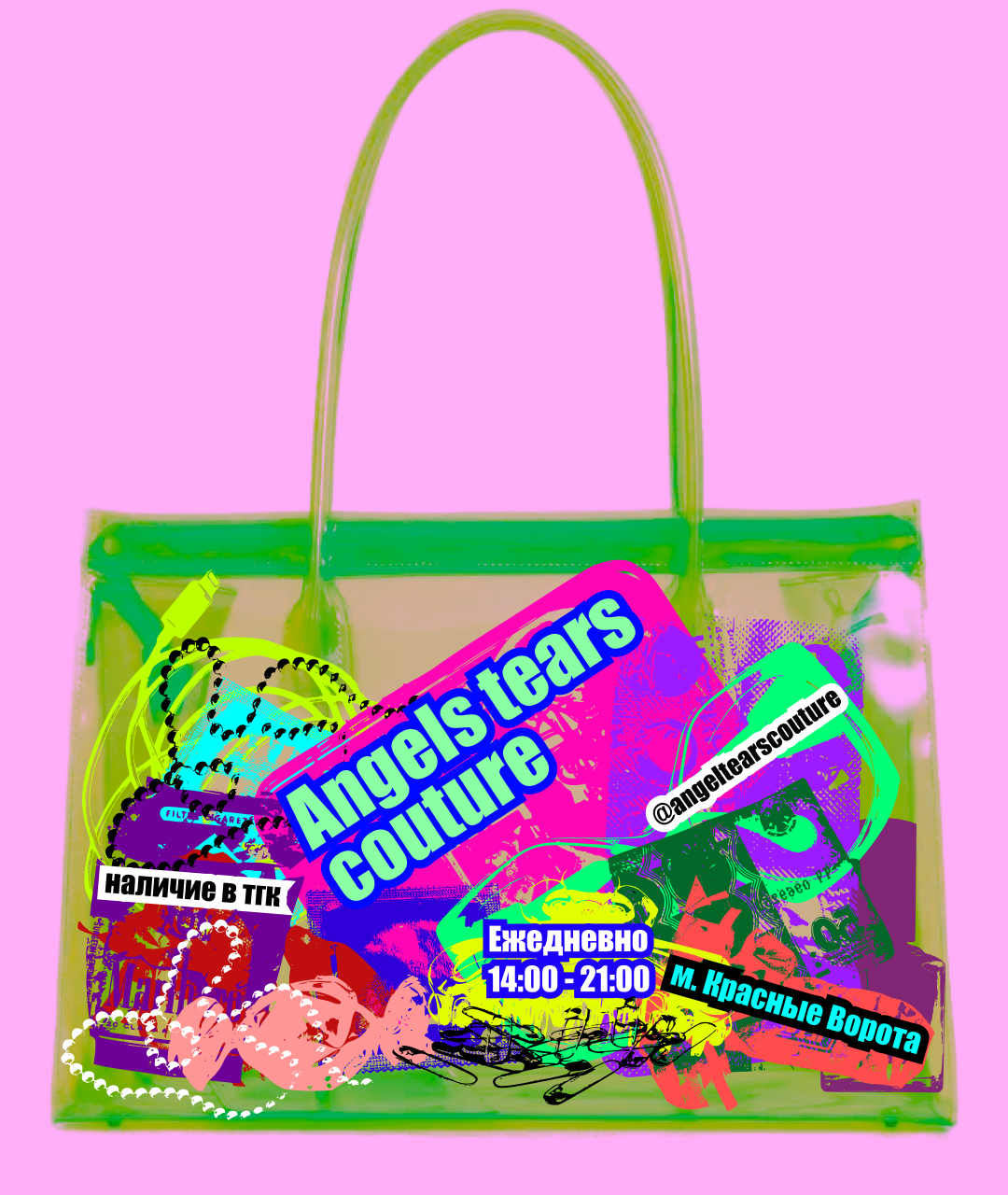
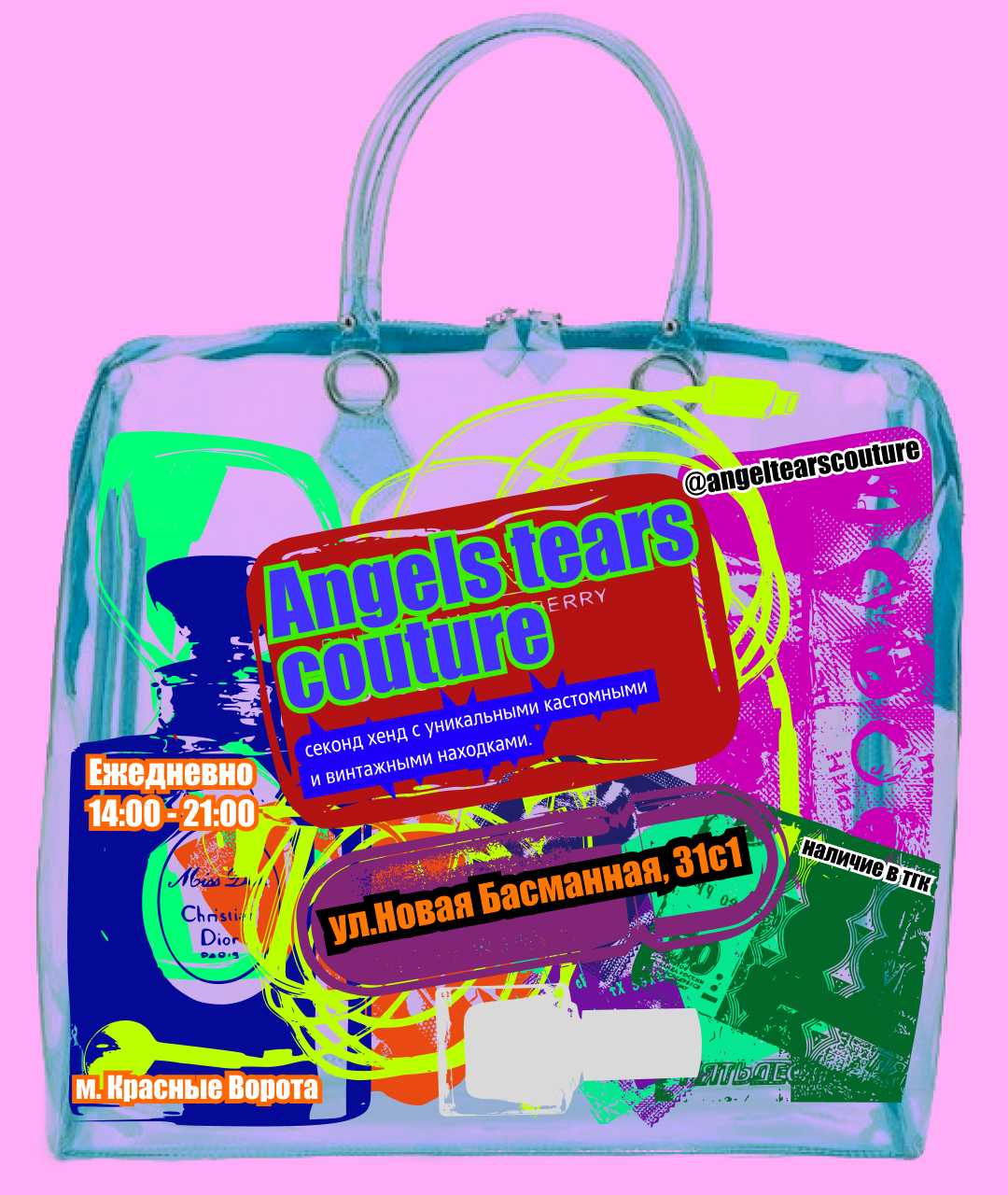

Problem: Most second-hand stores offer similar shopping experiences, making it difficult for brands to stand out and connect with their audience. Unique, one-of-a-kind pieces from emerging designers often remain overlooked.Task: To create a series of posters that highlight the store’s focus on custom, exclusive clothing by lesser-known designers while developing a distinctive visual concept that resonates with its audience.Solution: The poster series is built around the visual metaphor of a transparent bag, revealing the personal belongings and unique style of its owner. By combining everyday objects with pieces from the store’s collection, each composition becomes a reflection of individuality and self-expression. This approach invites viewers to imagine their own belongings inside the bag, creating a personal connection with the brand while emphasizing the uniqueness of its products.
A series of posters «mess»
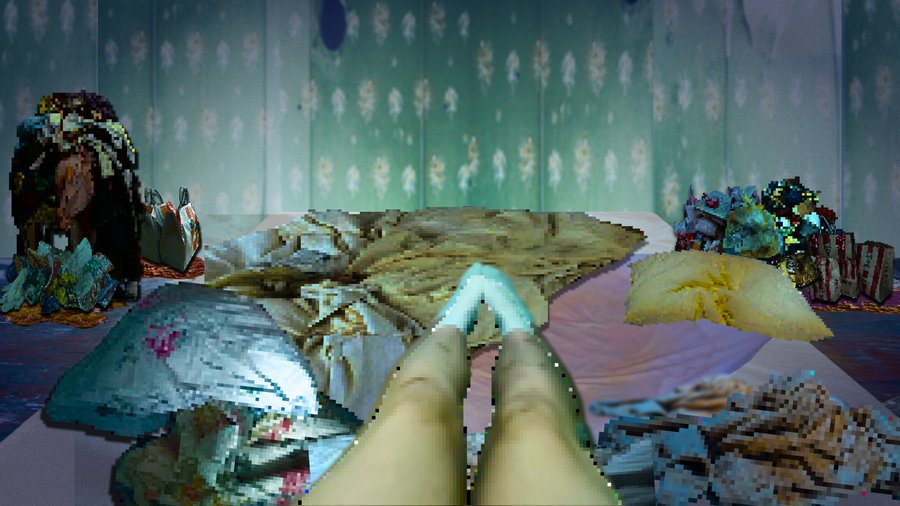
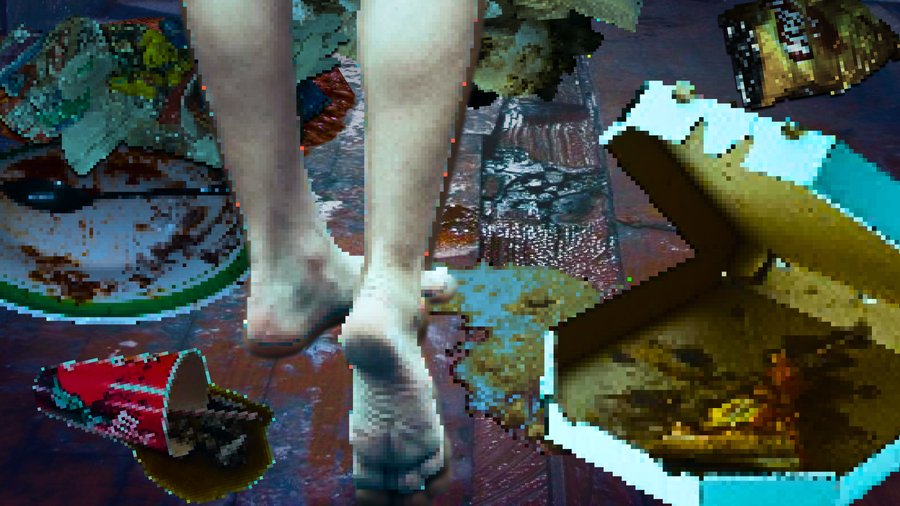
Consept: The posters are dedicated to the theme of depression. Through the collage‑style, careless approach that I chose, I wanted to convey as accurately as possible how a person feels in such a state and how terrible it is.
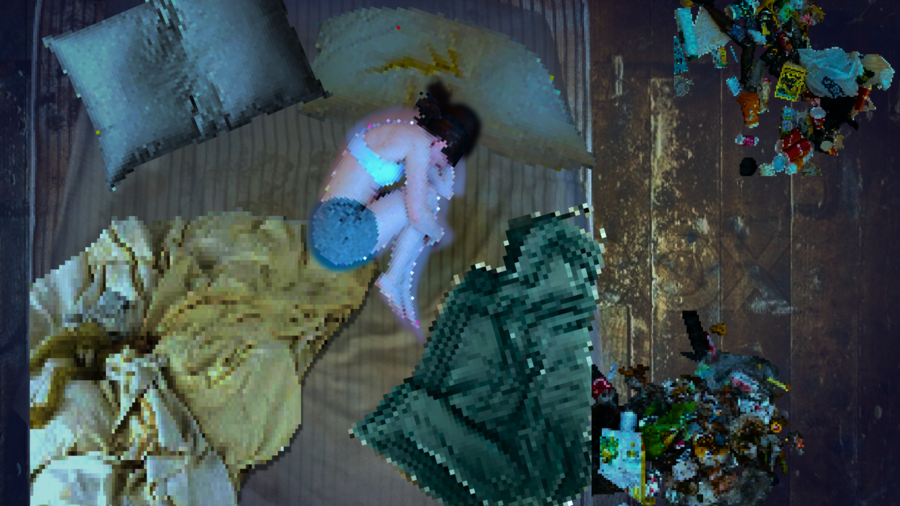
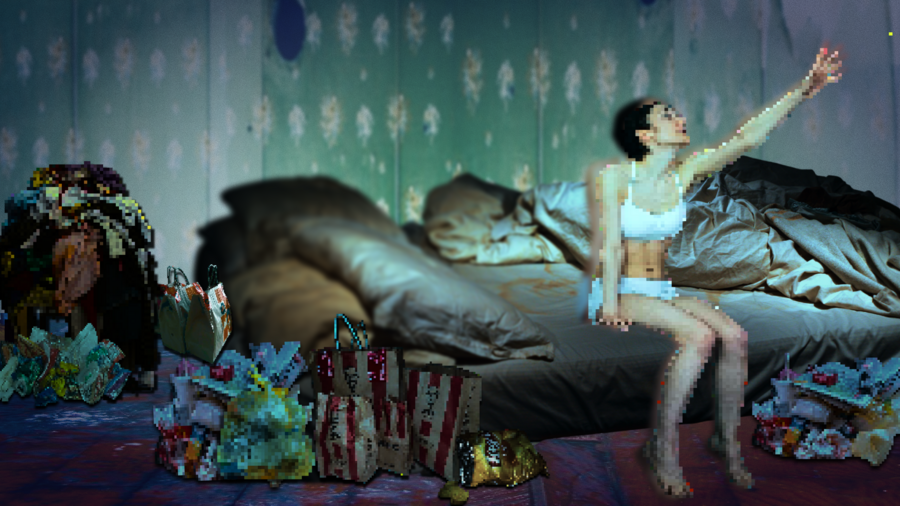
Problem: Depression is often misunderstood or overlooked, as its emotional impact can be difficult to communicate visually. The internal struggles, isolation, and overwhelming feelings experienced by those affected are not always visible to others.Task: To create a series of posters that explore the emotional reality of depression, capturing the intensity of the experience and making these often invisible feelings more tangible to the viewer.Solution: The posters use a raw, chaotic collage style to visually express the emotional weight of depression. Fragmented imagery, rough textures, distorted compositions, and an intentionally imperfect aesthetic reflect the inner turmoil, confusion, and sense of isolation associated with this mental state. The visual language aims to evoke discomfort and emotional tension, allowing viewers to connect with the subject on a deeper, more personal level.