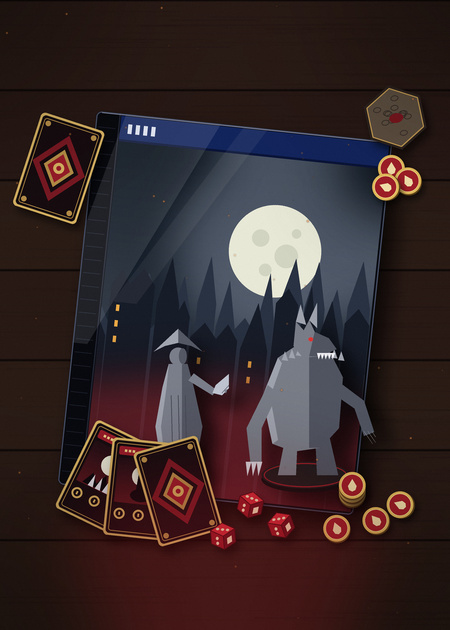
Research Concept
The topic selection is driven by a contemporary cultural shift: computer games, which long existed predominantly in digital space, are increasingly returning to (or appearing for the first time in) tangible, tabletop formats. Adaptations such as Bloodborne: The Board Game, Frostpunk: The Board Game, Deep Rock Galactic: The Board Game, Fallout, Civilization, Northgard: Uncharted Lands, The Binding of Isaac: Four Souls, and Slay the Spire: The Board Game demonstrate not merely a commercial trend, but a profound transformation of the gaming experience. This subject allows for an examination of play as a cultural and philosophical phenomenon at the intersection of two mediums—the digital and the analog.
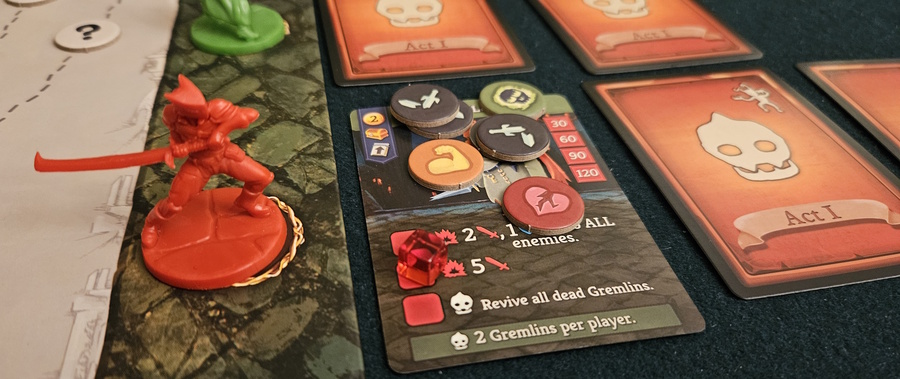
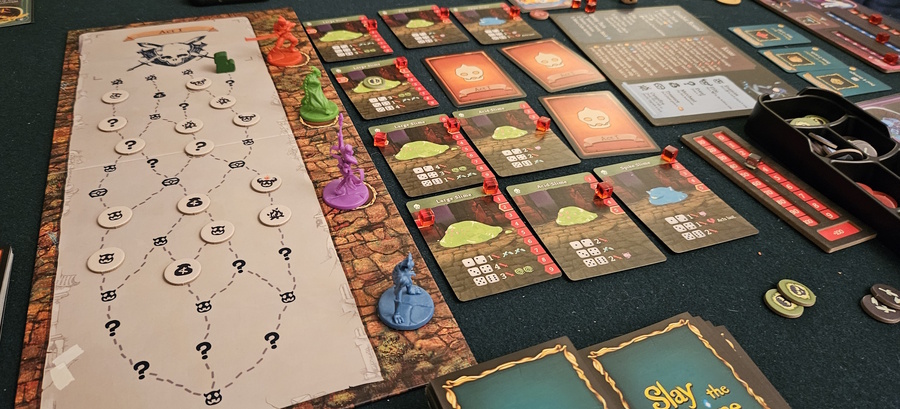
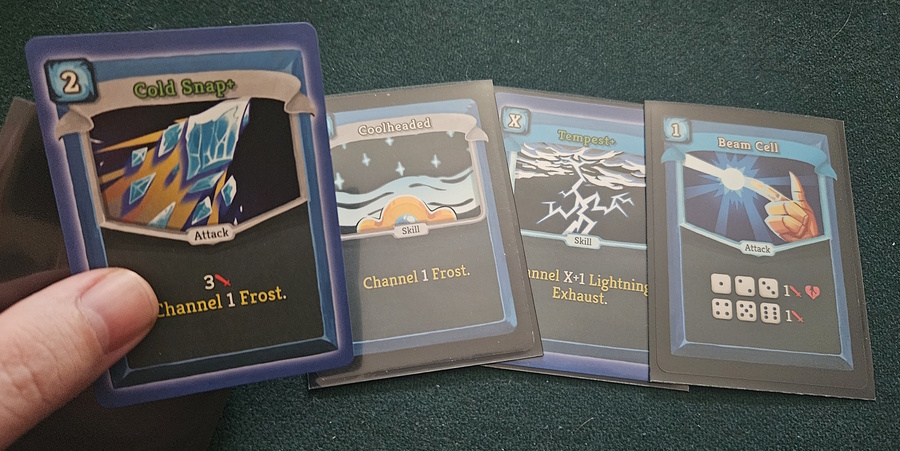
The criteria for material selection are based on the existence of official (or canon-adjacent) tabletop adaptations of computer games across various genres: action RPGs, survival city-builders, cooperative shooters, 4X strategies, roguelikes, and deck-builders. This enables a comparison not of isolated successful instances, but a broad spectrum of shifts from «pixel to token.» The visual component includes covers, components, miniatures, and in-game scenarios that document the materialization of the digital world.
The structure of the study is organized around key philosophical aspects of this transformation: materiality and tactility; the alteration of the «magic circle» and sociality; the shift in game categories according to Roger Caillois (agon, alea, mimicry); and the challenge of preserving the «essence» of the experience. This framework allows the discussion to move from specific case studies to broader conclusions about the nature of play.
Textual sources were selected based on two criteria: the mandatory inclusion of seminal works on game theory and philosophy from the course bibliography, and contemporary descriptions of specific adaptations. The central theoretical foundation is Johan Huizinga’s Homo ludens, where play is understood as a primary cultural form possessing its own time, space, and rules [1]. Furthermore, Roger Caillois’s classification is utilized to analyze the shifting focus between competition, chance, and imitation during the transition from the digital to the tabletop environment.
The key research question
What precisely is preserved, and what is radically transformed when a computer game is converted into a tabletop game, and how does this transformation alter the very understanding of play as a phenomenon of human existence?
Hypothesis
Adapting a computer game into a board game is not a simple transference of mechanics or theme. It uncovers and amplifies the essential qualities of the gaming experience—materiality, collectivity, the bounded nature of the «magic circle”—thereby bringing the game closer to its original cultural status, as described by Huizinga, while simultaneously redistributing the balance of Kyawa categories (enhancing alea and social mimicry at the expense of pure real-time agon).
Research Sections
- Materiality: From Pixel to Figurine A computer game exists as intangible imagery and code. The tabletop version makes the world tangible: miniature hunters and monsters in Bloodborne, the generator in Frostpunk, and dwarves and glyphids in Deep Rock Galactic. The physical object changes the player’s relationship to the game world—introducing tactile responsibility and a sense of «presence.»
- The Magic Circle and Sociality According to Huizinga, play unfolds in a specific, delimited space and time [1]. The screen creates an individual or networked circle. The table brings participants face-to-face. Cooperative adaptations (Bloodborne, Frostpunk, Slay the Spire, Deep Rock Galactic) transform solitary or online experiences into a shared ritual action.
- Chance, Control, and Kaihua Categories In digital action games, the role of skill and precision (agon) is significant. Tabletop versions almost inevitably amplify the element of chance (alea) through dice and cards (Isaac, Slay the Spire, Bloodborne). Simultaneously, social simulation (mimicry) is growing—the discussion of laws in Frostpunk, betrayal in Four Souls.
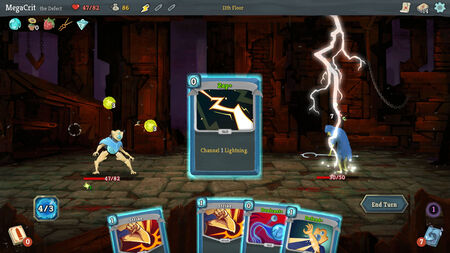
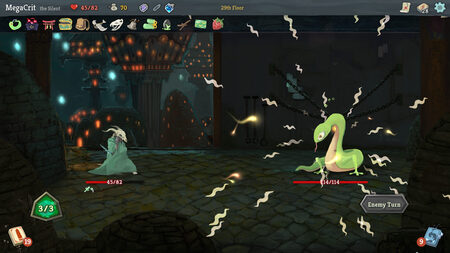
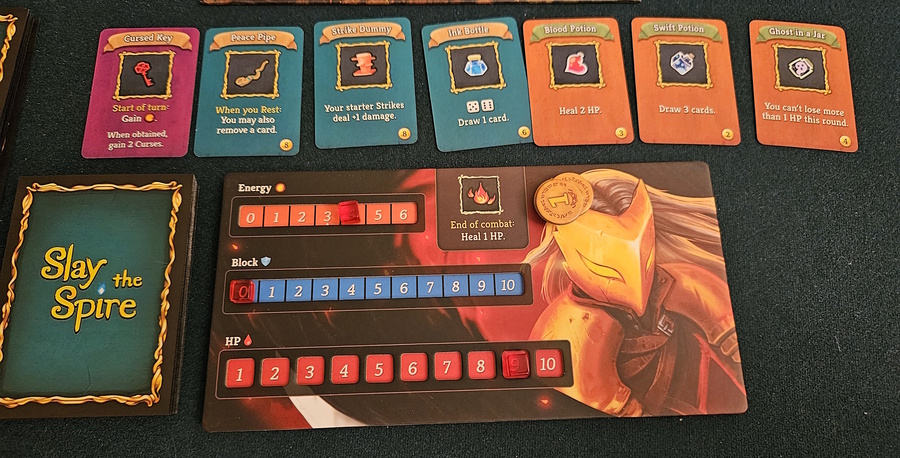
- The Essence of Experience and the Problem of Game Identity Is the «same» game preserved? Civilization is particularly telling: the computer series itself grew out of a tabletop tradition, and was later re-embodied in tabletop forms. Adaptation becomes interpretation, not mere copying.
- Ethical Dimension Frostpunk frames moral dilemmas—laws, hope versus discontent, the cost of survival—as subjects for open, collective discussion. Bloodborne retains the themes of knowledge, death, and madness, but translates them into shared struggle.
Conclusion
The transition «from pixel to token» demonstrates that play, as a cultural form, possesses high plasticity. The digital version often emphasizes individual skill, visual immersion, and the infinite nature of the world. The tabletop adaptation reintroduces materiality, shared experience, and the limitation of the «magic circle» described by Huizinga [1]. Simultaneously, it inevitably redistributes Kaiqua’s categories, amplifying randomness and social interaction.The hypothesis is confirmed: successful adaptations do not copy the original but reveal its latent properties, rendering play more «human» in the classical philosophical sense—corporeal, communal, and ritualistic. The tabletop version of the computer game becomes not a derivative product, but an independent statement about the nature of play.
List of Textual Sources Used (Bibliography)
Hyo-sung Y. Homo ludens. The Playful Human. St. Petersburg, 2011. Kaiua R. Games and People. Moscow, 2007. Fink E. Fundamental Phenomena of Human Existence. Moscow, 2017. Ranner H. The Playing Human. Moscow, 2010. Parlett D. S. The Oxford History of Board Games. Oxford, NY, 1999. Donovan T. It’s All a Game. NY, 2017. Official publisher materials: CMON (Bloodborne: The Board Game), Glass Cannon Unplugged (Frostpunk: The Board Game), Fantasy Flight Games (Fallout, Civilization), Studio H (Northgard: Uncharted Lands), and others.
Image Sources List