I take products from idea to launch, designing and coding them as one system.
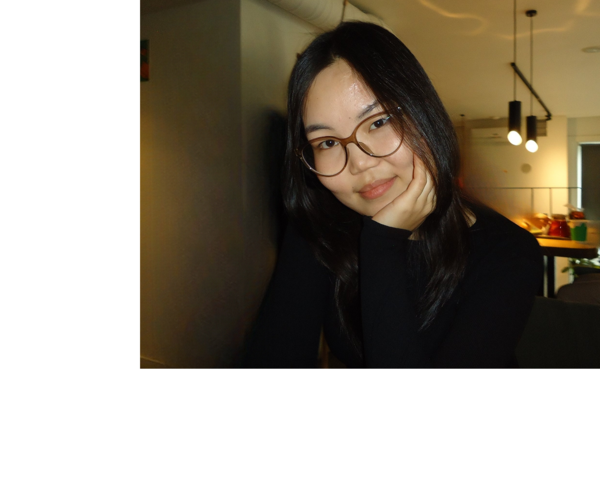
I’m a 4th-year Design and Programming student at the HSE School of Design.I design and code, so I take products from idea to launch myself: from user flows and a design system in Figma to working code, with no handover in between.What I enjoy most is coming up with ideas and turning them into products that are easy to use and easy to grow.
Where products lose time


In many teams, design and code live separately. Designers hand over mockups, developers rebuild them from scratch, and every change has to be made twice. The product slowly drifts away from the design, and updates take days instead of minutes.
How I work


One system, from Figma to code
User flow — every product starts with how people will move through it.
Design system — the interface is built from reusable components in Figma.
Same components in code — the components move into code one to one.
Data model — an object-oriented structure that stays clear as the product grows.
Easy updates — a change made in one place works everywhere. Design and code never drift apart.
How it works in real projects
01. A_FACTS
A media service about visual effects in the film industry
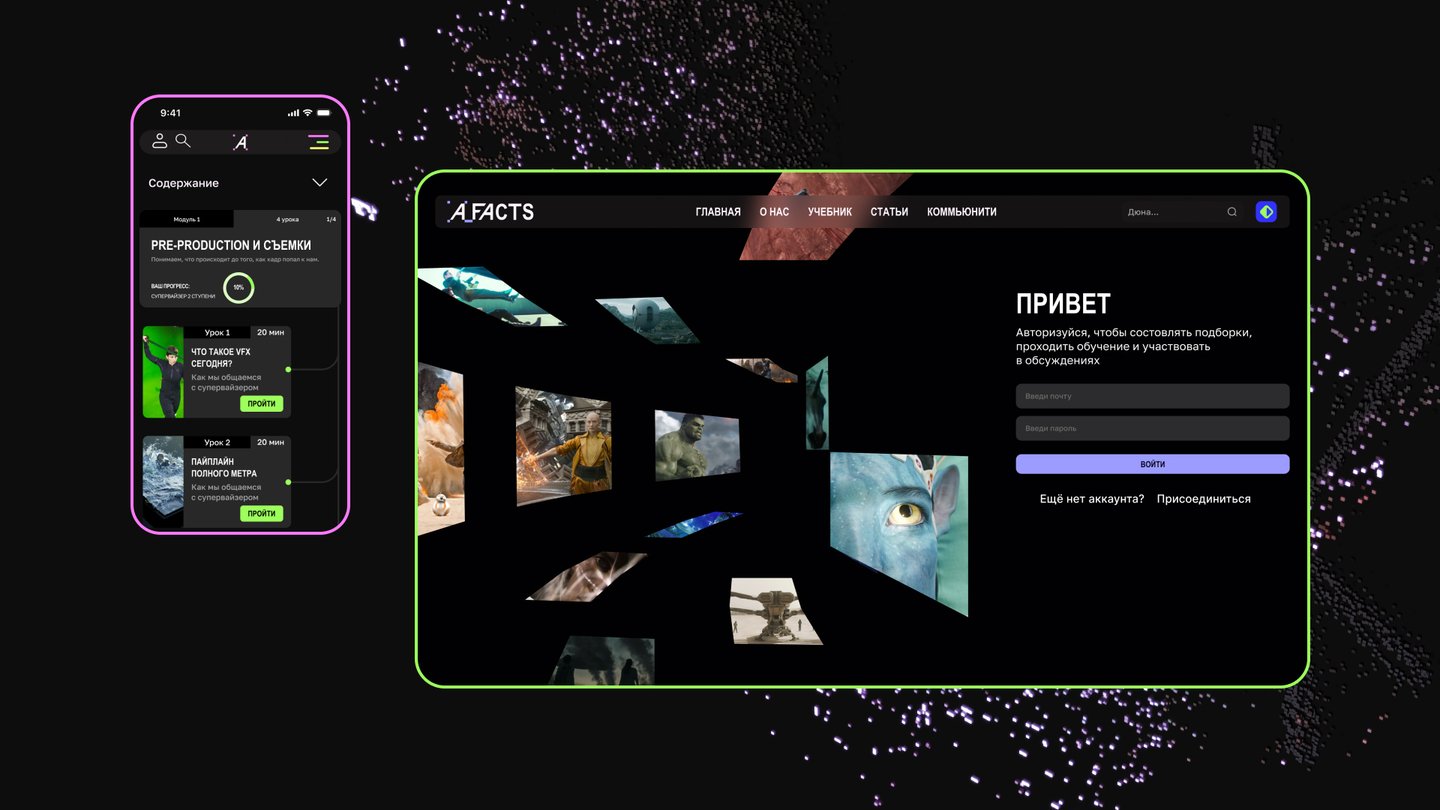
About project A_FACTS is a media service about visual effects in the film industry. It helps beginners, film lovers and VFX artists learn how film illusions are made.My role I was the developer in a team of 3. I designed the user flow, the design system and the data model, and built the product on Ruby on Rails. I also took part in design exploration and layouts.Team of 3 · Stack: Figma, HTML, CSS, Ruby on Rails · [9 months]
Problem There’s almost no structured VFX content in Russian. 81,4% — no useful materials in Russian 76,2% — no clear learning path 71,4% — want breakdowns of famous scenesSolution Articles, a textbook with quizzes, a dictionary, a community and a personal profile — in one service.
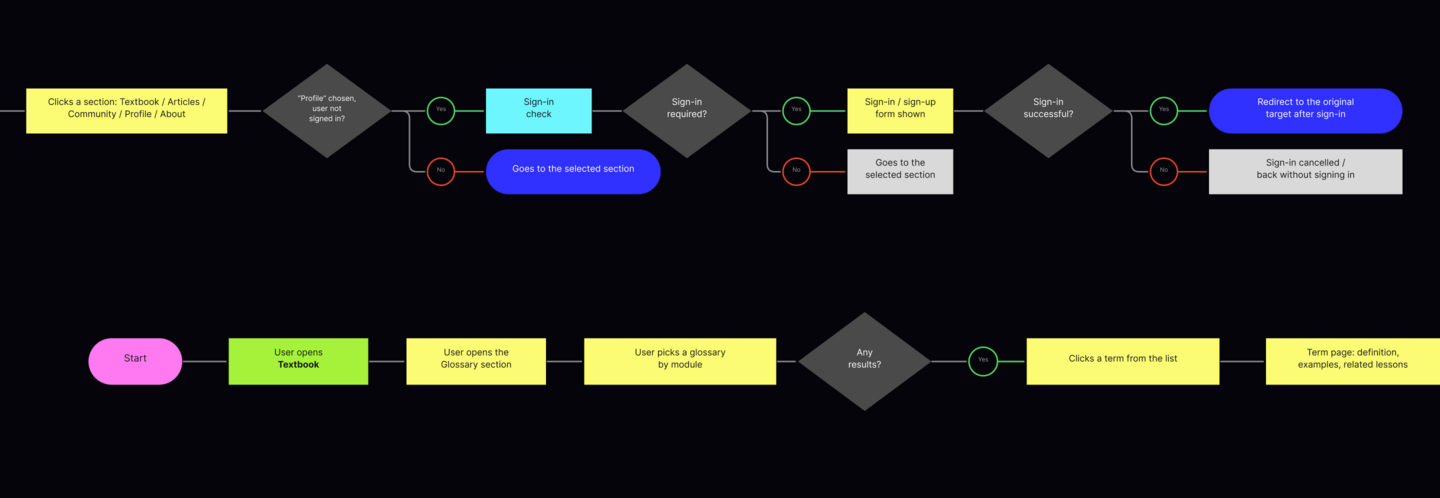
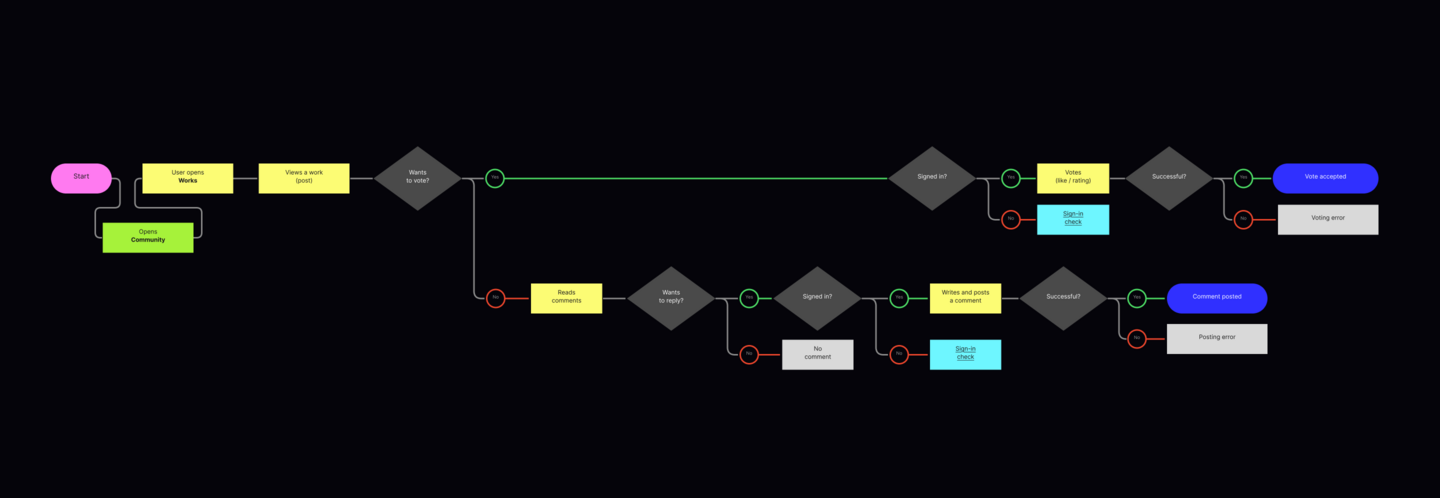
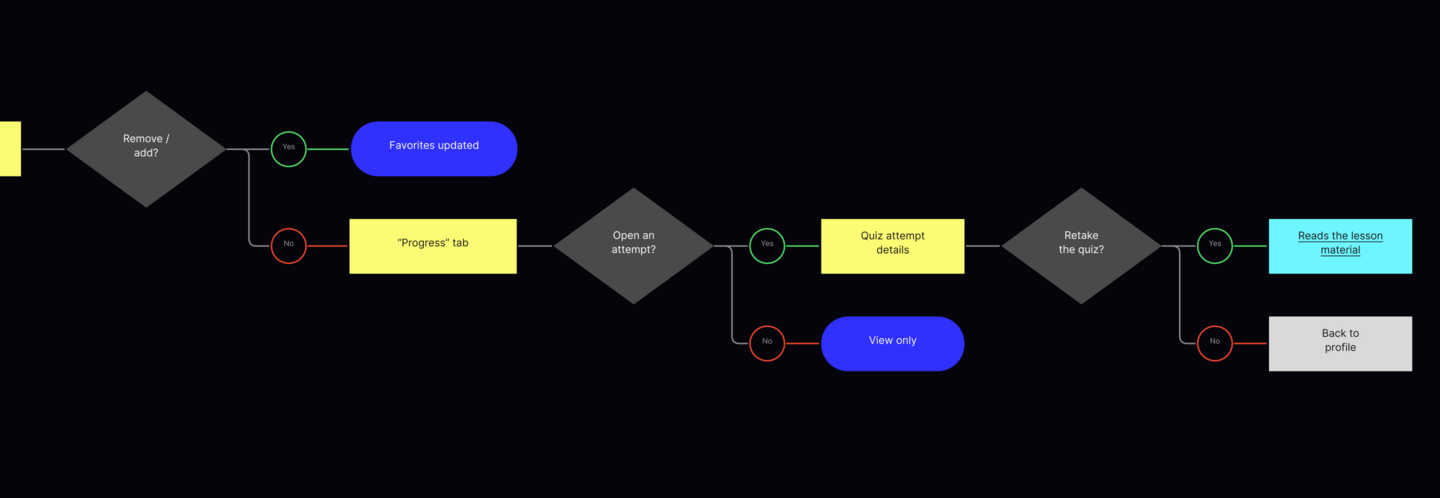
Process→ User flow I mapped every path through the service: from the main page to the textbook, articles and community, with filters, favorites and sign-in checks along the way. This became the base for both the interface and the code.
→ Design system Me and my team built the interface from reusable components: the menu, article filters, works feed, buttons, avatars and toggles, plus a full type scale from H1 to tag text. Small elements combine into bigger blocks, so new screens are assembled, not drawn from scratch.
→ Data model I designed an object-oriented structure with users, profiles, articles, tags, quizzes, the learning curriculum, the dictionary and community posts. Each entity has clear relations, so new features fit in without rebuilding the core.
→ Design to code I built the product on Ruby on Rails and carried every component from Figma into code one to one. When a component changes, it updates everywhere at once.
Outcome: A working product where anyone interested in VFX can read scene breakdowns, learn step by step with quizzes, look up terms and share their work with the community.
02. SPOT
A media for skateboarders, BMX and scooter riders
About project SPOT is a media service and community for riders of any level. It brings together the best tricks, spots, articles and guides in one place, helping every rider learn, grow and feel more confident on the spot.My role I designed the user flow, worked on the layouts with my team, and built the interface in HTML, CSS and JavaScript.Team of 3 · Stack: Figma, HTML, CSS, JavaScript · [9 months]