Navigation
- Concept
- Why do humans create creatures that do not exist in nature?
- When does a hybrid become a deity?
- Creatures that guard sacred spaces
- Monsters of ancient mythology
- The fantastic world of the Middle Ages
- When does a monster stop being a monster?
- Monsters and hybrids as a mirror of human imagination
- Bibliography
- Image Sources
Concept
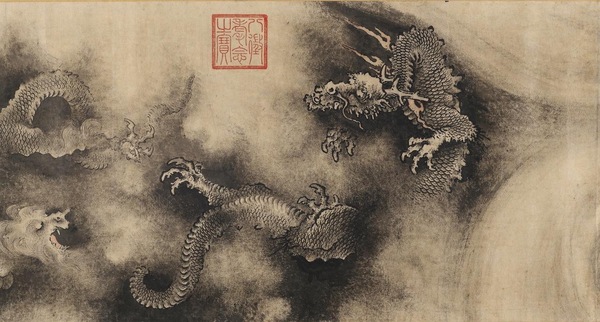
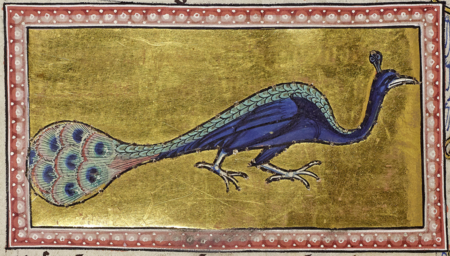
For millennia, people have created depictions of creatures that do not exist in nature. Different animal parts were combined into a single being, and humans were often portrayed with the heads of various beasts. These figures held a special place in the mythology, religion, and art of many eras.
I propose an examination of the reasons why humans depicted these creations and what meaning is embedded within their forms. The central idea is that non-existent beings served as a way to represent supernatural power, divine nature, danger, or origin from another realm. Furthermore, the principle of combining different body parts could carry entirely opposing meanings depending on the culture.
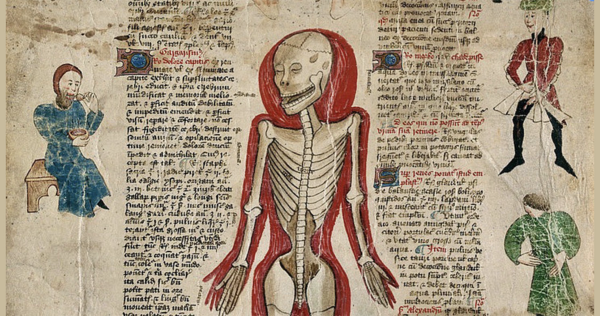
This research spans from the art of Ancient Egypt through the European Middle Ages up to the 14th century. It focuses on identifying the main types of fantastic creatures—deities, guardians of sacred spaces, mythological monsters, and medieval beings—to observe how the functions of these creatures evolved and how their imagery related to their roles in culture. This approach will also help delineate the boundary between a marvelous creation and a monster.
Through visual analysis, I aim to demonstrate that fabricating images of creatures that do not exist in nature was a unique method of comprehending the world. Artists across different eras expressed their concepts of nature, the divine, the dangerous, and the unknown through these figures.
The Mysterious World of the Middle Ages
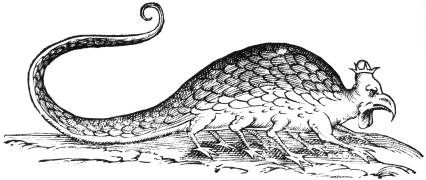
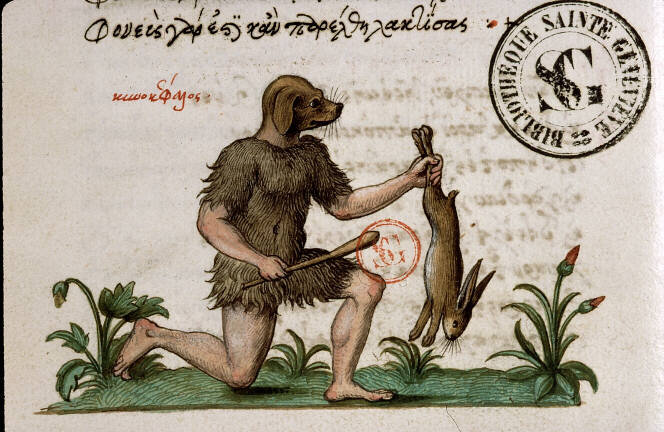
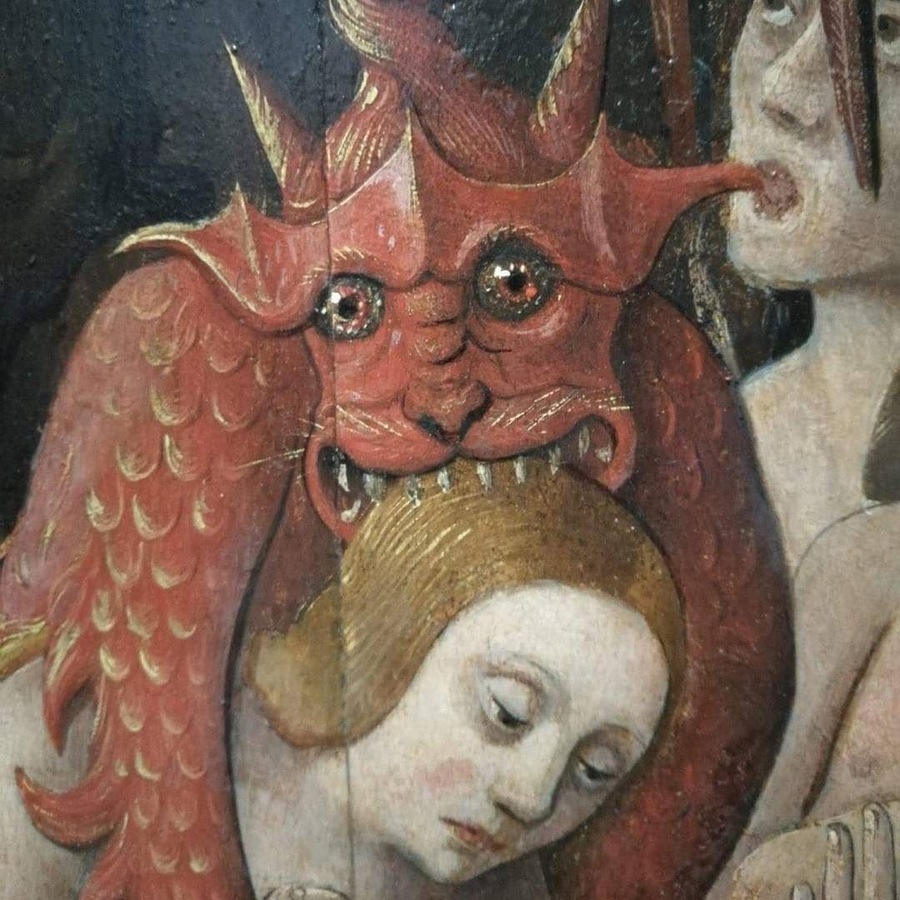
To begin, I suggest understanding the difference between a hybrid and a monster. • A hybrid is most often a combination of different parts of animals or a human and an animal—this can be seen in the example of a cinocephalus, a human with a dog’s or wolf’s head, which was often portrayed as an inhabitant of remote lands. • A monster is a creature with a frightening and unusual appearance where the anatomy is severely distorted. For example, in the Middle Ages, the basilisk was thought to be a deadly combination of a serpent and a rooster.