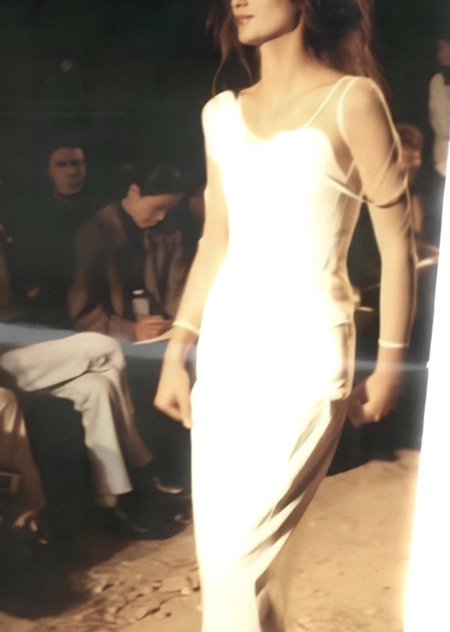
CONCEPT
Lately, I’ve noticed more and more how cyclical fashion is, and how society constantly reverts to something previously created, creatively reimagining it for our current time.
In my research, I am trying to answer this question. I am interested in understanding whether cyclicality is merely a change of scenery or if it is a more complex mechanism that allows fashion, as an institution, to process the past, argue with the present, and sometimes predict the future. It seems to me that underlying this are not just nostalgia or a craving for novelty, but serious social reasons. This mechanism allows society to metaphorically «try on» different eras, re-experiencing recurring historical problems through the lens of contemporary experience. For example, the current popularity of vintage may be a response to the ecological crisis and consumer society.
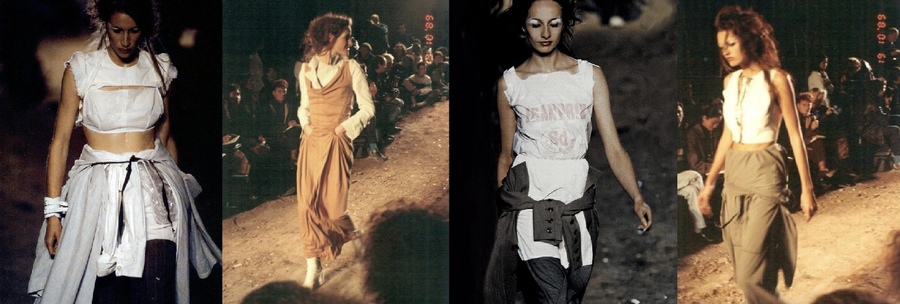
Martin Margiela Collection
So why is fashion more than just a passing seasonal whim—it’s a genuine social agenda?
I once thought clothing and trends were fleeting. Now, I understand that while most trends are quickly forgotten, certain pieces transcend mere visual style to become reflections of culture, position, and symbols of an entire body of ideas, remaining iconic for years to come. I am curious to unravel this paradox—how to distinguish truly significant fashion from a passing trend.
From a philosophical standpoint, fashion is more than mere craft or entertainment. It is a powerful social institution whose function is not simply to clothe the body, but to «dress» the spirit of an age—reflecting a generation’s values and anxieties through visual forms.
The philosopher Georg Simmel addressed this topic in his essay on fashion. He viewed it as a mechanism of social identification, where similar clothing helps people feel a sense of belonging to a community. However, when a trend becomes mass-market, the elite seeks new ways to differentiate themselves from the majority, initiating another cycle. Pierre Bourdieu developed similar ideas, asserting that fashion is a form of «cultural capital» that not only helps one find their own but also constructs social hierarchies.
These theories, however, have been re-evaluated in the contemporary context. While Simmel and Bourdieu described fashion as a relatively stable system with clear hierarchies, today it has transformed into a chaotic battleground of myriad styles and identities. Social media has devalued the role of the elite as the sole arbiter of trends. Furthermore, economic realities and conscious consumption have led to the act of crafting style from a limited number of items—thoughtfully combining old with new—becoming a sign of awareness and taste rather than a mark of poverty. These shifts prove that fashion remains a vital tool for self-identification, but its mechanisms have become far more complex.
It turns out that every choice we make in clothing is a small, yet significant statement. I am interested in viewing fashion specifically as a living, ever-changing language through which society engages in a continuous dialogue about itself—about power, freedom, identity, and memory. In my research, I want to trace this conversation using the example of a specific historical period and designer, in order to reveal the mechanisms by which a passing trend transforms into an enduring canon.
General: History and Its Influence
Fashion trends never appear out of nowhere—fashion always keenly reflects the spirit and mood of its time. Through clothing, you can literally read what people were experiencing in a given period. Every significant event, upheaval, and era leaves its characteristic mark on fashion, reflecting the collective experience of society. For instance, following the French Revolution, elaborate silhouettes gave way to softer, more natural shapes, which became a symbol of overthrowing the old aristocratic order.
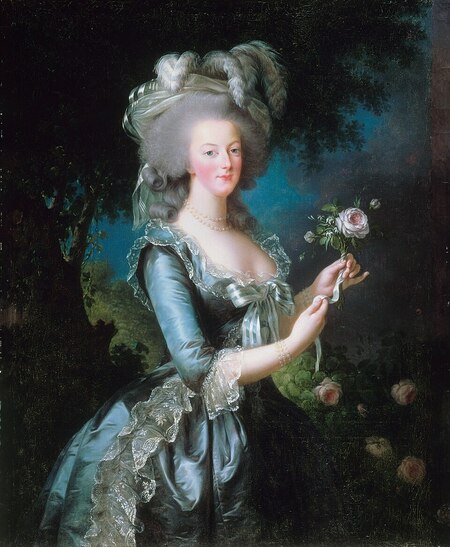
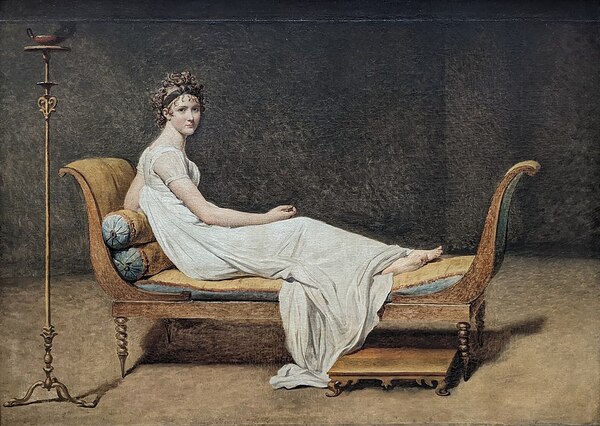
«Portrait of Marie Antoinette with a Rose» Elisabeth Vigée Le Brun, 1783 «Portrait of Madame Récamier» Jacques-Louis David, 1800
Portrait of Madame Recamier. Painting by François Gérard. 1805.
The fashion shifts during the Second World War are equally telling. Clothing of that era was austere, ascetic, and seemed to shout resilience and tragedy. However, after the war concluded, the epoch once again changed its silhouette, striving for life and lightness. Christian Dior presented his new collection, «New Look, ” thereby inaugurating a new chapter in the history of fashion.
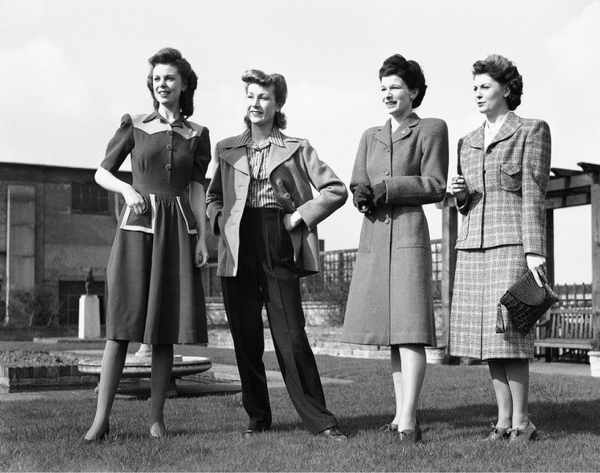
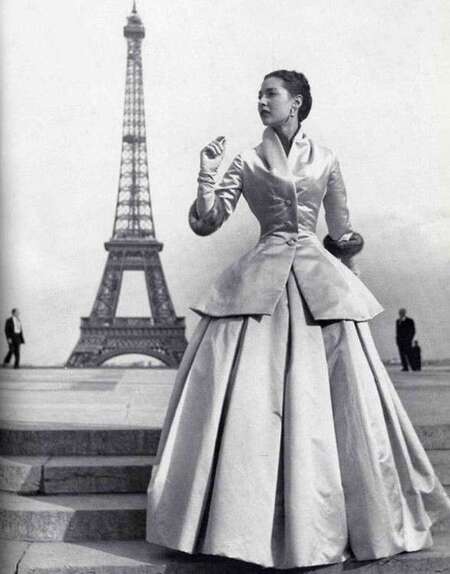
Everyday dresses designed by Norman Hartnell for Berketex, 1942 Christian Dior «Mew look, ” 1947
«New Look» Style Features
Finally, fashion becomes an instrument of protest. For instance, the miniskirt of the 1960s was not merely a new silhouette but a visual manifesto of the sexual revolution. Similarly, the aggressive aesthetic of 1970s punk culture—with its deliberate vandalism and grime—was a protest against glossy consumer culture. Thus, throughout history, fashion renders abstract historical processes tangible and accessible to corporeal experience.
Mary Quant Mini-Dresses (1960s) / Photo: Getty Images
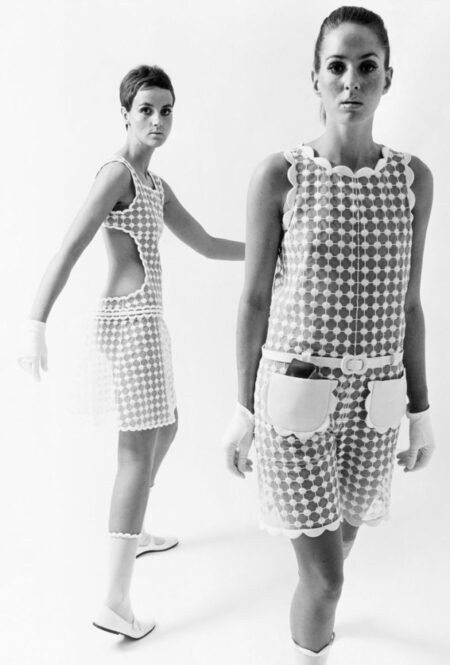
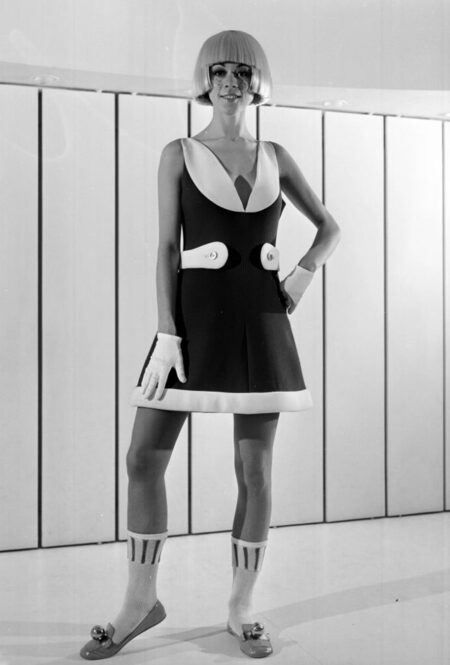
Model in Courrèges, 1969
Special: The new era of freedom since 1990
The 1990s were a unique period in fashion history that I would like to explore in more detail. During that time, the industry was restructuring irrespective of location or country. This was linked to many factors, but the primary driver was the collapse of traditional societal structures. It was an era when all former canons and ideals crumbled, and new ones were yet to be found.
For instance, in America, grunge entered fashion as an act of protest against excessive consumerism. Kurt Cobain became a style icon, and flannel shirts and ripped jeans transformed into defining attributes of the era. The generation was tired of hypocrisy and disillusioned with the concept of the «American Dream, ” which had been cultivated in the preceding decade. Creativity was changing too: everyone was weary of pretense, bright colors, and manufactured opulence.
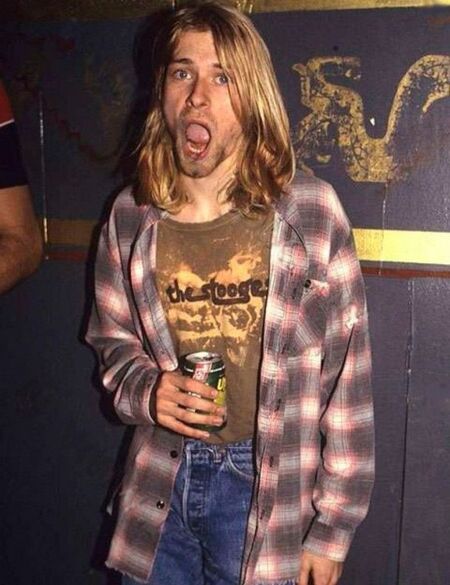
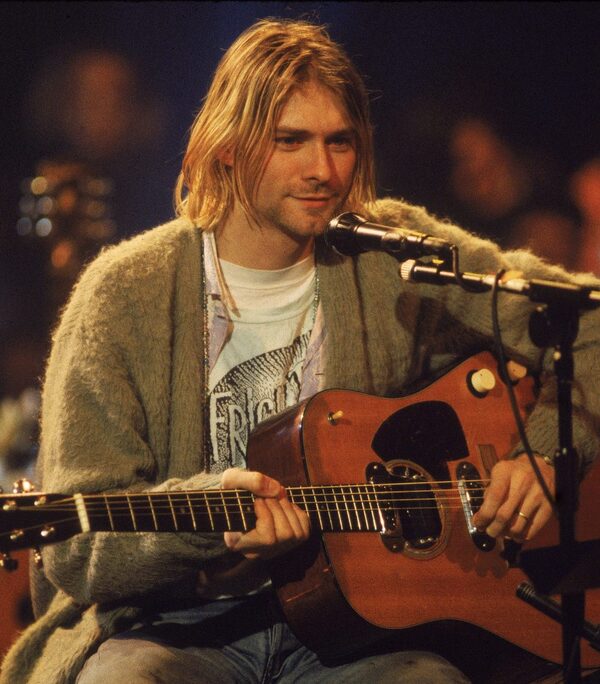
Kurt Cobain (Photo from Courtney Love’s archive)
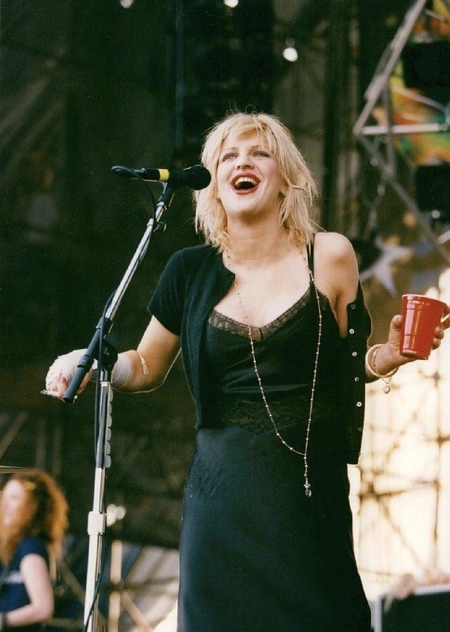
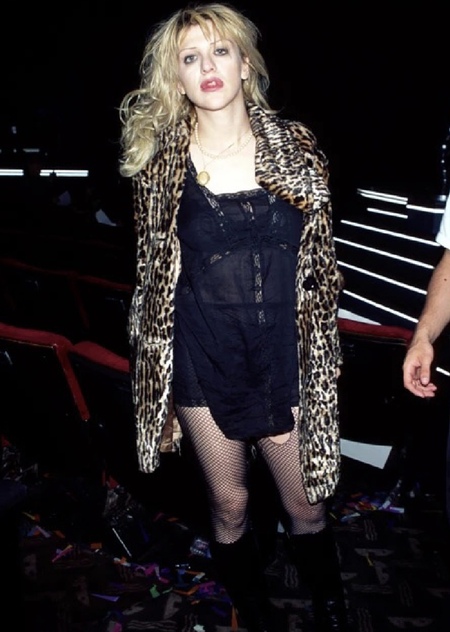
Courtney Lav 90s
Later, in the UK and the US, the era of «heroin chic» began. This trend was closely tied to the ideology of grunge and became its unique continuation. A new type of model emerged, characterized by excessive thinness, sickly appearance, and paleness. Kate Moss became one of the most prominent figures embodying this. Such a trend reflected the state of society at that time more vividly than ever before.
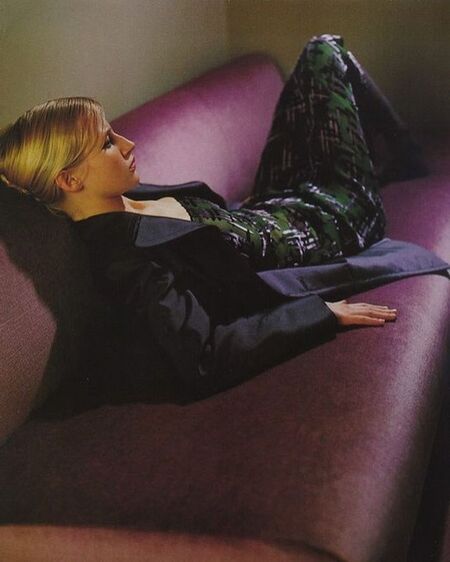
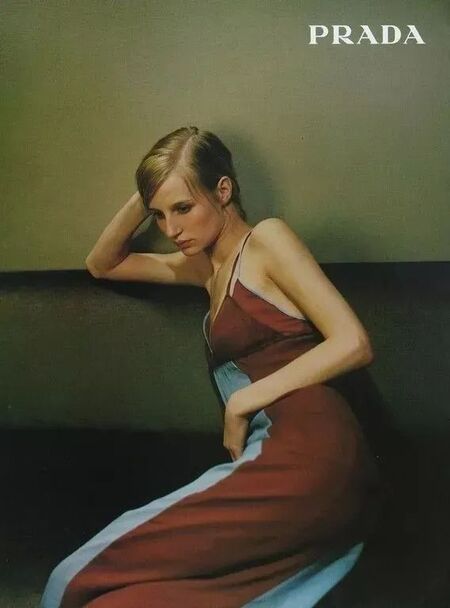
Prada FW/1996
At the Versace show, the 90s
Unlike America, Japan, during this period, pursued minimalism and asceticism. The country was experiencing an economic crisis, and luxury simply did not fit public sentiment. Instead of protesting, designers proposed a dialogue with the public through asymmetric cuts and slouchy silhouettes, creating a new visual reality.
Yohji Yamamoto Fall/Winter 1998