1. Media Concept

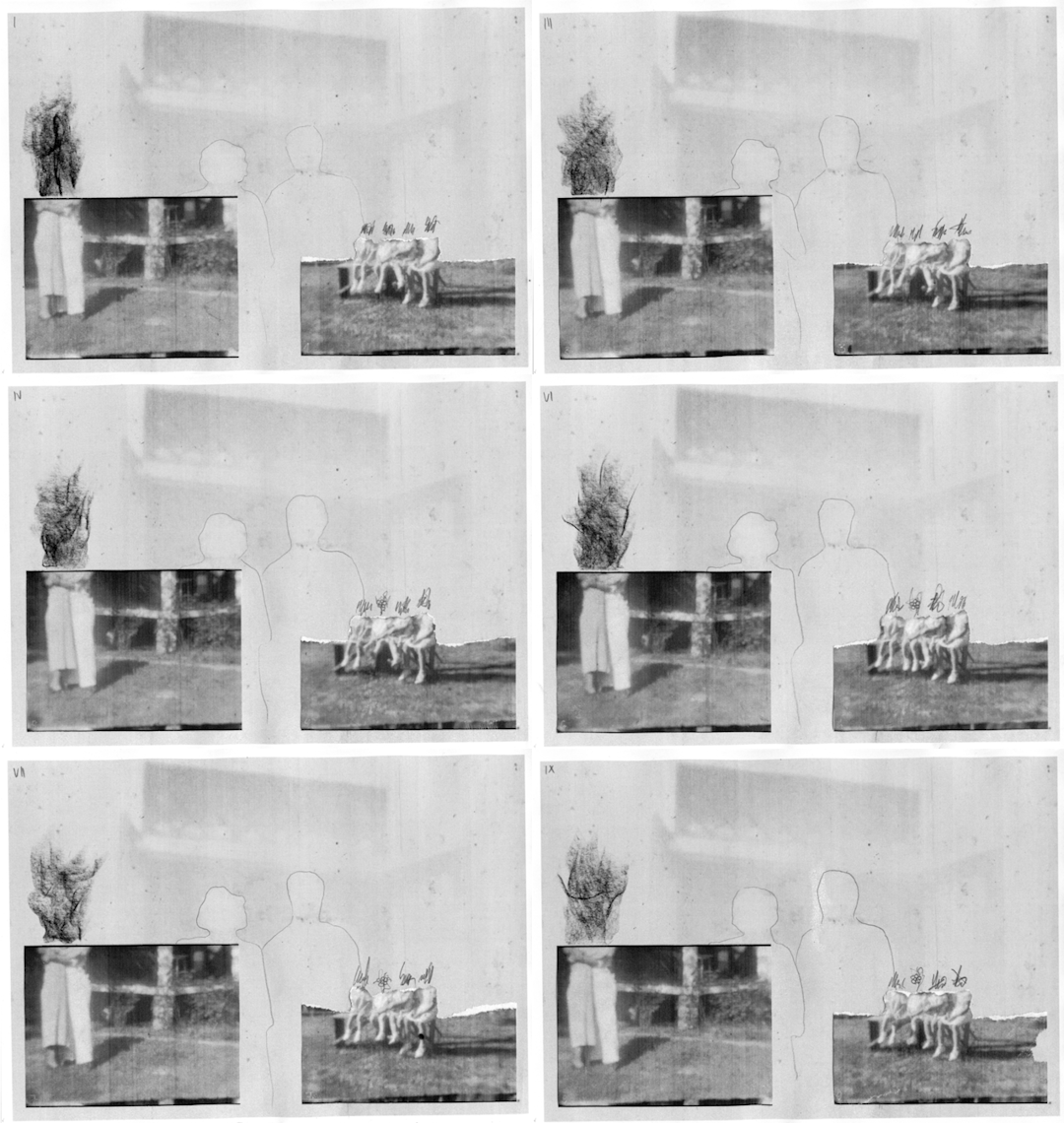
A Place That Never WasAuthorial media exploring visual memory, uncanny familiarity, and non-existent spaces.
Why does an empty hallway feel familiar? Why does a photograph of an unfamiliar place evoke nostalgia? Why can a digital image feel like a memory of an event that never happened?
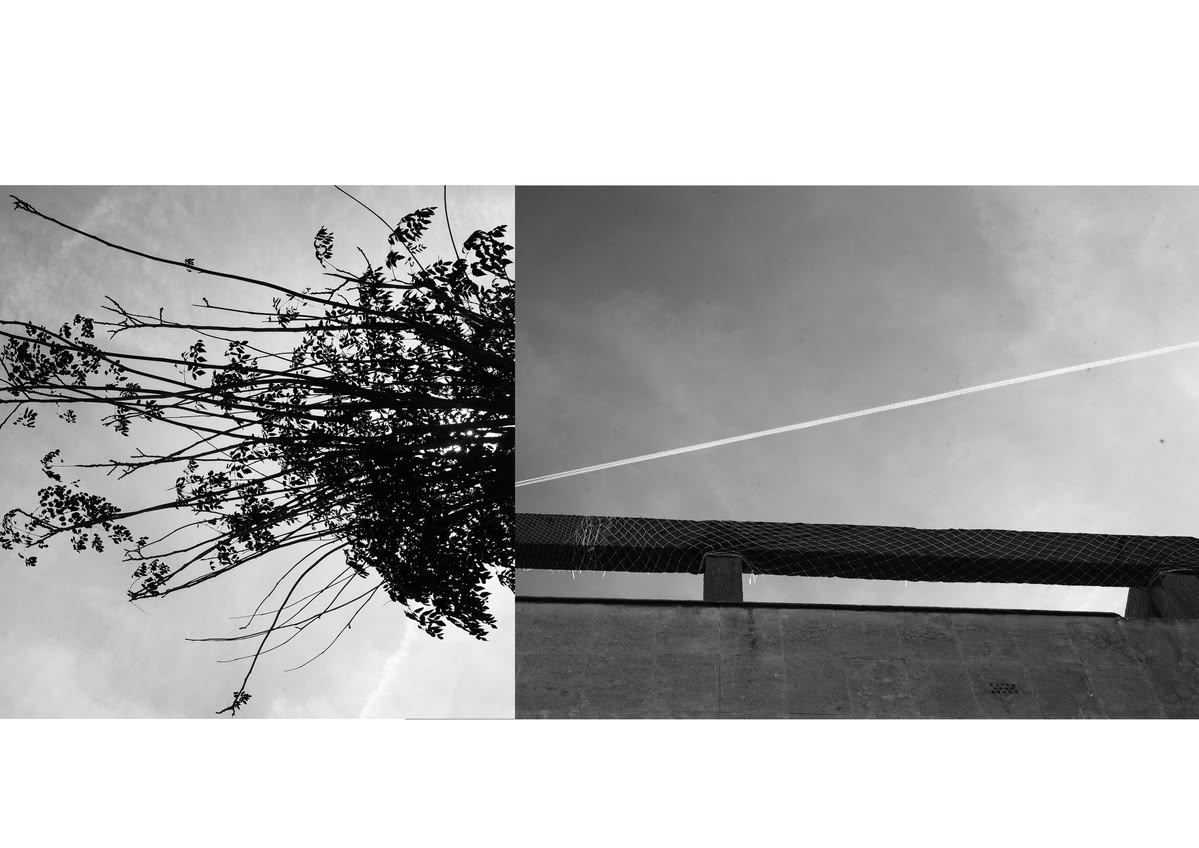
This media exploration investigates how light, color, perspective, composition, architecture, texture, and visual clichés shape the viewer’s emotional response.
The main principle:
One image $\rightarrow$ one feeling $\rightarrow$ one visual analysis
Main platform — Telegram.
Content:
1. Visual breakdowns;
2. Image compilations;
3. Short videos;
4. Interactive questions;
5. Analysis of film, photography, architecture, and digital spaces.
Target audience: Designers, students in creative fields, enthusiasts of cinema and visual culture, and individuals interested in atmospheric, strange, and nostalgic imagery.
Core value: The media translates the intuitive «this somehow captivates me» into a conscious understanding of which visual techniques provoke that feeling.
2. Data Sources for Media
01. Visual Sources
Photography:
- Architectural photography;
- Urban spaces;
- Interiors;
- Archival images;
- User photography.
Film and TV Series:
- Stills;
- Color palettes;
- Composition;
- Lighting;
- Set design.
Games and Digital Culture:
- Playable locations;
- Digital interiors;
- Virtual spaces;
- 3D imagery.
02. Textual Sources
- Articles on architecture and visual culture;
- Studies of memory and perception;
- Materials on photography and film;
- Interviews with designers and directors;
- Artwork descriptions.
03. Classroom Data
The Telegram group itself becomes a source of data:
— Comments; — Answers to questions; — Photos sent by users; — Descriptions of personal associations; — Survey results; — Words users use to describe the image.
For example:
Image → 100 responses → «anxiety, ” „childhood, ” „silence, ” „hotel, ” „sleep“
This gradually forms a collective archive of visual sensations.
04. Editorial Content
- curated visual selections;
- categories of feeling;
- analysis of visual techniques;
- thematic tags;
- database of published materials.
BLOCK 3. Data Scheme: Human and Machine Processing
Media works with images, text, and audience reactions. Sources include photographs of architecture and interiors, film stills, video games and digital spaces, as well as articles and research on visual culture.
The data source itself is the studio environment. Comments, responses to questions, and survey results reveal the emotions images evoke: nostalgia, anxiety, tranquility, loneliness, or a sense of uncanny familiarity.
Machine Processing
Automated services help manage large volumes of information. They can recognize images, identify colors, composition, and objects, group similar materials, analyze comments, and extract recurring themes.
Human Processing
The creator selects appropriate materials, verifies sources, and interprets the findings. It is the human element that connects visual cues to emotional impact, transforming them into a complete publication.