Concept
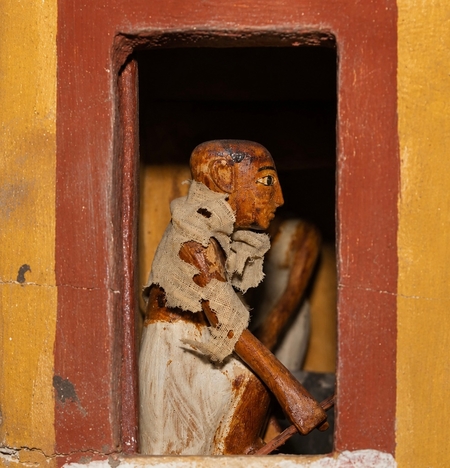
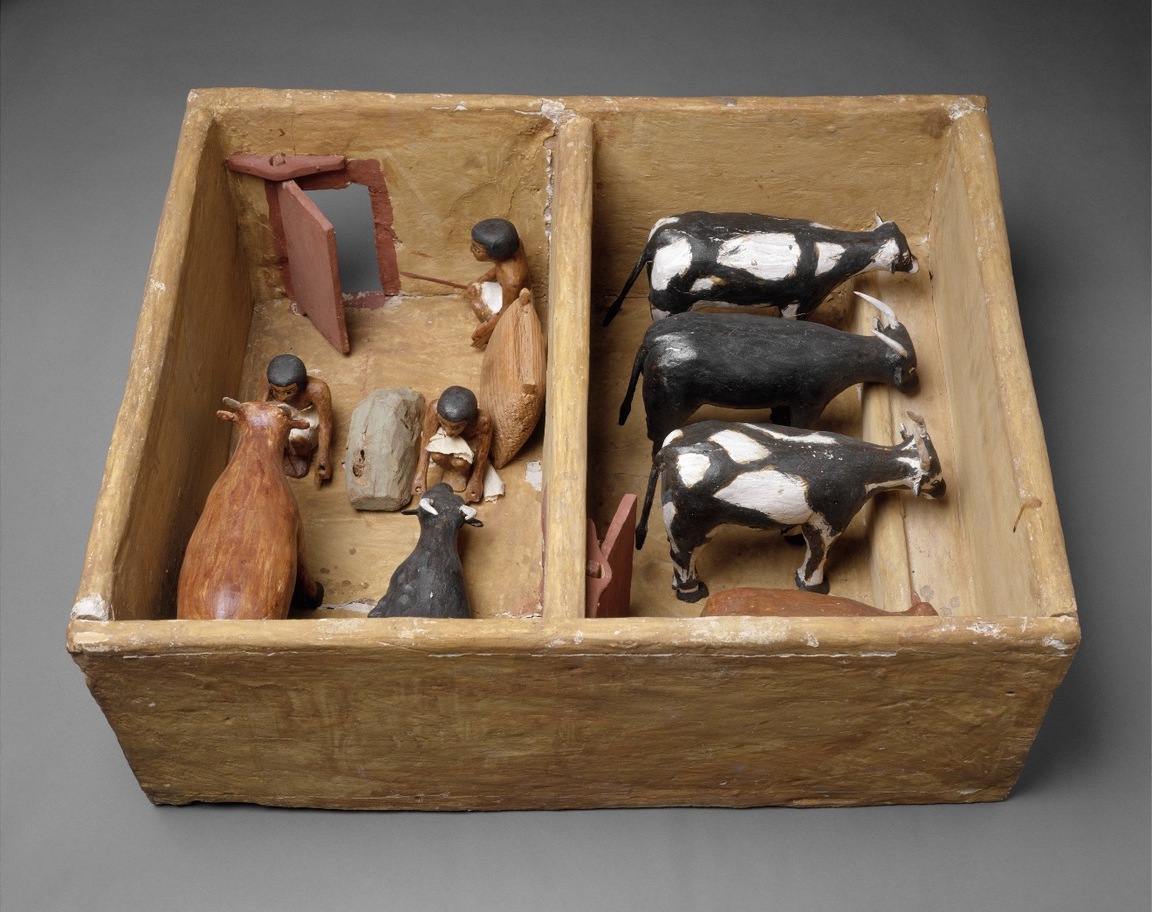
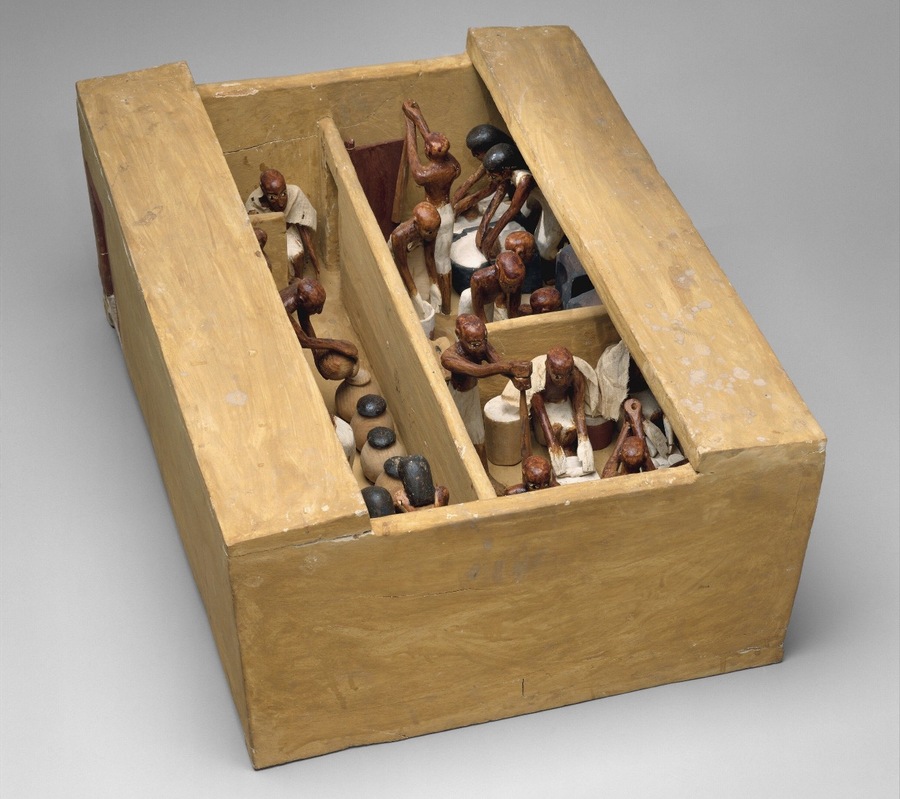
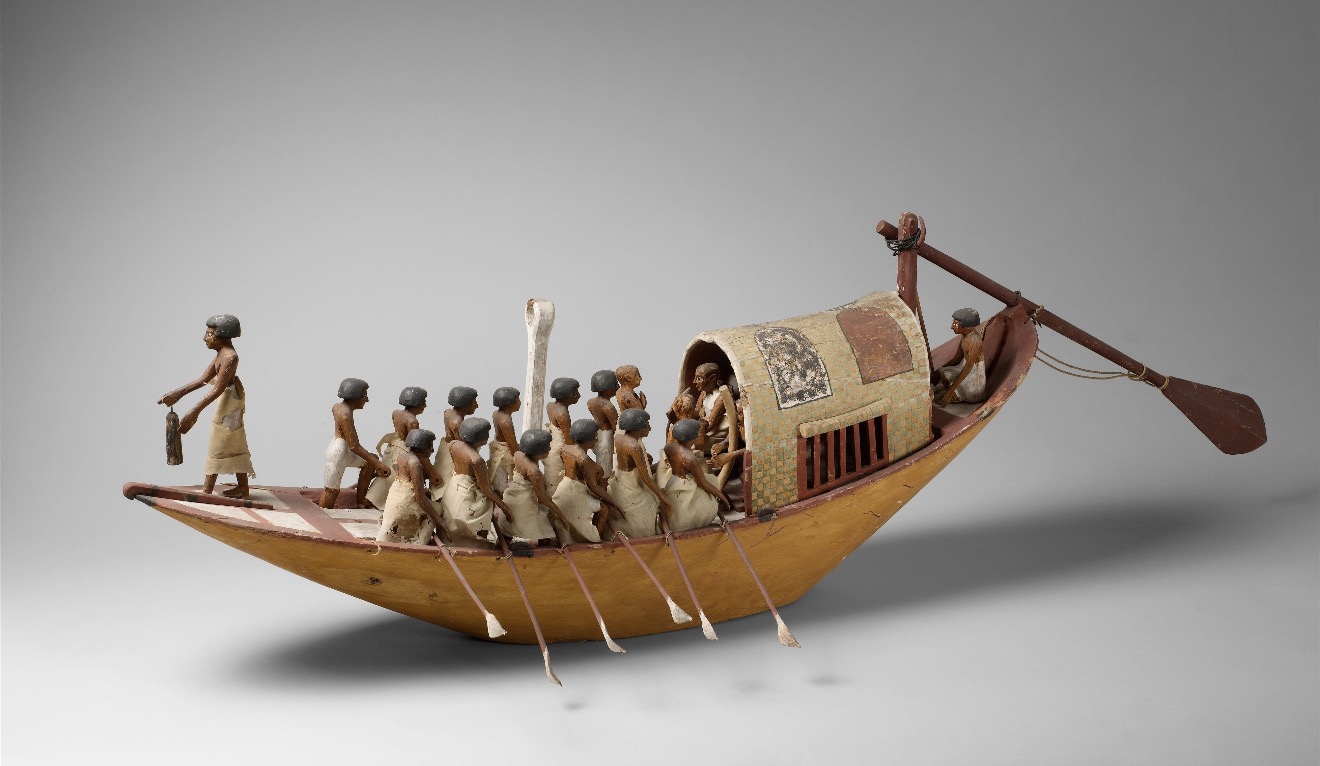
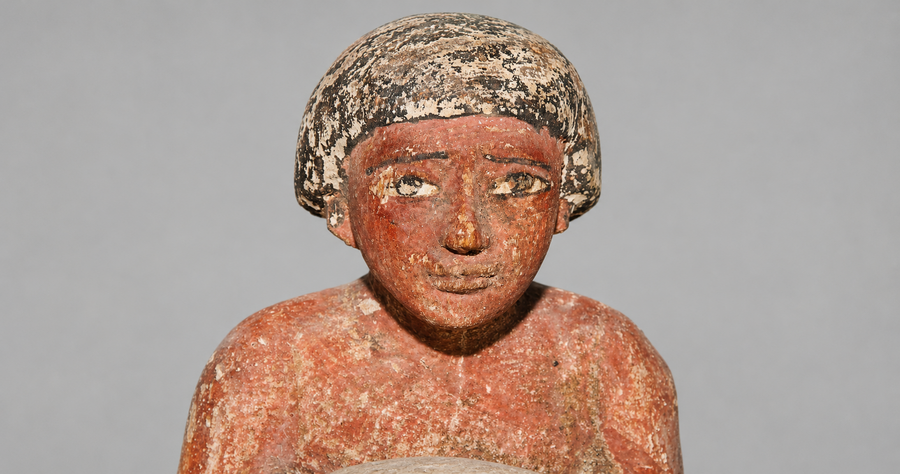
In ancient Egypt, death was not considered the end of existence. The Egyptians believed that the deceased would require food, housing, possessions, and human assistance in the afterlife. Therefore, small wooden models were placed in the tombs: bakeries, granaries, workshops, gardens, and boats. Inside these structures were figurines of workers, animals, and household items. I became interested in why everyday themes were chosen for eternity and how a few small figures could convey the life of an entire household.The focus of my research is the burial models from the Middle Kingdom, particularly the finds from the tomb of the official Meketre in Thebes. I chose this complex because its artifacts are well-preserved and illustrate various aspects of life: the production of bread and beer, grain accounting, livestock management, Nile travel, and garden leisure. Comparing models from a single complex helps to reveal common artistic conventions and differences between the scenes.
The central question of my work is: how did Egyptian artisans transform everyday activities into a way of life meant to continue after death? I examine these models not only as records of daily life but also as works of art. It is important to me to understand why some structures lack roofs, how the positioning of figures guides the viewer’s gaze, why artisans altered proportions, and what details helped convey action. I pay particular attention to color, materials, and character poses.
The research is organized thematically. First, I analyze the architecture and spatial arrangement, and then the scenes of labor and storage.
Hypothesis
I hypothesize that funerary models were not precise reproductions of everyday life. The artisans intentionally chose activities associated with affluence, well-being, and established order. Consequently, a miniature world was created within the sarcophagus—a world where everything necessary for life was meant to exist eternally.