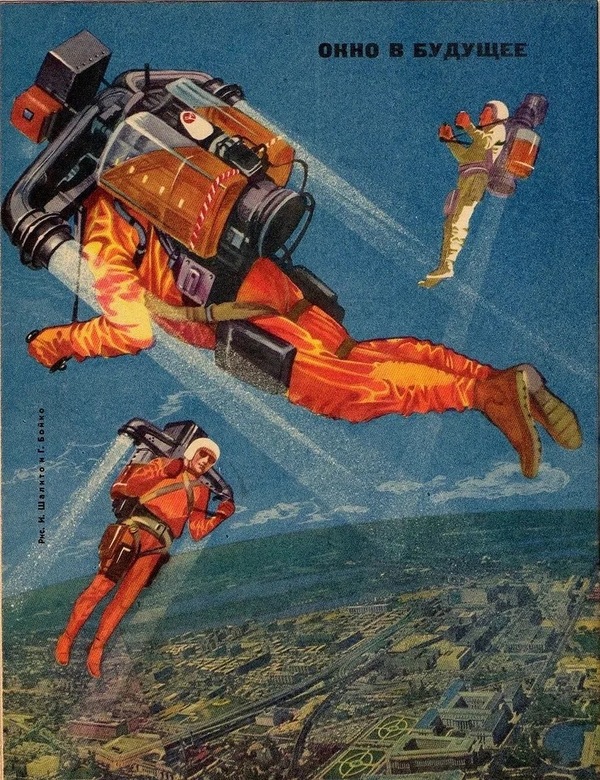
How did the visual image of the 2000s, shaped in the 1960s and 70s, change its status—from «map of the future» to «monument to the unfulfilled”—and its function—from a project to nostalgia and irony—after the year 2000 arrived?
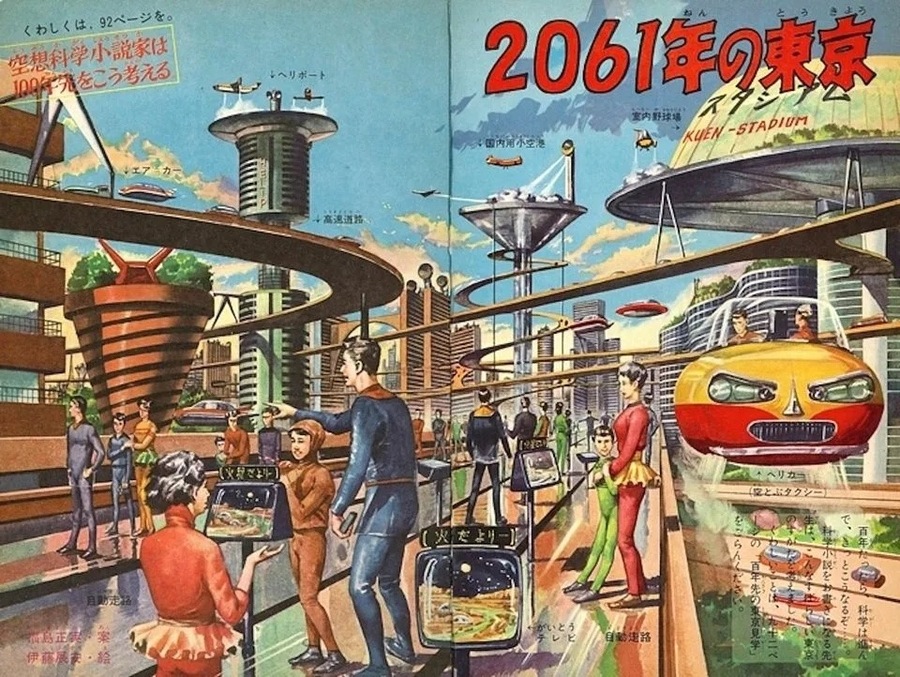
The visual archetype of the year 2000, which was shaped during the 1960s and 70s, underwent a radical transformation after the turn of the millennium: shifting from an image of a desired and attainable future to an object of nostalgia and ironic reflection. Initially, its aesthetic was adopted and reprocessed by Y2K culture, before ultimately being perceived as an unfulfilled or «alternate» past.
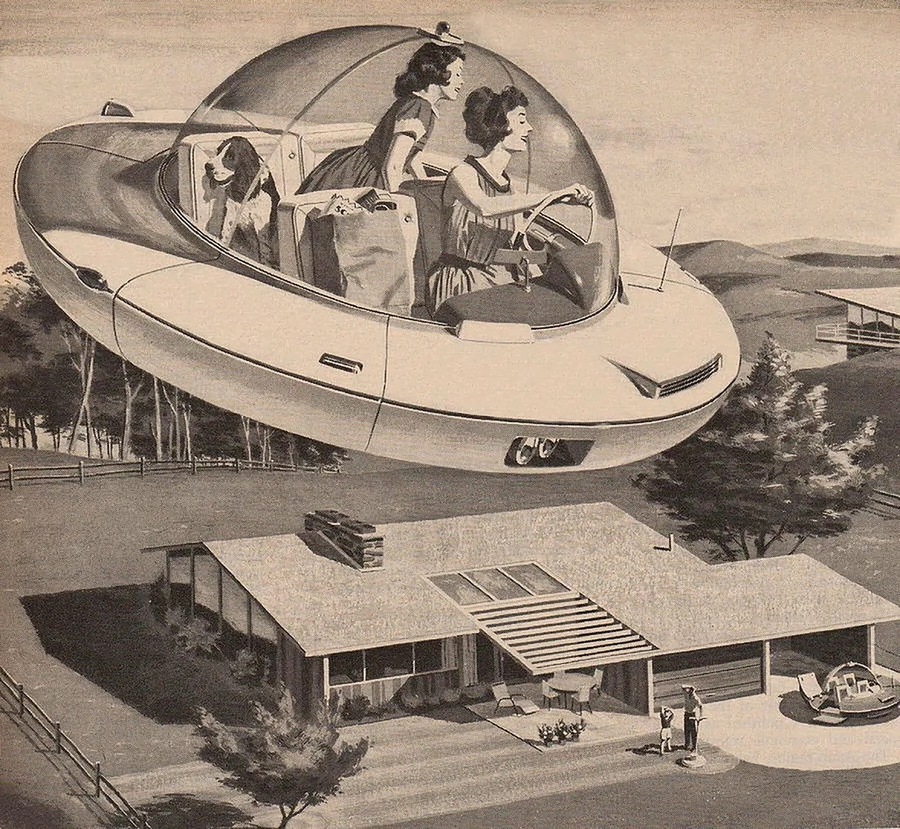
In the 1960s and 70s, the year 2000 was more than just a date—it was a horizon of fantasies, a starting point for visionaries. Influenced by the Space Race and a faith in boundless scientific and technological progress, the future was imagined as bright, clean, and rational.
space stations, interplanetary travel, «a week on the Moon, ” and orbiting homes.
The material world: flying cars, atomic energy in daily life, robotic assistants, and «smart» homes.
Visual language: smooth, aerodynamic forms, bright colors, plastic, vinyl, and PVC—as symbols of a new era. Designers such as André Courrèges, Pierre Cardin, and Paco Rabanne created «space-age» fashion, while architecture and cinema (e.g., Kubrick’s 2001: A Space Odyssey) defined the canon of this style.
Paco Rabanne (1966)
«Planet of Storms» 1961 «Planet Bur»
The future seemed like a place to strive for.
André Courrèges released the «Moon Girl» collection in 1964, which the press dubbed Space Age. The woman of the future—dynamic, independent, clad in synthetic fabrics. Pierre Cardin and Paco Rabanne developed the same visual language: aeronautics, mesh metal dresses, daring silhouettes.
Pier Cardin, Paco Rabanne, André Courrèges 60s