1. Media Concept
Music Worth Discussing
The project is an independent music media outlet focusing on contemporary rock music, aimed at an audience aged 16–25.The main goal is not just to inform readers about new releases and events, but to help them navigate the musical landscape—to discover unknown artists, learn the stories behind bands, and gain a deeper appreciation for familiar compositions.
Main Platform: Telegram.
Additional Platform: VK.
Target Audience: Young rock listeners—from newcomers just discovering the genre to devoted music lovers constantly seeking new sonic discoveries.
Main Content Focus Areas
News and Releases New albums, singles, music videos, concerts, and events from the rock scene.Musician Profiles Band biographies, the history of group formation, and interesting facts.Song and Album Analyses Analysis of lyrics, sound, musical characteristics, and concepts.Music Recommendations Playlists, introductions to new bands, and curated musical journeys.Operational Principle
The medium combines automated information gathering with manual editorial refinement.Automation enables the tracking of updates, the identification of potentially interesting material, and data organization. The editor fact-checks, assesses the significance of the event, and transforms the information into a complete publication.Core principle: automation handles speed and organization; the human element is responsible for quality and content.2. Data Sources for Media
Where do we get information?
For musical media, it is important to use several types of sources. This allows us to go beyond just news headlines, verify information, and find topics for original content.
Sources are divided into five main categories.
1. Official Sources
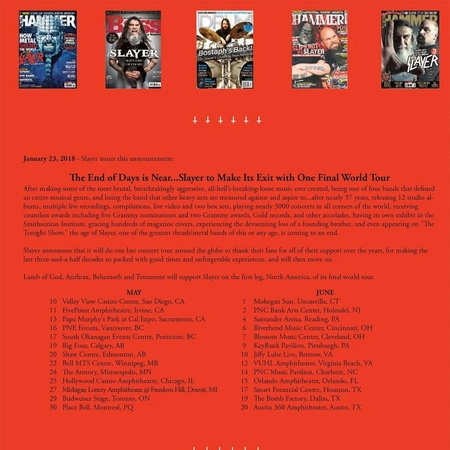
Websites and social media channels of artists, music labels, and concert venues.These are used to obtain confirmed information regarding releases, concerts, lineup changes, and other events.Examples: • official websites of musical groups; • artist pages on VK and Telegram; • music label pages; • announcements from concert venues and festivals.
2. Music Media and Thematic Publications
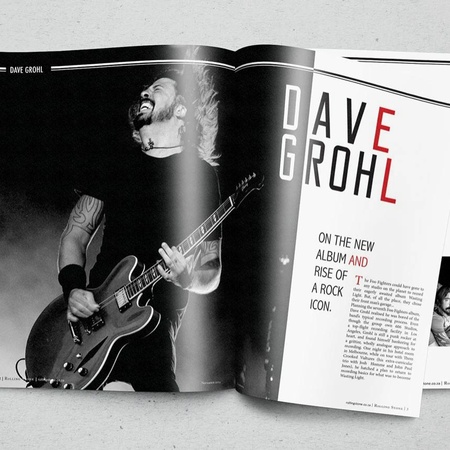
Professional publications that feature news, interviews, reviews, and analytical articles.They help in finding topics for publication and gaining additional context.Examples: • Pitchfork; • NME; • Rolling Stone; • The Flow; • Zvuki.Ru.
3. Music Platforms
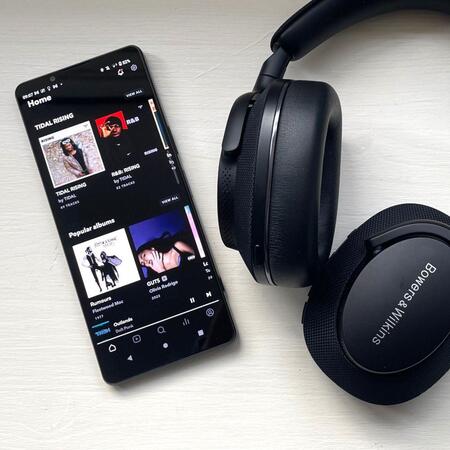
Services for listening to music and studying discographies.They are used to find artists, discover new releases, and verify album titles, track names, and release dates.Examples: • Bandcamp; • Spotify; • Apple Music; • Yandex Music; • VK Music.
4. Social Media and Communities
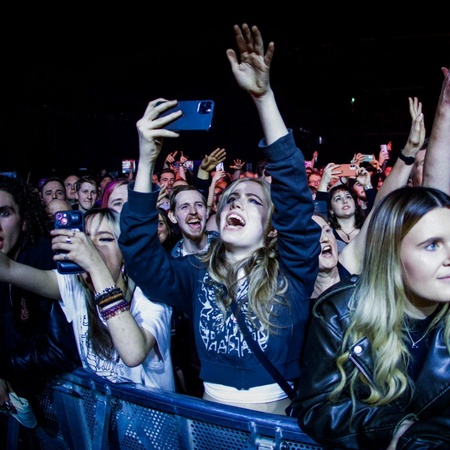
Music communities, themed public groups, and audience discussions.These allow you to track audience interests, find new groups, and identify topics for discussion.Examples: • VK music communities; • themed Telegram channels; • Reddit communities about rock and individual artists; • comments and discussions under music posts.
5. Media Assets

Information that the project receives directly from the audience: surveys, comments, reader suggestions, voting results, and publication statistics.This data helps us understand which genres, artists, and formats are most engaging to subscribers.
3. Data Schema: Human and Machine Processing
How does information turn into a publication?
Media work is structured around the principle of sequential data passage through several stages.First, information comes from external sources. Then, automated tools gather and sort it. After that, the editor reviews the materials, selects appropriate topics, prepares the publications, and places them on the platforms.It is important to distinguish between tasks that can be entrusted to algorithms and those that require human involvement.General Workflow Diagram
Machine Processing
Automated services perform repetitive technical tasks, saving the editor time.Result: The editor receives a curated selection of potentially interesting events instead of having to sift through dozens of sources themselves.
Human Processing
Humans are responsible for the stages that require contextual understanding, critical thinking, and original evaluation.Why Can’t Editing Be Fully Automated?
Music journalism requires not only the conveyance of facts but also the subjective perception of art.An algorithm can find information about a new album, but it cannot independently guarantee a quality music review. It can suggest similar artists, but it doesn’t always understand why a specific song resonates emotionally with a listener.Therefore, automation is used as a supportive tool, not as a replacement for the editor.4. Guidelines for Automated Services