Как советская панелька поменяла гражданство
Panel buildings are probably the most disliked construction in Russia today. It seems impossible to conceive of an architecture more dull. Yet, the paradox is that panel construction was once considered one of the most progressive ideas of the 20th century.
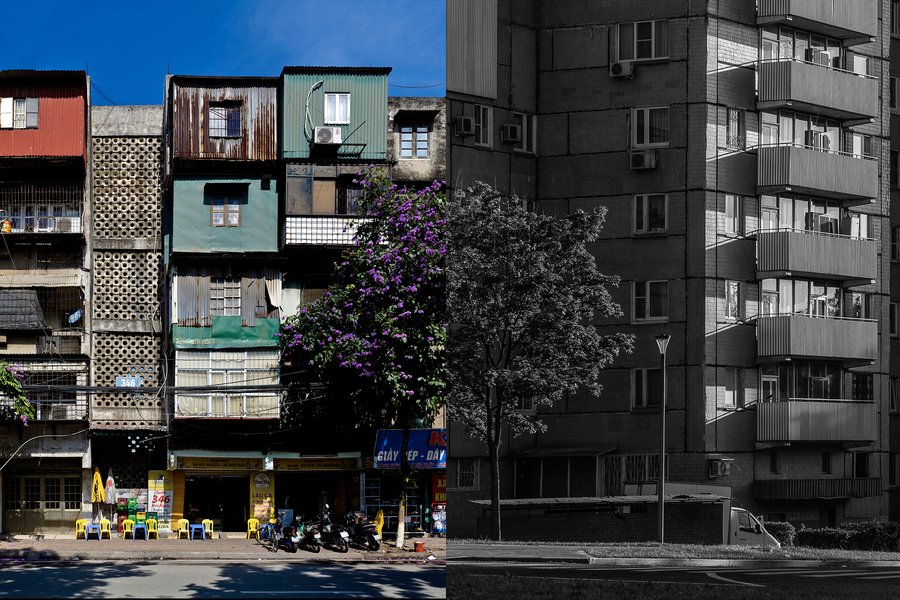
After World War II, millions of people in Europe and the USSR were left without housing. Traditional construction methods were too slow and expensive, prompting architects and engineers to seek a new system. One solution was prefabrication. Reinforced concrete elements were manufactured in a factory and then assembled on the construction site almost like a kit. In the USSR, this idea developed significantly following the 1955 resolution «On Eliminating Extravagance in Design and Construction, ” which required architects to build quickly, cheaply, and en masse. The slogan, „A separate apartment for every family, ” proved more critical than elaborate moldings or high ceilings.
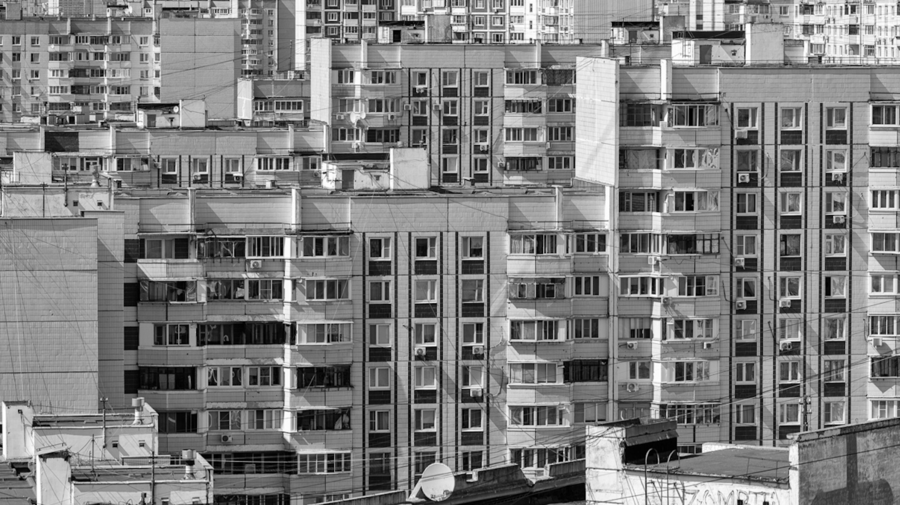
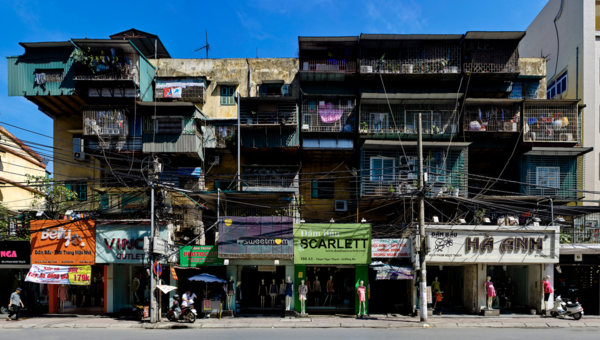
Panel housing developments emerged far beyond the Soviet Union over time. They were constructed in East Germany, Poland, Czechoslovakia, Cuba, and Vietnam. This became a sign of socialist-era quality, yet lacking national character. The ideal was for identical housing complexes to appear consistent in any country. However, reality proved different from our designs. For instance, the residents of Hanoi quickly began to undermine this vision. They added balconies, installed awnings, planted vegetation, and reconfigured apartments internally. Thus, the standard Soviet microdistrict gradually acquired distinct Vietnamese characteristics. The result was something entirely new—a socialist architectural hybrid that appeared in none of the initial architectural plans.
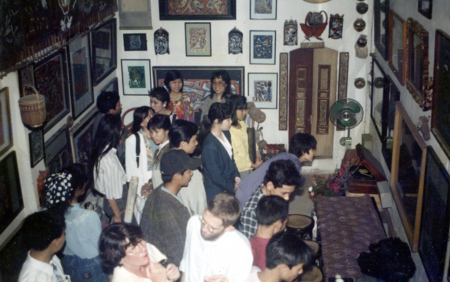
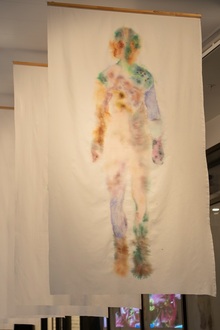
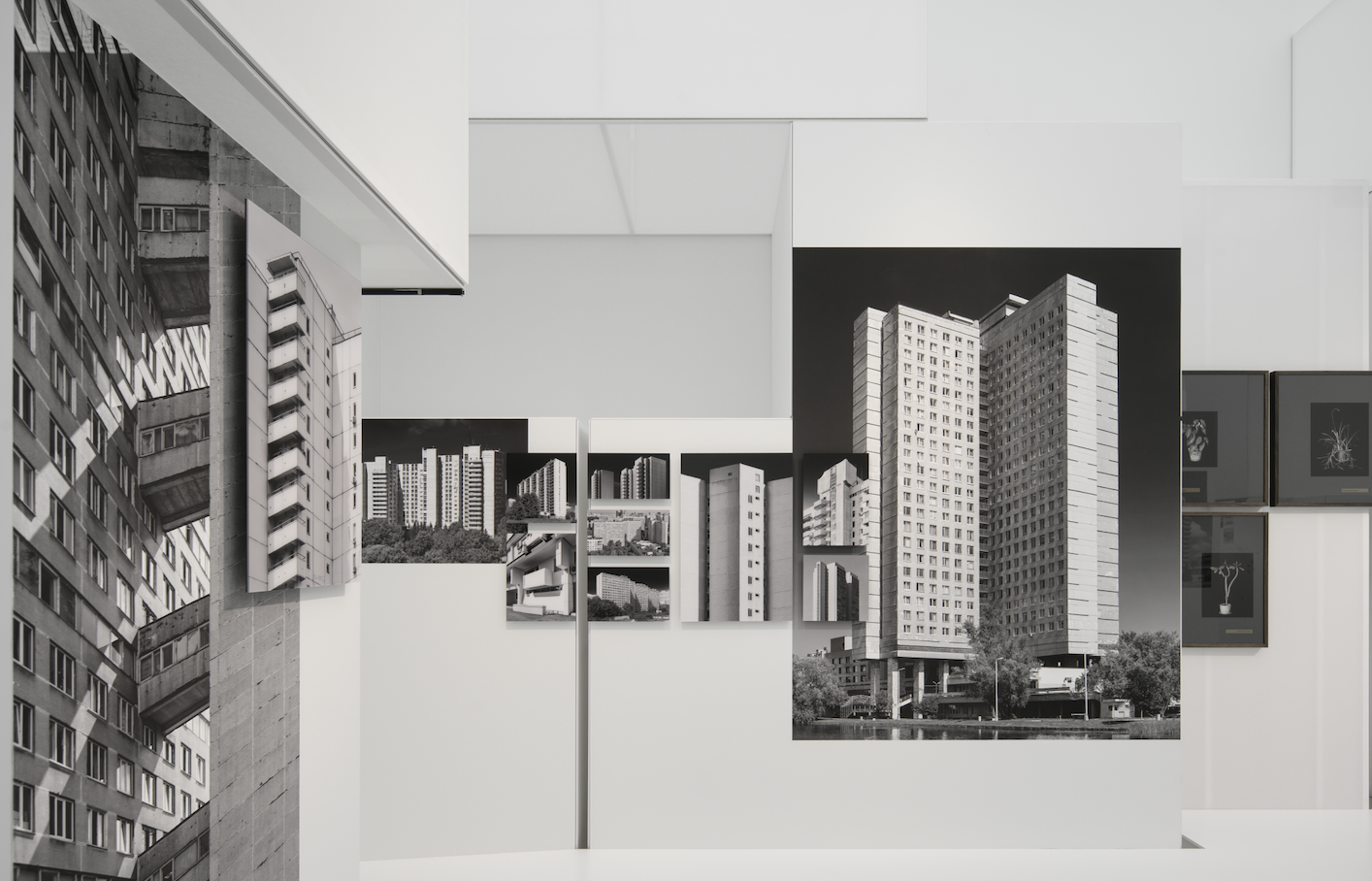
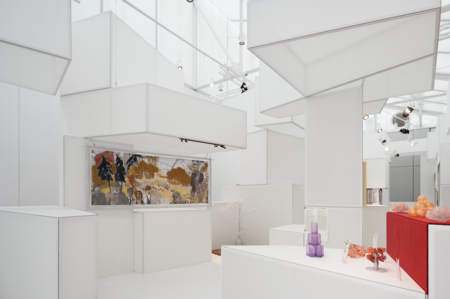
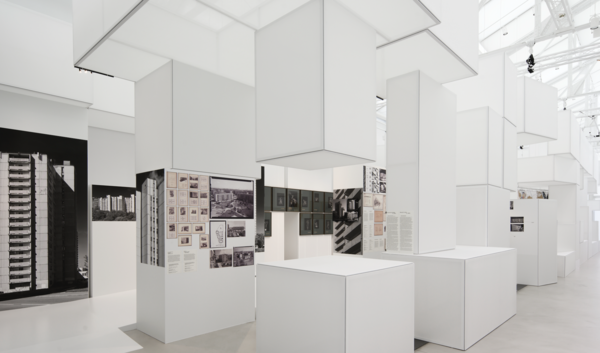
The exhibition «Moscow—Hanoi» at GES-2 is nominally dedicated to the architecture of two socialist capitals, but in reality, it explores what happens to an idea when it is integrated into another culture. Archival photographs, documents, and contemporary artists’ works demonstrate how the same panel building lived two completely different lives. The exhibition space is constructed as a collage of floor plans from Moscow and Hanoi apartments, which are literally overlaid upon one another. Nearby, the history of the «Natasha Salon» emerges—the first independent contemporary art center in Hanoi, founded by Vietnamese artist Vu Tran and Soviet philologist Natalia Kraevskaya.
Perhaps we are the last generation to view panel housing blocks as a symbol of the Soviet era. Someday, they will become a part of architectural history just as Stalinist skyscrapers or Constructivist monuments are today. And perhaps then, the panel building will cease to seem like the dullest structure in Russia.