Media objective
The goal of the media is to create an original project focusing on interior and environmental design that combines visual content, practical advice, and insight into the designer’s creative process. The media does more than simply inspire with beautiful spaces; it explains why specific design decisions are effective, how to properly organize a space, and how an interior is developed from an initial concept to final visualization. An additional objective is to help designers build a personal brand, assemble a professional portfolio, and attract potential clients and employers.
Future Media Themes
The media segment covers interior and environmental design, focusing on functional, aesthetic, and thoughtful spaces. The specific project theme is the process of creating a contemporary interior—from initial concept and floor plan to visualization and detailing.
The media covers floor plans, visualization, furniture, lighting, materials, color palettes, storage organization, small spaces, interior mistakes, and contemporary trends. The main feature of our content is that we don’t just show finished, beautiful interiors—we reveal the logic behind the design decisions.
Competitors and Their Analysis
Major media competitors include private interior designers, design studios, architectural firms, and specialized interior media outlets. Each group has its strengths, but there are also gaps that leave room for a new project.
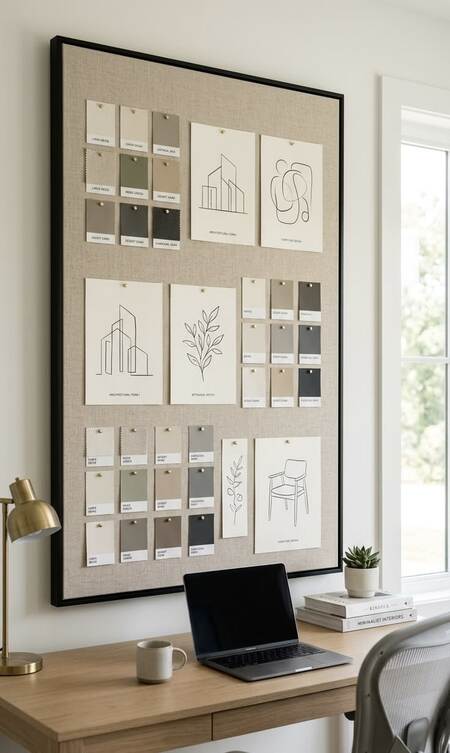
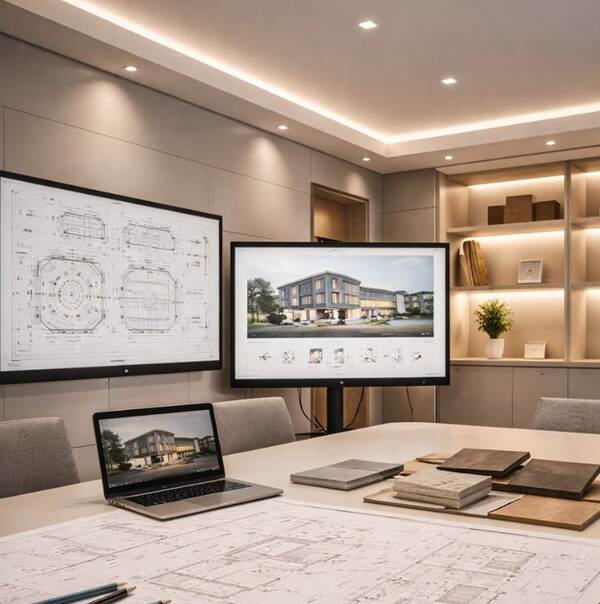
Independent designers possess strong portfolios and showcase realized projects. However, their content is usually focused on promoting services, meaning the audience sees the result but rarely understands the logic behind the decisions. Our media fills this gap: it demonstrates the process and explains why a project is structured in a particular way.
The design studios are characterized by high expertise and a professional presentation. However, their communication is often perceived as formal and commercial, lacking the authentic voice of an individual. Here, we gain an advantage through a personal, authorial tone and an open discussion about the creative process.
Architectural firms tackle large-scale projects and maintain a high professional reputation. However, their content is often geared toward a narrow audience and is unintelligible to a private client. We make the same things clearer, using examples from residential spaces and smaller design challenges.
Interior media offers a lot of visual content and trend information. However, they typically don’t showcase the personal perspective of a specific designer or the project creation process. We are filling that gap: every beautiful image we present is always accompanied by an explanation of how we arrived at it.
Ultimately, the opportunity for new media lies in unifying three components: a professional portfolio, educational content, and the personal perspective of an emerging designer. None of the listed competitors integrate these three elements into a single project.
Data Sources for Media
Data for the media operates on three levels: ideas and trends, professional knowledge, and the author’s personal projects. External sources help keep the content relevant, while proprietary data provides what competitors lack.
Specialized Media
For monitoring themes and trends, Russian interior design publications are useful: MyDecor (formerly Elle Decoration), SALON-interior, and Marie Claire Maison. From Telegram channels, you should follow HSE DESIGN LAB and the «Interior Design» channel of designer Daria Reznikova, which features reviews of contemporary living spaces. These sources are needed for thematic material and presentation guidelines. We do not copy content from them; instead, we take observations and link back to the original source.
Educational and Visual Platforms
The professional foundation is built through the educational program materials: the profile page for «Environmental and Interior Design» at the HSE Art and Design School in Saint Petersburg, including the work programs and literature lists available on the university’s website. Visual references are gathered from Behance and Pinterest, as well as from catalogs of furniture, lighting, and materials, and from the websites of various bureaus and studios. For every reference, the creator and a link to the source are preserved.
Author Information
The primary source of uniqueness lies in your own projects. This includes floor plans, concepts, mood boards, 3D scenes and renders, photos and videos of the creative process, as well as notes detailing the rationale behind every decision made. All these materials are saved in a unified archive, tagged by category and project stage. Thus, a single project yields numerous assets: a carousel, a short video, a long-form article, and a portfolio case study.
Classroom Data
The fourth source is the audience itself. Account statistics reveal reach, saves, and follower behavior. Comments and questions suggest which topics are needed, and reactions to specific segments help understand what is performing best. This data is collected automatically, but the conclusions are drawn by a person.
Target Audience Description
The studio is described through four characters and the problems they solve using media.
The first character is a client before a renovation. He is planning the remodel and has a collection of ideas from various references swirling in his mind. As he prepares to renovate, he wants to figure out how to integrate his disparate ideas into a cohesive interior design to achieve a comfortable space and avoid costly mistakes. For him, the media provides analyses of common errors, the logic of space planning, and a clear path from concept to completion.
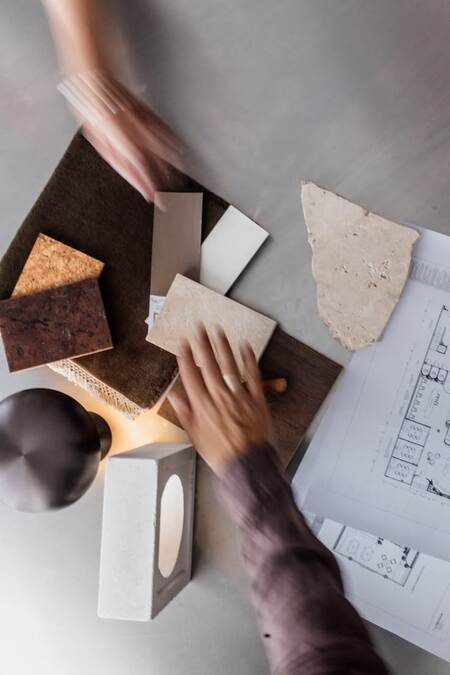
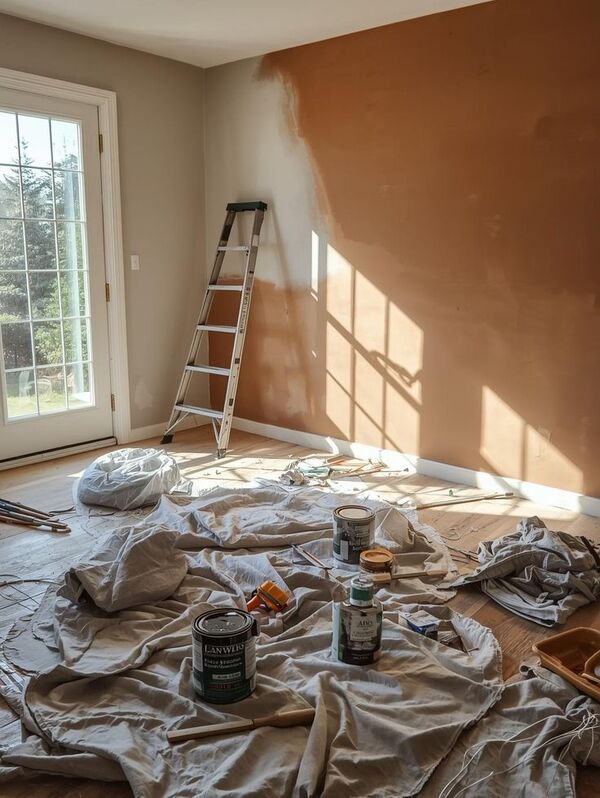
The second persona is someone who improves their living space on a tight budget. They live in a small apartment or room and have limited funds. When space and budget are scarce, they are looking for affordable solutions for storage, furniture, and lighting to make the area look better without significant investment. For them, the media offers collections of solutions for small spaces and practical advice.
The third persona is a representative from a design studio or architectural firm. They need a specialist for specific tasks: 3D modeling, visualization, graphic design, and presentation preparation. When looking for a freelancer, they want to see the level and process of work to quickly determine if the person is a good fit. For them, the media functions as a portfolio that showcases the working process.