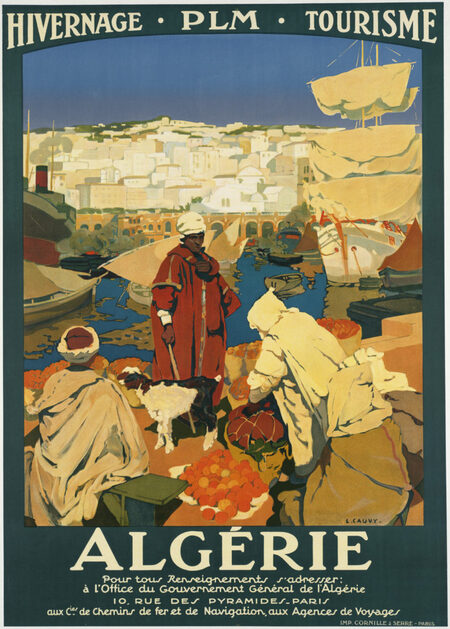
Cruises on liners were extremely popular because they were the only accessible way to travel between continents. In an effort to maximize passenger numbers, intense competition arose among shipping companies. Shipowners competed over cabin finishes and service quality. Ships transformed into floating palaces featuring luxurious cabins, independent heating, and sewage systems.
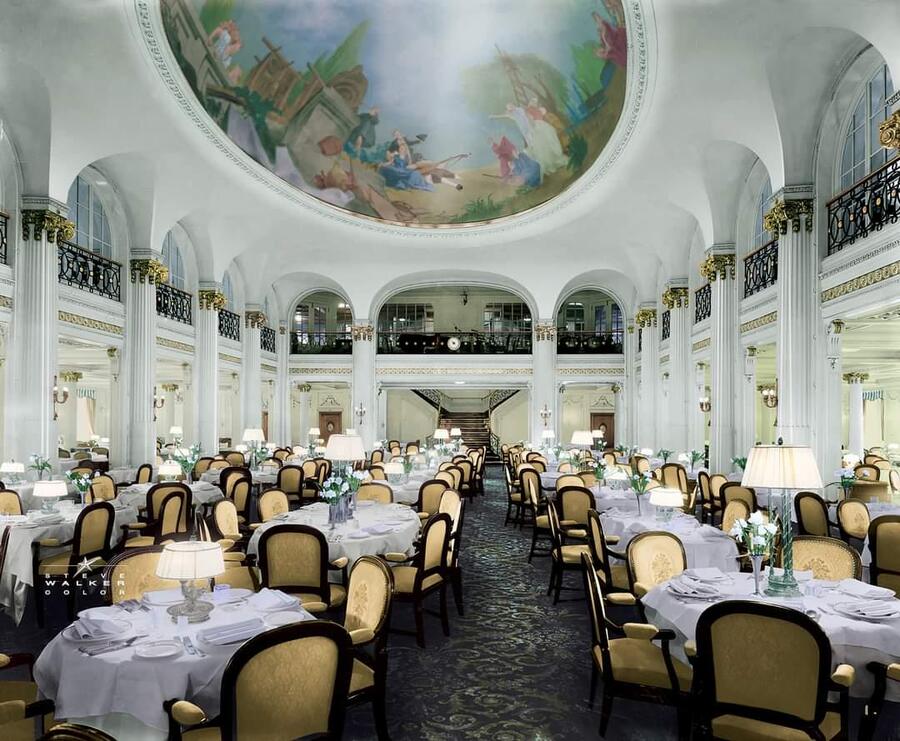
Dining hall aboard the ship «Leviathan,» 1913
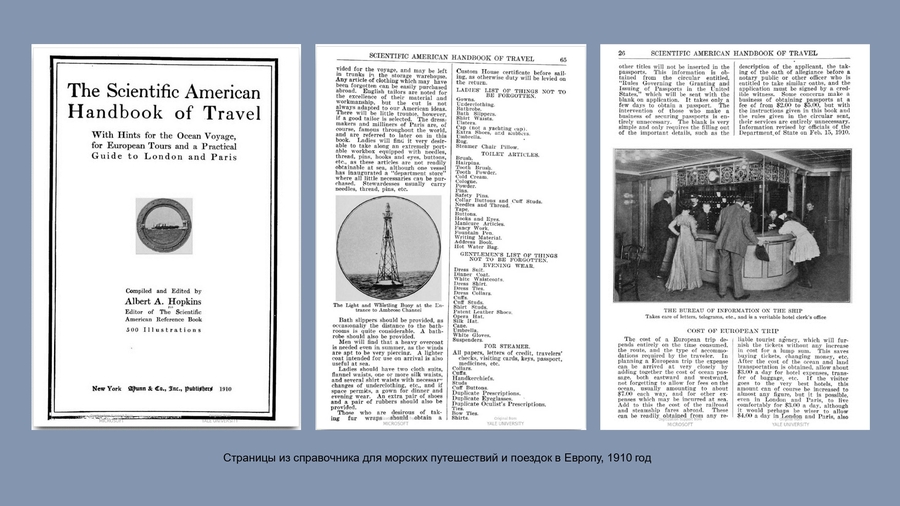
Travel by steamship was perceived as a social event and an opportunity to display one’s status. Special guides were published for travelers, detailing everything necessary as well as the rules of etiquette. For instance, in 1910, the «Scientific American Guide: Tips for Sea Travel, Recommendations for European Trips, and a Practical Guide to London and Paris» was released.
Cinema.
The atmosphere of 1900s cruise liner voyages and the fashion of that era are perfectly captured in the iconic film «Titanic.»
Fashion.
Cruise Collections.
The birth of aviation occurred in Europe between 1900 and 1913. DELAG was founded as the world’s first airline, and French aviator Louis Breguet made the first international flight across the English Channel. [4]
Reconstruction of the Berlio XI aircraft
In the early days of aviation, airplanes lacked pressurized cabins. Therefore, at altitudes where temperatures dropped below freezing and the air currents made breathing difficult, it was crucial to protect the face and body from extremely cold temperatures and wind. Pilots borrowed clothing from motorists, sailors, and polar explorers.
Aviator Attributes
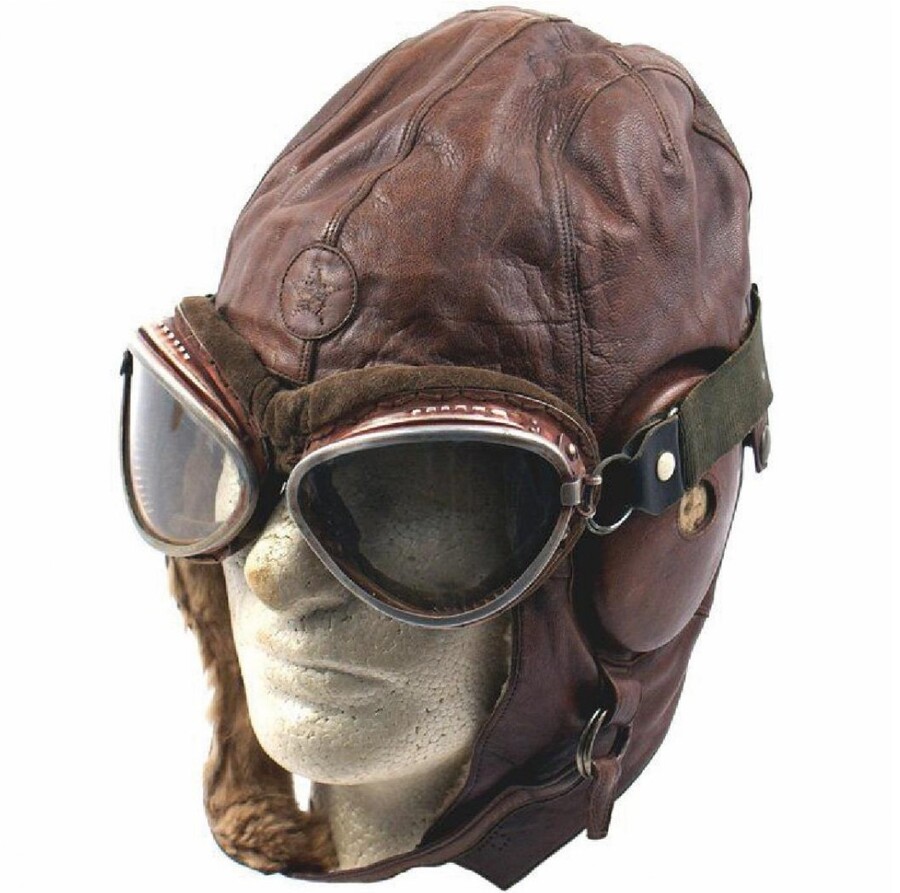
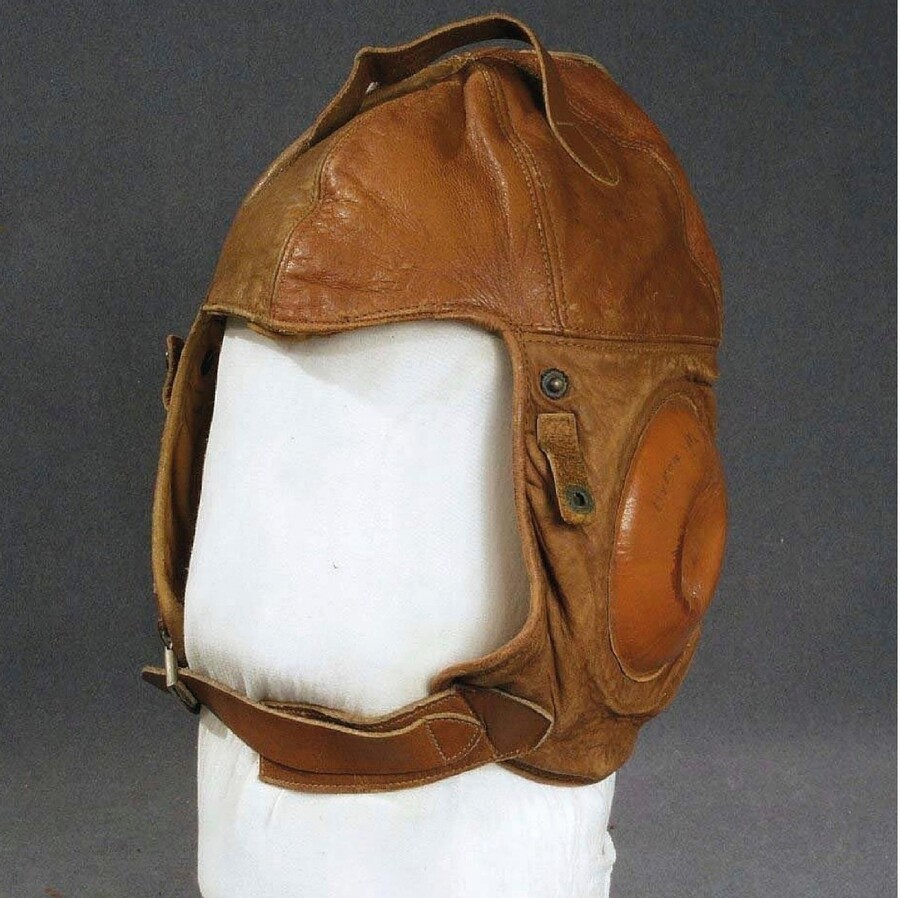
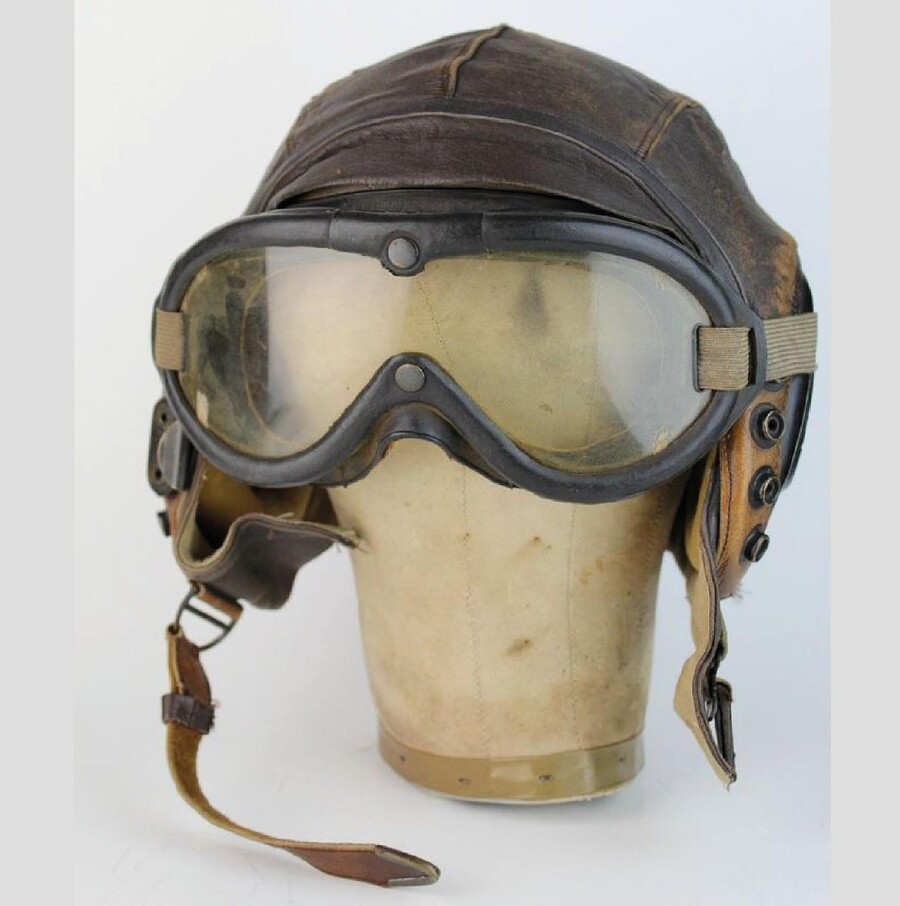
Flying was the most tangible freedom imaginable. In those days, it signified beauty, adventure, and discovery—the embodiment of breaking into new worlds.
Cinema.
In the culture of the 1900s–1930s, the pilot was perceived as a valiant knight conquering the elements. Filmmakers established this romantic canon, which is still utilized in the adventure genre today.