Дневник памяти
Медиапроект / Данные — дз3
Media on human memory, daily life, and digital traces
Media Goal
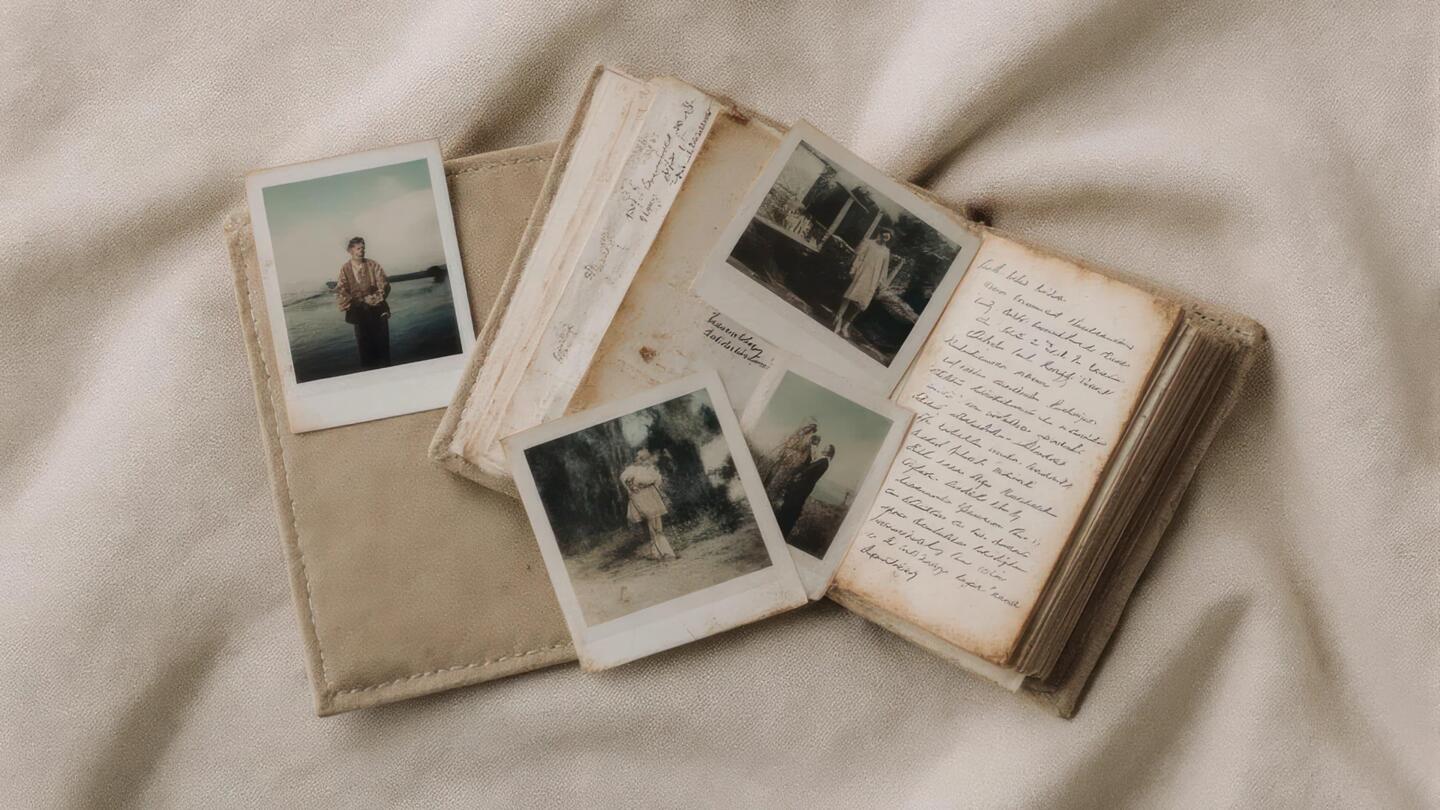
To help an individual view their own life from an external perspective.Through real-life stories, scientific facts, and AI experiments, we explore what we remember, what we forget, and what our life truly was like. Photographs, music, places, notes, and other digital traces are transformed into visual narratives that help one look at familiar life from the outside and discover things within it that one no longer notices.Core Objective
To create materials that help users: 1. notice significant moments in everyday life; 2. better understand the nature of their own memories; 3. recontextualize past periods; 4. see the connection between memory and digital technologies.Data Sources for Media
Scientific Sources — for Fact-Checking
— Google Scholar — searching for academic articles and research. — PubMed — studies in neuroscience, psychology, and brain function. — Frontiers — scientific publications in psychology and cognitive science. — ScienceDirect — scientific articles and reviews. Application: explaining mechanisms of memory, forgetting, and the influence of scents, music, and photographs on recollections.Informational Sources — for Topic Ideation
— Popular science media. — Interviews with psychologists and researchers. — Documentaries and thematic podcasts. — Books on memory, the brain, and the human experience. Application: finding interesting subjects, examples, and questions for future publications.Personal Sources — for Narratives and Experiments
— Photos and videos of participants. — Playlists and music preferences. — Notes and journal entries. — Geolocation and history of places visited, provided by the participant. — Interviews and personal accounts from participants. Application: developing the «One Month» segment, visual storytelling, and experiments with digital traces.Feedback Sources — for Media Development
— Telegram comments. — Polls and subscriber reactions. — Audience questions. — Topic suggestions and personal stories from readers. Application: identifying audience interests and selecting future themes.Data scheme separated into human and machine processing
Original size 2631x1242
Guidelines for Automated Services