
Table of Contents:
- Introduction (History, Positioning, and Target Audience)
- Communication Channels (Instagram, OOH, and PR Models: Two-Way Asymmetrical/Symmetrical)
- Theoretical Foundations 3.1 Elaboration Likelihood Model (ELM) 3.2 Uses and Gratifications Theory (UGT)
- Conclusions & Recommendations (Effectiveness and Artist Collaborations)
- Bibliography
- Image sources
1. Introduction
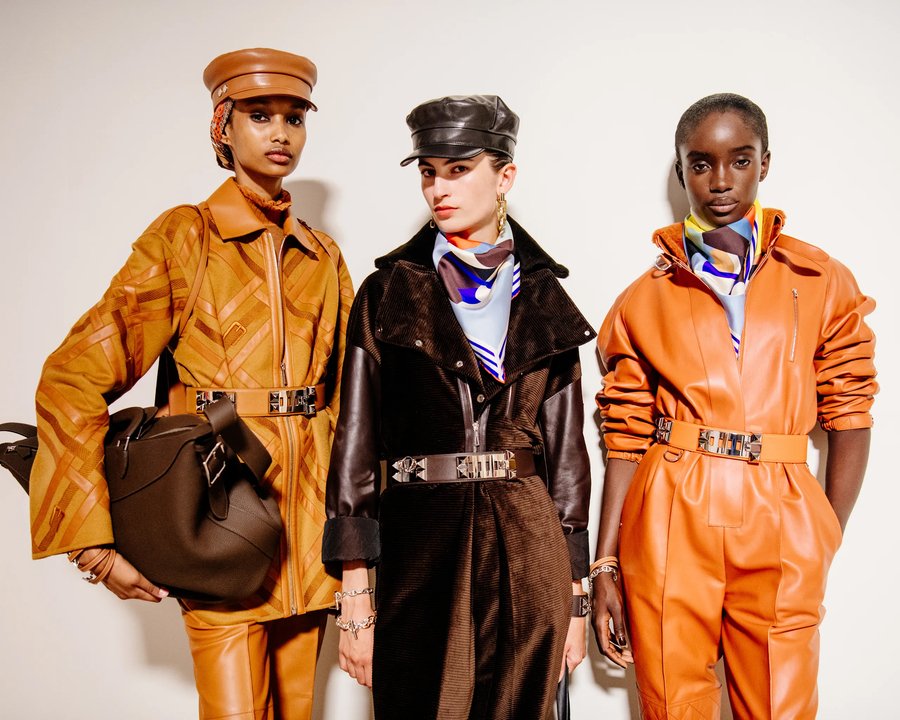
Hermès RESORT 2025, photo by Vogue
Hermès is one of the most prestigious and enduring French luxury houses, whose history began in 1837. The brand’s founder, Thierry Hermès, initially opened a workshop in Paris specializing in harnesses and saddles for European nobility. From its inception, Hermès focused on the highest quality, durability, and craftsmanship, which allowed it to gain the trust of the elite, including historical figures such as Tsar Nicholas II.
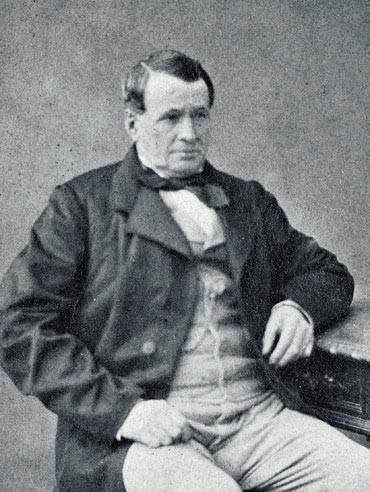
portrait of Thierry Hermès, photo by unknown author
The brand’s positioning was built around the concepts of heritage, exclusivity, and impeccable craftsmanship. Unlike many modern luxury conglomerates, Hermès maintains an ultra-premium segment philosophy, avoiding mass production. Former CEO Jean-Louis Dumas succinctly articulated this strategy: «We don’t have an image policy, we have a product policy». The brand positions its products not merely as fashion accessories, but as investments and works of art, handcrafted by a single artisan from start to finish.
The target audience of Hermès historically consisted of aristocracy and wealthy individuals. In the modern world, the core audience comprises successful, highly educated professionals with high incomes, primarily aged 35 to 60. However, thanks to social media and cultural collaborations, the brand successfully attracts a younger audience (millennials) who value authenticity, aesthetics, and status. Hermès consumers are individuals seeking not just luxury, but belonging to an exclusive club where purchasing requires time, patience, and building relationships with the brand.
2. Communication Channels
The public presence of Hermès fundamentally differs from traditional fashion brands. The brand rarely uses direct advertising, discounts, or aggressive marketing campaigns. Instead, Hermès builds communication through art, storytelling, and artificial scarcity. Instagram is a key digital channel for Hermès. Instead of standard product photos (lookbooks) or aggressive calls to purchase, the brand’s account resembles an art gallery. The content consists of playful illustrations, short videos demonstrating the manual labor process, and collaborations with independent artists. The brand’s Instagram strategy is a «storytelling powerhouse,» emphasizing timelessness and eternity. Hermès does not sell bags through posts; it sells belonging to art and centuries of history.
Принадлежит запрещенной на территории Российской Федерации организации Meta
Hermès outdoor advertising (billboards, magazine prints) also adheres to the principle of subtle seduction. Campaigns such as «The Endless Line» or the «Terre d’Hermès» perfume advertisement are more akin to art-house cinema or poetic sketches than commercial announcements. In outdoor advertising, the brand focuses on connection with nature, elegance, and metaphors, avoiding direct display of logos or prices.
On TikTok and YouTube, the brand maintains its aesthetic but adapts its formats. On YouTube, Hermès publishes mini-documentaries about its artisans («Footsteps Across The World»). In China, the brand actively uses WeChat, creating highly personalized mini-programs that offer exclusive content and service for the local elite, balancing digital accessibility with premium status.
In the context of James Grunig and Todd Hunt’s four PR models, Hermès' communication represents a complex hybrid.
Two-Way Asymmetrical Model:
We emphasize this strategy as it most accurately describes Hermès' approach. In this model, communication is two-way, but its primary goal is audience persuasion and maintaining brand power. Hermès gathers in-depth data about its customers (through waiting lists, CRM systems, and personal consultations) to understand their desires and behavior. However, this data is not used to modify the product to suit mass taste, but to more effectively position the brand as an object of desire. Artificial scarcity (e.g., multi-year waiting lists for Birkin bags) is a result of asymmetrical communication: the brand listens to the customer but dictates its terms, making the consumer adapt to the Hermès system.
Tiktok videos about Hermès policy
The artificial sense of exclusivity and scarcity created by the inability to simply purchase a Birkin bag functions as a powerful PR mechanism: people record outraged videos about being forced to «earn» the right to buy one, which only fuels public attention and reinforces the brand’s mythos.
Despite the asymmetry in sales, Hermès incorporates elements of the symmetrical model, which implies dialogue and mutually beneficial cooperation. This is evident in after-sales services and sustainability initiatives. The brand offers lifetime repair for its products, creating a long-term dialogue with the customer. Also, the «Petit h» initiative, where new unique objects are created from leftover materials, demonstrates a response to public demand for eco-friendliness, showing that the brand is willing to change for shared values.
3. Theoretical Foundations
For a deep analysis of Hermès' communication strategy, we will apply two theories: the Elaboration Likelihood Model (ELM) and the Uses and Gratifications Theory (UGT).
3.1 Elaboration Likelihood Model (ELM):
The ELM theory, developed by Richard Petty and John Cacioppo, explains how persuasion occurs through two paths of information processing: the central route (based on logic and facts) and the peripheral route (based on superficial cues and emotions).
Brand Analysis using ELM: Hermès masterfully uses both routes, but places a unique emphasis on the peripheral route in public spaces and the central route during personal contact. Peripheral Route: In social media and outdoor advertising, Hermès does not present logical arguments about leather quality or product durability. Instead, the brand uses aesthetic stimuli: art, beautiful music, associations with heritage and exclusivity. Consumers, even those not planning a purchase, form a positive attitude towards the brand based on visual enjoyment. Central Route: When a customer enters a boutique or reads the brand’s long-form content about artisans, the central route is activated. Hermès provides facts: 25 hours of handcrafting for one bag, the use of saddle stitching, 4 years of artisan training. This information requires cognitive effort but justifies the high price and builds unwavering loyalty.
3.2 Uses and Gratifications Theory (UGT):
UGT suggests that people actively choose media to satisfy specific needs (informational, entertainment, social).
Brand Analysis using UGT: Research shows that millennials and other consumers subscribe to luxury brands' social media not just for purchases. In the case of Hermès, the audience receives two types of gratification: Affective Gratification (emotional): Instagram followers experience aesthetic pleasure and entertainment. Hermès' content is perceived as art, allowing users to feel connected to high culture. Cognitive Gratification: The audience learns about the brand’s history and product creation processes, satisfying a need for knowledge about the world of luxury. This allows the brand to maintain the attention of an audience that may not yet be ready to buy but is already loyal to the Hermès philosophy.
4. Conclusions and Recommendations
Hermès' communication strategy is a benchmark in the luxury industry. The rejection of direct advertising in favor of storytelling, the creation of artificial scarcity, and the emphasis on craftsmanship allow the brand to maintain its ultra-luxury status. The use of a two-way asymmetrical PR model helps the brand dictate its terms in the market, turning customers into brand advocates willing to wait years for their orders.
The strategy is highly effective. The brand successfully uses visual persuasion (ELM peripheral route) for a mass audience and deep argumentation (central route) for buyers. Hermès' social media satisfies users' aesthetic needs (UGT), maintaining interest in the brand even among those who are not direct customers.
Recommendations for Improvement:
- Expanding Symmetrical Communication: While the asymmetrical model supports exclusivity, the brand should strengthen symmetrical dialogue on environmental issues. New generation consumers demand greater transparency from luxury brands. Hermès already implements several sustainable initiatives, but communication about these practices remains minimal. The brand should enhance symmetrical dialogue: publish more interactive content about supply chains, conduct open Q&A sessions with artisans on environmental topics. This will build trust with a younger audience without compromising exclusive positioning.
- Adapting to New Platforms without Losing Brand DNA: While Instagram is ideal for the brand’s aesthetic, Hermès can cautiously expand its presence in podcasts. The audio format is perfectly suited for the central route of persuasion (ELM), allowing for deep stories about heritage and artisans for an intellectual audience that values content over visual aesthetics. A podcast about the philosophy of craftsmanship and the history of the house would organically fit into the brand’s communication ecosystem.
Example of a successful collaboration between Louis Vuitton and Murakami, 2025
- Strategic Collaborations with Contemporary Artists: To attract the «golden youth» and enhance social media presence, Hermès can initiate collaborations with contemporary artists working in relevant media (e.g., digital art, street art, interactive installations). It is crucial that these projects are deeply integrated into the brand’s philosophy, reflecting its values of craftsmanship and uniqueness, rather than being mere promotional activities. Such collaborations will enable the brand to generate organic viral content, attract new audiences through artists' channels, and demonstrate Hermès' relevance without sacrificing its archetypes.
Made by Nano Banana AI
Roll, M. (2020). Hermès — The Strategy Insights Behind The Iconic Luxury Brand. Martin Roll. URL: https://martinroll.com/resources/articles/strategy/hermes-the-strategy-behind-the-global-luxury-success/ (Accessed: 10.06.2026).
Hermès International S.C.A. — Hermès // Wikipedia. URL: https://en.wikipedia.org/wiki/Herm%C3%A8s (Accessed: 10.06.2026).
Velasquez, F. (2026). The Hermès Marketing Playbook: Lessons in Luxury Brand Strategy. Your Social Strategy. URL: https://yoursocialstrategy.co/blog/hermes-luxury-marketing-strategy (Accessed: 10.06.2026).
Scribd. (n.d.). Hermes Target Market Analysis. URL: https://www.scribd.com/document/471338883/Hermes-Target-Segment (Accessed: 10.06.2026).
Athwal, N., Istanbulluoglu, D., & McCormack, S. E. (2018). The allure of luxury brands’ social media activities: a uses and gratifications perspective. Information Technology & People, 32(1). DOI: 10.1108/ITP-01-2018-0017. URL: https://doi.org/10.1108/ITP-01-2018-0017 (Accessed: 10.06.2026).
Digital Agency Network. (2026). Hermès Advertising Strategy: Marketing the Prestige of «Hard to Get». URL: https://digitalagencynetwork.com/hermes-advertising-strategy-marketing-the-prestige-of-hard-to-get/ (Accessed: 10.06.2026).
Wittmer, M. (n.d.). How Hermès Transforms Social Media Into a Storytelling Powerhouse. The Impression. URL: https://theimpression.com/how-hermes-transforms-social-media-into-a-storytelling-powerhouse/ (Accessed: 10.06.2026).
Ads of the World. (2025). The Endless line — Hermès. URL: https://www.adsoftheworld.com/campaigns/the-endless-line-b674a788-1a50-4542-981e-60105112df54 (Accessed: 10.06.2026).
Ecommerce Strategy China. (n.d.). How luxury brand Hermès leverages WeChat marketing in China. URL: https://www.ecommercestrategychina.com/column/luxury-brand-market-in-china-hermes-pushes-digital-marketing-on-wechat (Accessed: 10.06.2026).
Silfwer, J. (n.d.). The Four Models of Public Relations. Doctor Spin. URL: https://doctorspin.net/four-models-of-public-relations/ (Accessed: 10.06.2026).
Renascence. (2024). How Hermès Delivers a Luxury Customer Experience (CX) with Exclusivity and Personalized Services. URL: https://www.renascence.io/journal/how-hermes-delivers-a-luxury-customer-experience-cx-with-exclusivity-and-personalized-services (Accessed: 10.06.2026).
Simply Psychology. (2026). Elaboration Likelihood Model. URL: https://www.simplypsychology.org/elaboration-likelihood-model.html (Accessed: 10.06.2026).
Grunig, J. E. Managing Public Relations / J. E. Grunig, T. Hunt. — New York: Holt, Rinehart, and Winston, 1984. — 550 p.
Official website of the Hermès brand. URL: https://www.hermes.com (Accessed: 10.06.2026).