
Introduction: LEGO Brand
LEGO is one of the most famous toy companies in the world. It was founded in Denmark in 1932 and has become popular in many countries. For many years, the brand has been connected with creativity, building, and learning through play. Today, LEGO is used not only by children but also by teenagers and adults who enjoy creating different models and collecting sets.

LEGO logo (1998 version)
The main idea of LEGO is that everyone can build something unique using their imagination. The company wants to encourage people to be creative, solve problems, and express their ideas through play. LEGO does not only sell construction sets. It also promotes the idea that playing can help people learn new skills and think in a creative way. Although the brand was originally created for children, it now communicates with many different groups, including parents, teachers, and adult fans. Even with such a wide audience, LEGO keeps the same positive and recognizable image.
Communication Channels

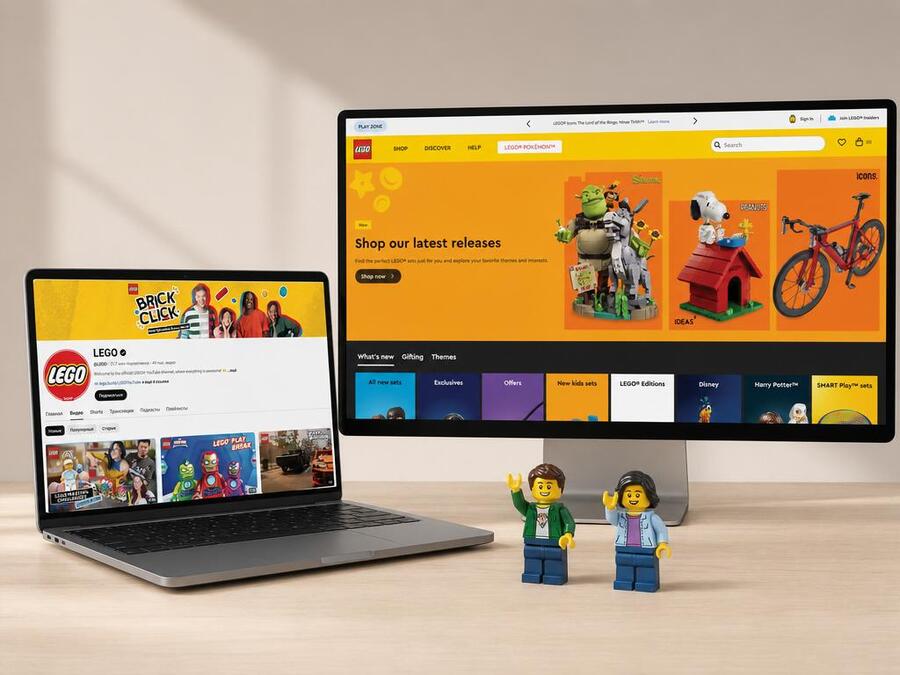
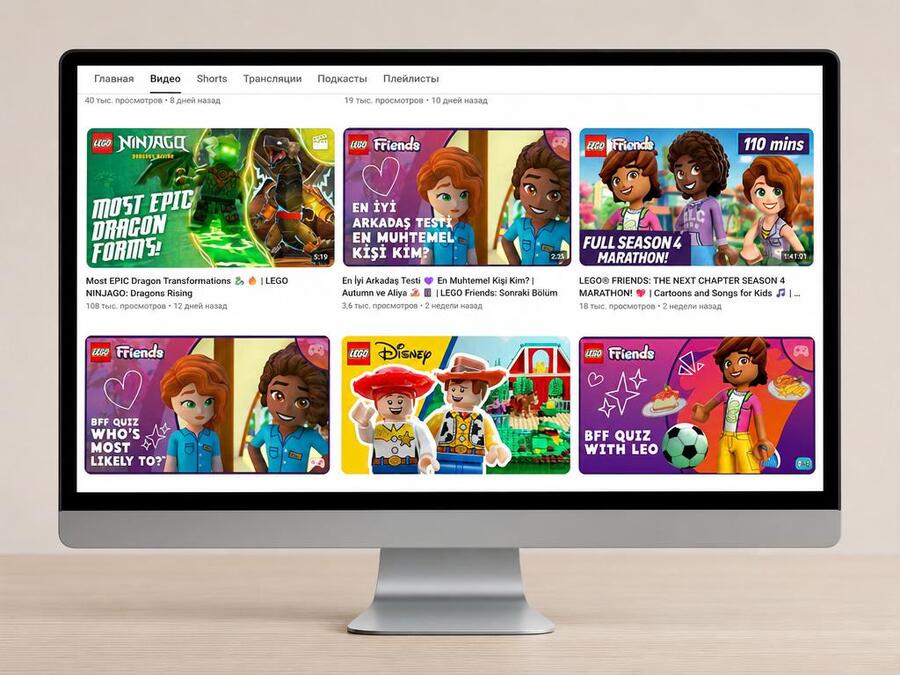
Homepage of the official LEGO website and official YouTube channel
LEGO uses many different communication channels to stay connected with its audience. The brand has an official website and is active on Instagram, TikTok, YouTube, Facebook, and other online platforms. In its social media, LEGO shares much more than product advertisements. The company posts creative videos, photos, building ideas, and interactive content that invites people to take part in discussions and activities. This helps LEGO create an active community where users can share ideas and communicate with the brand instead of simply watching advertisements.
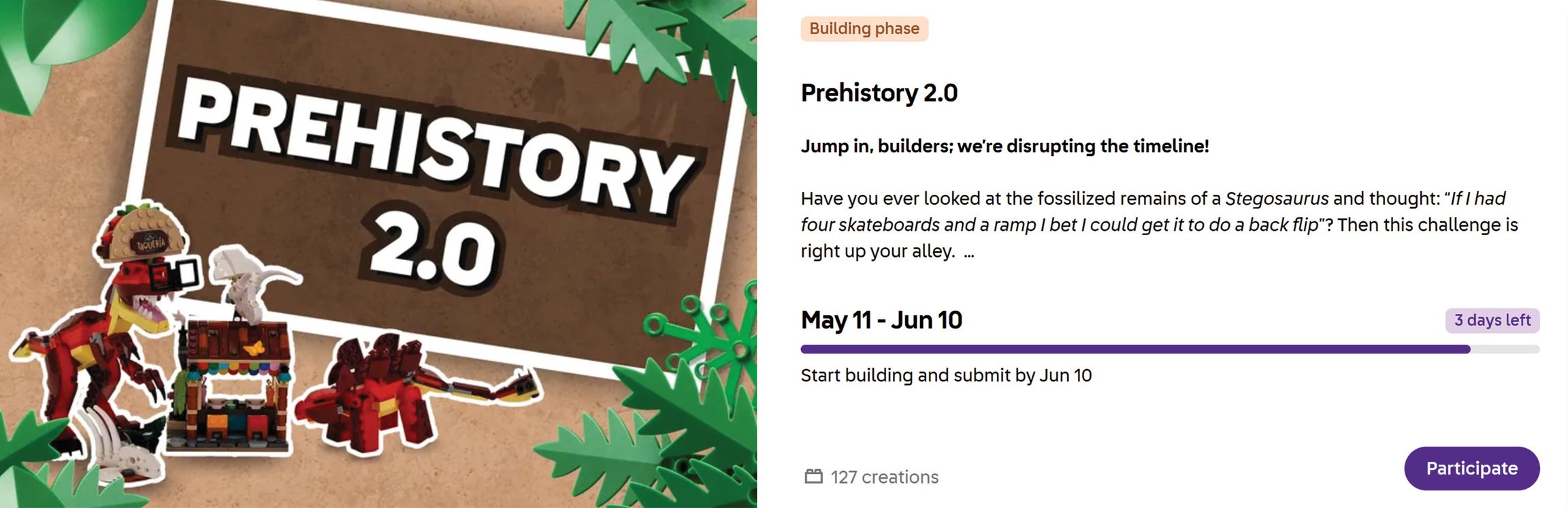
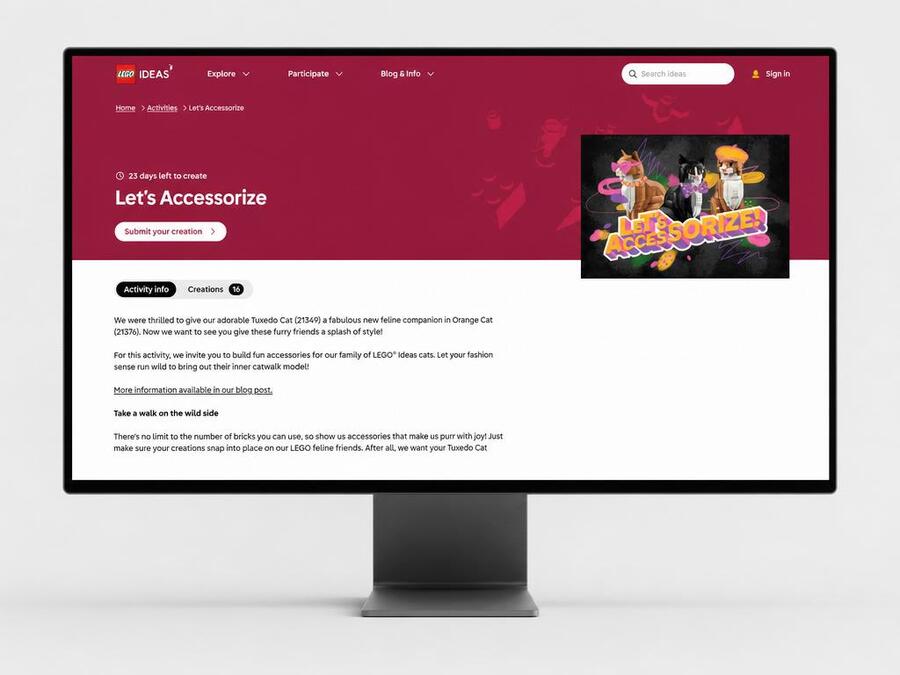
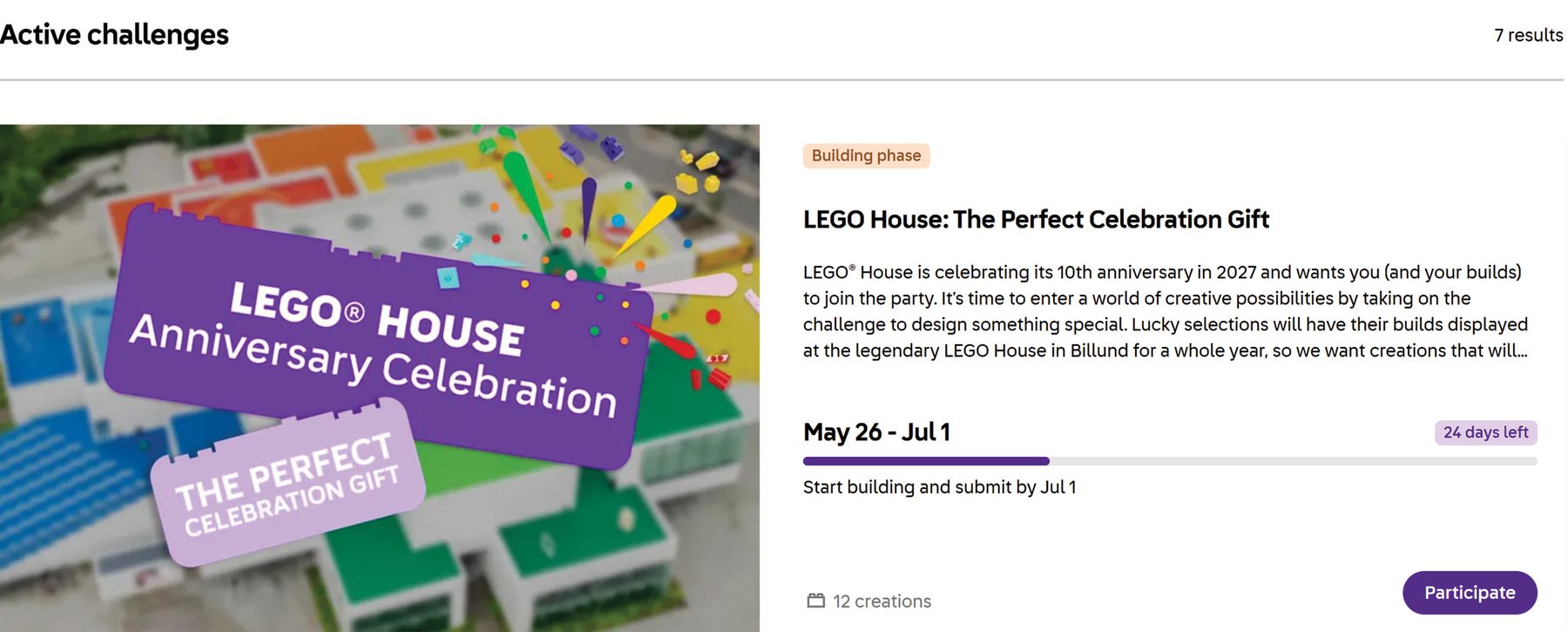
LEGO Ideas page from the official website
One of LEGO’s most distinctive communication tools is the LEGO Ideas platform. Through it, fans can submit their own designs, join challenges, and vote for projects created by other users. The most popular ideas may even become official LEGO products sold around the world. This model turns consumers into active participants in communication instead of passive recipients.
Posts from the official LEGO Instagram account. *Instagram is owned by Meta, an organization designated as extremist and banned in the Russian Federation.
LEGO also works closely with global entertainment brands and public figures. The company produces collections inspired by Star Wars, Harry Potter, Marvel, Formula 1, and football organizations. These collaborations help LEGO attract new audiences and strengthen emotional ties with existing fans through familiar elements of popular culture.


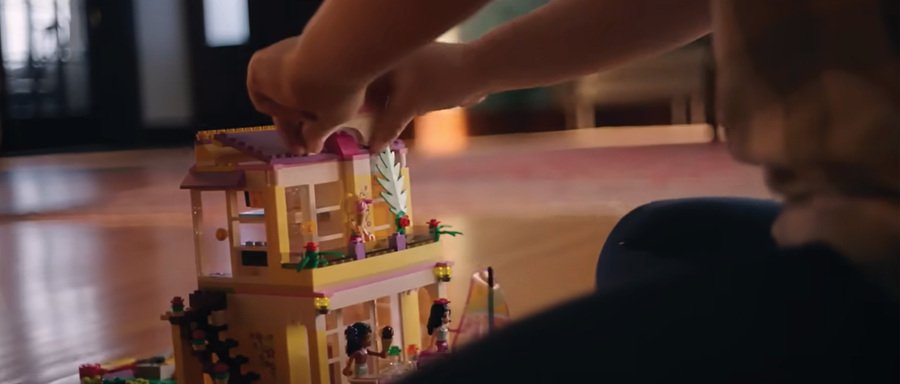
Frames from the LEGO commercial «Inspire Imagination»


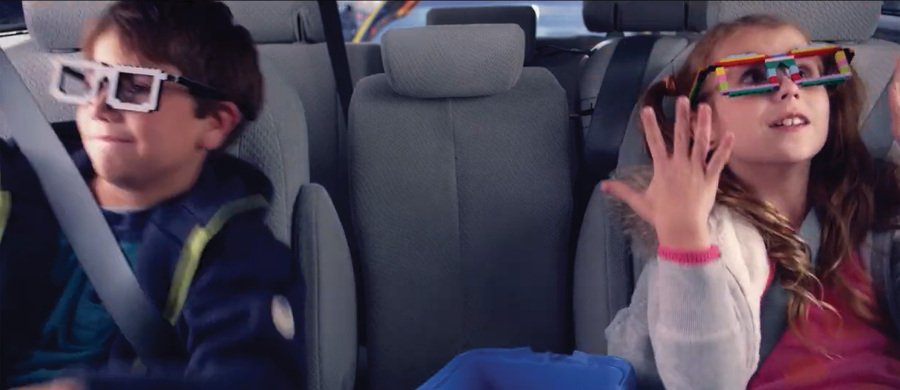

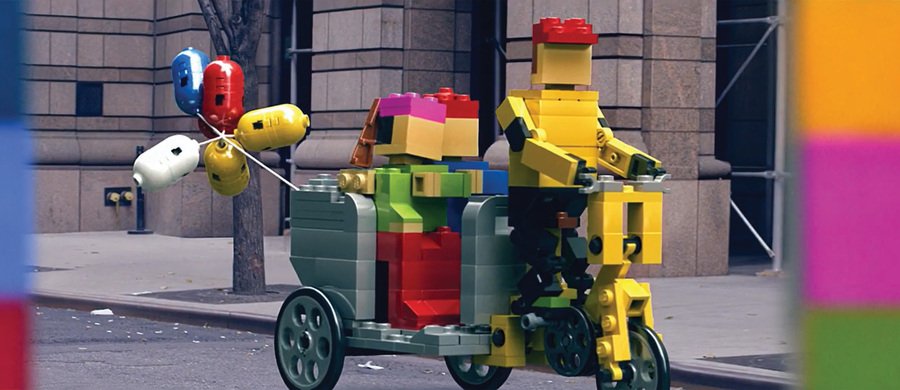
Frames from the official LEGO YouTube video «It’s a LEGO World! Imagination Comes to Life!»
In addition, LEGO addresses important social themes in its communication campaigns. Many of its advertisements emphasize children’s imagination, creativity, diversity, and family relationships. Campaigns such as Inspire Imagination encourage parents to spend more time playing with their children and show that creative play supports children’s development and communication skills.
Overall, LEGO’s communication strategy goes beyond promoting products. The brand creates meaningful interactions, encourages participation, and builds a global community around creativity and play. These communication practices make LEGO an interesting example for further analysis through communication theories studied in this course.
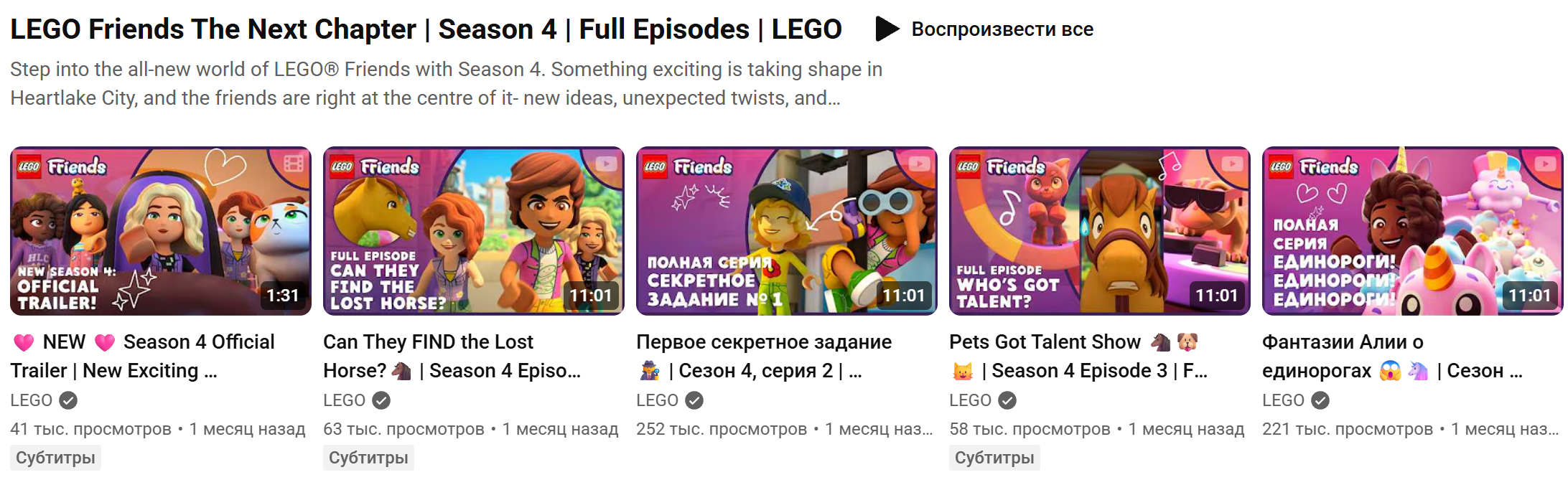
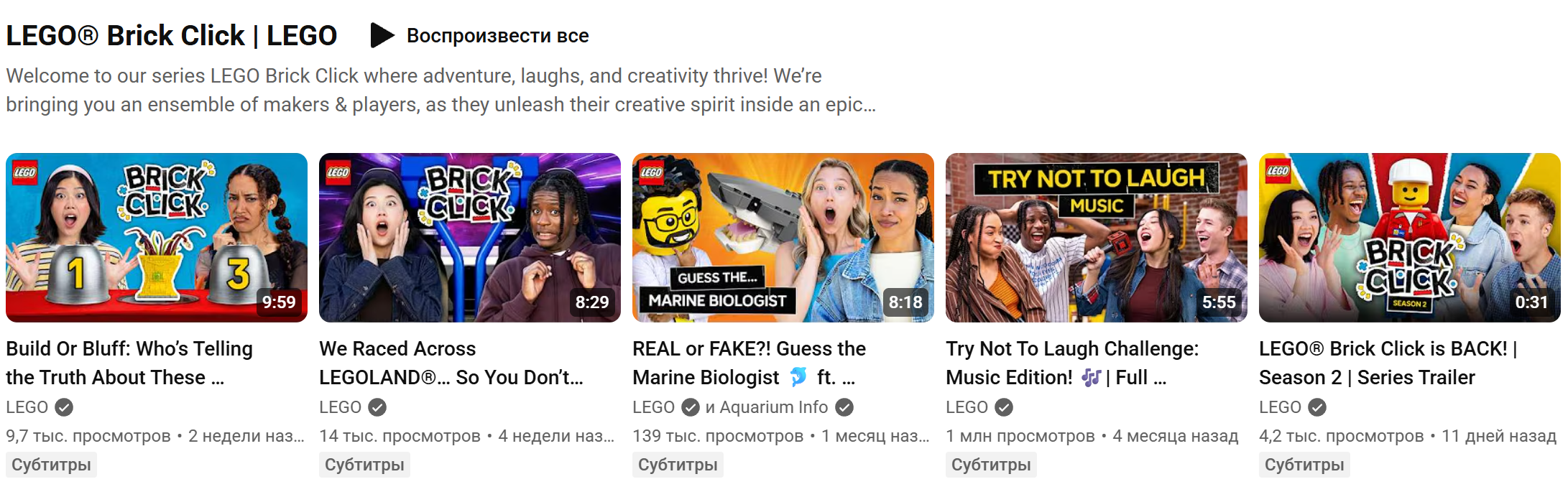
Official LEGO YouTube channel
Uses and Gratifications Theory
Official LEGO Instagram page. *Instagram is owned by Meta, an organization designated as extremist and banned in the Russian Federation.
Uses and Gratifications Theory is a very good fit for LEGO because it sees the audience as active. People do not use media only because media is there. They choose content to satisfy their own needs. This theory is connected with goals, needs, and different kinds of gratification. People may use media for entertainment, information, social contact, personal identity, or self-expression.
Homepage of the official LEGO website
This theory works well for LEGO because LEGO audiences are very mixed. Children may look for fun, color, and imagination. Parents may look for safe, useful, and educational content. Adult fans and collectors may want news, inspiration, and a sense of community. LEGO content can satisfy all these needs at the same time. A short video can entertain a child, a product page can inform a parent, and LEGO Ideas can give fans a space for self-expression and creativity. This is why the theory helps explain why LEGO content stays popular across different age groups.
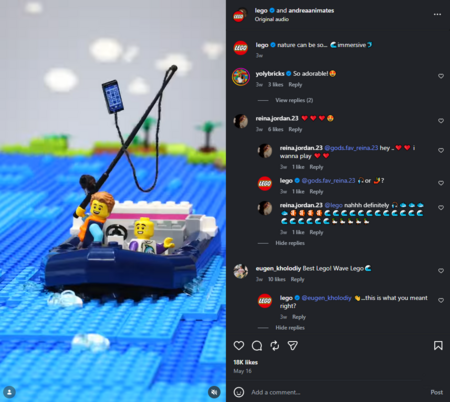

Posts from the official LEGO Instagram account. *Instagram is owned by Meta, an organization designated as extremist and banned in the Russian Federation.
Uses and Gratifications Theory is also useful because LEGO is not a passive brand in the media space. It gives people reasons to return again and again. The audience can watch, learn, share, vote, comment, and create. In other words, the brand does not just send a message. It offers different media uses, and people choose the one that fits their needs at the moment.
Dialogic Theory



User comments from the official LEGO Instagram account. *Instagram is owned by Meta, an organization designated as extremist and banned in the Russian Federation.
Dialogic Theory also fits LEGO very well. This theory says that public relations should be based on dialogue, not one-way communication. Dialogue is presented as ethical, honest, and relationship-based. It includes ideas like mutuality, propinquity, empathy, risk, and commitment. The main point is simple: organizations should not only speak to publics, but also listen to them and build real relationships.
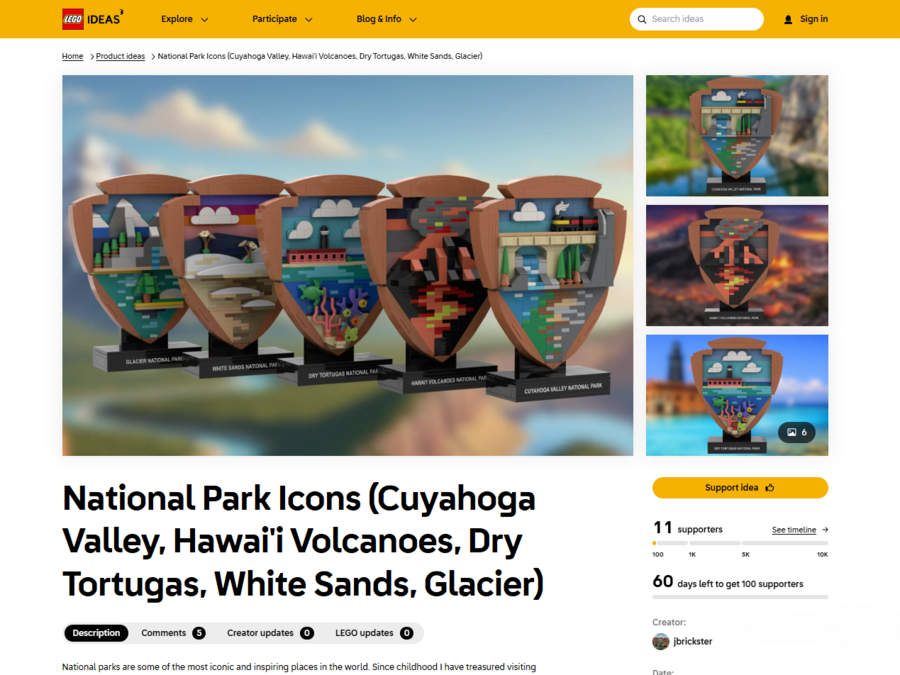
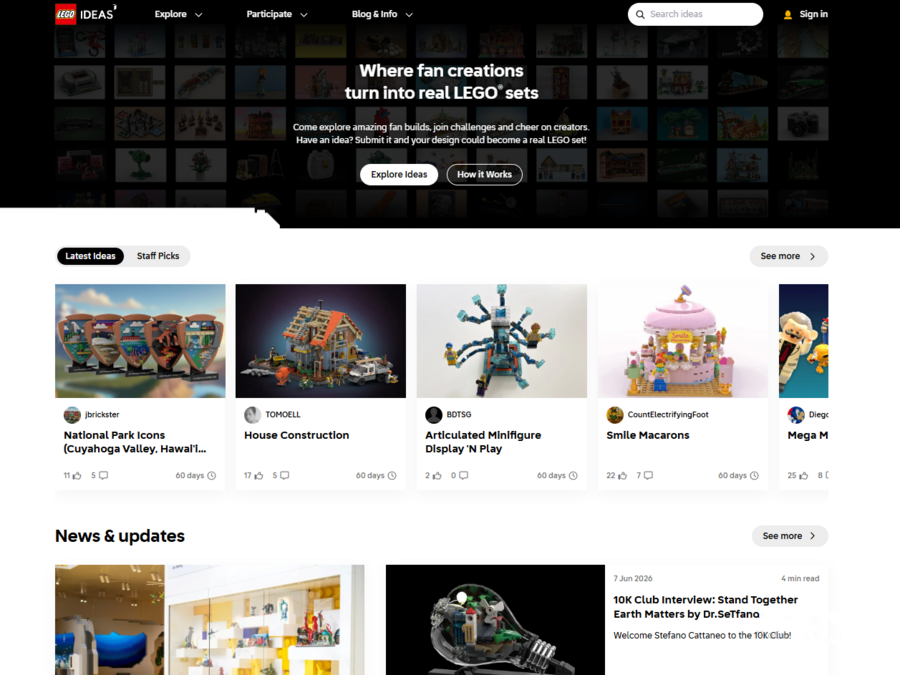
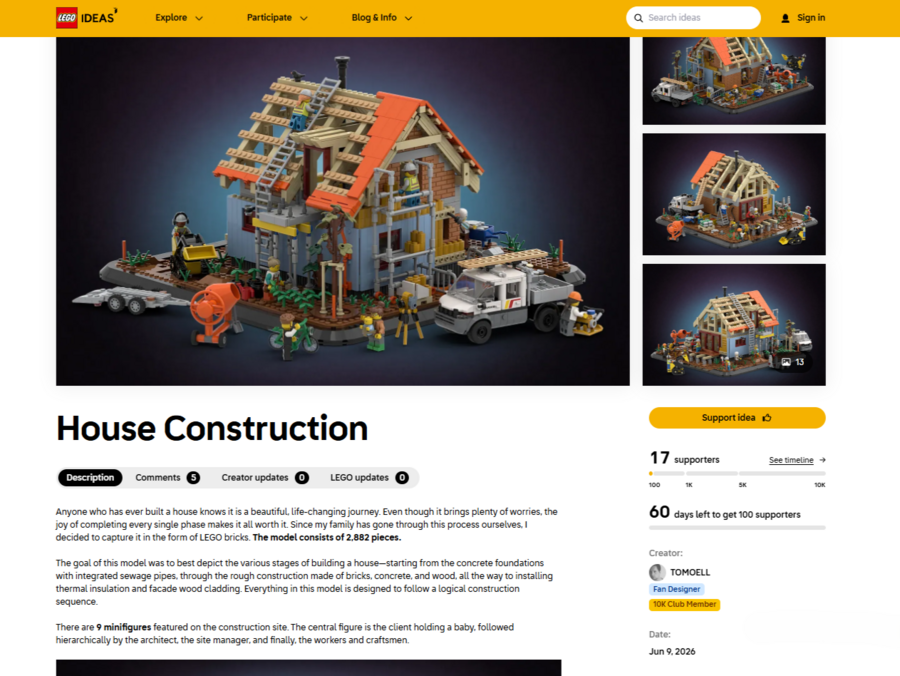
LEGO Ideas page from the official website
LEGO is a strong example of this approach because of LEGO Ideas and its social media style. On LEGO Ideas, fans can submit designs, vote for other projects, and help shape the future of the brand. This is not just marketing. It is real interaction. It shows mutuality, because the brand and the audience influence each other. It also shows commitment, because LEGO gives time and space to user ideas. In social media, the brand can also reply to comments, share fan work, and keep a two-way connection with its audience.
This theory is especially useful for LEGO because the brand is built around community. LEGO does not only want people to buy sets. It wants them to feel part of a creative world. Dialogic Theory helps explain why this works: the audience feels heard, included, and respected. For a brand like LEGO, this kind of relationship is very important. It makes communication stronger and more personal.
Why These Two Theories Work Well Together
These two theories fit LEGO very well because they explain two different sides of the same communication system. Uses and Gratifications Theory explains why people choose LEGO content in the first place. Dialogic Theory explains how LEGO keeps those people active and involved over time. Together, they show that LEGO is not only a toy company. It is also a brand that builds meaning, participation, and community through communication.