
Navigation
- Concept
- Brand History
- Barbie’s First Advertisement: How Mattel Captured the Audience
- Solidifying Pink in Barbie’s Image
- Pink as a Marketing Tool
- Barbie Today: The Impact of Pink on Brand Perception
- Conclusion
Concept
Barbie is currently one of the most recognizable doll brands globally. Since its debut in 1959, the visual image of Barbie dolls has evolved multiple times; however, over time, the color pink has become the primary association with the brand. Today, it is used in the design of the dolls, in their packaging, in advertising campaigns and clothing collections, and in other products.
The color has become so iconic that the audience can recognize the brand even without seeing the doll itself.
An interesting observation is that this association developed over time. In the early years of Barbie’s existence, her advertising image was not yet tightly linked to a single pink aesthetic. As the brand evolved, color began to be used more actively in visual communication elements. This makes it particularly interesting to trace the role advertising played in cementing pink as a recognizable symbol of Barbie.The relevance of this research lies in the opportunity to examine, using one of the world’s most famous brands as an example, how color becomes a tool for advertising communication, helps shape a product’s visual identity, and influences consumer perception of the product. Furthermore, the history of Barbie allows us to trace the evolution of advertising strategies over several decades and observe how the brand’s visual decisions adapted to cultural and social changes.
During brand introduction, a question may arise: how did Mattel’s advertising communications contribute to transforming pink from one decorative element into a sustainable brand symbol?
Hypothesis: The systematic use of pink in Barbie’s communication materials fostered a strong visual association in people between this shade and the brand. Advertising transformed the color into a tool for recognizability and emotional impact on the consumer. Consequently, pink came to be perceived as a brand symbol capable of evoking certain associations even without the direct depiction of the product.Object of Study: The advertising communications of the Barbie brand.Subject of Study: The use of the color pink in Barbie’s advertising campaigns and visual materials, as well as its role in shaping the brand’s recognizable image and identity.Research Goal: To trace how Barbie’s advertising contributed to the formation of the color pink as one of the brand’s main symbols, and to determine the role it plays in contemporary advertising communication.
The study is based on promotional videos, print advertisements, magazine ads, toy catalogs, photographs of original Barbie packaging, and contemporary Mattel advertising campaigns. The visual research will examine the period from the doll’s introduction in 1959 and its initial advertising campaigns through the formation of a distinct pink aesthetic in subsequent decades and the brand’s modern communications. Particular attention will be paid to the promotional campaign for the 2023 film «Barbie» and the use of the color pink in international partnership projects.
Brand History
The brand’s history is tied to the doll Lilli, an idea that emerged in Germany while the newspaper Bild was gaining popularity. Unable to find advertisements to fill empty space, the editors asked illustrators to draw a comic strip. The main character became a girl named Lilli, whose image was inspired by two personalities: Marilyn Monroe and Brigitte Bardot. Over time, the comic gained increasing popularity, and the newspaper’s owners decided to release a collectible figurine of the main character, which became the first doll to depict an adult.
This is the doll that Ruth Handler’s daughter sees in the shop window and cannot take her eyes off, because at that time, the toy world did not feature dolls associated with adult people. The future founder of Barbie wonders what if her daughter is right—that millions of children like her dream of adult dolls. The woman approaches this new idea very cautiously: she develops a prototype doll very similar to Lili, conducts social surveys and research. When she shows it to mothers and their daughters, the answer becomes clear: because of the doll’s overly revealing appearance, the mothers were opposed, while their children remained ecstatic. On May 9, 1959, the first Barbie doll, which Ruth Handler named after her daughter Barbara, went on sale. At the launch, there were only two types of Barbie: a blonde and a brunette, dressed in a black-and-white swimsuit.
The First Barbie Ads: How Mattel Captured the Audience
For the first time, Headler showcases dolls at the American International Toy Fair. However, no one notices Barbie there, but Ruth doesn’t give up and decides to see it through by ordering television advertising for her brand.
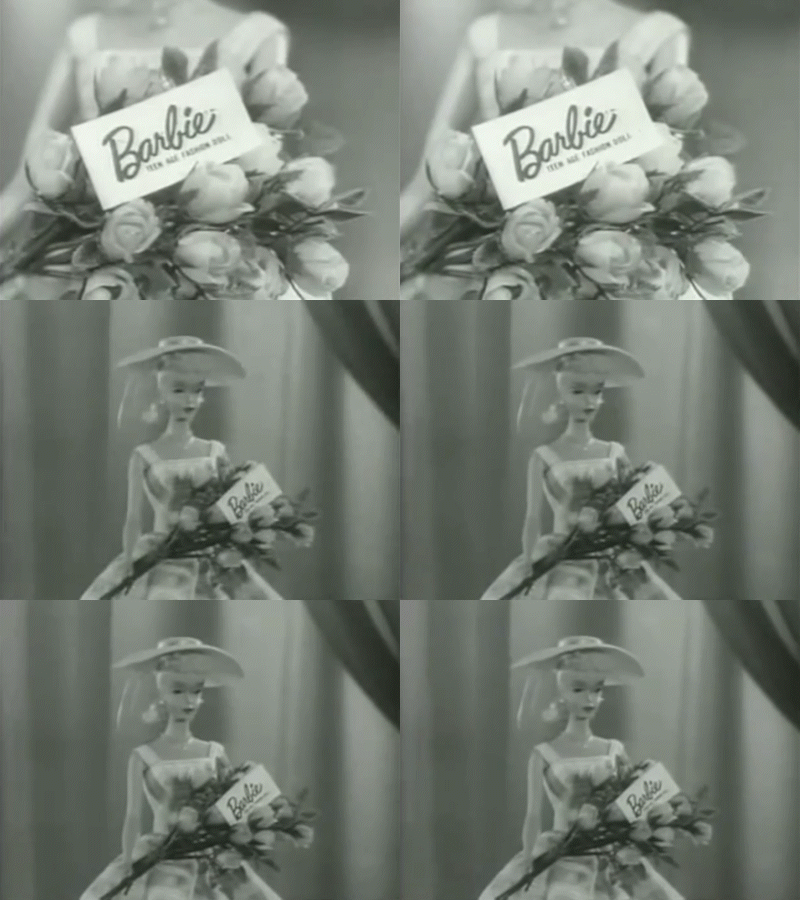
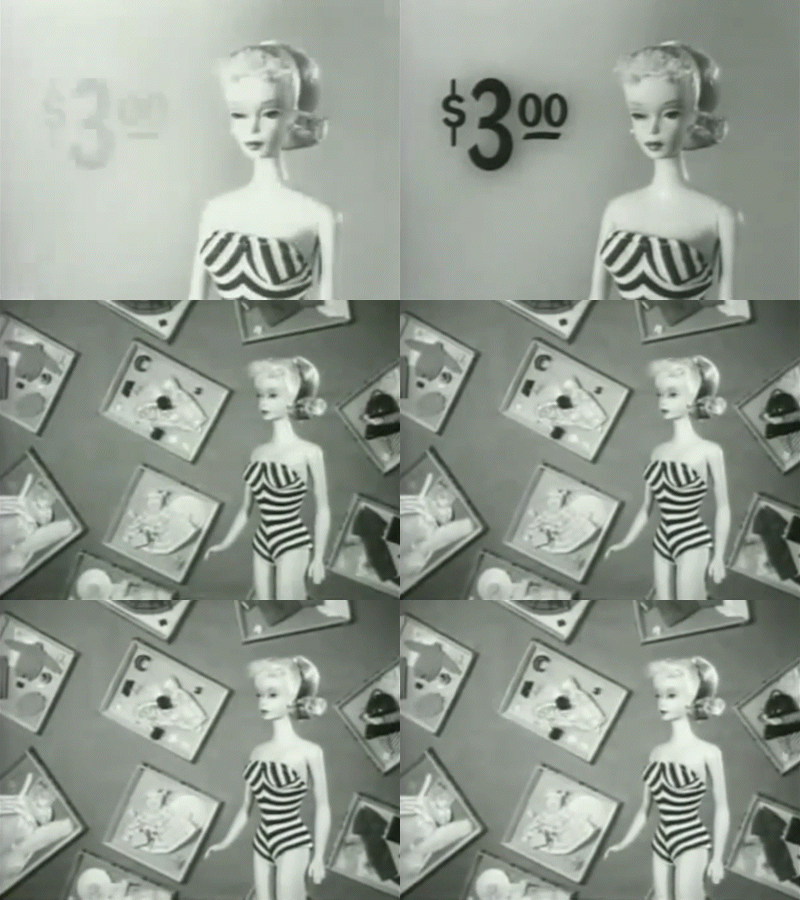
The first advertisement for Barbie doll, 1959
In advertising, the image of the doll itself—rather than color—became the primary tool of persuasion. Barbie was presented as an idealized role model: she possessed beautiful looks, an extensive wardrobe, and the ability to frequently change her personas.
The video invites children to experience an imaginary adult role through play.
At the center of the communication lies the idea of adult futures. The phrase, «Someday I’m going to be exactly like you, ” transforms the doll from a toy of entertainment into a template for desired identity.
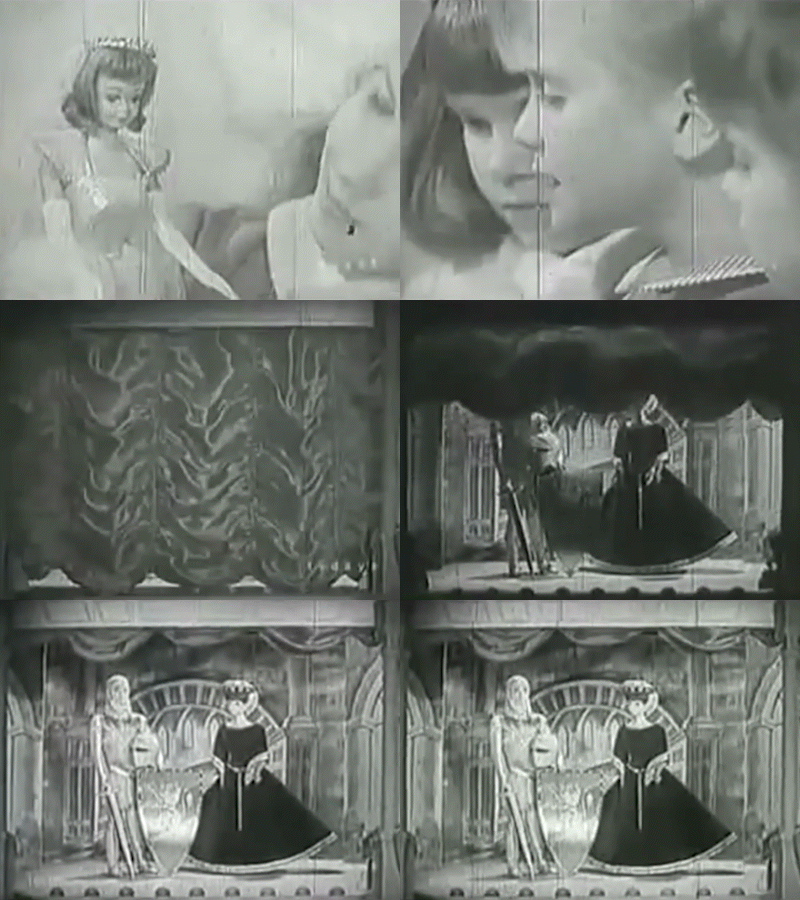
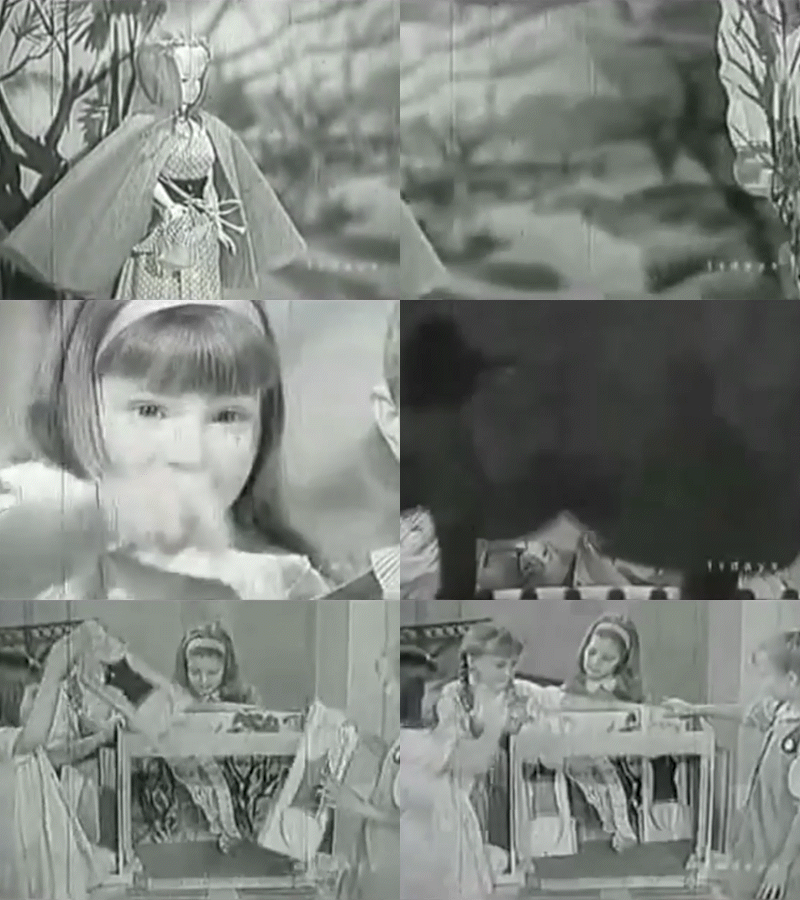
Barbie & Ken Little Theatre Commercial (1960s)
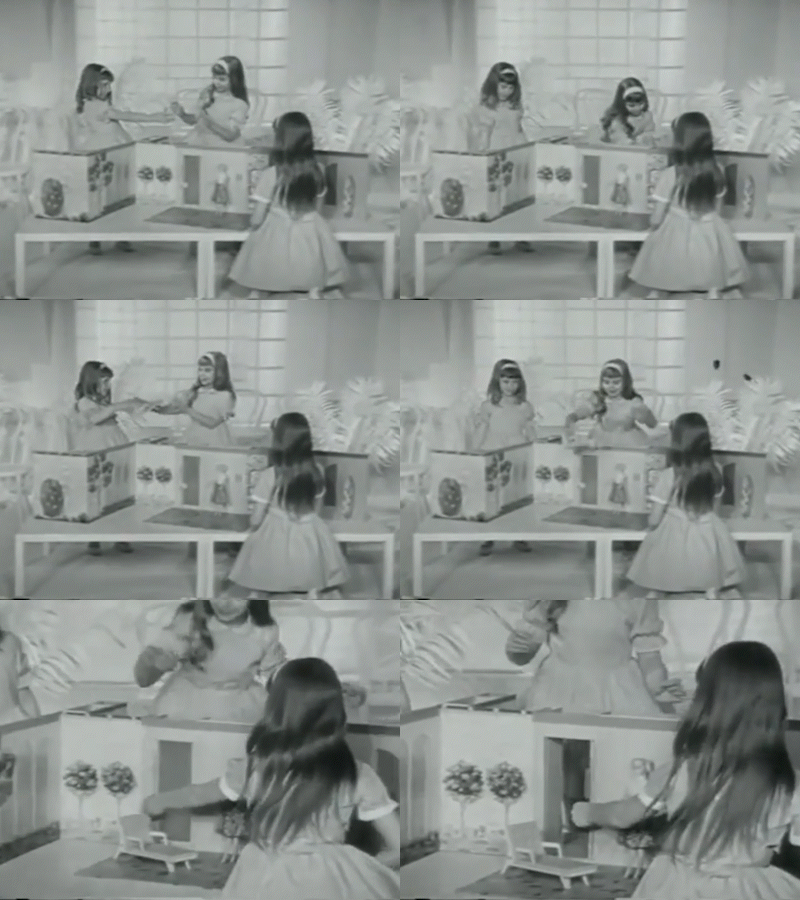
Barbie Dream House Commercial, 1961
Ruth Hadley analyzed that for mothers, purchasing such a toy might be a contentious decision due to Barbie’s overly mature image, while the children, on the other hand, wanted her. The commercials featured kids playing with dolls, showing their vivid positive emotions about the toys. The directors emphasized the voiceover, which created a feeling of celebration—it was spirited and enthusiastic. Thus, the child watching television could associate themselves with the ad’s characters and desire the doll to experience the same emotions as those on screen.
Recognizing that only a child can change a parent’s mind, the decision was made to direct all future promotional videos toward a younger audience.
Solidifying Pink in the Barbie Aesthetic
It is worth noting that the first dolls and their packaging were far from the universally recognized shade of pink. The turning point that caused the Barbie brand to begin incorporating this hue into its products was the emergence of new idols to the world: Jane Mansfield and her boyfriend, Mickey Hartig. They became America’s favorite couple. Jane Mansfield turned her entire home pink. Later, she invited photographers from newspapers and magazines, creating a kind of «television series» and becoming even more popular.
Photographs of Jane Mansfield’s rooms and home
Mattle’s direction at that point makes a simple yet effective move: Barbie becomes only a blonde, perpetually surrounded by the color pink. Her entire image becomes a copy of a popular American couple, and it works.
Pink as a Marketing Tool